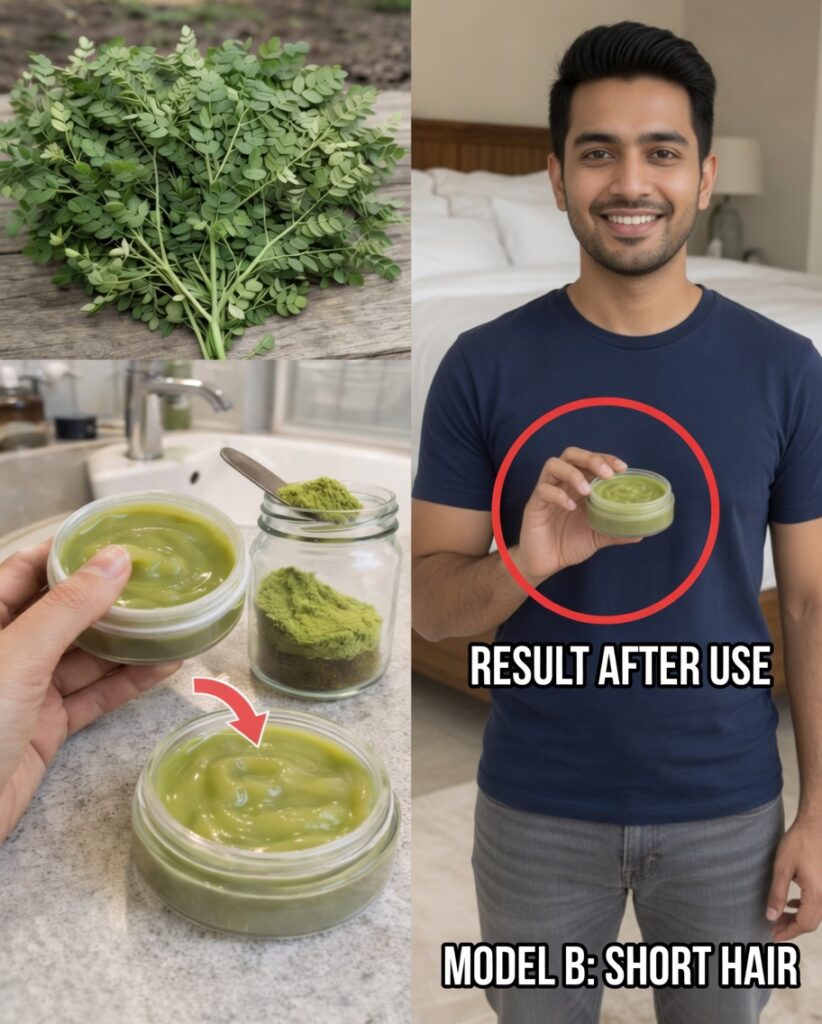
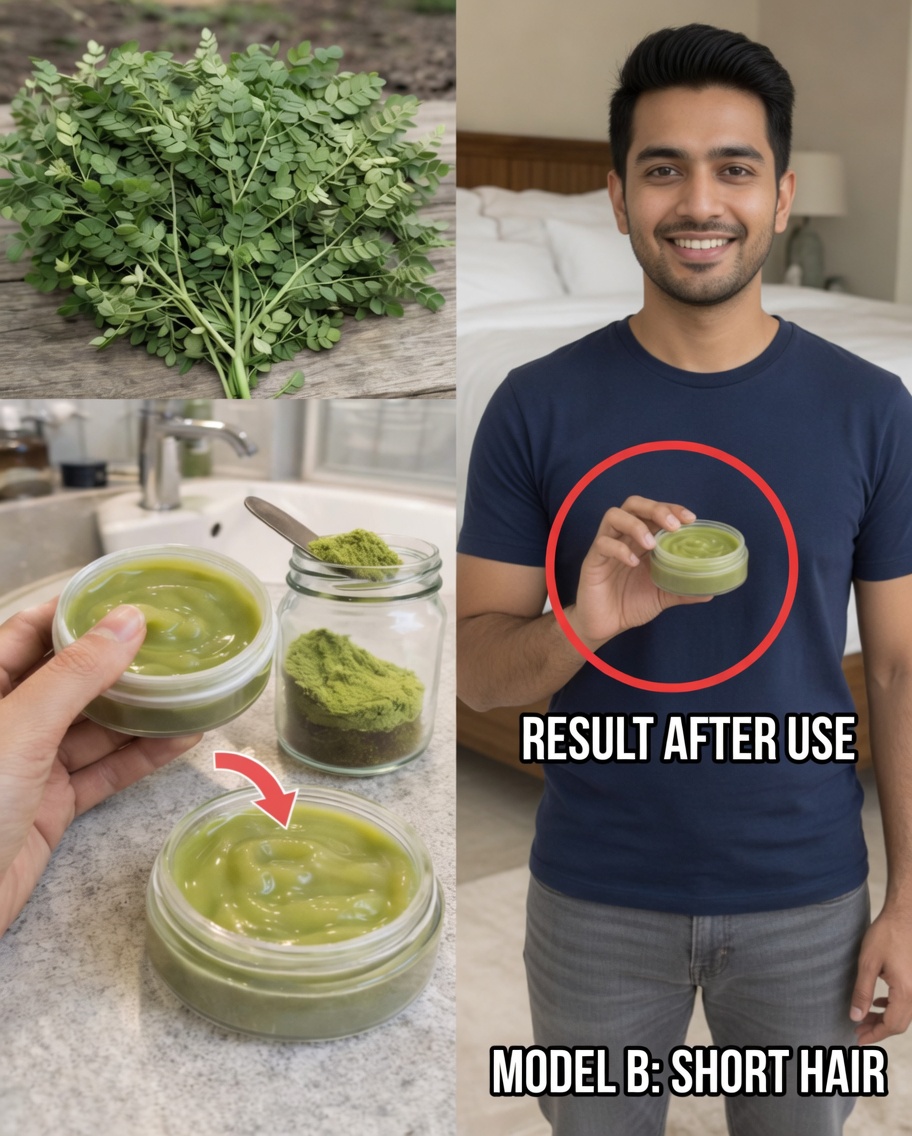
Many people deal with dull, fragile hair or slower growth—often triggered by daily factors such as air pollution, nutritional shortfalls, chronic stress, and aggressive styling. Over time, this can feel discouraging, especially when quick-fix products fail to deliver lasting change. A more natural, long-term approach may help: moringa, a nutrient-dense plant often used in traditional wellness routines, can support healthier-looking hair and a more balanced scalp when used consistently. And at the end, you’ll find a simple habit that can help you notice progress faster.
Why Add Moringa to Your Hair Care Routine?
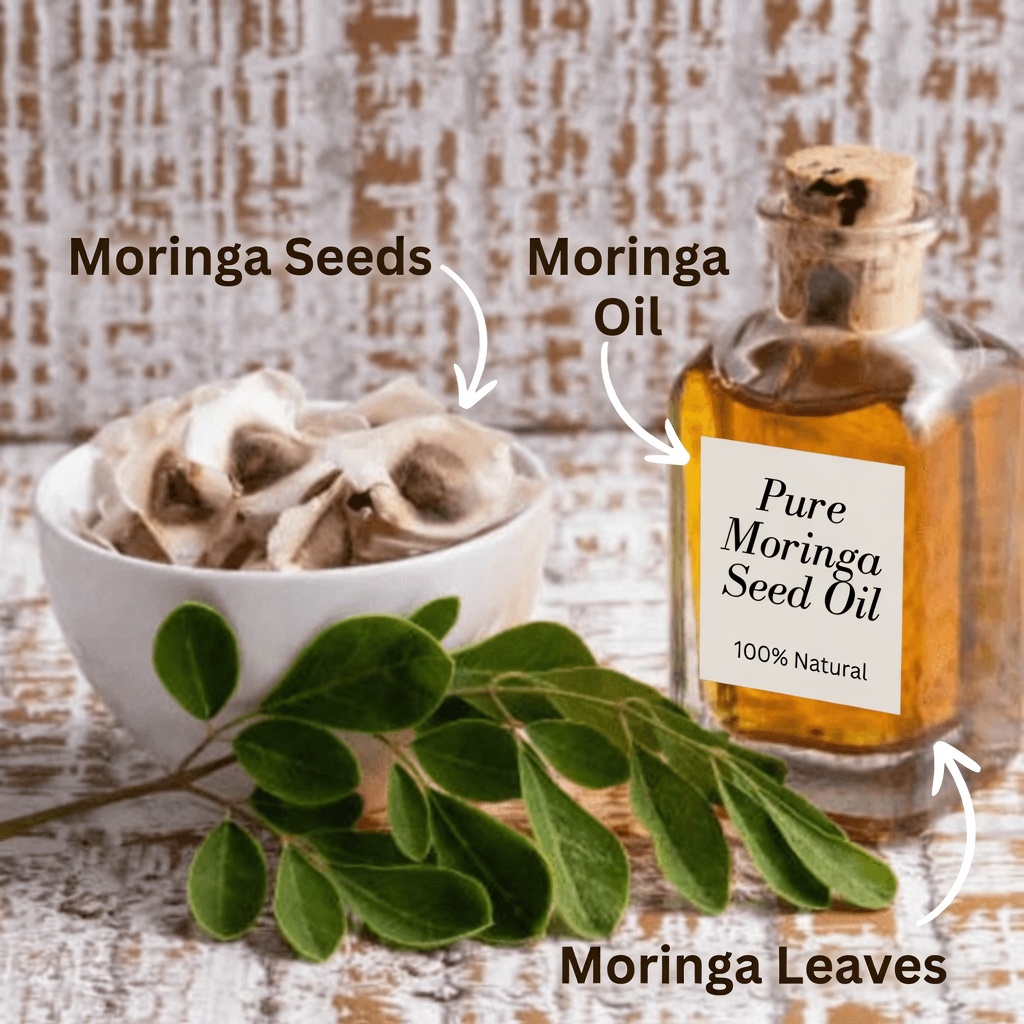
Moringa (Moringa oleifera)—sometimes called the “drumstick tree”—has a long history in traditional practices. Its leaves, seeds, and oil are naturally rich in compounds that may contribute to hair strength, shine, and scalp comfort.
Key nutrients in moringa that are often highlighted include:
- Vitamins A, C, and E: commonly associated with protecting against environmental stressors and supporting scalp hydration.
- Minerals such as iron and zinc: important for maintaining normal hair growth cycles, since low levels may affect follicles.
- Amino acids: relevant because hair is largely made of keratin, a protein built from amino acids.
- Antioxidants: may help reduce the impact of oxidative stress from everyday exposure.
While moringa’s nutrient profile looks promising and early research is encouraging, more human-focused studies are still needed. Even so, many people choose moringa because it’s versatile and easy to integrate into both topical hair care and daily nutrition.
1) Moringa Oil Scalp Massage to Support Roots and Hydration
One of the simplest ways to try moringa is through a scalp massage using moringa oil. This method combines moisture support with the benefits of gentle stimulation.
Why this may be helpful
Moringa seed oil is typically lightweight and absorbs well, which may help deliver moisture to the scalp without feeling overly heavy. Additionally, scalp massage itself can encourage circulation—potentially supporting better nutrient delivery to the roots as part of an overall routine. Some animal research also suggests moringa seed oil may support a healthier skin environment, which could indirectly benefit follicles.
How to do a moringa oil scalp massage
- Pour 1–2 tablespoons of pure moringa oil into your palms (warming it slightly between your hands is optional).
- Part your hair in sections to expose the scalp.
- Apply small amounts directly to the scalp.
- Massage gently in circular motions for 5–10 minutes using fingertips (not nails).
- Pull any remaining oil through the mid-lengths and ends for extra softness.
- Leave on for 30 minutes or longer, then wash with a mild shampoo.
Suggested frequency:
- Dry scalp or dry hair: 2–3 times/week
- Normal hair: 1–2 times/week
- Oily scalp: about 1 time/week to avoid buildup
Tip: If you prefer a lighter feel, blend moringa oil with a carrier oil such as jojoba.
2) Moringa Leaf Hair Mask for Moisture and Natural Shine
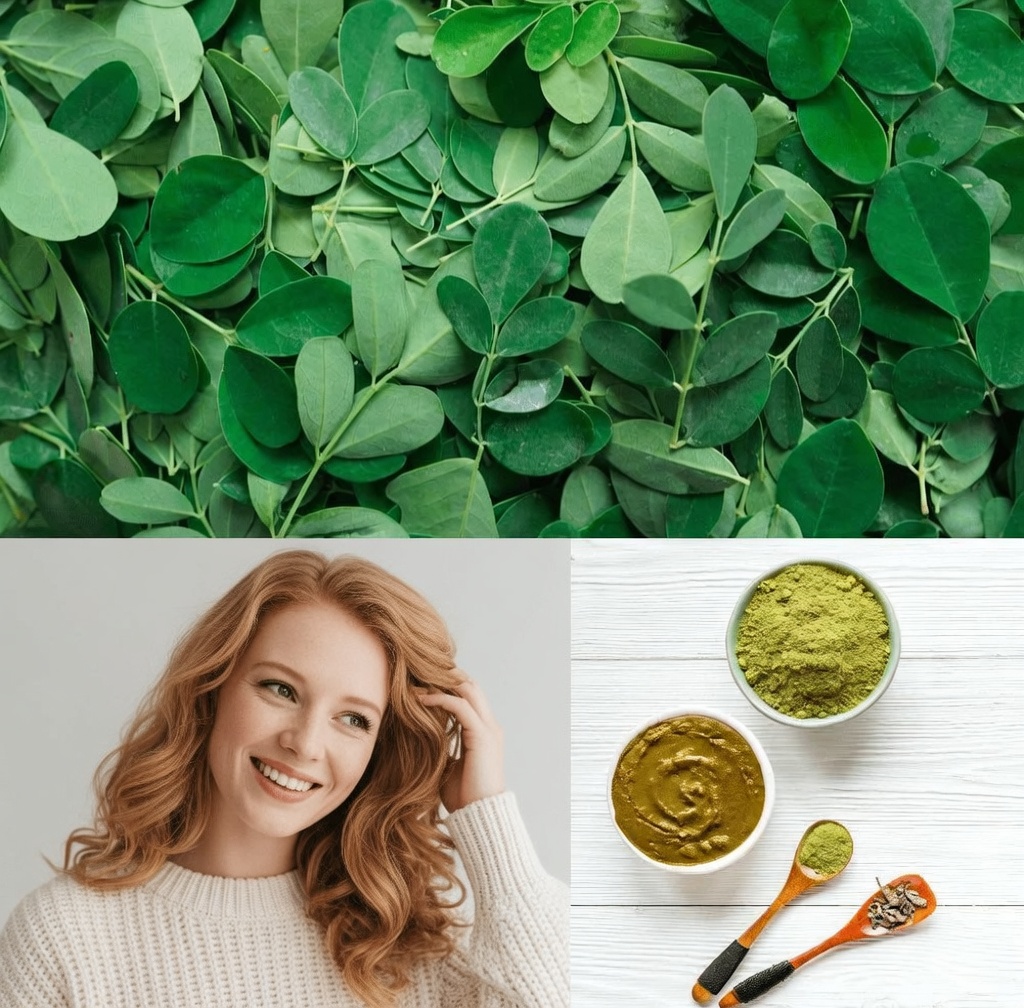
If your hair feels rough, brittle, or difficult to style, a moringa hair mask (using moringa powder or blended leaves) may be a practical option. Masks can coat the hair shaft, helping hair feel smoother and look more reflective.
Why a moringa mask can work well
This method gives your strands concentrated contact with moringa’s naturally occurring nutrients. Some research involving moringa extracts suggests potential benefits related to shedding and hair density (though results vary and more studies are needed). Many people use masks primarily for softness, manageability, and improved texture—especially when hair is dry or over-processed.
Simple DIY moringa hair mask recipe
You’ll need:
- 2 tablespoons moringa powder (or blended fresh leaves)
- 2 tablespoons yogurt or aloe vera (for a creamy base)
- 1 tablespoon olive oil or coconut oil (for extra moisture)
How to apply:
- Mix ingredients into a smooth paste.
- Apply to damp hair, starting at the roots and working through the lengths.
- Cover with a cap or towel.
- Leave on for 20–30 minutes.
- Rinse thoroughly, then shampoo if needed.
How often to use:
- Dry or damaged hair: 2 times/week
- Normal hair: 1 time/week
- Oily hair: 1 time/week, mainly on the ends
Custom option: Add a small amount of honey if your hair needs stronger conditioning and a softer finish.
3) Using Moringa Powder in Your Diet for Inner Support
Topical care helps, but hair quality also reflects what’s happening internally. Adding moringa powder to your diet may help provide nutrients that support overall wellness—especially when hair concerns are connected to dietary gaps.
How dietary moringa may contribute
Hair growth and strength are influenced by protein intake, minerals, and micronutrients. Moringa contains a mix of nutrients that may support healthy hair function indirectly, particularly for people who are not meeting needs for minerals such as iron and zinc through diet alone. This approach can complement external care rather than replace it.
Easy ways to take moringa powder
Start with ½ to 1 teaspoon daily, then adjust gradually.
- Blend into smoothies (fruit helps balance the taste)
- Stir into yogurt or oatmeal
- Mix into soups or warm drinks for a subtle boost
Practical tip: Pair moringa with vitamin C-rich foods (like citrus or berries) to support mineral absorption.
Extra Habits That Help Moringa Work Better
To maximize results, combine moringa with hair-friendly basics:
- Be gentle when detangling to reduce breakage
- Limit frequent high-heat styling and protect hair from strong sun exposure
- Wash regularly to keep the scalp clean and comfortable
- Prioritize balanced nutrition and hydration overall
Natural routines typically show gradual changes. Many people notice shifts in texture and manageability after 4–8 weeks of consistent care.
The simple tip that amplifies results: take monthly photos (same lighting, same angle). This makes subtle improvements easier to spot—and can keep motivation high when changes feel slow.
Summary: A Simple, Natural Way to Explore Moringa for Hair
Moringa can be incorporated in three straightforward ways: scalp massages with moringa oil, weekly moringa hair masks, and small daily amounts of moringa powder for nutritional support. With its nutrient-rich profile and growing research interest, moringa is a practical plant to consider if your goal is healthier-looking, more resilient hair over time.
Frequently Asked Questions
-
How long does moringa take to show results on hair?
It varies, but many people report noticeable improvements in feel and texture after 4–6 weeks of regular use, since hair changes follow natural growth cycles. -
Is moringa suitable for every hair type?
Generally yes. The key is adjusting the routine: oily scalps typically need less oil application, while dry hair often benefits from more conditioning. -
How do I choose quality moringa products?
Look for pure, organic moringa oil or powder from reputable brands, with clear sourcing and minimal additives.