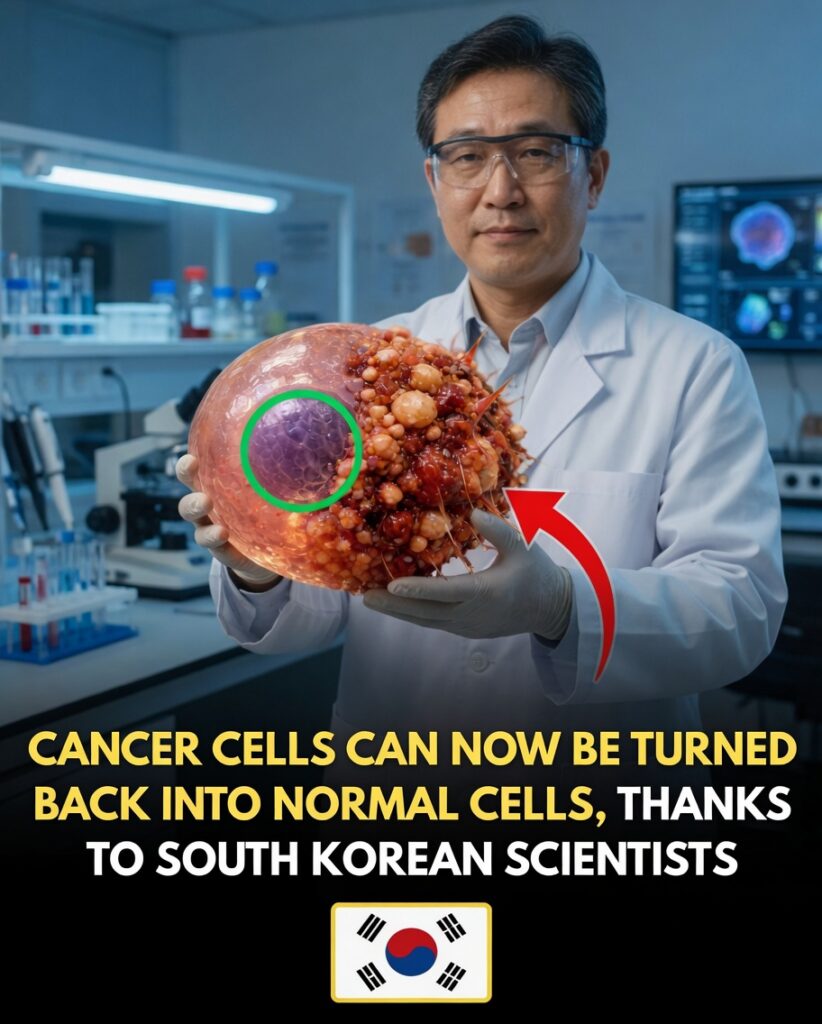
A New Way to Think About Cancer: What a Single Protein Might Reveal
Cancer impacts millions of people across the globe, bringing stress, uncertainty, and difficult decisions for patients and their families. Conventional treatment strategies can also feel intense—especially when side effects interfere with everyday life and overall well-being.
A growing body of research, including recent work from scientists in South Korea, suggests there may be another angle worth exploring: instead of seeing abnormal cells only as enemies to eliminate, what if some cellular behavior could be reset or redirected? One surprising detail involves a protein that may function like a control switch, potentially reshaping how researchers think about cellular change.
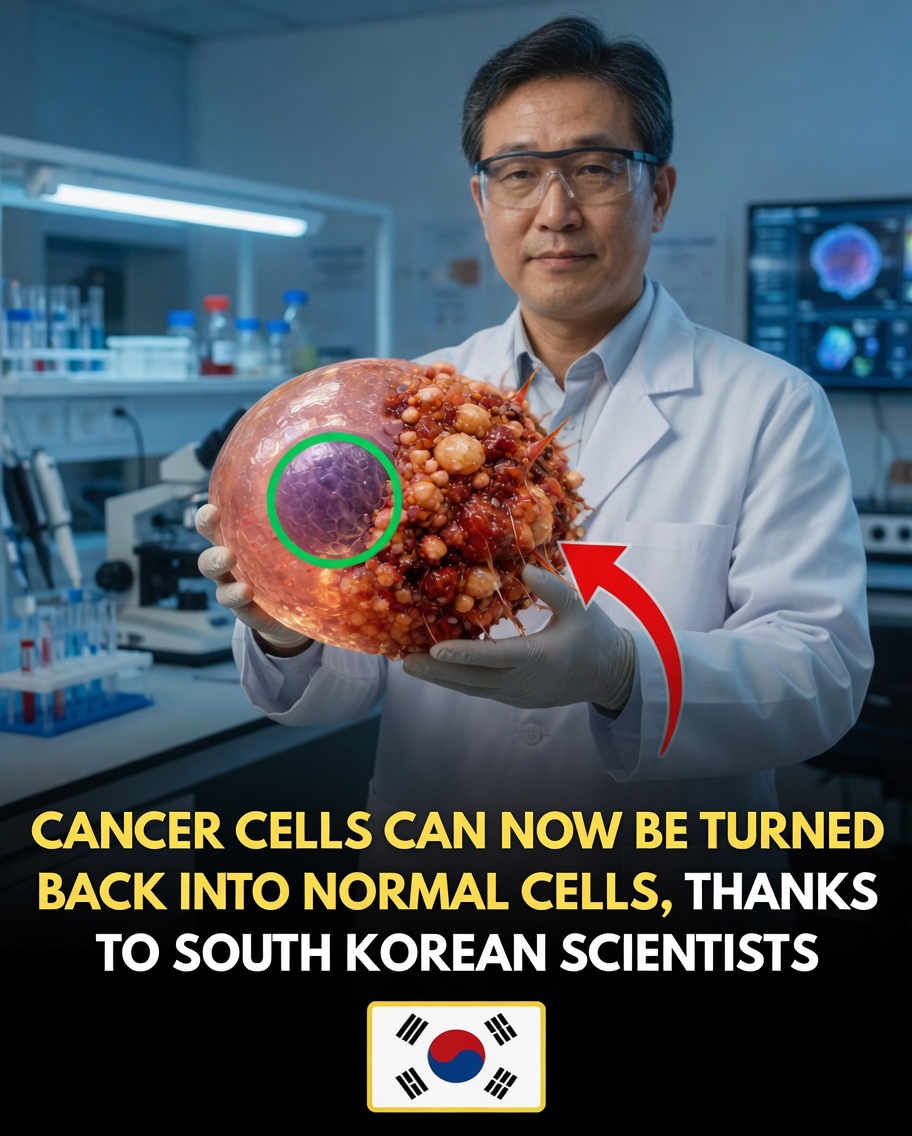
Cellular Behavior 101: When Cells Lose the “Original Instructions”
Your body is made of trillions of cells, each performing specialized tasks—much like tiny machines running a highly coordinated system. Problems arise when certain cells begin behaving outside the normal program, leading to abnormal growth patterns.
Researchers at the Korea Advanced Institute of Science and Technology (KAIST) have been investigating these changes at a deeper level. Their work explores a key idea: cellular “glitches” may not always be permanent damage. Instead, under some conditions, cells may drift away from their normal identity due to influences such as:
- Environmental stressors
- Genetic changes
- Disruptions in how genes are regulated
In published scientific research, this concept is often discussed in terms of cells losing their usual regulatory signals. KAIST researchers have focused on the role of specific proteins that help preserve—or distort—those signals, shifting the scientific conversation from pure confrontation to possible correction.
The Core Discovery: SETDB1 and the “Switch” That Shapes Cell Identity
To visualize the concept, imagine software stuck in a looping error. In a similar way, some cells can enter repeated cycles of division and stop following normal regulatory rules.
KAIST scientists identified a protein called SETDB1 that appears to influence this behavior—working like a switch that affects how cells interpret their genetic instructions. In laboratory studies using skin cells, the team observed that disabling SETDB1 helped cells recover aspects of their normal function.
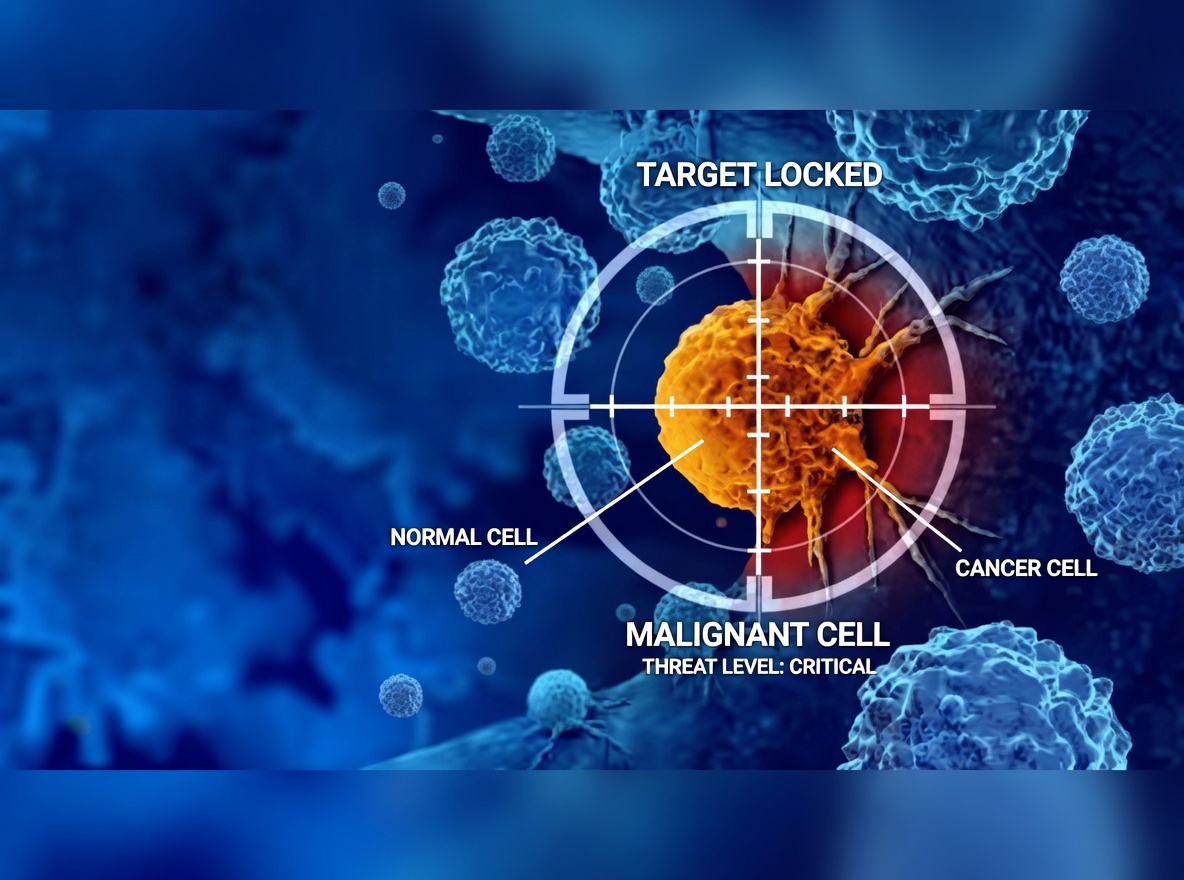
Reports associated with KAIST research (including coverage in high-impact scientific outlets such as Nature-branded journals) describe how SETDB1 is linked to gene expression control—the process that determines which genes are turned on or off.
Why epigenetics matters here
This research centers on epigenetic regulation, meaning changes in how genes are read without changing the underlying DNA sequence. In simple terms:
- The cell’s core genetic code remains the same
- But the “instructions” for using that code can shift
- Adjusting those instructions may guide cells back toward a healthier state
Early lab findings suggest this approach could reduce harm to surrounding healthy tissue compared with strategies that destroy cells indiscriminately. It’s still early-stage science, but it strengthens the emerging idea of cellular reprogramming as a research pathway.
Why This Could Influence Future Cancer Research
Standard cancer approaches often involve aggressive targeting of abnormal cells, which can also affect healthy tissue—one reason side effects occur. In contrast, the reprogramming concept treats some cellular dysfunction more like a reversible system error than irreversible collapse.
Although much more research is needed, scientists have explored related ideas in other areas, such as stem cell biology, where cells can be guided into different functional roles under specific conditions.
This KAIST work fits into a broader scientific movement toward:
- More personalized approaches
- Less invasive strategies
- Treatment concepts focused on restoration and regulation
Key potential benefits often discussed include:
- Gentler impact: Less disruption to overall bodily function could support better quality of life
- A new framework: Viewing some cellular problems as adjustable may open new research directions
- Broader relevance: Insights from reprogramming research may eventually influence multiple health conditions, not only cancer

Traditional vs. Reprogramming Approaches: A Simple Comparison
To clarify the shift in thinking, here is a straightforward side-by-side comparison:
-
How cells are handled
- Traditional: targets and removes affected cells
- Reprogramming concept: aims to adjust behavior and restore normal function
-
Potential impact on the body
- Traditional: higher risk of widespread side effects
- Reprogramming concept: designed to reduce damage to surrounding tissue
-
Underlying philosophy
- Traditional: assumes irreversible breakdown
- Reprogramming concept: treats dysfunction as a correctable regulatory error
-
Where the science stands
- Traditional: widely established in practice
- Reprogramming concept: early-stage research and lab exploration
These points reflect general trends in scientific literature and ongoing investigation, not finalized clinical outcomes.
Practical, Evidence-Based Habits to Support Overall Well-Being
Scientific advances are exciting, but daily lifestyle choices still play a major role in supporting long-term health. Based on widely accepted public health guidance, here are realistic steps you can start now:
-
Add antioxidant-rich foods
- Include berries, leafy greens, nuts, and colorful vegetables to support cellular health through nutrient intake.
-
Stay active with moderate movement
- Aim for about 30 minutes most days (walking, cycling, yoga). Organizations such as the WHO consistently highlight exercise as foundational for health.
-
Protect your sleep
- Maintain a consistent schedule and aim for 7–9 hours nightly. Sleep supports repair processes throughout the body.
-
Reduce chronic stress
- Use mindfulness, deep breathing, or short daily meditation. Long-term stress is associated with biological changes that can affect overall health.
-
Keep up with regular screenings
- Routine check-ups and recommended screening schedules help with early detection and proactive decision-making.
These actions are general wellness strategies and can complement professional medical care.
Real-World Meaning: What to Watch Next
The KAIST findings are compelling because they challenge long-standing assumptions and reinforce a central truth: medical science evolves by testing better questions, not only repeating older methods.
The most important takeaway is balance—this research is promising, but still developing. Following updates through credible scientific and medical sources will be essential as future studies confirm what is possible, in which cancers, and under what conditions.
In the meantime, prevention-focused habits and informed healthcare decisions remain the strongest foundation for most people.
Frequently Asked Questions
What does SETDB1 do in cell behavior?
SETDB1 functions as a regulator that influences how genes are expressed, playing a role in epigenetic control. Research suggests it can affect whether cells maintain normal identity or shift into altered states.
How is this different from standard cancer strategies?
Many conventional strategies focus on destroying problematic cells. This research direction explores whether some cells can be guided back toward healthier behavior through regulatory adjustment.
When could this lead to real-world treatments?
The work is still in the early research phase. Any clinical use would typically require years of validation, safety testing, and multi-stage trials.
Final Thoughts
Research from South Korean scientists at KAIST adds momentum to an emerging idea: some forms of cellular dysfunction may be influenced through reprogramming mechanisms, not only elimination. While the science is still developing, it offers a fresh lens on how future cancer research could evolve. Staying informed and investing in healthy daily habits remain practical steps you can take right now.
Disclaimer: This article is for informational purposes only and does not provide medical advice. Always consult a qualified healthcare professional for diagnosis, treatment decisions, or personalized guidance.