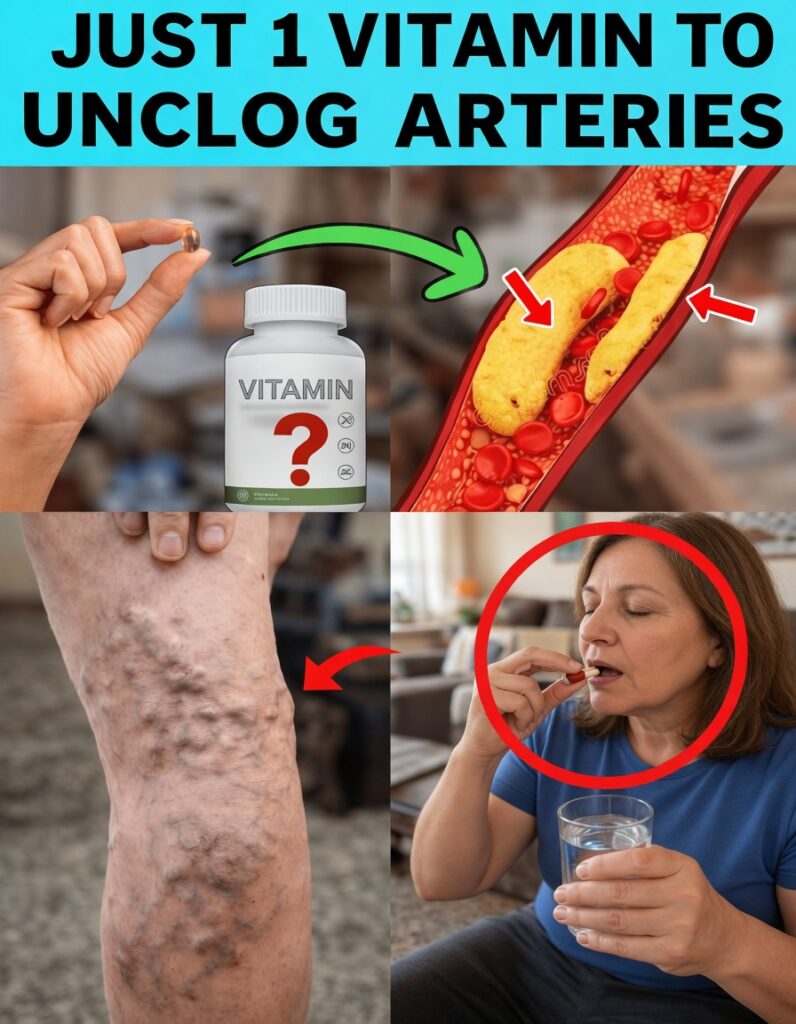
As we get older—especially after 50—small shifts in circulation can show up in surprising ways. You might notice new fatigue, shortness of breath, or slower recovery during simple activities like walking or climbing stairs. Often, this gradual change is linked to normal aging in the arteries, made worse by modern diets, stress, and lifestyle habits.
The encouraging part: growing research suggests that specific vitamins may help support vascular flexibility and overall cardiovascular health through practical, food-based adjustments. And at the end, you’ll find a standout vitamin duo that may strengthen these benefits more than either nutrient alone.
The Hidden Issue: Why Arteries Often Change After Age 50
Reaching 50 can bring noticeable differences in how your body handles daily movement and energy. Many people find they feel unusually tired after meals, winded on short walks, or less “springy” even when they stay reasonably active.
One reason is that arteries can gradually lose elasticity over time. When blood vessels stiffen, the body may have to work harder to push blood through, which can subtly affect oxygen delivery and overall stamina.
Scientific literature frequently points to inflammation and oxidative stress as contributors to arterial stiffness. Yet many mainstream strategies focus on surface-level fixes and overlook supportive nutrients that may help address these drivers from a broader, foundational angle.
That’s where vitamins enter the conversation—not as “basic supplements,” but as targeted nutrients that may support vascular function in multiple ways.
7 Vitamins Research Links to Vascular Support
Below are seven vitamins that studies associate with healthier circulation, improved vessel function, or related markers of cardiovascular wellness.
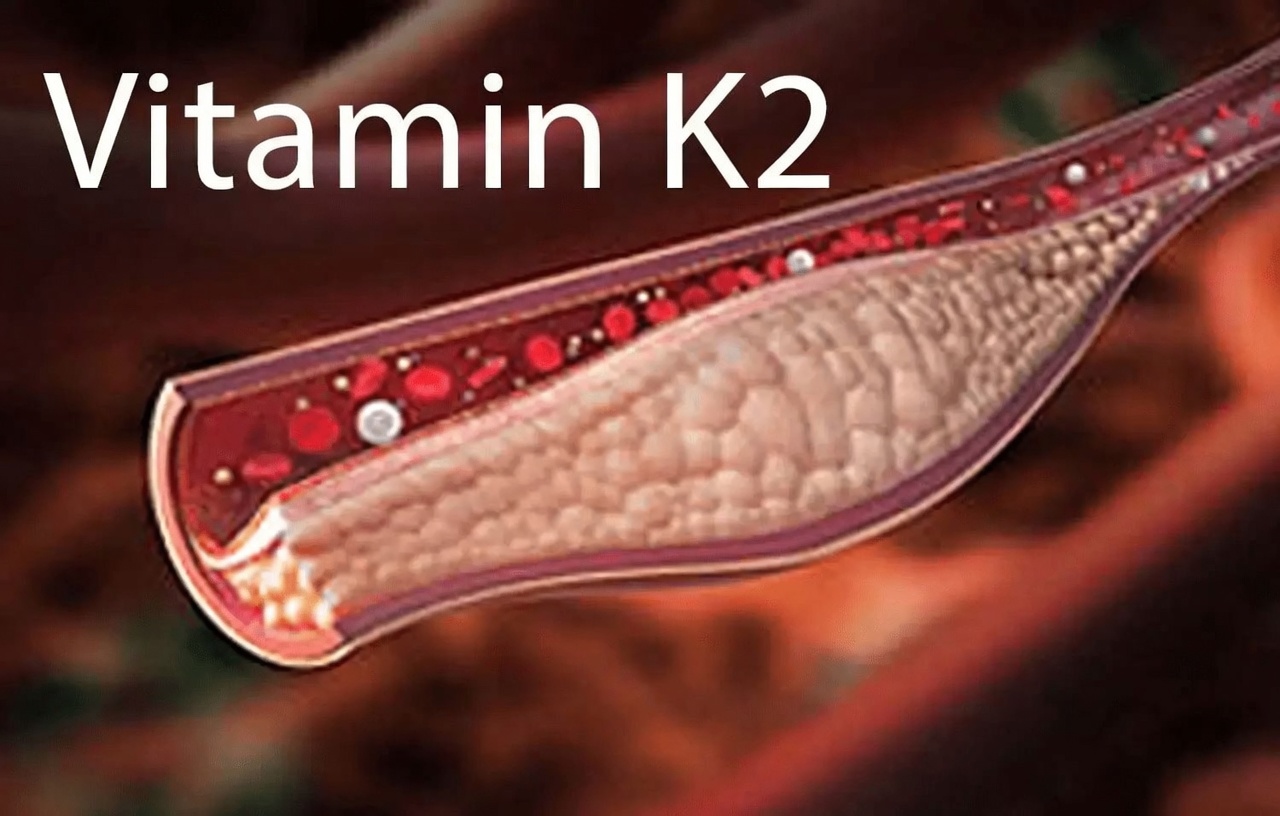
1) Vitamin K2 — Helping Keep Calcium in the Right Place
One common concern with aging arteries is calcification, where calcium deposits can build up in vessel walls and reduce flexibility. Research suggests vitamin K2 may help by supporting proteins that guide calcium toward bones rather than soft tissues.
- Why it matters: Better calcium management may help maintain more supple arteries.
- Where to find it: Natto (fermented soybeans), certain cheeses, fermented foods.
Some people report feeling more comfortable on walks after increasing K2-rich foods—especially when combined with another key vitamin mentioned later.
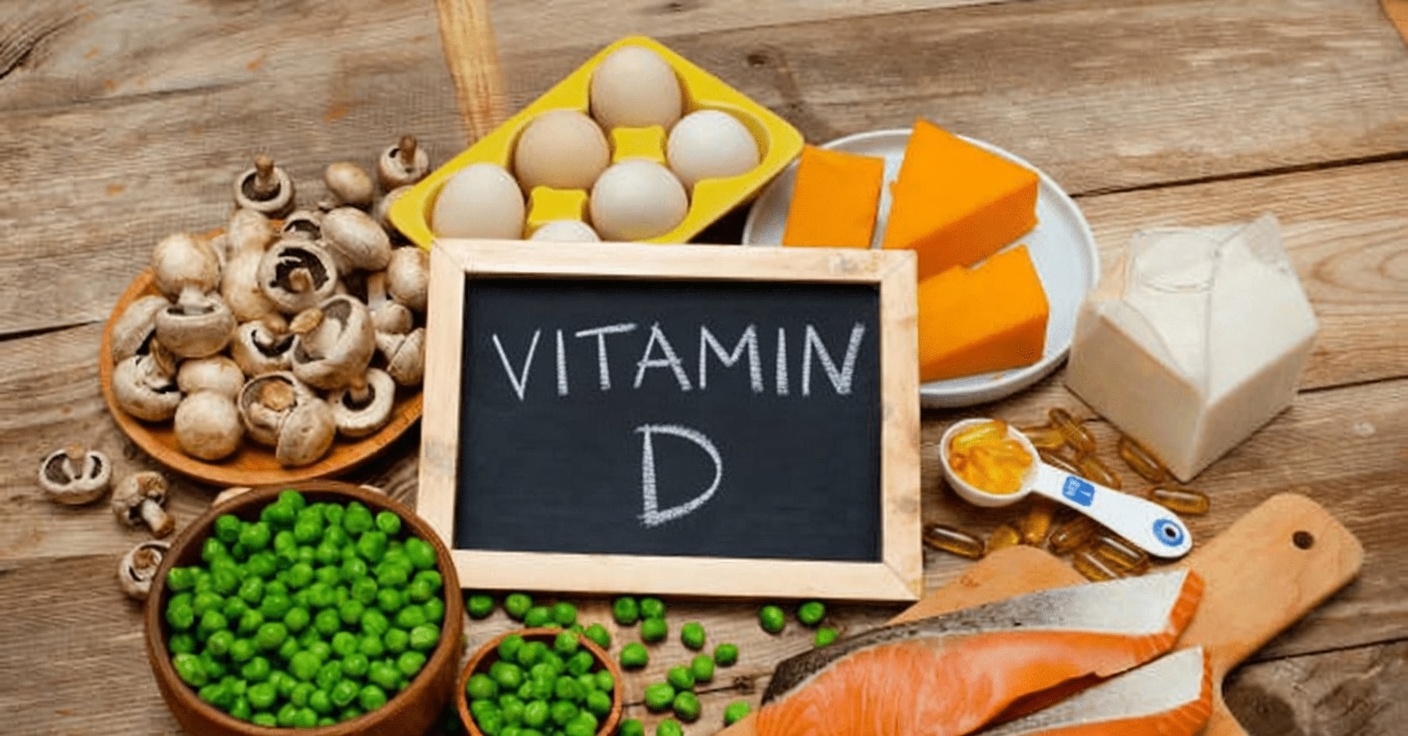
2) Vitamin D — Supporting Immune Balance and Inflammation Control
Low vitamin D status is common, particularly in adults who spend less time outdoors. Studies have linked inadequate vitamin D levels with inflammatory processes involved in vascular health, and maintaining sufficient levels may support healthier vessel function.
- Why it matters: Vitamin D helps regulate immune responses that influence inflammation.
- Where to find it: Sunlight exposure, fatty fish, fortified foods.
Important note: vitamin D is often discussed alongside vitamin K2 due to their complementary roles.
3) Vitamin C — Supporting the Vessel Lining and Collagen
Vitamin C is widely known for immune support, but it also plays a central role in collagen production, which helps maintain the structure of blood vessels. Its antioxidant properties may also support normal endothelial (vessel lining) function.
- Why it matters: Antioxidant protection plus collagen support may promote healthier blood flow.
- Where to find it: Citrus fruits, bell peppers, strawberries, broccoli.
If fruit and vegetable intake has slipped over the years, vitamin C is one of the simplest areas to improve through diet.
4) Vitamin E — Protecting Against Oxidative Damage to Fats
Oxidized LDL (“oxidized cholesterol”) is often discussed in relation to plaque formation and vascular strain. Vitamin E functions as an antioxidant that may help protect lipids and cell membranes from oxidative damage.
- Why it matters: Supporting oxidative balance may help preserve arterial elasticity.
- Where to find it: Almonds, sunflower seeds, hazelnuts, wheat germ.
Vitamin E also works in tandem with vitamin C, which can help “recycle” vitamin E after it neutralizes free radicals.
5) Vitamin B3 (Niacin) — Supporting Cholesterol Balance
Niacin has been studied for its effects on lipid profiles, including roles in managing cholesterol-related markers. While research continues to evolve, moderate dietary intake remains a practical approach.
- Why it matters: May support healthier lipid metabolism and circulation-related markers.
- Where to find it: Poultry, mushrooms, peanuts, tuna.
Because high-dose niacin can cause side effects and may not be appropriate for everyone, it’s wise to focus on food sources unless guided by a clinician.
6) Vitamin B6 — Helping Manage Homocysteine
Homocysteine is a compound linked in research to vascular stress when levels are elevated. Vitamin B6 supports metabolic pathways that help process homocysteine, often alongside folate and B12.
- Why it matters: Supporting normal homocysteine metabolism may benefit vascular integrity.
- Where to find it: Bananas, fish, potatoes, chickpeas.
7) Vitamin B12 — Supporting Red Blood Cells and Oxygen Delivery
Vitamin B12 is essential for red blood cell formation, which influences oxygen transport throughout the body. Low B12 can contribute to fatigue and reduced stamina, and deficiency risk is higher in older adults and those eating fully plant-based diets.
- Why it matters: Better red blood cell support can improve oxygen delivery and energy.
- Where to find it: Meat, fish, eggs, dairy, fortified foods (or supplements for those who need them).
The “Game-Changer” Pairing: Vitamin D + Vitamin K2
Here’s the powerful synergy: Vitamin D helps the body absorb calcium, while vitamin K2 helps direct calcium where it’s needed (like bones) and away from areas where it may be less desirable (like arteries).
This pairing is often highlighted as a more complete approach to calcium management—one reason many people find the combination especially compelling for long-term vascular and bone support.
Quick Reference Table: Vitamins, Roles, Food Sources, and General Targets
-
Vitamin K2
- Potential role in research: Calcium direction and vessel flexibility support
- Top foods: Natto, fermented foods, some dairy
- General guideline: 90–120 mcg/day
-
Vitamin D
- Potential role in research: Inflammation and immune balance support
- Top sources: Sunlight, fatty fish, fortified foods
- General guideline: 600–800 IU/day
-
Vitamin C
- Potential role in research: Antioxidant support and collagen/vessel lining support
- Top foods: Citrus, peppers, berries
- General guideline: 75–90 mg/day
-
Vitamin E
- Potential role in research: Antioxidant protection (lipids/cell membranes)
- Top foods: Nuts, seeds
- General guideline: 15 mg/day
-
Vitamin B3 (Niacin)
- Potential role in research: Lipid metabolism support
- Top foods: Poultry, peanuts, mushrooms
- General guideline: 14–16 mg/day
-
Vitamin B6
- Potential role in research: Homocysteine metabolism support
- Top foods: Bananas, fish, chickpeas
- General guideline: 1.3–1.7 mg/day
-
Vitamin B12
- Potential role in research: Red blood cell production and oxygen transport support
- Top sources: Animal foods, fortified foods
- General guideline: 2.4 mcg/day
Practical Plan: How to Add These Vitamins Without Overhauling Your Life
Use this four-week structure to build momentum without feeling overwhelmed.
-
Week 1: Prioritize D + K2
- Add fermented foods or K2-rich dairy
- Take a 15-minute morning walk for sunlight exposure
-
Week 2: Increase C + E
- Include a vitamin C-rich fruit or vegetable daily
- Add a handful of nuts or seeds most days
-
Week 3: Strengthen your B-vitamin base
- Rotate foods like poultry, fish, mushrooms, bananas
- Use fortified foods if you eat mostly plant-based
-
Week 4: Combine smart pairings
- Example: fatty fish (D) with cheese or fermented foods (K2)
- Keep vitamin C foods in the mix for antioxidant support
Track your weekly energy and walking comfort on a 1–10 scale. Small changes often become noticeable when they’re consistent.
Bonus Habit: Morning Sun Walks for a Gentle Circulation Boost
A simple, underused tactic is a short walk in morning light. Many people find it supports energy, mood, and circulation—while also helping maintain vitamin D levels.
- Aim for 15–20 minutes in the morning when possible
- Walk at a comfortable brisk pace
- Pair with a vitamin C-rich snack (like citrus) to support antioxidant intake
Moving Forward: A Sustainable Strategy for Vascular Wellness
These seven vitamins have research-backed connections to vascular support—particularly through inflammation control, oxidative balance, and improved vessel function. Among them, vitamin D + K2 stands out as a high-impact combination due to their complementary roles in calcium handling.
The most meaningful results typically come from steady habits: nutrient-dense meals, consistent walking, and routine check-ins on how you feel. Start with one change today—then build from there.
FAQ
What are common signs of reduced circulation?
Many people notice fatigue, shortness of breath during walks, cold extremities, or sluggishness after meals. Because symptoms can overlap with other conditions, it’s best to speak with a healthcare professional for proper evaluation.
Can vitamins interact with medications?
Yes. Some vitamins—especially vitamin K—may affect medications such as blood thinners, and other nutrients can interact with prescription therapies. Always consult your clinician before making significant changes.
How can I tell if I’m deficient?
The most reliable approach is blood testing, guided by a healthcare professional. Persistent tiredness, low stamina, or dietary restrictions can be reasons to ask about testing.
Medical disclaimer: This article is for educational purposes only and is not a substitute for professional medical advice. Always consult a qualified healthcare provider for individualized guidance.