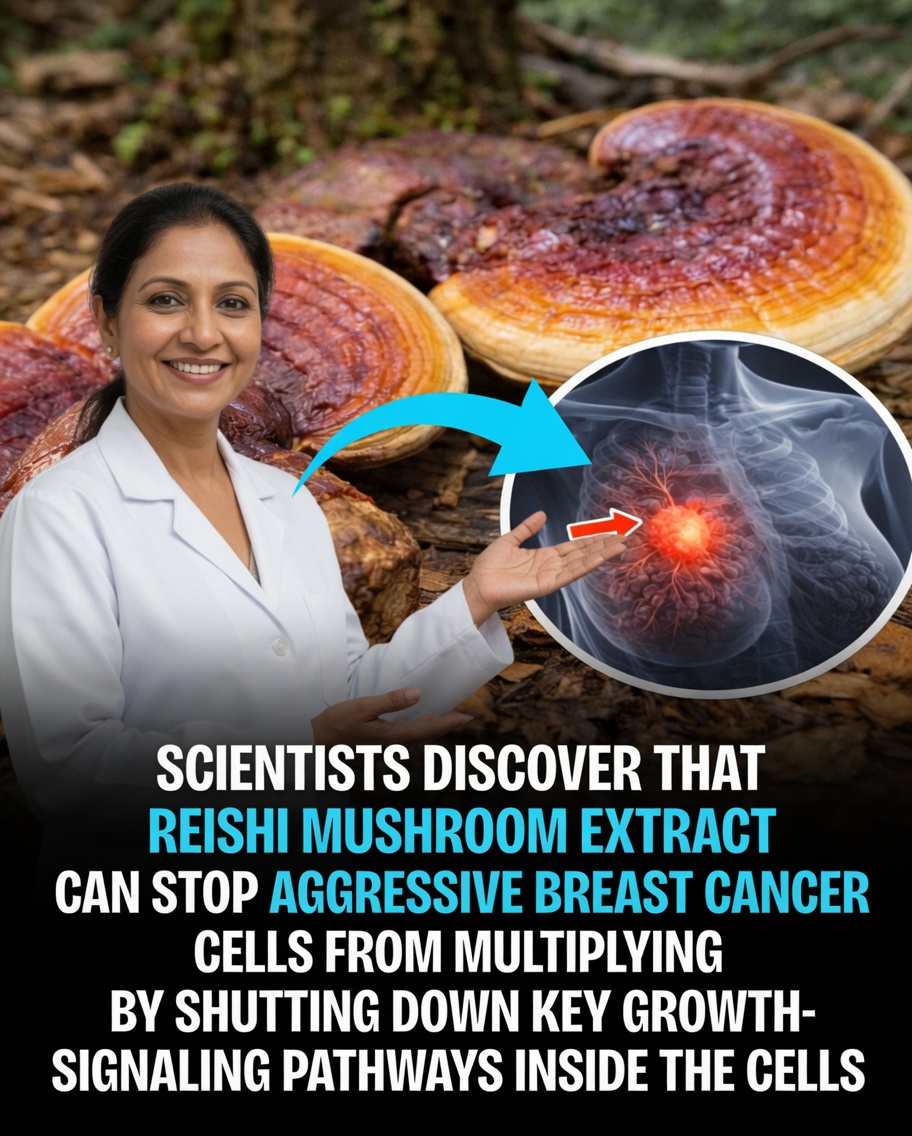
Living with uncertainty around breast health can be emotionally exhausting—especially when concerns about aggressive cellular changes start affecting everyday life, focus, and peace of mind. As interest grows in evidence-informed natural approaches, many people are looking for supportive options that align with healthy routines. One traditional remedy now attracting modern scientific attention is Reishi mushroom, a centuries-old fungus being studied for how it may influence cellular activity.
What Is Reishi Mushroom, and Why Is It Trending?
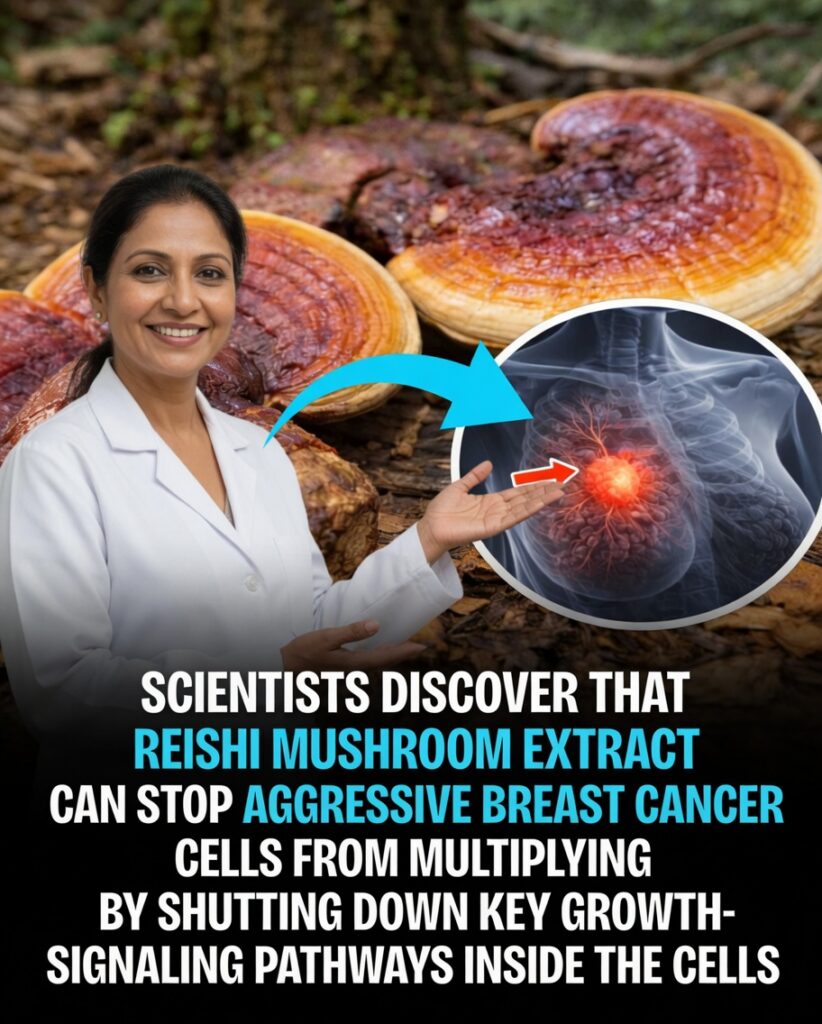
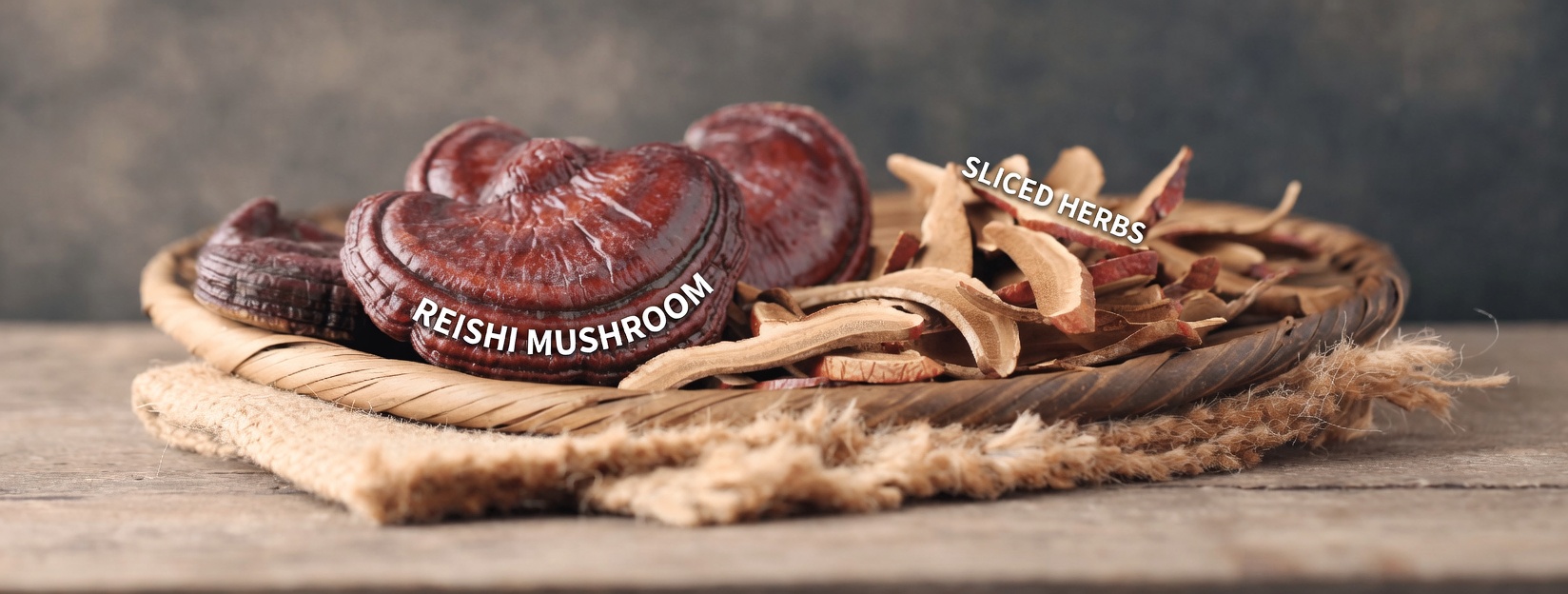
Reishi mushroom (Ganoderma lucidum) has a long history in traditional wellness practices and is sometimes referred to as the “mushroom of immortality.” Recognizable by its glossy, reddish-brown surface, Reishi typically grows on decaying hardwood and has been valued for its potential health-supporting properties.
What’s driving current interest is its complex natural makeup—especially triterpenes and polysaccharides—compounds researchers are investigating for a wide range of biological effects. Notably, a study in the journal Nutrition and Cancer explored how Reishi extract interacts with certain breast cell types, offering a closer look at how natural substances might support cellular balance in controlled settings.
How Researchers Study Reishi’s Influence on Cell Growth
Scientists have examined Reishi extract in laboratory experiments using an aggressive breast cancer cell line known as MDA-MB-231, which is widely used in research due to its rapid growth and invasive behavior.
In these in vitro tests, Reishi extract appeared to affect internal cell signaling—particularly pathways associated with survival and proliferation. Two key signaling systems studied were:
- Akt, often involved in promoting cell survival
- NF-kappaB, linked to inflammatory signaling and cellular responses
By altering these pathways, Reishi extract seemed to encourage cells to pause early in the cell cycle, specifically during the G0/G1 phase, a stage before rapid replication occurs. Researchers also observed reduced levels of proteins involved in cell division, including cyclin D1 and cdk4.
Key Findings from the Nutrition and Cancer Study (In Vitro)
Here’s a clearer breakdown of the main observations reported in the lab study:
- Signal interference (Akt): Reishi extract reduced Akt-related activity, which may decrease signals that help cells persist and multiply.
- Reduced NF-kappaB activity: The extract appeared to dampen NF-kappaB function, potentially influencing broader cellular behavior.
- Cell cycle “arrest” in G0/G1: Cells were more likely to remain in the early cell-cycle stage, slowing progression into phases associated with faster division.
- Lower cyclin D1 and cdk4 levels: These growth-related proteins decreased, suggesting a possible mechanism for reduced proliferation in the test environment.
These results are from controlled laboratory experiments, not human trials. While the findings are promising, they underscore the need for additional research to understand how (or whether) similar effects could occur in real-world use.
How Reishi Might Fit into a Wellness Routine (Supportive Use Only)
Interest in Reishi has grown partly because many people want natural products that can complement a broader wellness strategy. Reishi is not a standalone solution and should never be viewed as a treatment substitute—but some individuals choose to incorporate it into daily routines as part of a more holistic lifestyle.
Common forms include:
- Tea
- Capsules
- Powder
- Standardized extracts
Because supplement needs vary by person—especially for anyone with health conditions or ongoing treatments—professional guidance is essential.
Practical Tips to Use Reishi More Safely
If you’re considering Reishi, these steps can help you approach it thoughtfully (and more safely), while keeping decisions evidence-based:
- Learn from credible sources: Prioritize respected references and published research over marketing claims.
- Select high-quality products: Choose organic options when possible and look for third-party testing to verify purity.
- Start low and go slowly: Some people begin with small amounts (for example, 1–2 grams daily as tea) and observe how they feel.
- Pair with core health habits: Supplements work best as additions—not replacements—for a balanced diet, movement, and sleep.
- Track changes: Keep notes on energy, digestion, mood, or sleep patterns to review with a healthcare professional.
Reishi vs. Other Popular Medicinal Mushrooms
Different medicinal mushrooms have distinct compounds and research areas. Here’s a simplified comparison:
| Mushroom | Key Compounds | Traditional Uses | Research Focus |
|---|---|---|---|
| Reishi (Ganoderma lucidum) | Triterpenes, Polysaccharides | Immune support, stress support | Cell signaling research, antioxidant activity |
| Lion’s Mane | Hericenones, Erinacines | Cognitive wellness | Nerve growth, cognitive support |
| Chaga | Betulinic acid | Antioxidant support | Immune support, inflammation research |
| Turkey Tail | Polysaccharopeptides | Gut and immune support | Immune modulation in studies |
Reishi stands out in part because of how often it appears in research related to cell signaling pathways.
Common Concerns About Reishi and Natural Supplements
Safety is one of the biggest questions. Reishi is often considered well-tolerated, but it may not be appropriate for everyone.
Key considerations include:
- Medication interactions: Reishi may interact with drugs such as blood thinners.
- Allergies: Anyone with mushroom allergies should avoid it.
- Individual sensitivity: Some people report mild effects like digestive upset or dry mouth.
The most important rule is simple: rely on medical guidance and evidence-based information, especially when breast health concerns are involved.
The Bigger Picture: Supporting Breast Health
Breast health support goes far beyond any single supplement. A well-rounded approach typically includes:
- Regular medical check-ups and recommended screenings
- A lifestyle that supports overall health (nutrition, sleep, activity)
- Staying informed about emerging research and discussing it with qualified professionals
Natural compounds may play a supportive role in cellular balance, but they represent only one part of a much larger health landscape. What’s especially notable is how Reishi’s traditional use is now being examined through modern scientific methods, creating new avenues for research and discussion.
Conclusion: What Reishi Research Suggests So Far
Laboratory research on Reishi mushroom suggests it may influence cell growth-related pathways in aggressive breast cancer cell models by affecting mechanisms such as Akt, NF-kappaB, cell-cycle progression, and proteins like cyclin D1 and cdk4. However, these findings come from in vitro studies, and more human-focused research is needed before drawing real-world conclusions.
Staying informed, asking good questions, and seeking professional advice remain the smartest ways to make health decisions with confidence.
Frequently Asked Questions (FAQ)
What is Reishi mushroom, and how do people use it?
Reishi (Ganoderma lucidum) is a medicinal mushroom commonly used as tea, capsules, powders, or extracts. Traditionally, it has been used for immune and stress support, and it is now being explored in modern research for additional wellness-related effects.
Can Reishi mushroom support breast health?
A study published in Nutrition and Cancer found that Reishi extract influenced cell-growth pathways in laboratory settings, including Akt and NF-kappaB signaling. This does not mean Reishi treats or prevents disease, and human studies are needed to clarify real-world relevance.
Does Reishi have side effects?
Some individuals may experience mild issues such as digestive discomfort or dry mouth. It may also interact with medications (including blood thinners). Consult a healthcare professional if you are pregnant, nursing, managing a condition, or taking medication.
Disclaimer
This article is for informational purposes only and does not provide medical advice. Always consult a qualified healthcare professional before starting any supplement or changing your health routine. This content is not intended to diagnose, treat, cure, or prevent any disease.