
Finding Natural Relief for Muscle and Joint Discomfort
Living with persistent muscle soreness or aching joints can make everyday activities feel exhausting. When discomfort lingers, it often affects mobility, sleep quality, and even your mood—making it harder to enjoy daily life.
One gentle, plant-based option worth exploring is rosemary. Best known as a kitchen staple, this aromatic Mediterranean herb has a long history in traditional wellness practices and may support comfort and relaxation in surprising ways.

Why Rosemary Is Often Used for Comfort Support
Rosemary (Salvia rosmarinus) is native to the Mediterranean region and valued for far more than its flavor. Its leaves contain natural compounds—such as rosmarinic acid and carnosic acid—that researchers have studied for how they may support the body during periods of strain.
Rosemary is also rich in essential oils and antioxidant components, which may help protect cells from oxidative stress. This antioxidant activity is one reason rosemary continues to attract attention in both traditional and modern wellness circles.
Key Rosemary Compounds and What They May Do
Rosemary contains several bioactive substances that shape its wellness profile:
- Rosmarinic acid: Studied for its potential role in supporting the body’s response to everyday stressors and maintaining comfort.
- Carnosic acid: Often discussed in research for its antioxidant and protective qualities.
- Flavonoids and aromatic essential oils: May contribute to relaxation and overall support.
Early research suggests these compounds could influence pathways related to comfort and recovery, although ongoing studies are still clarifying the full picture.

How Rosemary May Help with Muscle Comfort
Muscle tightness after exercise, long hours on your feet, or repetitive tasks can feel never-ending. In herbal traditions, topical rosemary applications are commonly used to ease tension.
Some research indicates that diluted rosemary essential oil, when massaged into the skin, may encourage circulation in the targeted area—potentially helping reduce stiffness. In certain studies, participants reported improved comfort after using rosemary-based blends.
For many people, pairing rosemary oil with a gentle massage technique may further support blood flow and post-activity recovery, making it a practical addition to a simple self-care routine.
Rosemary for Joint Support and Mobility
Joint discomfort is often linked to daily wear, overuse, or inflammation-related responses that limit movement. Rosemary’s active compounds have been investigated for how they may affect these concerns.
In reviews and trials—including those involving people with arthritis-related symptoms—rosemary essential oil has been associated with changes in reported stiffness when used consistently. In at least one controlled study, participants who received knee massage using rosemary oil experienced measurable differences in comfort compared with control groups.
Traditional practitioners have also used rosemary as part of broader rheumatic-support routines, typically alongside other lifestyle measures.
Rosemary and Rheumatic Discomfort: Traditional Uses and Modern Interest
Rheumatic discomfort often involves long-term stiffness and reduced flexibility. Historically, rosemary has been used in herbal teas, compresses, and warm baths for this kind of ongoing unease.
While it should not be viewed as a stand-alone treatment, research exploring rosemary’s inflammation-modulating potential suggests it may offer gentle support when used appropriately. Many people find that adding rosemary to daily rituals (like an infusion or soak) complements other wellness strategies.
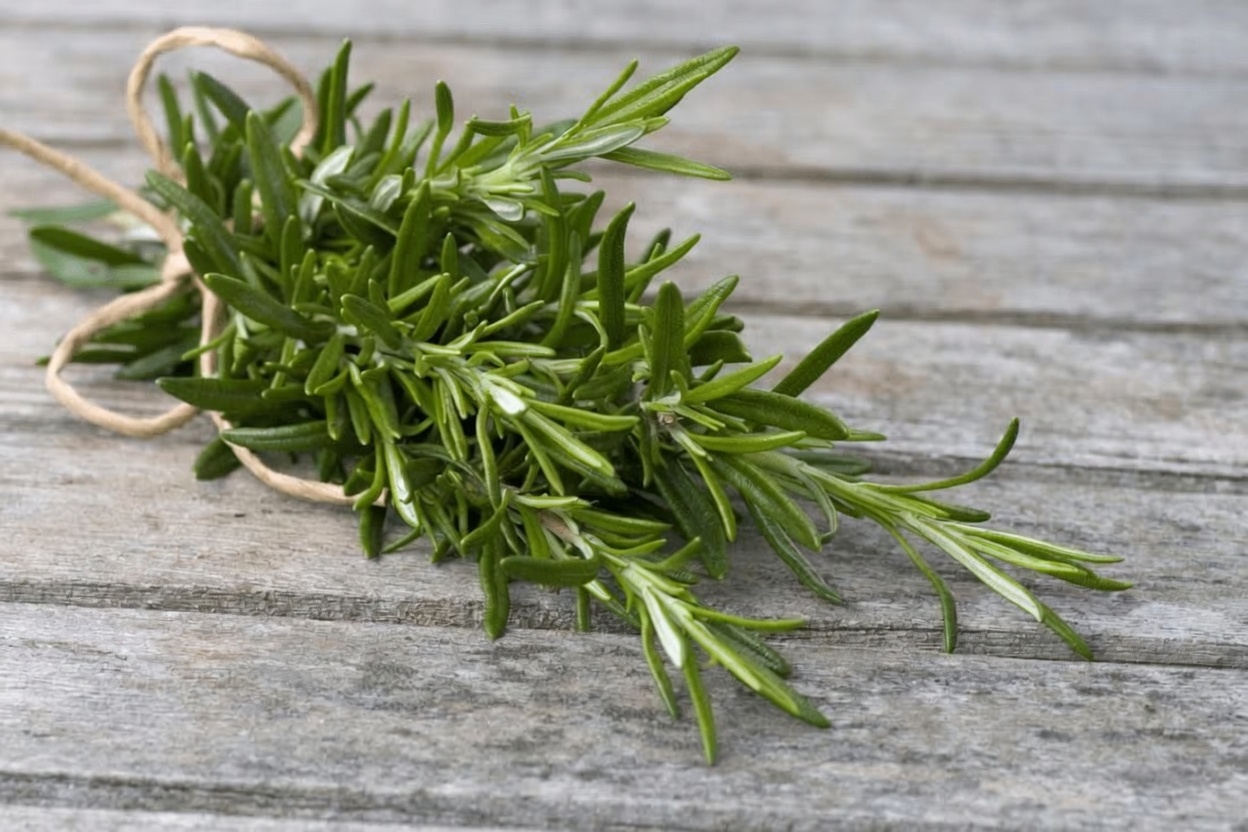
Practical Ways to Use Rosemary at Home
Below are simple, realistic ways to incorporate rosemary into your routine while keeping safety in mind.
Topical Rosemary Oil (Step-by-Step)
- Select a high-quality rosemary essential oil from a trusted brand.
- Dilute 2–3 drops of essential oil into 1 tablespoon of a carrier oil (such as coconut or jojoba).
- Do a patch test on a small area of skin and wait 24 hours to check for irritation.
- Massage the diluted blend into the area for 5–10 minutes, using slow circular motions.
- Repeat up to twice daily, and avoid applying to broken or irritated skin.
This method reflects common traditional use and is intended for localized muscle or joint comfort.
Rosemary Tea for Daily Relaxation
A warm herbal tea can be a calming routine:
- Bring 1 cup of water to a boil.
- Add 1 teaspoon of dried rosemary leaves.
- Steep for 5–10 minutes, then strain.
- Drink slowly, up to twice per day.
Some studies suggest rosemary may support relaxation and provide antioxidant benefits, which can help you feel more balanced overall.
Rosemary Bath Soak (Whole-Body Support)
For a more full-body approach:
- Fill your tub with comfortably warm water.
- Add either:
- 5–10 drops of rosemary oil, pre-diluted in a carrier oil, or
- A generous handful of fresh rosemary sprigs.
- Soak for 15–20 minutes, focusing on slow breathing.
- Pat dry and rest afterward.
Warm rosemary baths have been used in wellness traditions for generations to help reduce tension and promote ease.
Rosemary Delivery Methods: A Quick Comparison
- Topical oil: Targeted support for muscles and joints; always dilute and patch test.
- Herbal tea: Simple and accessible; limit to about 2 cups daily.
- Bath infusion: Relaxing and soothing for the whole body; avoid if you have highly sensitive skin.
Extra Benefits Rosemary May Offer
Rosemary is not only associated with comfort support. It may also provide additional wellness perks:
- Supports circulation when used topically, which may create a warming sensation.
- Antioxidant protection, helping the body manage everyday oxidative strain.
- Aromatherapy benefits, often linked to calm focus and improved mood.
For a sustainable option, consider growing rosemary at home for fresh, eco-friendly access.
Safety Notes to Consider
Rosemary is generally well tolerated, but smart use matters:
- Do not ingest concentrated essential oil, as it can be too potent.
- Always dilute essential oils before applying to skin.
- If you are pregnant, have ongoing health conditions, or take medications, consult a qualified healthcare professional before starting a new herbal routine.
- Discontinue use if irritation or unusual symptoms occur.
Conclusion: Rosemary as a Gentle, Natural Support Option
Rosemary stands out as a versatile herb with both traditional credibility and emerging research interest for muscle comfort, joint support, and relaxation. Whether used as a tea, diluted topical oil, or bath soak, it can fit easily into daily routines for people seeking plant-based wellness options.
A simple add-on many people overlook: try combining rosemary use with light stretching, which may further support relaxation and mobility through a holistic approach.
Frequently Asked Questions
Can rosemary be used daily for joint support?
Often yes, when used moderately—such as tea (up to two cups daily) or properly diluted topical oil. Pay attention to how your body responds, and seek professional guidance if needed.
Is rosemary suitable for all skin types?
Many people tolerate it well when diluted, but sensitive skin should patch test first. Avoid use if you have known allergies, including sensitivities common to plants in the mint-related family.
How does rosemary compare with herbs like lavender or peppermint for muscle relief?
Rosemary shares some common uses with lavender and peppermint, but its profile is distinct due to compounds like rosmarinic acid and carnosic acid, which are frequently highlighted in research for specific support roles.
This article is for educational purposes only and does not provide medical advice. Always consult a qualified healthcare provider before starting any new herbal regimen, especially if you have medical conditions or take medications.