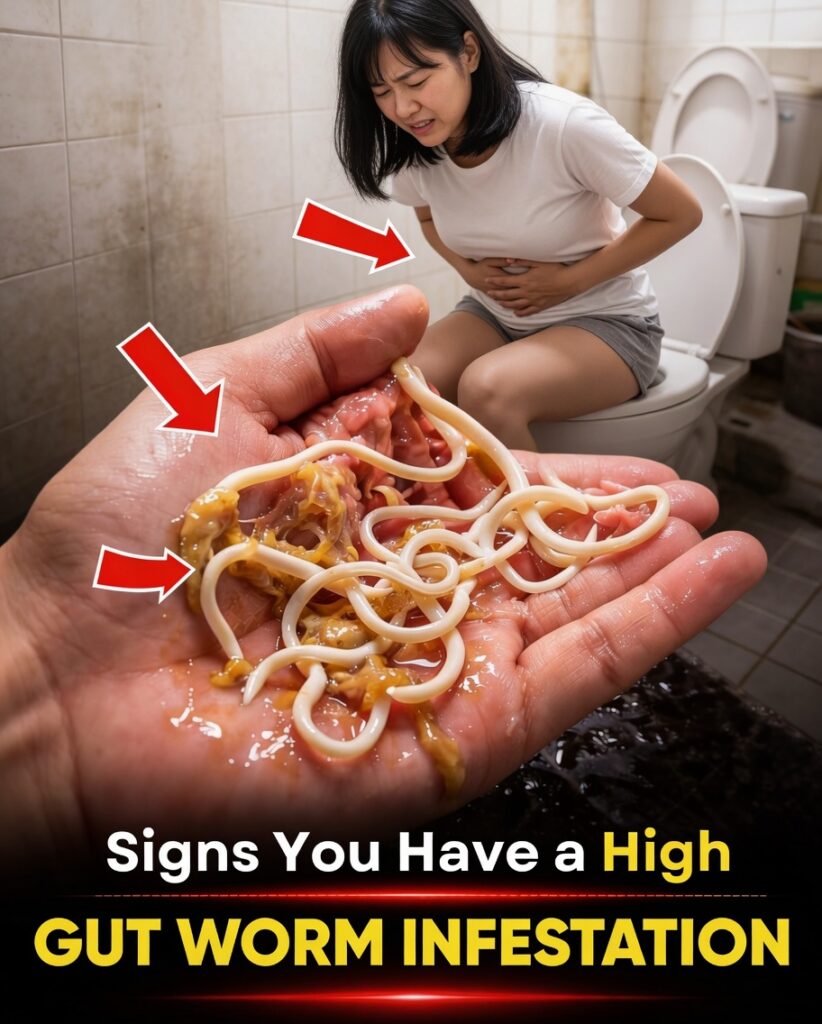
Persistent Bloating, Fatigue, and Stomach Discomfort: Could Gut Worms Be the Hidden Cause?
If you’ve been living with ongoing bloating, unexplained tiredness, or a stubborn “off” feeling in your stomach, it’s easy to blame stress or diet. However, these symptoms can also be quiet warning signs that your digestive system is dealing with intestinal parasites—often referred to as gut worms. These organisms can interfere with nutrient absorption and irritate the intestinal lining, which may gradually affect your energy, mood, and overall health.
The challenge is that parasite infections can remain subtle for a long time. Symptoms may build slowly, so many people don’t connect the dots until the problem becomes harder to ignore.
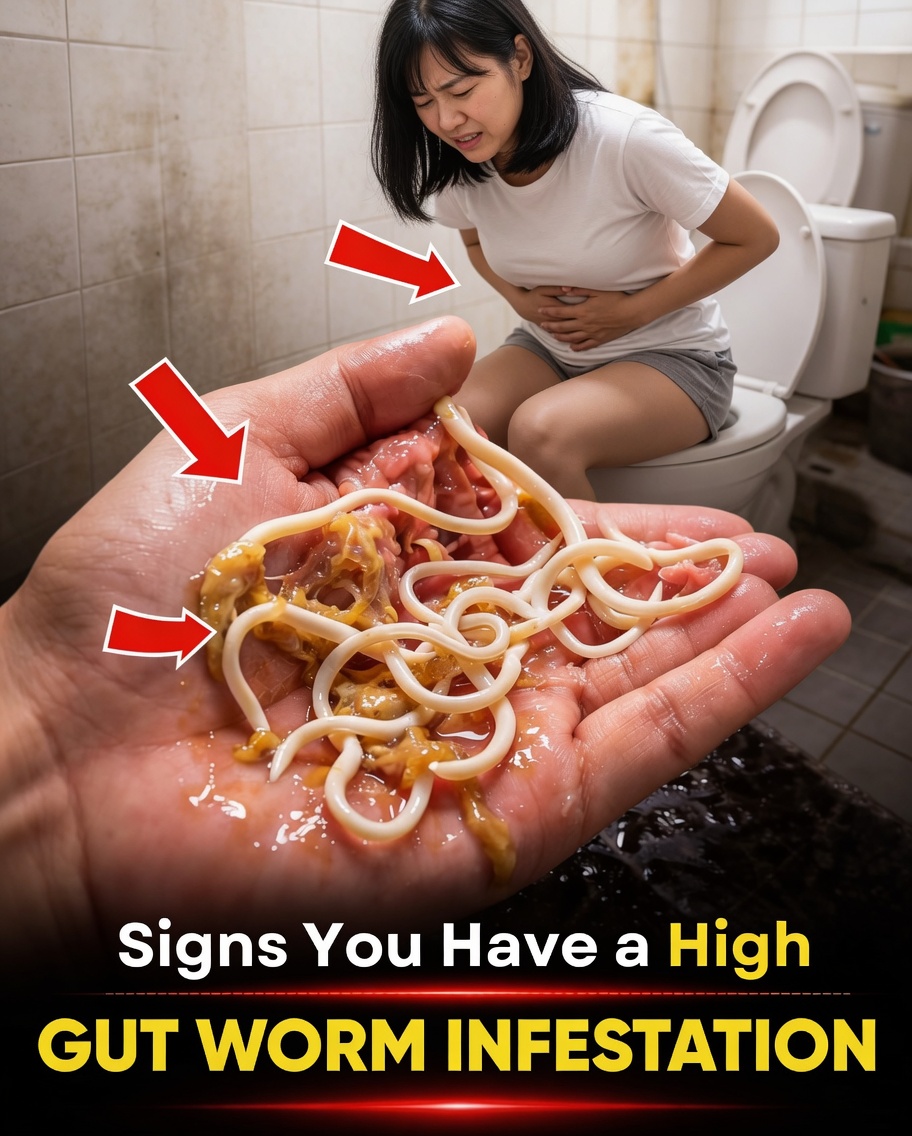
The good news: spotting common patterns early can help you take the right next steps sooner. Below, you’ll learn what gut worms are, how they affect the body, the most reported symptoms, and practical ways to reduce your risk—ending with one surprisingly powerful everyday habit that research consistently supports.
What Are Intestinal Parasites (Gut Worms)?
Intestinal parasites, also called helminths, are worms that live in the digestive tract. Common types include:
- Roundworms
- Hookworms
- Pinworms
- Tapeworms
Global health organizations (including the World Health Organization) report that these infections are still widespread in many regions and often spread through routine daily exposures.
Common Ways Gut Worms Enter the Body
People are most often exposed through:
- Food or water contaminated with parasite eggs or larvae
- Poor hand hygiene, especially after bathroom use or outdoor activity
- Walking barefoot on soil that contains parasite eggs (a known risk for some species)
- Eating undercooked meat or fish
- Close contact, particularly among children who play together
Once inside, parasites may attach to the intestinal wall, consume nutrients (and in some cases blood), and trigger inflammation. Over time, this can contribute to nutrient deficiencies, reduced energy, and persistent digestive symptoms.
What Gut Worms Can Do Inside Your Body
Think of parasites as unwanted occupants in your gut: they settle in, draw from your body’s resources, and irritate tissues. Different worms tend to cause different problems:
- Hookworms can feed on blood, increasing the risk of iron deficiency.
- Roundworms and tapeworms may reduce nutrient availability by competing for what you eat.
- Pinworms often cause intense localized irritation, especially around the anus.
This ongoing stress can keep the immune system activated, which may contribute to fatigue and broader “whole-body” effects. Research also links untreated infections in some individuals to malnutrition or anemia, depending on parasite type and burden.
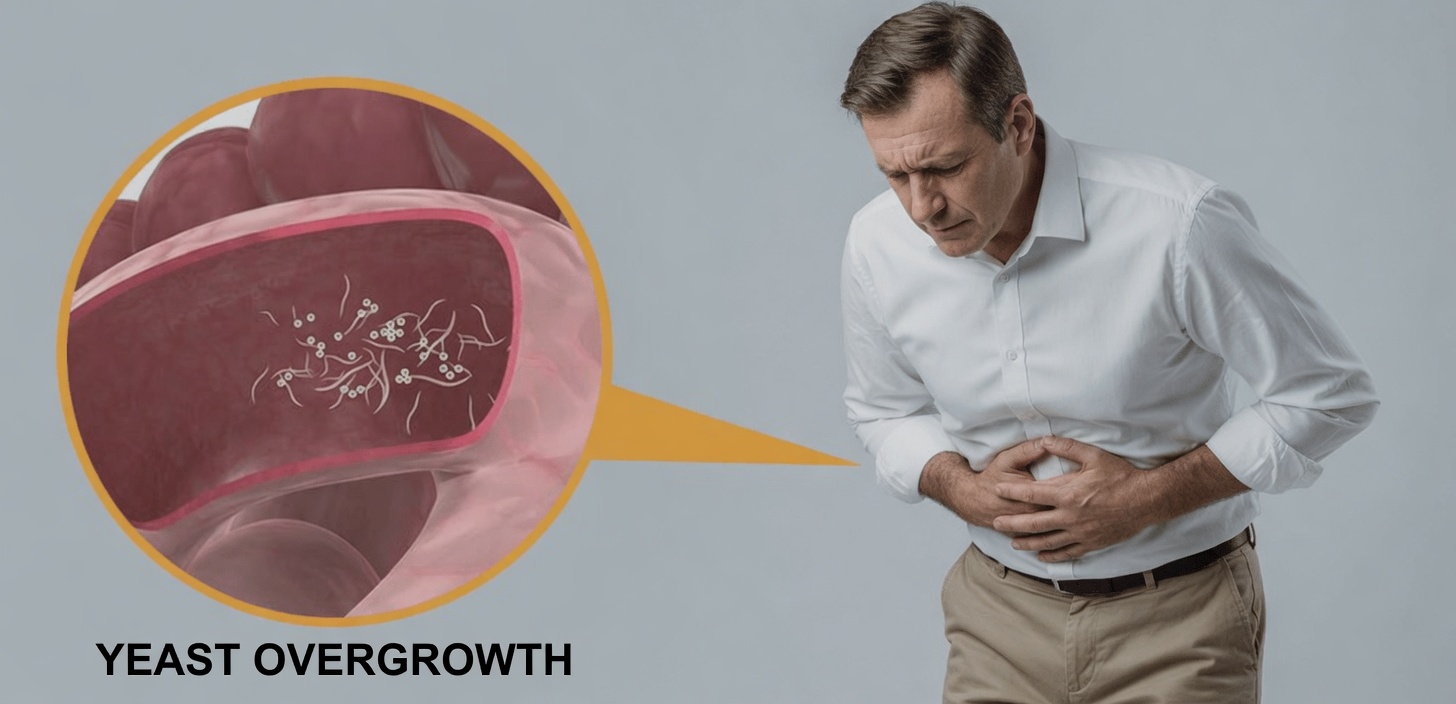
Common Signs and Symptoms of Gut Worms
Symptoms depend on the specific parasite, the severity of infection, and the person’s immune response. Some people have minimal symptoms, but when signs do appear, these are among the most frequently reported.
Digestive and Gut-Related Symptoms
- Abdominal discomfort: cramps, bloating, gas, or a persistent “full” feeling
- Bowel habit changes: diarrhea, loose stools, mucus in stool, or alternating diarrhea and constipation
- Nausea or reduced appetite: feeling unsettled after eating or not wanting food
Whole-Body Symptoms
- Unexplained weight changes: difficulty maintaining weight, or slowed growth in children due to impaired nutrient uptake
- Persistent low energy: feeling drained even after rest, sometimes linked to poor nutrition or blood loss
- Possible anemia signs (especially with hookworms): pale skin, dizziness, shortness of breath, cold hands/feet
More Specific Clues
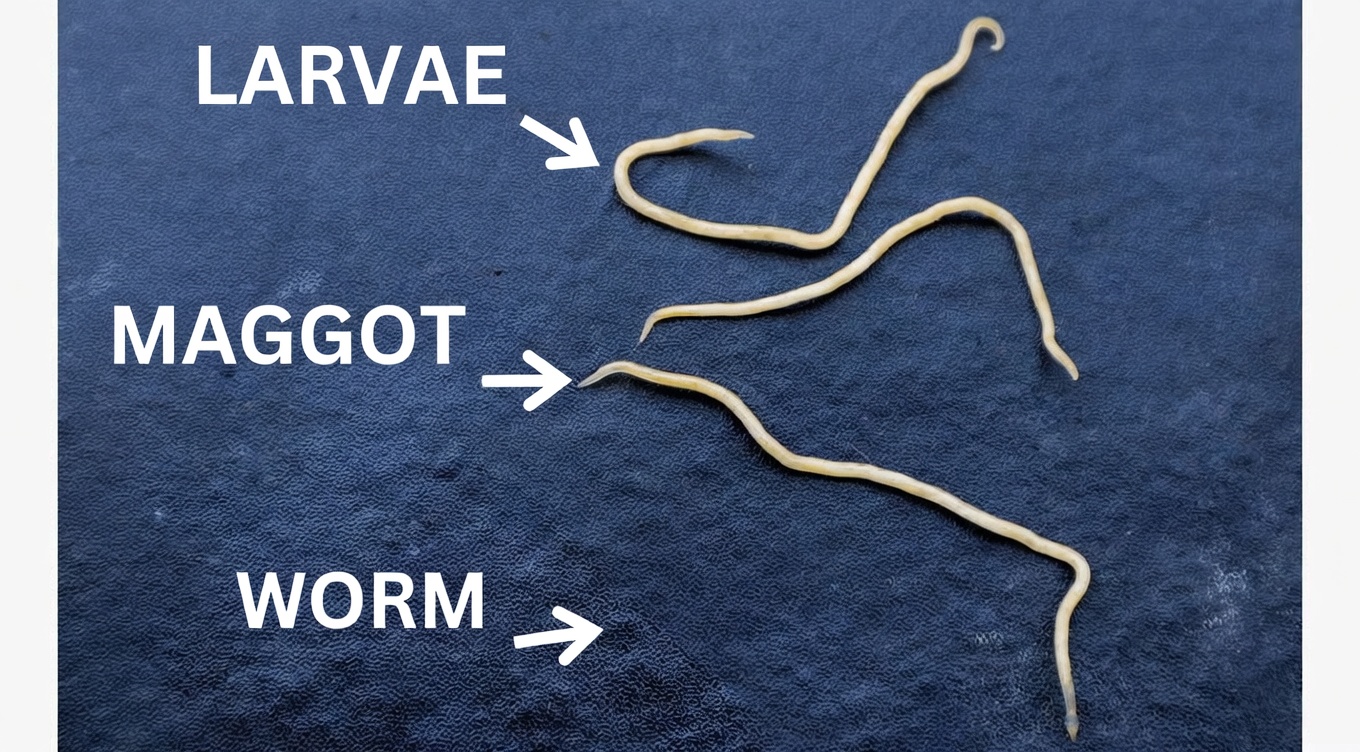
- Anal itching at night: strongly associated with pinworms, which lay eggs around the anal area
- Visible material in stool (sometimes):
- small white “threads” (possible pinworms)
- rice-like segments (possible tapeworm segments)
- Skin issues: rashes or itching, which may reflect immune reactions or (in some parasites) skin entry
- Early respiratory symptoms (in some cases): mild cough or breathing discomfort when larvae pass through the lungs before reaching the intestines
Special Considerations: Signs of Gut Worms in Children
Children are often at higher risk because their immune systems are still developing and their habits can increase exposure (playing in soil, frequent hand-to-mouth contact).
Potential signs include:
- Poor growth or difficulty gaining weight
- Irritability or mood changes
- Frequent stomach complaints
- Trouble focusing
- Teeth grinding at night
- Restless sleep, sometimes related to itching or discomfort
Evidence suggests that untreated infections in children can negatively affect development, making early recognition important for parents and caregivers.
How Gut Worm Infections Are Diagnosed
Clinicians typically begin with tests aimed at identifying parasites or signs of infection, such as:
- Stool testing to look for parasite eggs, larvae, or organisms under a microscope
- Blood tests that may show:
- elevated eosinophils (a type of white blood cell often associated with parasites)
- low hemoglobin, which can suggest anemia
- Tape test (commonly used for pinworms): adhesive tape is applied to the anal area to capture eggs, often done overnight
- Imaging in select cases to rule out complications
Practical Ways to Reduce Your Risk (Daily Prevention)
Prevention is largely about consistent hygiene and safe food practices—habits strongly associated with lower transmission rates.
Everyday Habits That Help
- Wash hands with soap and water:
- before eating
- after using the bathroom
- after outdoor activities
- Rinse fruits and vegetables thoroughly under running water
- Use safe, treated drinking water, especially while traveling
- Cook meat and fish fully to safe internal temperatures
- Wear shoes outdoors, particularly in areas with poor sanitation
- Keep fingernails short and clean, especially for children
- In high-prevalence regions, follow local guidance on community deworming programs
Quick Prevention Checklist
- Hand hygiene: before meals, after toilet use
- Food safety: wash produce, cook thoroughly
- Foot protection: avoid barefoot contact with potentially contaminated soil
- Home routines: wash bedding regularly and clean frequently touched toys (especially in households with children)
When to See a Healthcare Professional
Talk to a clinician if you have persistent digestive symptoms, ongoing fatigue, unexpected weight changes, nighttime anal itching, or anything unusual in your stool. Getting evaluated early helps clarify the cause and reduces the chance of complications.
Key Takeaways
Intestinal parasites are more common than many people assume—but they are also highly manageable with awareness, testing when needed, and reliable prevention habits. If your body keeps sending signals like chronic bloating, bowel changes, or unexplained fatigue, don’t ignore them.
The most surprising (and most effective) prevention tip is also the simplest: consistent handwashing. Global public health data repeatedly shows that proper hand hygiene can dramatically reduce transmission—free, easy, and powerful.
Medical Disclaimer
This content is for informational purposes only and does not replace professional medical advice, diagnosis, or treatment. If you suspect an infection or have health concerns, consult a qualified healthcare provider.
FAQ
What are the most common signs of gut worms in adults?
Frequently reported symptoms include abdominal pain or bloating, ongoing diarrhea or constipation changes, fatigue, and unexplained weight loss—though symptoms vary widely and can be mild.
Do children show different symptoms than adults?
They can. Children may be more likely to show poor growth, irritability, appetite changes, sleep disturbance, teeth grinding, or nighttime anal itching.
How can I lower my risk of intestinal parasites?
Prioritize handwashing, safe food and water practices, wearing shoes outdoors, and thoroughly cooking meat and fish. Consistent hygiene makes a major difference.