
Many adults over 65 notice gradual shifts in kidney performance as a normal part of aging. According to recent health data, roughly 34% of people age 65+ show signs of reduced kidney function. For seniors living with chronic kidney disease (CKD)—or early indicators of kidney strain—everyday protein choices can meaningfully influence comfort, energy, and long-term wellness.
Some protein-rich foods also carry high levels of phosphorus and potassium, minerals that can be harder to manage when the kidneys aren’t filtering efficiently. Over time, that extra workload may contribute to issues seniors commonly report, such as fatigue, swelling, or unwanted changes in lab values.
The encouraging news: you don’t have to stop eating protein. By choosing kidney-friendlier options, many people can reduce mineral burden while still supporting muscle strength and steady energy. Below are 6 common proteins to limit (especially if phosphorus, potassium, or sodium levels are a concern) and 4 gentler alternatives supported by nutrition guidance. At the end, you’ll also find a simple daily habit that pairs well with these changes.

Why Protein Choices Matter More After 65
As we age, kidneys tend to remove waste less effectively, and CKD becomes increasingly common—affecting millions of older adults. When kidney function declines:
- Phosphorus may build up, which research associates with potential impacts on bone health and blood vessel function.
- Potassium can also accumulate, because the kidneys may struggle to keep this mineral in balance.
Importantly, not all proteins affect the body the same way. Many animal proteins contain more readily absorbed phosphorus, while some plant-based proteins can add potassium (and sometimes sodium, especially in packaged forms). If you’ve noticed leg swelling, unexplained tiredness, or changes in kidney-related bloodwork, adjusting a few protein staples may make day-to-day life easier.
Many seniors also report that lower-burden protein choices can improve how they feel—without giving up satisfying meals.
6 Common Proteins You May Want to Limit for Kidney Health
The foods below are frequently flagged in kidney nutrition guidance as items to limit or monitor closely, particularly when phosphorus, potassium, or sodium need tighter control.
1. Red Meat (Such as Beef Steak)
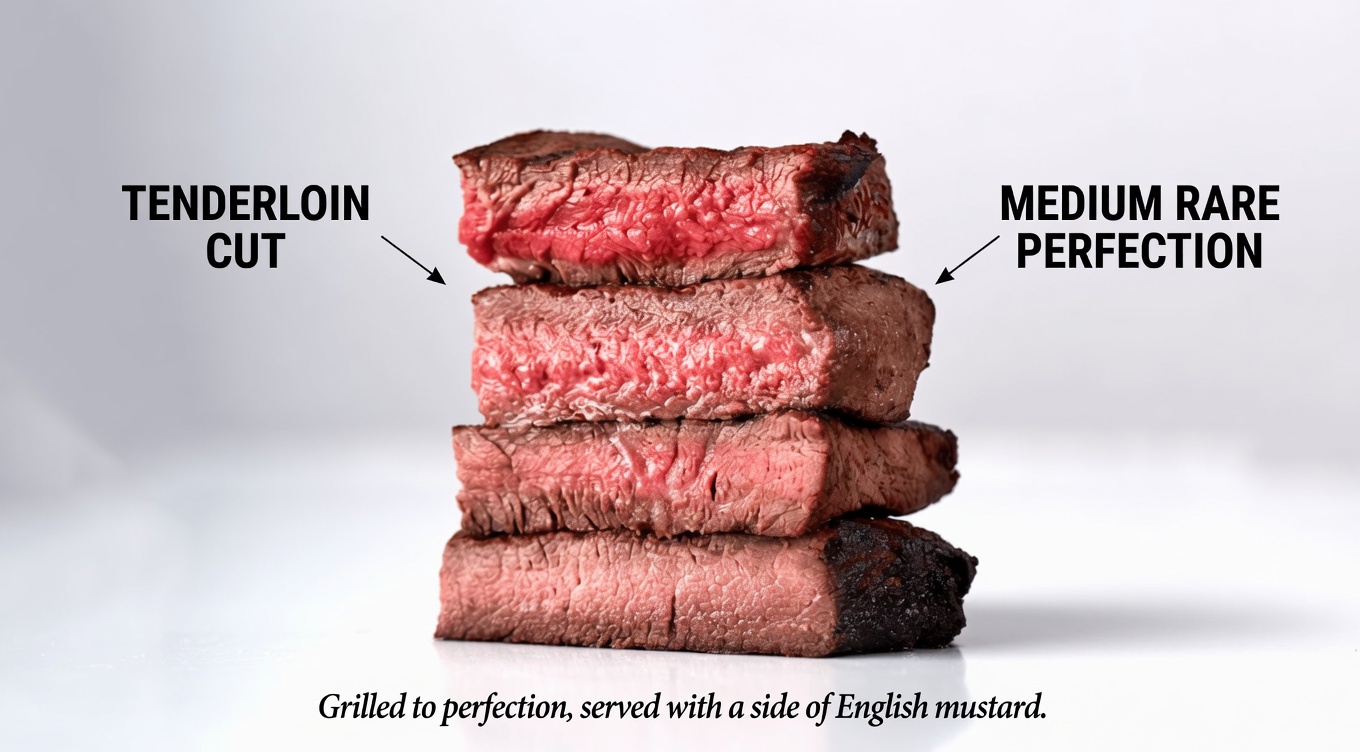
Beef is a familiar comfort food, but it commonly comes with higher phosphorus and more saturated fat than many alternatives. Research links higher red meat intake with increased dietary acid load, which may be tougher to manage with reduced kidney function. Regular steak meals can also contribute to higher uric acid, which may affect comfort and energy for some people.
2. Processed Meats (Hot Dogs, Bacon, Sausages)
Processed meats are convenient, but they’re often packed with:
- High sodium
- Added phosphates
- Preservatives that may complicate kidney-friendly eating
Even one serving can deliver a large sodium dose, increasing the risk of fluid retention and blood pressure spikes—two issues that can become more challenging as kidney function declines.
3. Whey Protein Powders and Supplements
Whey is widely used for muscle support, but concentrated protein powders can create more nitrogen waste—and the kidneys must clear that waste. Many guidelines caution that high-density supplements may be harder on reduced kidney function than whole-food protein in appropriate portions.
4. Canned Beans (Including Canned Black Beans)
Beans can be nutritious, but canned varieties often contain added sodium, and many beans are naturally high in potassium. Rinsing helps, yet mineral levels can still remain significant—especially for people who have been advised to watch potassium or sodium.
5. Red Lentils and Other Higher-Potassium Legumes
Lentils are often praised as a “superfood,” but they can deliver substantial potassium and phosphorus per serving. When kidneys can’t clear excess minerals efficiently, frequent large portions may increase the risk of imbalance.
6. Whole Eggs and Large Amounts of High-Phosphorus Dairy
Eggs and dairy can fit into many diets, but:
- Egg yolks contain notably more phosphorus than egg whites
- Many cheeses and full-fat dairy products also contribute significant phosphorus
Over time, excess phosphorus may influence bone strength and cardiovascular health, particularly when kidney function is compromised. Moderation is often the key.
Quick Comparison: Proteins to Limit and Why
| Protein to Limit | Main Kidney Concern | Why It Can Add Up |
|---|---|---|
| Beef steak | Higher phosphorus, saturated fat | Increased acid load and waste burden |
| Processed meats | Sodium, added phosphates | Fluid retention and blood pressure stress |
| Whey protein powders | Concentrated nitrogen waste | Greater processing load for kidneys |
| Canned beans | Potassium + sodium (even rinsed) | Mineral buildup risk |
| Red lentils (and similar legumes) | Higher potassium/phosphorus | Excess minerals harder to clear |
| Whole eggs & lots of high-phosphorus dairy | Phosphorus (yolk/cheese) | Potential bone/vessel impact over time |
Simply becoming aware of these patterns is often the first step toward feeling better.
4 Kidney-Friendlier Protein Alternatives to Choose More Often
These options tend to provide quality protein with lower levels of problematic minerals, making them easier to fit into kidney-conscious eating plans.
1. Egg Whites
Egg whites provide complete, high-quality protein with very little phosphorus—roughly 10 mg per egg white, far less than whole eggs. Many seniors find them easy to use:
- Scrambled with herbs
- Added to vegetables
- Boiled for a simple snack
2. Tofu
Tofu is a versatile plant protein (about 10 g per half-cup) and typically has lower phosphorus than many animal-based choices. Plant-forward options like tofu may also create a lower acid load, which can be gentler overall. For best results:
- Choose low-sodium tofu when possible
- Bake, stir-fry, or lightly sauté with herbs and spices
3. Tilapia (and Similar Lean White Fish)
Tilapia offers a mild flavor and lean profile with roughly 22 g protein per serving, often with lower phosphorus and fat than red meat. It also provides helpful nutrients such as selenium. Kidney-conscious preparation ideas include:
- Baking with lemon and herbs
- Steaming with vegetables
- Keeping sauces low in sodium
Many people aim for 1–2 servings per week, depending on individual needs and medical guidance.
4. Quinoa
Quinoa is a complete protein (containing all essential amino acids) and is generally lower in potassium and phosphorus than many legumes. Its fiber may help support digestion and bind waste products. Tips:
- Rinse well before cooking
- Pair with lower-potassium vegetables for balanced meals

Safer Choices at a Glance
| Kidney-Friendlier Protein | Key Benefits | Easy Preparation |
|---|---|---|
| Egg whites | Low phosphorus, complete protein | Scramble with herbs |
| Tofu | Lower acid load, versatile | Bake cubes for stir-fry |
| Tilapia (lean white fish) | Lean protein, supportive nutrients | Lemon-baked fillet |
| Quinoa | Complete protein, fiber-rich | Toss into a veggie salad |
These swaps can help preserve muscle and strength without overwhelming the kidneys.
Bonus Daily Habit: Take a Gentle Morning Walk
A 20-minute morning walk can support circulation and oxygen delivery throughout the body, including to the kidneys. Studies associate consistent light activity with improved blood pressure control and lower inflammation, which can complement kidney-friendlier protein choices. Start at a comfortable pace and build gradually.
A Simple Weekly Plan to Get Started
- Week 1: Replace one “limit” protein (for example, steak) with a gentler option like egg whites or tilapia. Pay attention to swelling, energy, or overall comfort.
- Week 2: Add the morning walk and observe any changes in stamina and mood.
- Week 3: Rotate in two kidney-friendlier proteins consistently (such as tofu and quinoa).
- Ongoing: Keep tracking how you feel—and review lab results and diet strategy with your clinician.
Small, consistent adjustments often create the most noticeable improvements in everyday vitality.
Medical Disclaimer
This article is for informational purposes only and does not replace medical advice. Always consult your healthcare provider or a registered dietitian before making dietary changes—especially if you have kidney disease, abnormal lab values, or take prescription medications.
Frequently Asked Questions
Q: How much protein should seniors with kidney issues eat each day?
Protein needs depend on body size, kidney function stage, activity level, and overall health. Many guidelines recommend moderate protein intake from high-quality sources, but the right amount is highly individual. A healthcare provider or renal dietitian can help determine a safe target.
Q: Are all plant-based proteins automatically kidney-safe?
No. Some plant proteins (including certain beans and lentils) can be higher in potassium or phosphorus, and packaged versions may add sodium. Choosing lower-mineral options and controlling portions can make a big difference.
Q: Can I still enjoy my favorite foods sometimes?
In many cases, yes—balance and portion size matter. Occasional treats are often easier to include when your everyday choices are kidney-supportive and aligned with your clinician’s guidance.