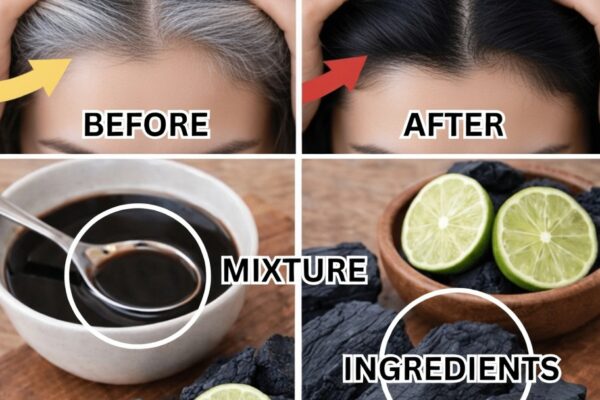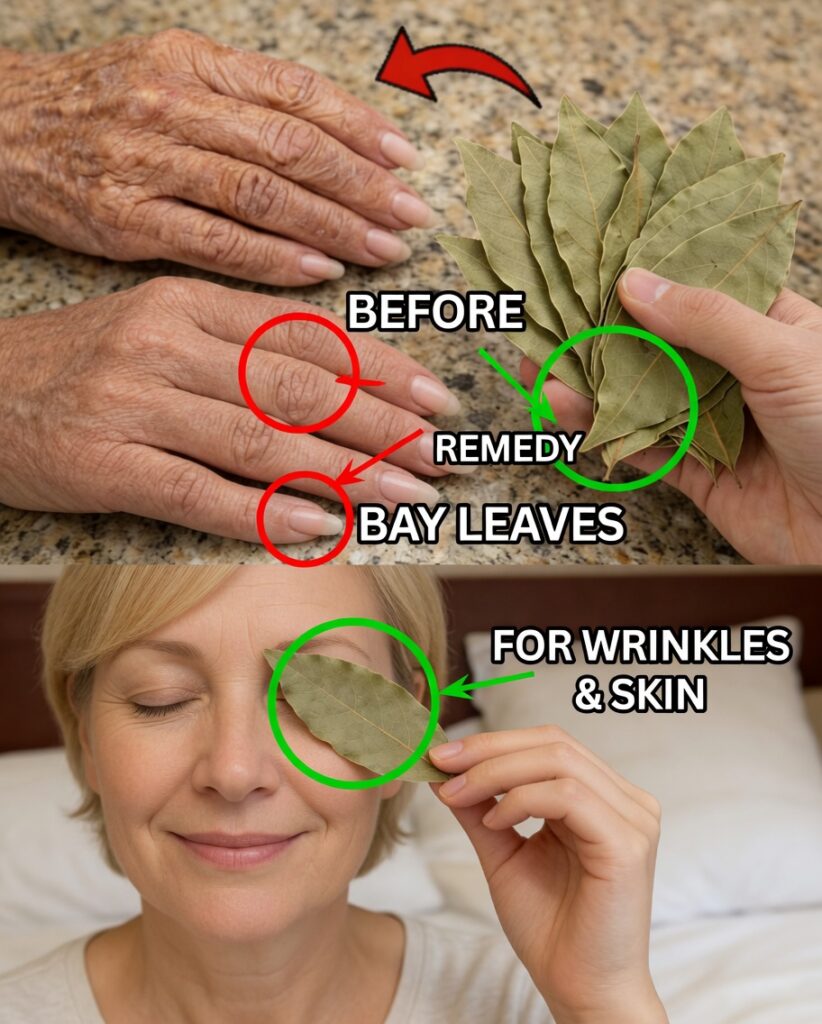
Fine lines around the eyes, a softer jawline, and skin that feels drier or less “springy” are changes many adults notice after 50. In fact, surveys suggest over 70% of people in this age group worry about visible skin aging—including wrinkles, reduced firmness, and uneven tone. While some rely on pricey creams for short-term plumping or consider more intensive procedures, a simple pantry staple may offer gentle, complementary support thanks to its long-standing traditional use and growing scientific interest in its antioxidant and soothing compounds.
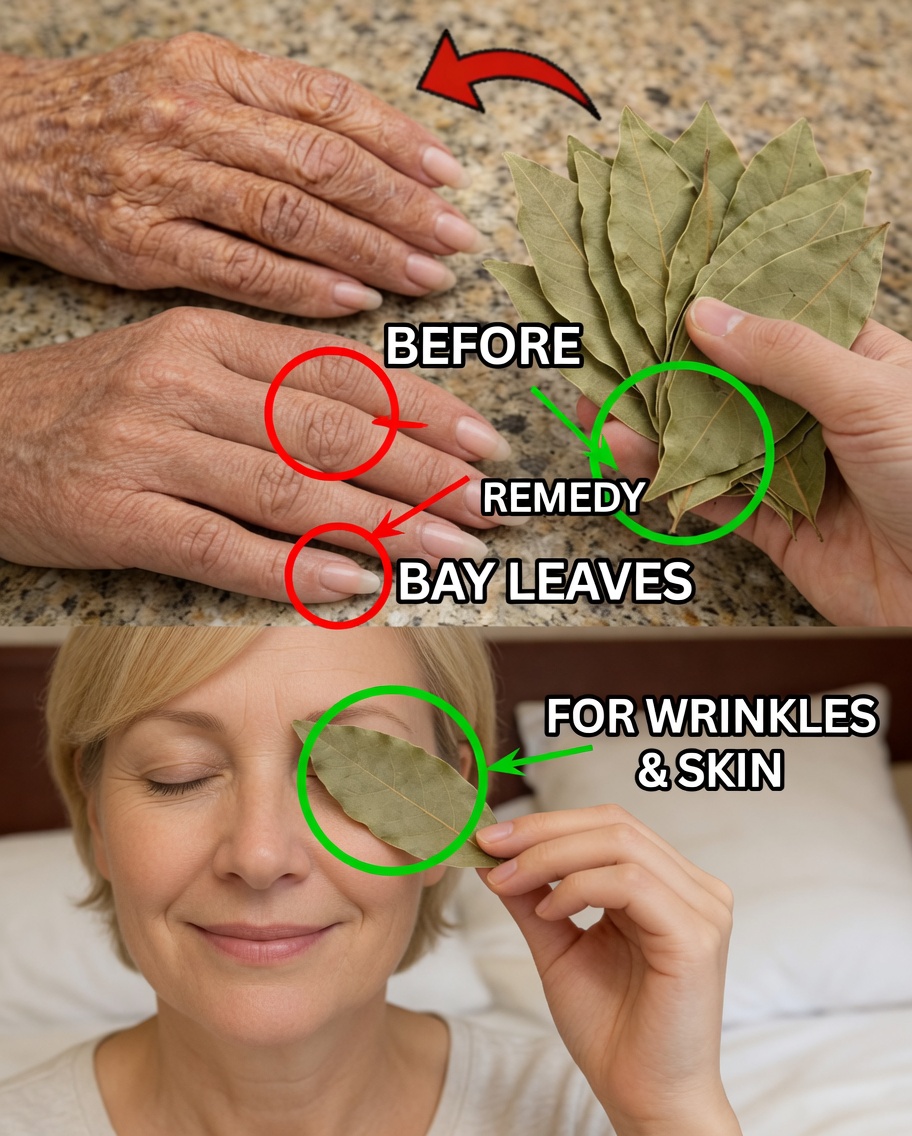
Could this everyday herb help you support skin comfort and resilience—both topically and from within? Below is what research suggests about its key components, plus practical, safety-first ways to try it at home.
Why Skin Changes After 40—and Why Natural Options Are Trending
From our 40s onward, the body typically produces about 1% less collagen per year, while elastin fibers gradually weaken. Add decades of sun exposure, pollution, and ongoing low-grade inflammation, and you get more oxidative stress (damage driven by free radicals). The result is often:
- Drier skin and a weaker moisture barrier
- Slower cell turnover
- More visible lines and dullness over time
Many people already do the essentials—daily sunscreen, consistent moisturizing, and gentle exfoliation—and that’s a strong foundation. Still, it’s common to look for low-risk, supportive additions that fit alongside a normal routine.
One herb getting renewed attention is bay leaf (Laurus nobilis), well known in Mediterranean cooking. Bay leaf contains bioactive compounds such as eugenol, linalool, and 1,8-cineole, along with phenolic antioxidants. Lab and animal research highlights antioxidant and anti-inflammatory potential for these constituents, suggesting a possible role in helping the skin cope with oxidative stress that can undermine firmness and comfort.
How Bay Leaf May Support Skin Health (What the Evidence Suggests)
Most studies on bay leaf focus on its overall antioxidant activity and calming potential rather than large human trials specifically targeting facial aging. Still, preclinical findings point to mechanisms that may align with common skin goals—especially when used as a gentle complement to proven basics.
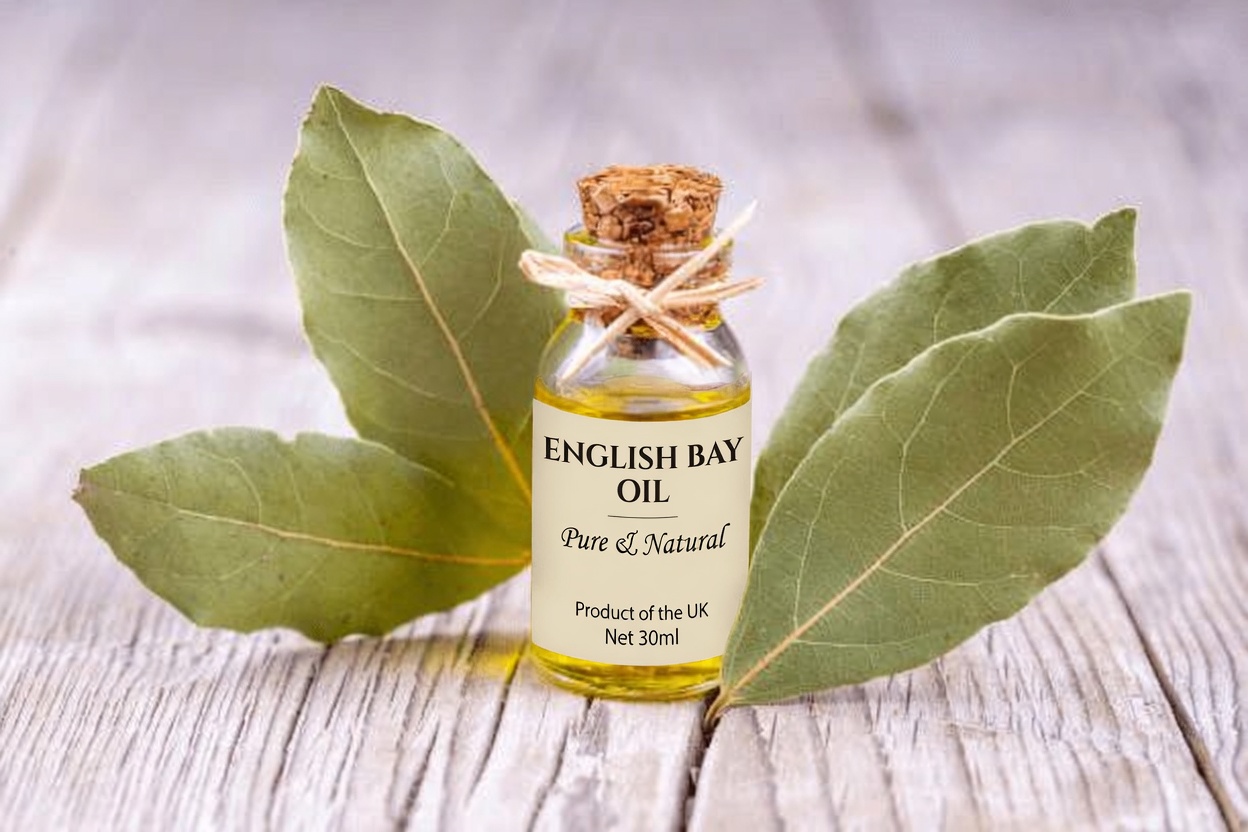
1) Antioxidant support for healthier-looking skin over time
Oxidative stress contributes to accelerated visible aging by harming skin cells and structural proteins. Bay leaf contains phenolics and aromatic oils that have shown free-radical scavenging activity in various studies. While results vary by preparation, this antioxidant profile may support a healthier skin environment with consistent use.
2) Helping protect firmness and elasticity
Collagen and elastin give skin its structure and bounce. Antioxidants may help reduce oxidative degradation of these proteins. Although direct human data is limited, botanical research on related antioxidant compounds supports the idea that minimizing oxidative stress can help maintain dermal integrity.
3) Comfort for expression-prone areas
Over years, repeated facial movement can make dynamic lines more noticeable. Eugenol, one of bay leaf’s notable compounds, has demonstrated mild anti-inflammatory activity in research contexts. In practical terms, calming ingredients may help skin appear less stressed—especially when dryness and irritation exaggerate lines.
4) Added support against environmental stressors
UV exposure and pollution increase reactive oxygen species. Bay leaf constituents (including eugenol) have shown antioxidant behavior in studies, and some models suggest potential supportive photoprotective effects. This should not replace sunscreen, but it may complement daily SPF as part of a broader “environmental defense” approach.
5) A gentle approach to hydration and barrier feel
With age, skin naturally loses moisture and lipids, making fine lines easier to see. Some plant phenolics are studied for indirect benefits related to barrier function in laboratory settings. In real-world routines, cooled bay leaf infusions are often used like a simple toner, with many users describing a softer, smoother feel.
6) Overall texture and resilience
By combining antioxidant potential with soothing properties, bay leaf preparations may support skin that feels more resilient and comfortable. Reviews of Laurus nobilis frequently emphasize its broad bioactive profile in wellness contexts, even though targeted human anti-aging trials remain limited.
Bay Leaf vs. Common Skincare Options (Quick Comparison)
- Bay leaf infusions or infused oils: budget-friendly, naturally antioxidant-focused, easy to make; requires patch testing and careful dilution
- Commercial moisturizers: convenient and often well-formulated; can be expensive depending on brand and actives
- Retinoids: strong evidence for supporting collagen-related changes; effective but may cause dryness or irritation
- Injectables: fast visible effects; temporary results and more invasive
How to Use Bay Leaf at Home (Safely)
Start conservatively and watch how your skin responds. Patch test on the inner arm and wait 24 hours before applying to the face.
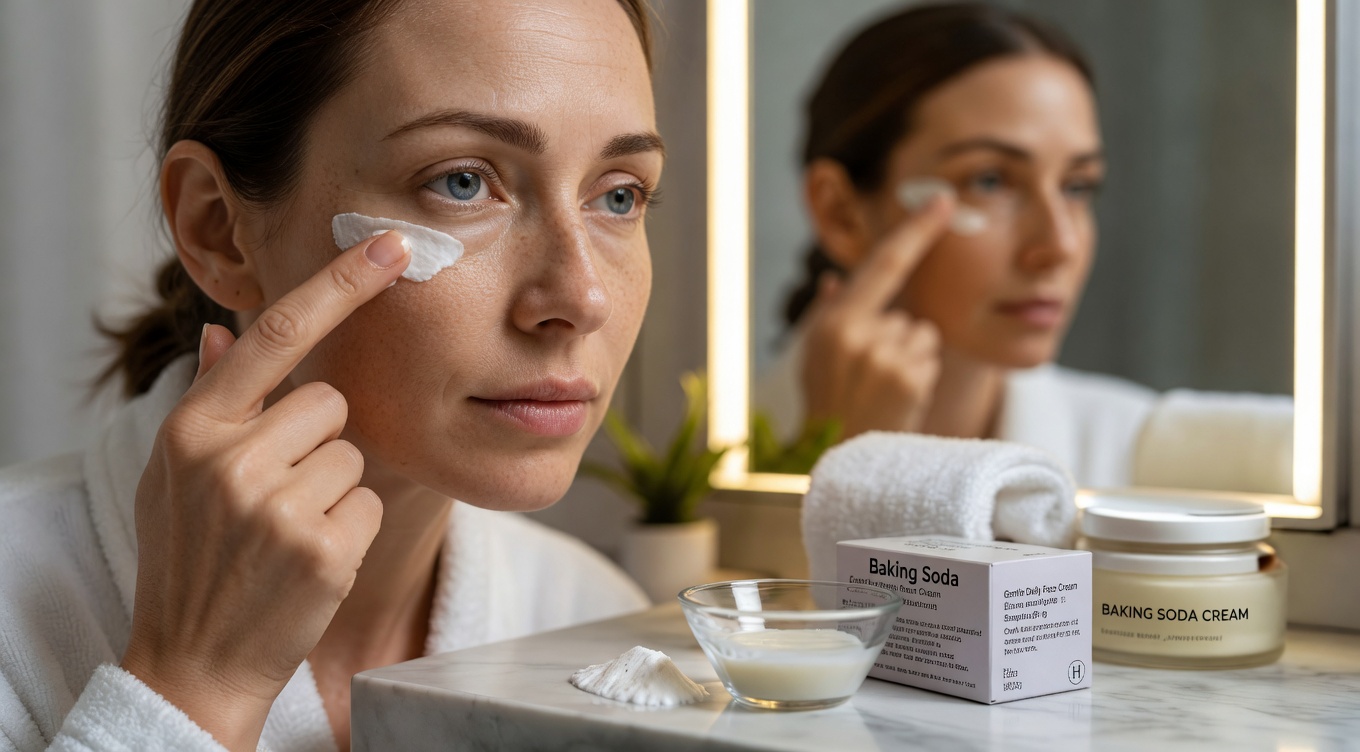
Bay Leaf–Infused Oil (Topical)
- Crush 10–15 dried bay leaves.
- Add to a clean jar and pour in 100 ml of a carrier oil (olive or jojoba are common choices).
- Seal and keep in a dark place for 1–2 weeks, shaking daily.
- Strain well. Apply 2–3 drops at night, massaging gently upward.
Bay Leaf Toner (Infusion)
- Simmer 3–4 dried leaves in 2 cups of water for 10 minutes.
- Let it cool completely, then strain.
- Store in the refrigerator.
- Use as a light face mist or apply with a cotton pad after cleansing.
Simple Bay Leaf Mask
- Grind 4–5 dried leaves into a fine powder (or use pre-ground bay leaf).
- Mix with honey or yogurt to form a paste.
- Apply for 15–20 minutes, up to twice weekly, then rinse.
Bay Leaf Tea (Internal, Optional)
- Steep 1–2 dried leaves in hot water for 5 minutes.
- Drink 1 cup per day if you enjoy it and tolerate it well.
Suggested Timeline: What to Expect
- Weeks 1–2: Patch test, then try toner or infused oil; look for improved softness and comfort.
- Weeks 3–6: Add a mask (and tea if desired); note changes in texture and dryness.
- Weeks 8–12: Stay consistent; observe cumulative effects in overall look and feel.
For best synergy, keep the fundamentals in place: hydration, adequate sleep, balanced nutrition, and daily sunscreen.
Key Takeaway
Bay leaf is an accessible herb with an antioxidant-rich, potentially soothing profile. Used carefully, it may provide gentle support for skin hydration, comfort, and resilience as part of a consistent routine—especially for adults noticing age-related changes like dryness, dullness, and fine lines.
Important: This article is for informational purposes only and does not provide medical advice. Speak with a qualified healthcare professional before starting any new skincare or wellness routine—particularly if you have sensitive skin, allergies, are pregnant, or take medications. Bay leaf is not evaluated by the FDA to diagnose, treat, cure, or prevent any condition.
FAQ
Is bay leaf safe to use on the skin every day?
When properly diluted and after patch testing, bay leaf infusions are often tolerated. However, sensitivities vary, and essential-oil-like compounds can irritate some skin types.
How soon might results appear?
Some people notice improved softness within a few weeks. More visible texture changes are often reported after 8–12 weeks of consistent use.
Can I use bay leaf with other skincare products?
Often yes. Many people layer it with gentle moisturizers or vitamin C products. Avoid combining with strong active ingredients without testing first, as irritation can increase when multiple actives overlap.