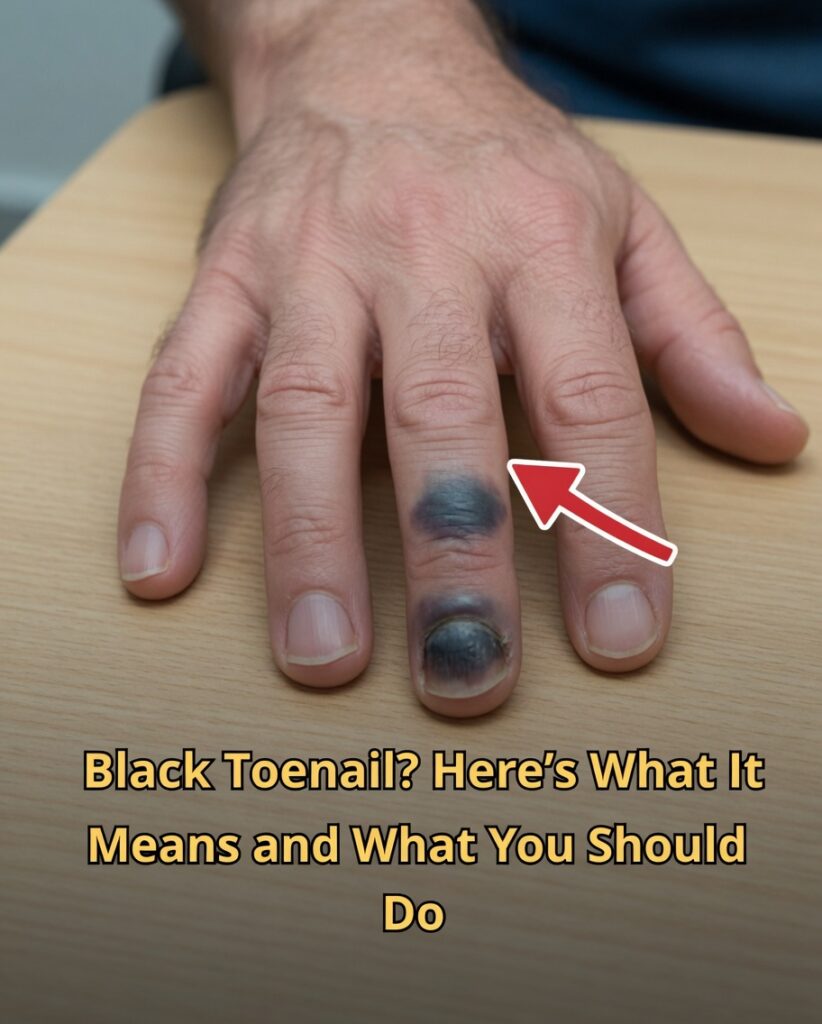
Black or Dark Toenail: What It Means and When to Worry
Seeing a black spot or noticeable darkening on a toenail can be unsettling—especially if it shows up suddenly or doesn’t fade as quickly as you expected. Many people assume it’s just a small bruise from tight shoes or a stubbed toe, but lingering discoloration can raise concerns and even make you feel self-conscious about your feet.
The reassuring reality: most dark toenails are caused by common, everyday issues and improve with simple changes. Still, there’s one important clue that helps distinguish a typical problem from something that deserves closer attention—and you’ll learn exactly what to look for later in this guide.
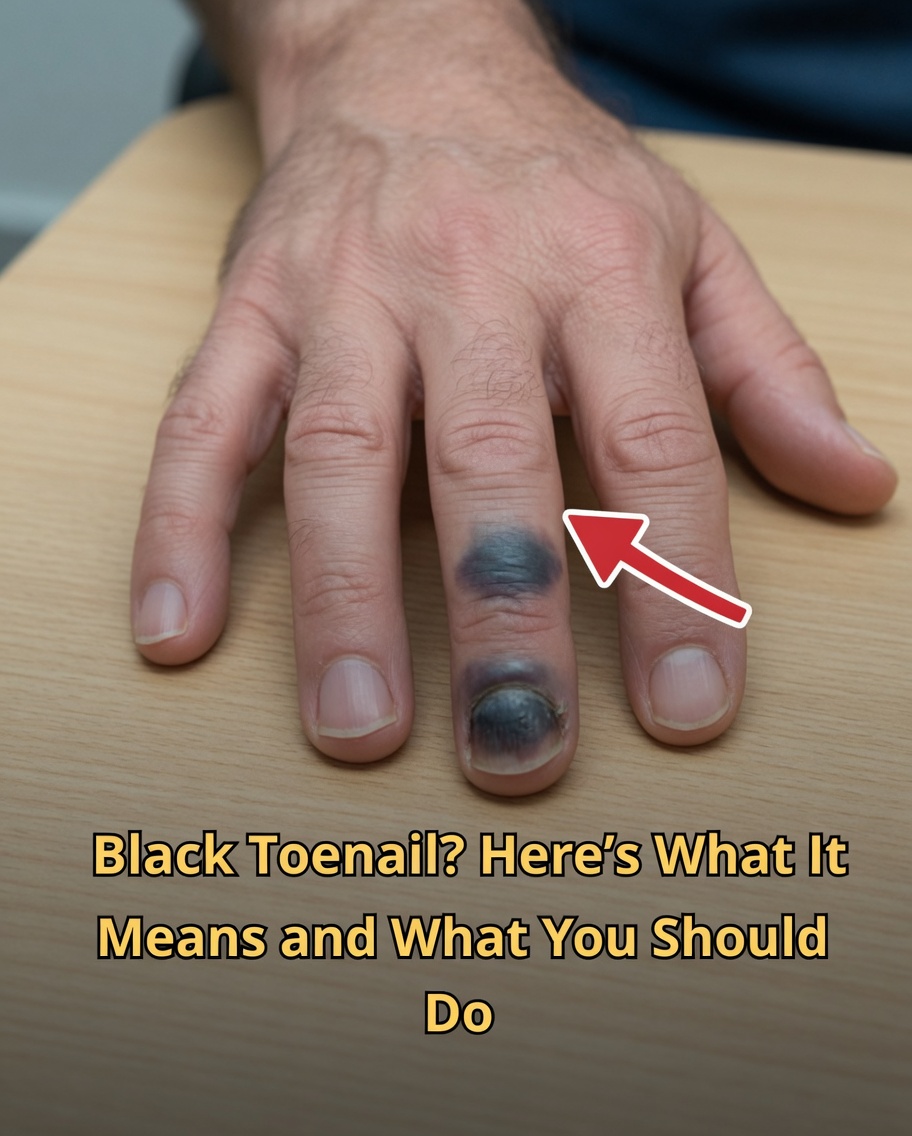
Why Toenails Turn Black: The Basics
A “black toenail” (or dark nail) usually happens when something changes under the nail plate or within the nail structure itself. In many clinical descriptions, injury and pressure-related causes are the most frequent, particularly among active people and those who wear poorly fitting shoes.
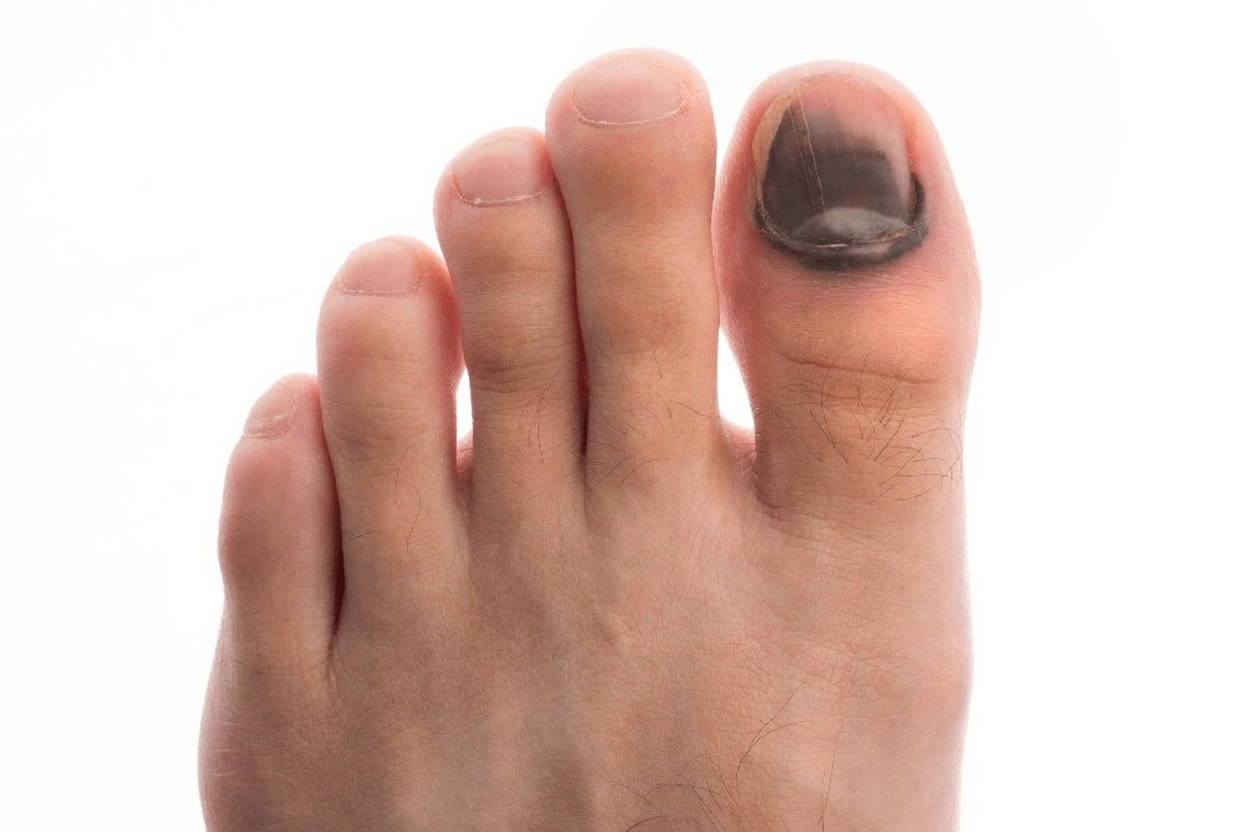
The Most Common Reason: Trapped Blood Under the Nail (Subungual Hematoma)
A subungual hematoma forms when tiny blood vessels break beneath the nail, often from a sudden impact or repeated friction. It’s widely reported among runners, hikers, and athletes—especially when footwear is too tight or the toe repeatedly hits the front of the shoe.
Common triggers include:
- Acute injury, such as stubbing your toe or dropping a heavy object on it
- Repeated micro-trauma from running, hiking, soccer, or similar activities
- Tight or narrow shoes that compress toes and create constant pressure
As the blood becomes trapped, the color can shift from red to dark purple and eventually black. In many cases, the dark area moves forward as the nail grows, and toenails often take about 6–9 months to fully grow out.
But bruising isn’t the only explanation for a dark toenail.
Toenail Fungus and Moisture-Related Discoloration
Fungal nail infections (onychomycosis) tend to thrive in warm, moist environments, which is why they’re often linked to sweaty shoes, damp socks, and shared wet surfaces (like gym showers and pools). As the infection progresses, the nail may turn yellow, brown, or darker, and can also become:
- Thicker or distorted
- Brittle or crumbly
- Sometimes associated with an unusual odor
Unlike a bruise that stays relatively localized, fungal discoloration often spreads and gradually affects more of the nail over time.
Dark Vertical Bands: A Rare but Important Pattern
Sometimes a person notices a dark vertical line or band on the toenail without any clear injury. This can be linked to pigment changes originating in the nail matrix (the growth area under the cuticle).
One distinguishing detail: the band may stay in the same place, widen, or extend onto nearby skin. When pigment appears on the surrounding skin near the nail, it’s sometimes referred to clinically as Hutchinson’s sign. Awareness matters here because these changes can be mistakenly dismissed as minor discoloration.
Other less common contributors include certain medications, systemic health conditions, or chemical exposure from nail products—typically alongside other noticeable symptoms.
Quick Visual Guide: Bruise vs Fungus vs Pigmented Band
-
Blood under the nail (bruise / subungual hematoma)
- Look: round or blotchy dark spot
- Feel: often painful early on
- Pattern: usually moves outward with nail growth (often 6–9 months)
- Triggers: impact, running, tight shoes
-
Fungal infection (onychomycosis)
- Look: yellow-brown to dark discoloration, thickened nail
- Feel: often mild discomfort or none
- Pattern: typically spreads and nail becomes brittle
- Triggers: damp feet, shared showers/pools, sweaty footwear
-
Pigmented streak/band
- Look: vertical dark line or band
- Feel: usually no pain
- Pattern: may widen or remain fixed; may involve surrounding skin
- Triggers: often no obvious cause
Daily Habits That Help Keep Toenails Healthier
No routine can guarantee perfect nails, but consistent foot care can lower your risk of both injury-related discoloration and infections.
Practical Steps to Start Now
-
Wear shoes that truly fit
- Aim for about a thumb’s width of space in the toe box.
- Try on shoes later in the day when feet are slightly larger.
- Walk around and check for pressure points.
-
Keep feet clean and thoroughly dry
- Wash daily with mild soap.
- Dry carefully, especially between the toes.
- Change socks if they become damp; consider moisture-wicking materials.
-
Trim toenails the right way
- Cut nails straight across (not rounded).
- Smooth sharp edges with a file.
- Avoid cutting too short to reduce ingrown nail risk.
-
Use protection in shared wet areas
- Wear flip-flops or water shoes in locker rooms, pools, and public showers.
-
Track changes over time
- Take a monthly photo in natural light to monitor color, size, and shape changes.
-
Reduce pressure during high-impact activity
- Use cushioned socks.
- Consider silicone toe caps if you’re prone to repetitive toe trauma.
An Often-Overlooked Support for Nail Health: Hydration and Nutrition
In addition to external care, internal factors matter. Hydration, nutrient-dense foods, and healthy circulation support stronger nail growth. Daily lifestyle choices can influence how resilient nails are and how well they recover after minor trauma.
Key Takeaway: Watch the Growth Pattern
A dark toenail doesn’t automatically mean something serious. In many cases, it resolves with time—especially when the mark moves forward as the nail grows, which often suggests a bruise under the nail.
However, consider getting medical advice if the discoloration:
- Does not move as the nail grows
- Widens or changes shape
- Appears as a new vertical band without injury
- Extends onto surrounding skin
- Persists or causes concern
Simple preventive steps—better footwear, drier feet, and regular monitoring—can make a meaningful difference in both comfort and appearance.
Frequently Asked Questions
How long does a bruised black toenail take to grow out?
Toenails grow slowly (often around 1 mm per month). A dark spot from injury commonly takes 6 to 9 months to fully grow out as it gradually moves toward the nail edge.
Is a black vertical line on a toenail always dangerous?
Not necessarily. But if it appears without trauma, widens, or affects the skin around the nail, it’s smart to have it evaluated by a healthcare professional.
Can tight shoes permanently damage toenails?
Ongoing pressure can lead to recurring bruising, thickening, or deformation. Switching to properly fitting shoes usually reduces risk and helps prevent further damage.
Disclaimer: This article is for informational purposes only and does not replace professional medical advice. If you notice persistent or concerning nail changes, consult a qualified healthcare provider for an accurate diagnosis and personalized care.