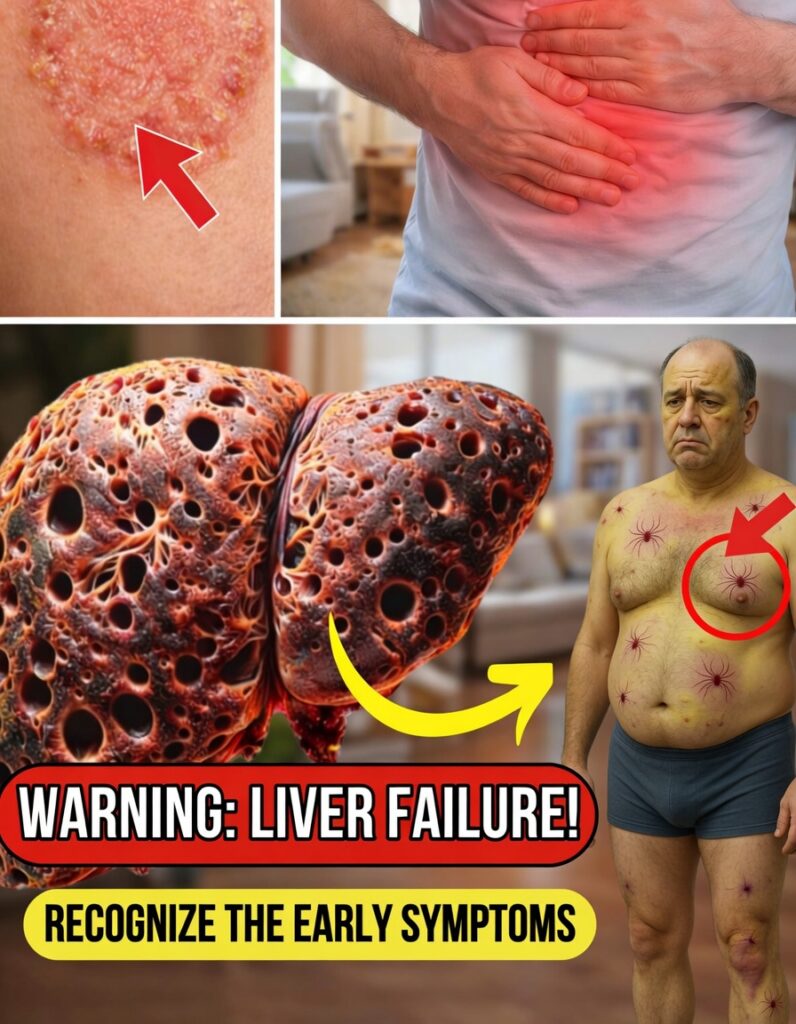
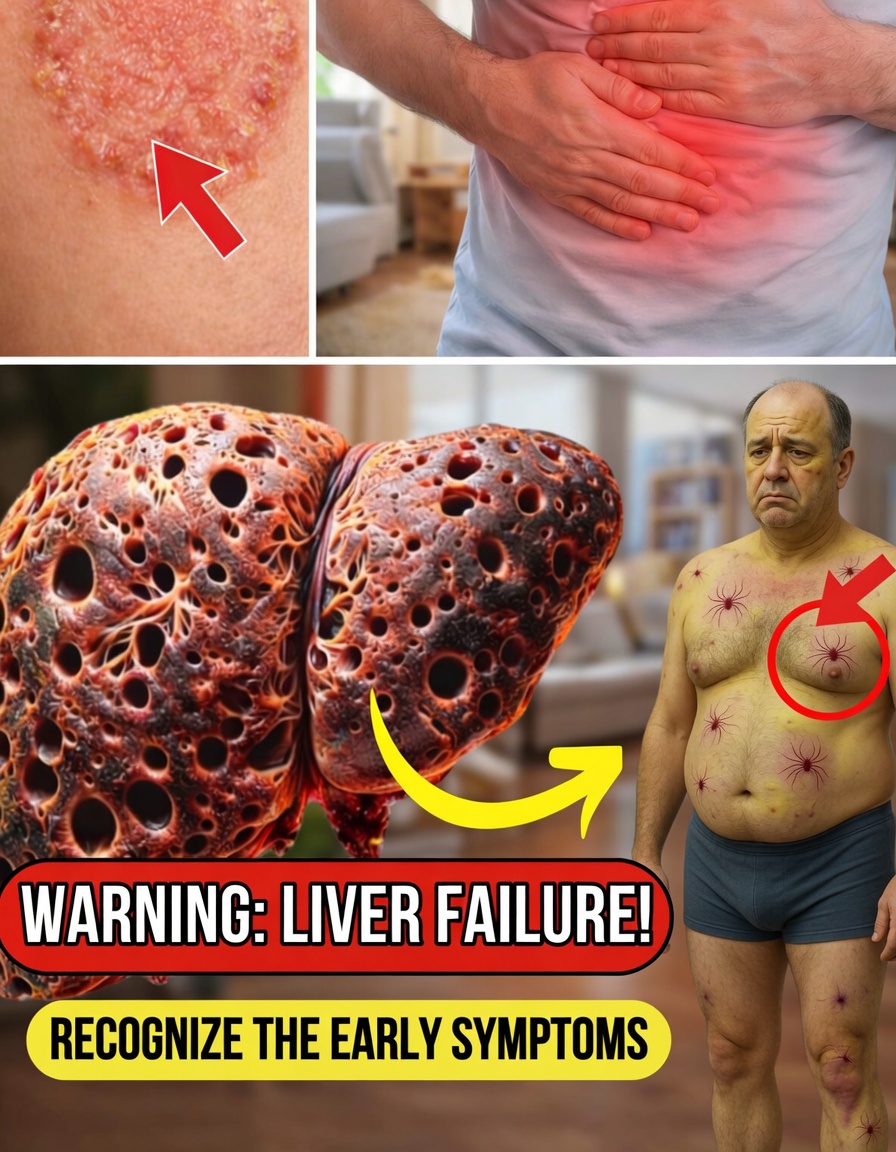
Many adults now report feeling unusually exhausted, experiencing bloating after meals, or noticing a persistent “heavy” sensation in the upper abdomen—often chalked up to stress, busy schedules, or getting older. However, medical research increasingly points to a common, often silent issue: metabolic dysfunction–associated steatotic liver disease (MASLD) (previously called non-alcoholic fatty liver disease). Recent estimates suggest roughly 40% of U.S. adults may have excess fat stored in the liver. Because MASLD can develop gradually—often influenced by body weight, diet quality, and low activity—it may contribute to ongoing fatigue and digestive discomfort without clear early warning signs.
The encouraging part is that daily habits strongly influence liver health, and many people notice real improvements from small, consistent lifestyle changes. Below are 17 possible signs your liver may be under strain (based on widely recognized clinical observations), plus practical, evidence-informed strategies to support liver function starting now. Stay to the end for a simple daily routine you can begin immediately.
The Growing Issue: Why Liver Health Deserves More Attention
After about age 35–40, subtle body changes can blend into normal life demands. Meanwhile, MASLD has become one of the most widespread liver conditions worldwide, closely linked to metabolic health. When fat builds up inside liver cells beyond healthy levels, it can gradually interfere with energy regulation, digestion, and metabolic balance.
Many people only discover a problem after routine lab work shows elevated liver enzymes, or an ultrasound/scan reveals liver changes. Catching concerns early matters: research supports that gradual weight reduction (when needed), improved nutrition, and consistent movement can help protect liver function and may reduce liver fat over time.
So how can you tell whether your liver may need extra support? Start by learning the signals—beginning with the earliest, easiest-to-miss clues.
Early Signs You Shouldn’t Ignore
These symptoms often appear slowly and can be mistaken for everyday stress or “normal” digestive trouble.
1. Persistent Fatigue That Rest Doesn’t Fix
If you feel worn out despite adequate sleep, your liver may be struggling with its role in energy metabolism and nutrient processing, contributing to ongoing low energy.
2. Regular Bloating or Excess Gas After Meals
Frequent post-meal discomfort can be tied to digestive changes that sometimes accompany liver inflammation or metabolic dysfunction.
3. Pressure or Discomfort Under the Right Ribcage
A dull ache, heaviness, or fullness in the upper right abdomen may occur because the liver sits there, and enlargement from fat accumulation can create noticeable sensations.
4. Poor Appetite or Feeling Full Quickly
If you’re suddenly less interested in food or get full faster than usual, hormonal and metabolic signaling shifts may be involved.
5. On-and-Off Nausea Without a Clear Cause
Intermittent nausea can occur when the body has trouble processing certain compounds efficiently.
6. More Frequent Heartburn or Indigestion
Recurring burning, reflux, or upper-stomach discomfort may reflect digestive disruption that sometimes shows up alongside liver stress.
To spot patterns, try this quick self-check for one week:
- Rate your daily energy (1–10)
- Record how often bloating happens after meals
- Note whether right-side discomfort increases after eating
Awareness often makes trends easier to recognize—and easier to address early.

More Concerning Signs That Need Prompt Medical Attention
If liver strain progresses, symptoms may become more noticeable. The following signs warrant timely evaluation by a healthcare professional.
7. Dark Urine (Tea- or Cola-Colored)
Unusually dark urine can indicate changes in how the body processes bilirubin.
8. Pale, Gray, or Clay-Colored Stools
Light-colored stools may reflect reduced bile flow, which can affect digestion and waste elimination.
9. Yellowing of the Skin or Eyes (Jaundice)
Yellow discoloration can signal bilirubin buildup and should be assessed immediately.
10. Strong, Persistent Itching (Often Worse at Night)
Severe itching may occur when bile-related compounds circulate in the bloodstream.
11. Spider-Like Blood Vessels on the Skin
Small, web-shaped vessels (often on the chest/face) can sometimes be associated with liver-related hormonal shifts.
12. Unusually Red Palms
Persistent redness in the palms may appear in certain liver conditions due to circulatory or hormonal changes.
13. Easy Bruising or Unexplained Red Spots
When bruises appear easily—or red/purple spots show up without injury—it may suggest changes related to nutrient handling or clotting factors.
14. Swelling in the Legs or Abdomen
Fluid retention (especially abdominal swelling) can be a sign of more advanced liver dysfunction and needs medical assessment.
15. Difficulty Seeing in Dim Light (Night Blindness)
Trouble adjusting to low light may relate to challenges processing or storing vitamin A.
16. Breast Tissue Enlargement in Men (Gynecomastia)
Hormonal imbalance can sometimes occur with chronic liver issues.
17. Severe or Increasing Right-Side Abdominal Pain
Strong or worsening pain may signal enlargement or complications and should be evaluated promptly.
If you notice multiple symptoms—especially jaundice, dark urine, significant itching, swelling, or severe pain—seek medical care for appropriate testing (often including blood work and imaging).
Risk Factors You Might Not Realize Affect the Liver
Several common health and lifestyle factors increase the likelihood of MASLD and liver strain, including:
- Excess body weight (especially abdominal fat)
- Type 2 diabetes or insulin resistance
- High blood pressure
- High triglycerides or abnormal cholesterol
- Low physical activity
- Diets high in ultra-processed foods, added sugars, or sugary drinks
- Alcohol intake (even “moderate” use may add strain for some individuals)
Evidence-Informed Ways to Support Liver Health Naturally
Sustainable lifestyle shifts tend to outperform quick “detox” fixes. Research consistently links liver support with regular activity, improved diet quality, and gradual weight management when needed.
Key habits that make a measurable difference:
- Move at least 150 minutes per week (moderate activity such as brisk walking, cycling, or swimming)
- Aim for gradual weight loss if appropriate: losing 5–10% of body weight may improve liver fat and metabolic markers in many people
- Limit alcohol and avoid excess intake
- Cut back on refined sugar and sugary drinks, and reduce ultra-processed foods high in fructose and unhealthy fats
Add Liver-Supportive Foods More Often
Consider building meals around:
- Coffee: Moderate intake (often cited as ~2–3 cups/day, plain) is associated in research with lower liver inflammation markers in many populations
- Olive oil and avocados: healthier fats plus antioxidants
- Cruciferous vegetables (broccoli, Brussels sprouts, kale): support natural detox pathways
- Turmeric (paired with black pepper): studied for anti-inflammatory effects and improved absorption
- Whole grains, berries, leafy greens: fiber supports digestion and metabolic health
Smart Swaps That Support the Liver
- Sugary soda or juice → Water, unsweetened tea, black coffee
- Fried snacks and fast food → Grilled/baked meals with olive oil
- White bread/pastries → Oats, quinoa, whole grains
- Frequent high-fat red meats → Fatty fish, beans, nuts, plant proteins

A Simple 4-Week Starter Plan (Begin Today)
Weeks 1–2
- Remove or reduce added sugars (especially drinks)
- Add a daily walk
- Include one liver-supportive food per day (for example: avocado salad or broccoli with dinner)
Weeks 3–4
- Add coffee (if tolerated) or turmeric tea
- Increase vegetable servings across meals
- Track changes in energy, bloating, and digestion (many people report noticeable improvements with consistency)
Ongoing
- Keep changes realistic and repeatable—long-term consistency is what supports lasting results.
Conclusion: Small Daily Choices Can Make a Big Difference
The liver is remarkably resilient. With steady, balanced habits—better food choices, regular movement, and reduced sugar/alcohol intake—you can meaningfully support liver function and overall metabolic health. Many people notice steadier energy, less bloating, and improved comfort by starting with just one change.
Pick one step today: replace a sugary drink with water or black coffee, or take a 10–15 minute walk after a meal.
FAQ
What are the most common early signs of liver stress?
Common early complaints include ongoing fatigue, bloating, and upper-right abdominal discomfort, often without dramatic symptoms.
Can lifestyle changes truly improve liver health?
Yes. Evidence supports that exercise, gradual weight management, and a nutrient-dense diet can improve metabolic markers and support healthier liver function.
When should I see a doctor about possible liver problems?
Seek medical advice promptly if you notice jaundice, dark urine, persistent severe itching, swelling, easy bruising, or worsening right-side pain.
Disclaimer: This article is for informational purposes only and does not replace professional medical advice. Symptoms can have many causes. Always consult a qualified healthcare provider for diagnosis, testing, and treatment guidance.