
A Simple Daily Wellness Boost: Why Garlic and Cloves Deserve a Spot in Your Routine
When life gets busy or the seasons shift, it’s natural to look for gentle, everyday ways to stay resilient. Many people start with what’s already in the kitchen—simple staples that do more than add flavor. Garlic and cloves are two classic ingredients valued across cultures for generations, not only in cooking but also for their potential to support overall well-being in practical, low-effort ways.
What makes them especially interesting is how well they complement each other. Used together, their natural compounds create a more versatile wellness pairing—easy to prepare, affordable, and adaptable to daily habits.

Why Garlic Is Considered a Trusted Natural Wellness Ally
Garlic (Allium sativum) has a long history in traditional health practices, and modern research continues to explore why it stands out. The key moment happens when garlic is chopped or crushed, which triggers the formation of allicin—a sulfur-containing compound derived from alliin. Allicin is responsible for garlic’s signature aroma and much of its scientific interest.
Current evidence suggests garlic may contribute to day-to-day wellness in several ways:
- Immune support: Studies indicate garlic can influence immune cell activity, which may help the body stay prepared during times when extra support is needed.
- Cardiovascular support: Reviews of human research suggest modest benefits for maintaining healthy blood pressure and supporting heart health markers, potentially by encouraging relaxed blood vessels and more balanced cholesterol patterns.
- Natural antimicrobial activity: Garlic has demonstrated antimicrobial potential, which may help the body manage common microbes encountered in daily life.
- Inflammation balance: Its bioactive compounds may support the body’s normal inflammatory response, contributing to overall comfort and ease.
Key garlic compounds
- Allicin and other organosulfur compounds
Common wellness areas linked to garlic
- Immune response, heart health markers, everyday microbial defense, inflammation balance
Cloves: Small Spice, Big Potential
Cloves (Syzygium aromaticum) are known for their warm, aromatic flavor—but their reputation goes well beyond taste. The primary active component is eugenol, a phenolic compound recognized for strong antioxidant activity. This makes cloves especially notable for helping the body manage everyday oxidative stress.
Research and traditional use commonly associate cloves with:
- Antioxidant defense: Eugenol may help protect cells by neutralizing free radicals.
- Microbial balance: Laboratory studies show clove compounds can act against certain bacteria and fungi.
- Oral comfort: Eugenol’s mild numbing effect has long made cloves popular for soothing minor tooth or gum discomfort.
- Digestive support: Cloves are also used to support digestion, including easing occasional bloating or gas after meals, potentially by encouraging digestive enzyme activity.
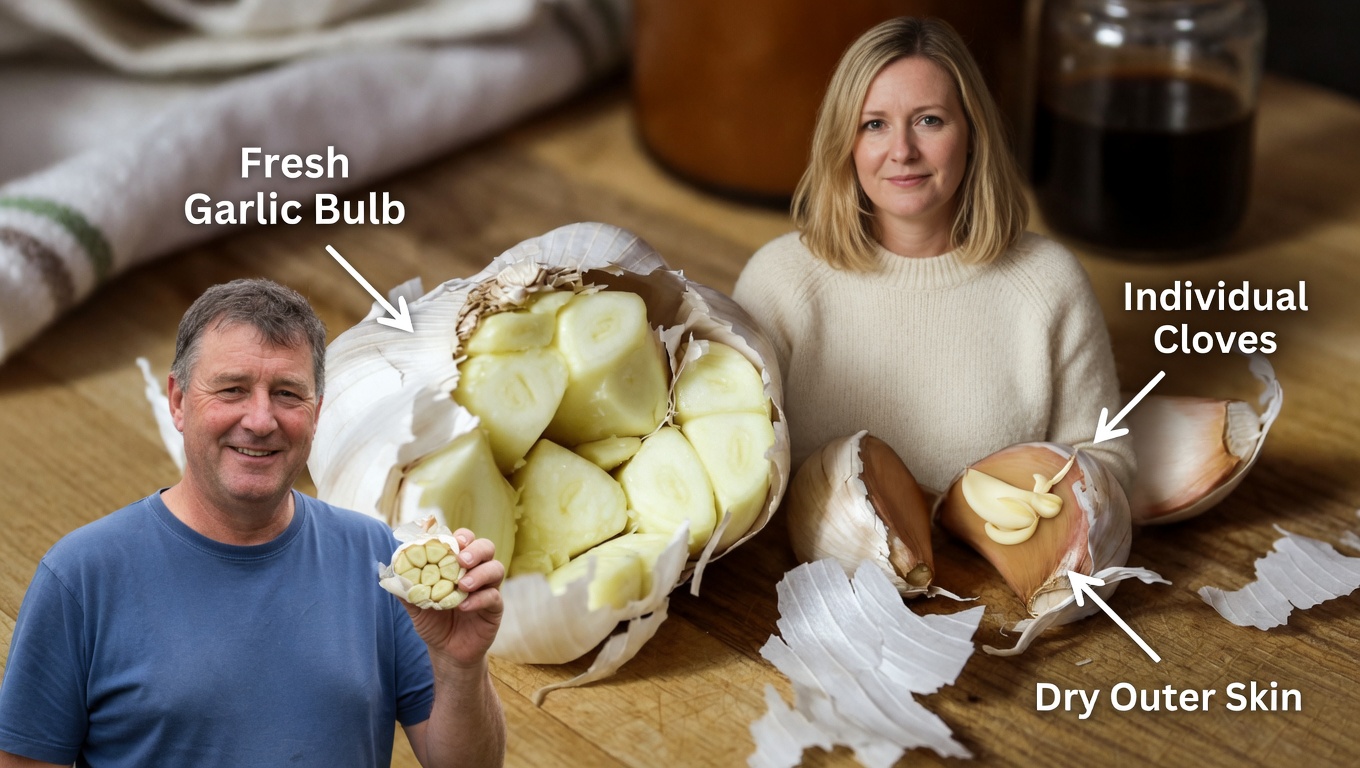
Standout clove compound
- Eugenol (often the dominant component in clove oil)
Well-known areas of clove support
- Antioxidant support, microbial balance, digestive comfort, oral soothing
Why Garlic and Cloves Work Well Together
Pairing garlic’s sulfur compounds with cloves’ eugenol creates a blend rich in antioxidants and supportive plant compounds. Traditional wellness recipes often combine them—sometimes with honey—to create a warming infusion used for general vitality.
While research focused specifically on the combined mixture is still developing, the evidence behind each ingredient suggests they may offer additive support when used together, especially for:
- Daily resilience and seasonal wellness
- Antioxidant activity
- Supporting the body’s normal inflammatory response
- Respiratory comfort during seasonal shifts
- General immune and heart support
Why many people like this pairing:
- Supports everyday resilience
- Encourages breathing comfort during seasonal changes
- Enhances the body’s natural protective mechanisms
- Fits easily into food-based routines without supplements or special tools
Easy, Practical Ways to Use Garlic and Cloves Daily
If you want to try this duo, start with fresh ingredients and moderate amounts. Here are three straightforward options.
1. Garlic and Clove Tea (A Warm Comfort Drink)
A simple infusion that many people reach for during cooler weather or when they want gentle support.
How to make it
- Crush 1–2 fresh garlic cloves (crushing helps form allicin).
- Add 2–3 whole cloves.
- Pour 1–2 cups of hot (not boiling) water over them.
- Steep for 5–10 minutes.
- Strain, then optionally mix in 1 teaspoon of raw honey for a smoother taste.
How often
- Sip once or twice per day, especially when you want a warming, supportive drink.
2. Use Them in Everyday Cooking
This is often the easiest approach—flavor and function in one step. Add minced garlic and a small pinch of ground cloves to:
- Soups and stews
- Roasted vegetables and marinades
- Stir-fries and pasta sauces
Tip: Use gentler heat when possible to better preserve delicate compounds while still improving taste.
3. Honey-Infused Garlic and Clove Mix (Overnight Prep)
A classic preparation that combines sweetness with a strong, aromatic profile.
Steps
- Peel and lightly crush a few garlic cloves.
- Add 3–4 whole cloves.
- Cover completely with raw honey in a clean jar.
- Let sit overnight (or longer if you prefer a deeper, fermented-like flavor).
- Take 1 teaspoon in the morning, or stir into warm tea.
Start with small amounts and adjust based on comfort and tolerance.
Safety Notes and Precautions
In typical food amounts, garlic and cloves are considered safe for most people. Still, these reminders can help you use them comfortably:
- Raw garlic may cause strong breath or body odor; parsley or milk may help reduce it.
- Larger amounts may have a mild blood-thinning effect and could interact with:
- anticoagulant medications
- blood pressure treatments
- diabetes medications
- Avoid ingesting concentrated clove oil, especially for children and for those who are pregnant or sensitive to strong essential oils.
- If you have allergies, digestive concerns, or take medications, consult a healthcare professional before using them regularly in concentrated forms.
Moderation matters—food-based use is generally gentler than supplements or oils.
Final Takeaway: Simple Ingredients, Meaningful Support
Garlic and cloves are more than pantry basics. They offer a practical way to add natural wellness support to everyday life—whether you’re aiming for immune resilience, heart-friendly habits, antioxidant support, or easier digestion. From tea to cooking to honey infusions, this pairing makes it easy to build small routines that feel sustainable.
Try one method this week and see how it fits your day—consistent, simple steps often make the biggest difference over time.
Frequently Asked Questions
Can I drink garlic and clove tea every day?
For most people, yes—in moderation. Around 1–2 cups daily is a common, gentle range. Start small and notice how you feel.
Is raw garlic more effective than cooked garlic?
Crushing raw garlic helps maximize allicin formation, but cooked garlic still offers benefits and is often easier on digestion.
What if I don’t tolerate strong flavors?
Use less garlic, add a bit more honey, or rely on cooking methods where heat naturally softens the intensity.
Disclaimer: This article is for informational purposes only and does not provide medical advice. Garlic and cloves may support general wellness, but they are not a substitute for professional care. Speak with a qualified healthcare provider before using them therapeutically, especially if you have medical conditions or take medications.