Many older adults live with ongoing foot discomfort as a “normal” part of aging. In fact, foot problems are extremely common—up to 87% of people experience some kind of foot issue in their lifetime, and surveys suggest around 1 in 4 seniors report persistent foot pain or related concerns. By the time someone reaches age 65, foot and ankle conditions that limit mobility and comfort are widespread.
These issues often don’t appear overnight. Years of daily wear, reduced circulation, drier skin, and long hours in shoes can gradually lead to soreness, rough skin, unsteady balance, and a tendency to avoid movement that once felt easy.
A gentle, at-home routine may help support daily foot comfort: apple cider vinegar (ACV) foot soaks. Many people use this common kitchen staple as a natural option to support foot hygiene and create a healthier environment for the skin. Below, you’ll learn how ACV soaks may fit into senior foot care, what they may help with, and how to do them safely.
Why Foot Discomfort Becomes More Common With Age
Foot concerns typically increase in later years. Health data often places regular foot pain in older adults at roughly 24–30%, and organizations including the CDC note that foot discomfort can contribute to:
- Reduced physical activity
- Balance instability
- Higher risk of falls
When feet feel dry, irritated, or sore, even everyday pleasures—walking, gardening, traveling, or simply spending time with family—can feel like a chore. While some people assume this is unavoidable, consistent self-care habits can improve how feet feel from day to day.
Traditional solutions (like moisturizing creams, orthotics, or supportive footwear) are helpful for many. However, they don’t always address one key factor: the warm, enclosed, moisture-prone environment inside shoes, which can encourage odor and microbial growth. That’s one reason ACV foot soaks are often explored as a simple, affordable addition to a routine.
How Apple Cider Vinegar Foot Soaks May Support Foot Wellness
Because feet can spend hours enclosed in socks and shoes, bacteria and other microbes may thrive—especially when there’s sweat, friction, or skin breakdown. Apple cider vinegar contains acetic acid and other naturally occurring compounds that may:
- Help shift the skin’s pH toward a less microbe-friendly environment
- Offer mild antimicrobial activity (supported by lab findings in certain contexts)
- Provide gentle exfoliation that supports smoother skin
Warm water soaks may also feel soothing and encourage circulation. While large, senior-specific clinical trials are limited, dermatology discussions often recognize vinegar’s antibacterial and antifungal activity in select use cases. In real life, many users report that ACV soaks feel refreshing and supportive when done consistently and safely.
Below are six common foot concerns and how ACV soaks may relate to each.
1) Itching and Irritation Between the Toes
Itching, peeling, or irritation between toes is common, particularly in moisture-trapping footwear. A properly diluted ACV soak may help by creating a mildly acidic environment that can discourage fungal-friendly conditions, based on antimicrobial research.
Many people who use ACV soaks consistently report gradual relief in comfort. Start with a mild dilution to see how your skin responds.
2) Everyday Foot Fatigue and Mild Swelling
After standing or walking for long periods, feet may feel heavy or slightly swollen. A warm soak can be calming on its own, and ACV soaks may add an extra “refreshing” effect.
Anecdotal reports often describe:
- Less end-of-day heaviness
- A lighter feel the next morning after regular soaking
Some emerging research also explores potential anti-inflammatory properties of ACV components, though evidence in humans is still developing.
3) Supporting Healthier-Looking Toenails Over Time
Thickened or discolored nails can be discouraging and may relate to mild fungal issues. Lab evidence suggests acetic acid can inhibit certain fungi in controlled settings.
If ACV soaks help at all in this area, they typically require patience and consistency—often weeks to months—alongside good nail hygiene.
4) Softening Calluses and Cracked Heels
Rough patches and heel cracks may snag socks, feel tender, and make walking uncomfortable. ACV’s mild acids may support gentle exfoliation, helping soften hardened buildup over time.
For best results, many people pair soaking with:
- Light filing after the soak (do not overdo it)
- A rich moisturizer to lock in hydration
5) Reducing Everyday Foot Odor
Foot odor usually comes from bacteria interacting with sweat. Because ACV may help balance skin pH and reduce odor-causing microbial activity, many people find that regular soaks support a cleaner, fresher feel.
This aligns with vinegar’s documented antibacterial potential in certain contexts.
6) A General “Reset” for Tired Feet
Even without a specific complaint, warm soaks can encourage relaxation and comfort. Adding ACV may provide a gentle overall refresh, and some people associate it with mild antioxidant support.
Many describe the routine as leaving feet feeling:
- Cleaner
- Lighter
- More comfortable in shoes
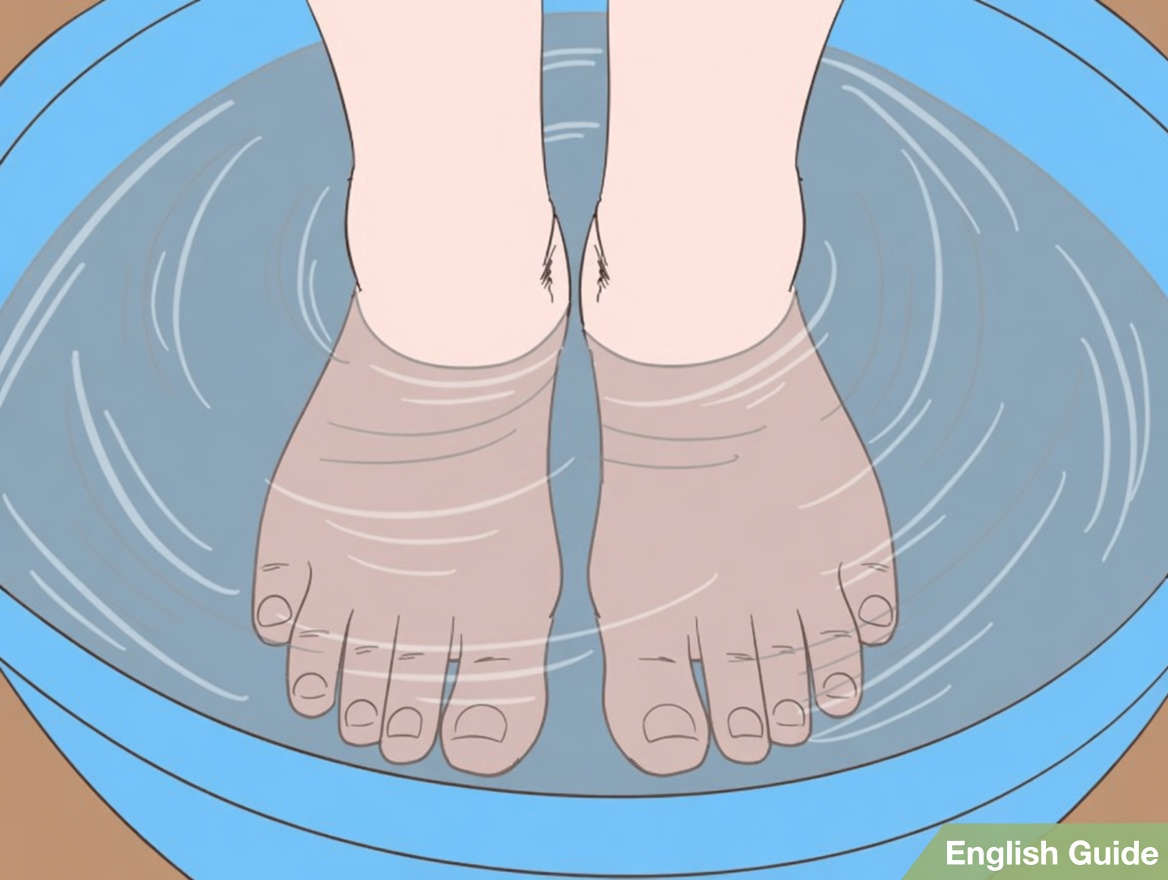
A Simple ACV Foot Soak Routine (At Home)
Follow this straightforward approach to keep the routine gentle and senior-friendly.
What you’ll need
- A basin large enough for both feet
- Warm water (not hot)
- Apple cider vinegar, ideally raw or organic (often chosen “with the mother”)
Dilution ratio
- Start with 1 part ACV to 3–4 parts water (milder for sensitive skin)
- You can adjust later, but avoid overly strong mixtures
How long and how often
- Soak 15–20 minutes
- Repeat 2–3 times per week
- Use the time to relax—read, listen to music, or practice slow breathing
Aftercare
- Pat feet completely dry (especially between toes)
- Gently file rough skin only if needed
- Apply a moisturizer (many use coconut oil or a thick foot cream) to seal in hydration
Optional addition
- Add a handful of Epsom salts if you enjoy them; many people find this improves relaxation and softness
Patch test (important)
Before your first full soak, apply diluted ACV to a small area near the ankle and wait about 15 minutes. If stinging, redness, or irritation appears, stop and rinse.

Quick Reference: Common Foot Concerns and How ACV Soaks May Help
-
Itch/Irritation
- What it feels like: peeling or burning between toes
- Why ACV may help: acidic environment may discourage fungi
- Evidence notes: antimicrobial studies (context-dependent)
- Typical frequency: 3–4 times/week
-
Tired or Mildly Swollen Feet
- What it feels like: aching after standing
- Why ACV may help: warm soak comfort + possible circulation support
- Evidence notes: emerging anti-inflammatory discussion
- Typical frequency: 2–3 times/week
-
Toenail Appearance Changes
- What it feels like: thicker or discolored nails
- Why ACV may help: acetic acid may inhibit mild fungal activity
- Evidence notes: lab findings + user experiences
- Typical frequency: daily or near-daily for months (if tolerated)
-
Rough Skin / Cracked Heels
- What it feels like: dry, thick calluses and painful fissures
- Why ACV may help: mild exfoliation and softening
- Evidence notes: keratolytic-like effects from gentle acids
- Typical frequency: 2–3 times/week
-
Foot Odor
- What it feels like: persistent smell from sweat and bacteria
- Why ACV may help: pH support + antimicrobial action
- Evidence notes: antibacterial potential in certain contexts
- Typical frequency: 2–3 times/week
-
General Refresh
- What it feels like: heavy, “worked” feet
- Why ACV may help: relaxing routine + circulation support
- Evidence notes: general wellness practice
- Typical frequency: as needed
A Practical Timeline to Build the Habit
- Weeks 1–2: Begin with 2 gentle soaks; look for early signs like softer skin or less irritation.
- Weeks 3–4: Increase to 3 sessions weekly and be consistent with moisturizing; many notice a fresher feel and less heaviness.
- Week 5 and beyond: Maintain the routine; consider Epsom salts if you like the effect. With time, smoother skin and more comfortable steps are common goals.
Advanced Tips for Better Results
- Add 1–2 drops of tea tree oil only if your skin tolerates it well (avoid if sensitive).
- Massage moisturizer in small circular motions after soaking to support absorption.
- Store ACV in a cool, dark place to help preserve quality.
With a month of consistent care, many people hope to notice smoother skin, fewer day-to-day distractions from discomfort, and more enjoyment in walking and movement.
Medical Disclaimer
This content is for informational purposes only and does not replace professional medical advice. Speak with a healthcare provider before starting new routines—especially if you have diabetes, poor circulation, open wounds, neuropathy, or chronic health conditions.
FAQ
Is apple cider vinegar safe for daily foot soaks?
Diluted ACV is often well-tolerated, but daily use can be too frequent for some skin types. Start with a mild dilution, monitor for irritation, and consult a clinician if you have sensitive skin or a medical condition.
How soon might I notice results?
Some people report small changes within 1–2 weeks, while more noticeable improvements often require a month or longer of consistent use.
Can I use white vinegar instead of apple cider vinegar?
Yes. White vinegar also contains acetic acid and can work similarly. Many prefer raw ACV because it contains additional natural compounds, but both options are commonly used in vinegar soaks.