Persistent digestive upset, unexplained tiredness, or rapid changes on the scale are easy to chalk up to stress, travel, or “getting older.” The problem is that several serious illnesses can begin with faint, easily overlooked clues. Because these signals often feel ordinary, many people postpone a checkup until symptoms are harder to ignore. Near the end of this article, you’ll find a simple self-check habit that can change how quickly you recognize early body warnings.
Why Pancreatic Cancer Is Known as a “Silent” Disease
Pancreatic cancer is often found at a later stage—not because people neglect their health, but because early symptoms are frequently subtle and nonspecific. Major medical organizations and leading centers (including Johns Hopkins Medicine and Mayo Clinic) note that early signs can resemble common digestive, skin, or blood-sugar issues.
What makes it difficult is overlap: early warning signs can look like indigestion, back strain, routine blood sugar fluctuations, or mild skin irritation. That similarity can cause people to dismiss what their body is signaling.
The key insight: a single mild symptom may be common, but a pattern of multiple subtle changes deserves attention—especially when they persist.
A Quick Self-Check Before You Continue
Take a moment and rate each item from 1 to 10 (1 = not present, 10 = severe):
- Ongoing digestive changes
- Appetite shifts
- Unusual fatigue
- Skin or stool color changes
Keep these numbers in mind—we’ll come back to them later.
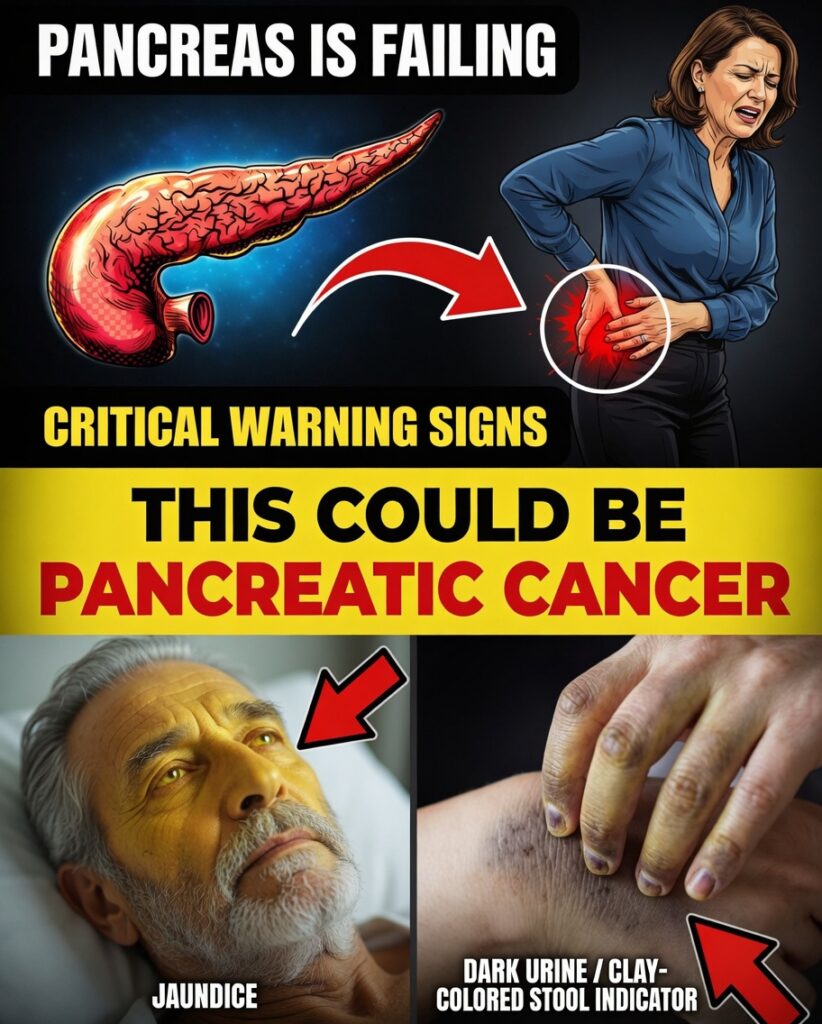
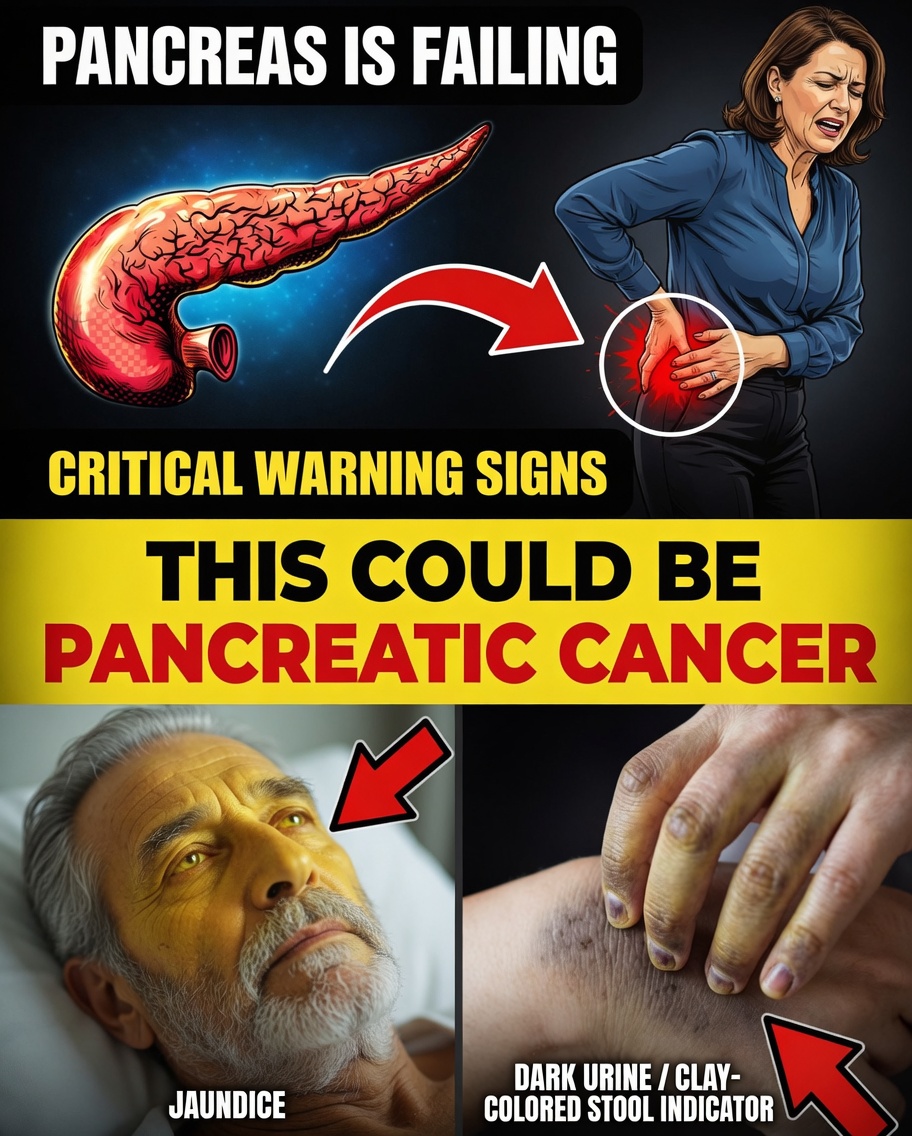
1) Yellowing of the Skin or Eyes (Jaundice)
A faint yellow tone in the skin or the whites of the eyes can be an early visible clue. This typically happens when bilirubin (a yellow pigment found in bile) builds up in the bloodstream.
Medical summaries commonly explain that this can occur when bile flow is obstructed, including blockage of bile ducts.
Pay attention to:
- Yellowing that’s easiest to see in natural daylight
- Dark urine appearing around the same time
- Pale or clay-colored stools
- New, unexplained itching
Many people notice yellowing in the whites of the eyes first, before the skin changes.
2) Unintentional Weight Loss
Losing weight without trying can seem welcome—until it signals a deeper problem. Clinical reviews often recommend evaluation when someone loses roughly 5–10% of body weight over a few months without intentional diet or activity changes.
Possible reasons can include:
- Reduced digestive enzyme output
- Poor nutrient absorption
- Feeling full unusually quickly
- Increased metabolic stress
If your clothing becomes noticeably looser without effort, record the timing and amount.
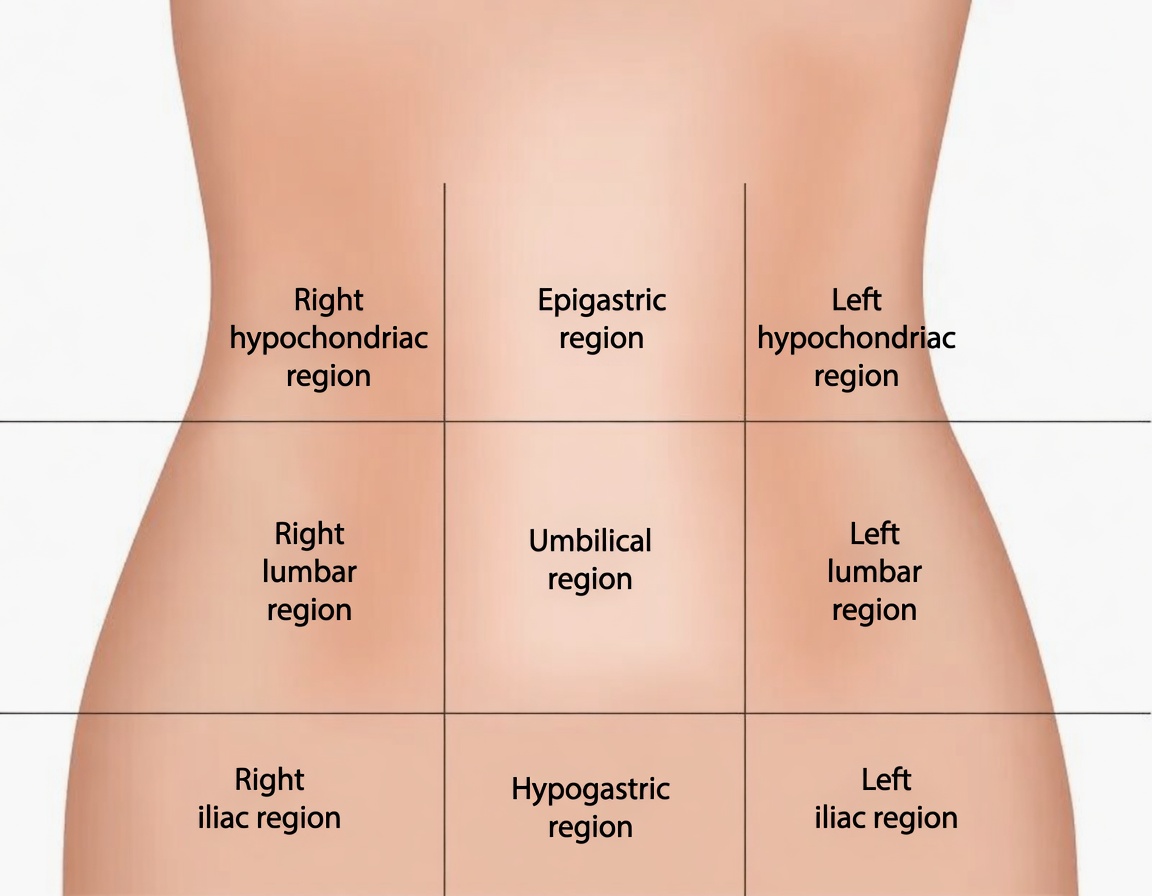
3) Upper Abdominal Pain That Radiates to the Back
This specific pain pattern is repeatedly described in clinical discussions: discomfort starting in the upper abdomen that seems to travel into the mid-back, often worsening when lying down.
It’s commonly misattributed to:
- Muscle strain
- Acid reflux
- Posture-related pain
- Gallbladder issues
The deciding factor is often persistence plus a recognizable pattern, not a one-off episode.

4) Greasy, Floating, or Pale Stools
Stool changes can reflect how well the body is digesting fat. When digestive enzymes are insufficient, fat may not break down properly, leading to signs of fat malabsorption.
Look for:
- Oily or greasy appearance
- Stronger-than-usual odor
- Stools that float more often
- Unusually pale color
This is sometimes referred to as steatorrhea (excess fat in the stool).
5) Ongoing Loss of Appetite or Early Fullness
If food repeatedly seems unappealing, or you feel full after only a few bites, it’s worth noting—especially if it continues.
This may relate to:
- Shifts in digestive enzyme function
- Inflammation
- Pressure affecting nearby digestive structures
A short-lived appetite dip is normal. A consistent, unexplained appetite drop is not.
6) New Blood Sugar Changes After Age 50
Medical literature has long discussed a connection between pancreatic disease and glucose regulation. In some adults over 50, a sudden change in blood sugar—especially without typical risk factors—may appear before other symptoms.
Possible signs include:
- Unexpected glucose spikes
- Increased thirst
- Frequent urination
- Feeling drained after meals
This does not mean every blood sugar change is cancer-related. But sudden, unexplained shifts should be tracked and discussed.
7) Persistent Itching Without a Rash
Ongoing itching with no visible rash can sometimes occur when bile salts build up in the bloodstream.
It’s often mistaken for:
- Dry skin
- Seasonal allergies
- A detergent or soap reaction
- Weather-related irritation
If moisturizers and allergy strategies don’t help, write it down and mention it at your next medical visit.
8) Fatigue That Doesn’t Improve With Rest
Everyday tiredness is common. But fatigue that remains heavy even after adequate sleep is different.
System-wide illness can drive fatigue through factors such as:
- Nutrient absorption problems
- Inflammation
- Metabolic strain
A practical two-week tracker:
- Rate energy daily from 1 to 10
- Note hours of sleep
- Note digestive symptoms
- Watch for repeating patterns
Patterns often provide clearer insight than memory.
9) Unexpected Blood Clots
Some cancers are associated with a higher tendency for clot formation. Any unexplained blood clot, especially without surgery, injury, or prolonged immobility, requires medical evaluation.
Warning signs may include:
- Swelling in one leg
- Warmth and pain (often in the calf)
- Sudden shortness of breath (urgent evaluation needed)
Do not self-diagnose—but do not ignore clot symptoms.
10) Dark Urine and Pale Stools at the Same Time
This combination can be more meaningful than either sign alone and may suggest disrupted bile flow.
- Dark urine can occur when bilirubin exits through the kidneys
- Pale stools may occur when less bile reaches the intestines
- Together, they may point to bile flow interference
When symptoms cluster, the need for timely evaluation increases.
When Several Subtle Signs Show Up Together
A single mild symptom can be common and harmless. Clusters of unexplained changes carry more weight.
Examples of symptom combinations that deserve higher attention:
- Jaundice plus itching
- Weight loss plus appetite loss
- Stool changes plus persistent fatigue
- Back-radiating abdominal pain plus new glucose changes
Across medical guidance, pattern recognition matters more than isolated symptoms.
Practical Steps You Can Start Today
Make your awareness actionable:
-
Track symptoms for 14 days
- Appetite
- Energy level
- Stool appearance
- Pain location and triggers
- Skin/eye color changes
-
Use a simple symptom journal
- Short notes beat guesswork later.
-
Check skin and eyes in natural light
- Do a weekly look, especially at the whites of the eyes.
-
Review risk factors
- Higher vigilance may be warranted with: age over 50, smoking history, family history, obesity, or chronic pancreatitis.
-
Schedule a medical appointment if patterns persist
- Bring your notes—timelines help clinicians make better decisions.
Supportive Lifestyle Habits While You’re Getting Checked
These steps don’t replace medical care, but they support overall health during evaluation:
- Drink enough water
- Reduce or avoid alcohol
- Avoid smoking
- Choose balanced, nutrient-dense meals
- Keep gentle, consistent movement
- Protect sleep consistency
Think of this as reducing the body’s “background load” while you seek clarity.
The Awareness Habit Most People Don’t Use
Many people respond to symptoms emotionally in the moment. Clinicians, however, look for change over time.
The habit that improves clarity is simple: track patterns instead of guessing causes.
That single shift can dramatically improve the quality of your conversation with a healthcare provider.
Key Takeaways
Subtle changes can appear before major diagnoses, and many early pancreatic cancer symptoms resemble everyday problems. The goal is not fear—it’s informed attention. Documenting persistent symptoms, noticing clusters, and seeking timely medical advice can shorten delays and improve decision-making.
FAQ
What is the earliest noticeable sign of pancreatic cancer?
There is no single universal first symptom. Medical sources often highlight jaundice, unexplained weight loss, and ongoing digestive changes as early clues worth discussing with a doctor.
Do these symptoms always mean pancreatic cancer?
No. Many of these signs are more commonly caused by less serious conditions. What matters most is persistence, unexplained change, and multiple symptoms appearing together.
When should someone seek medical evaluation?
If symptoms are ongoing, worsening, or clustered, especially after age 50, it’s wise to schedule a medical checkup and bring a brief symptom timeline.
Medical Disclaimer
This article is for informational purposes only and does not substitute for professional medical advice. Always consult a qualified healthcare provider for diagnosis and personal guidance.