How to Support Clearer, More Comfortable Vision With Simple Daily Habits
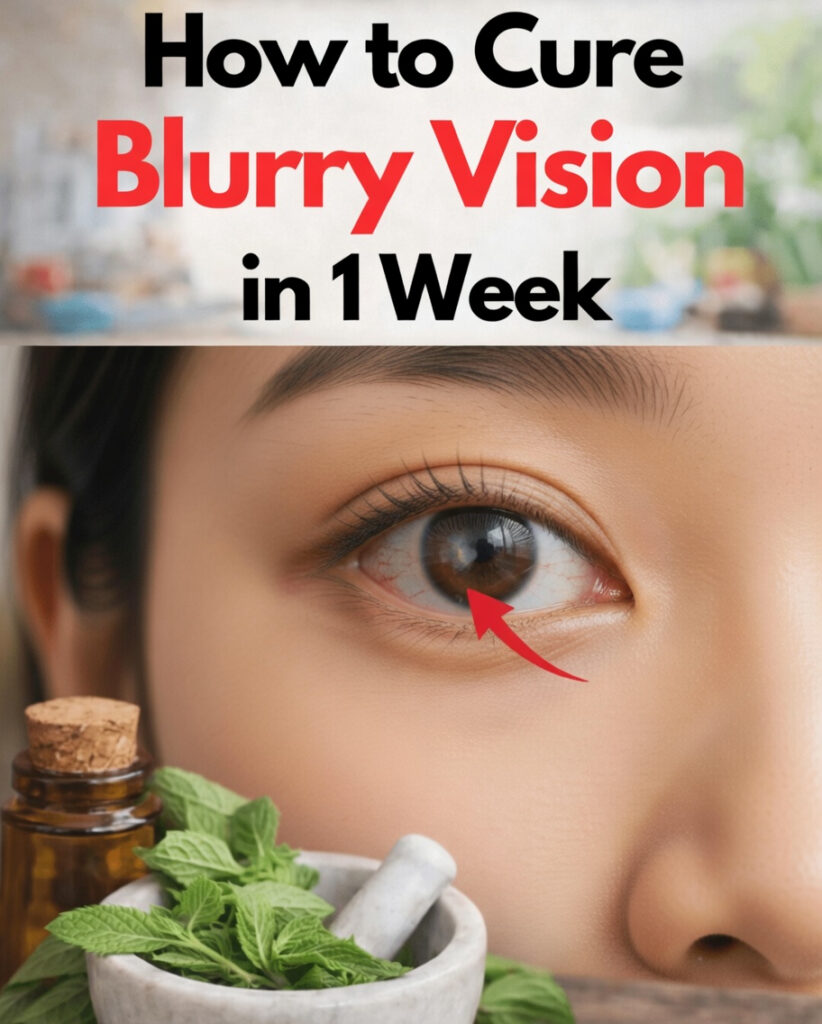
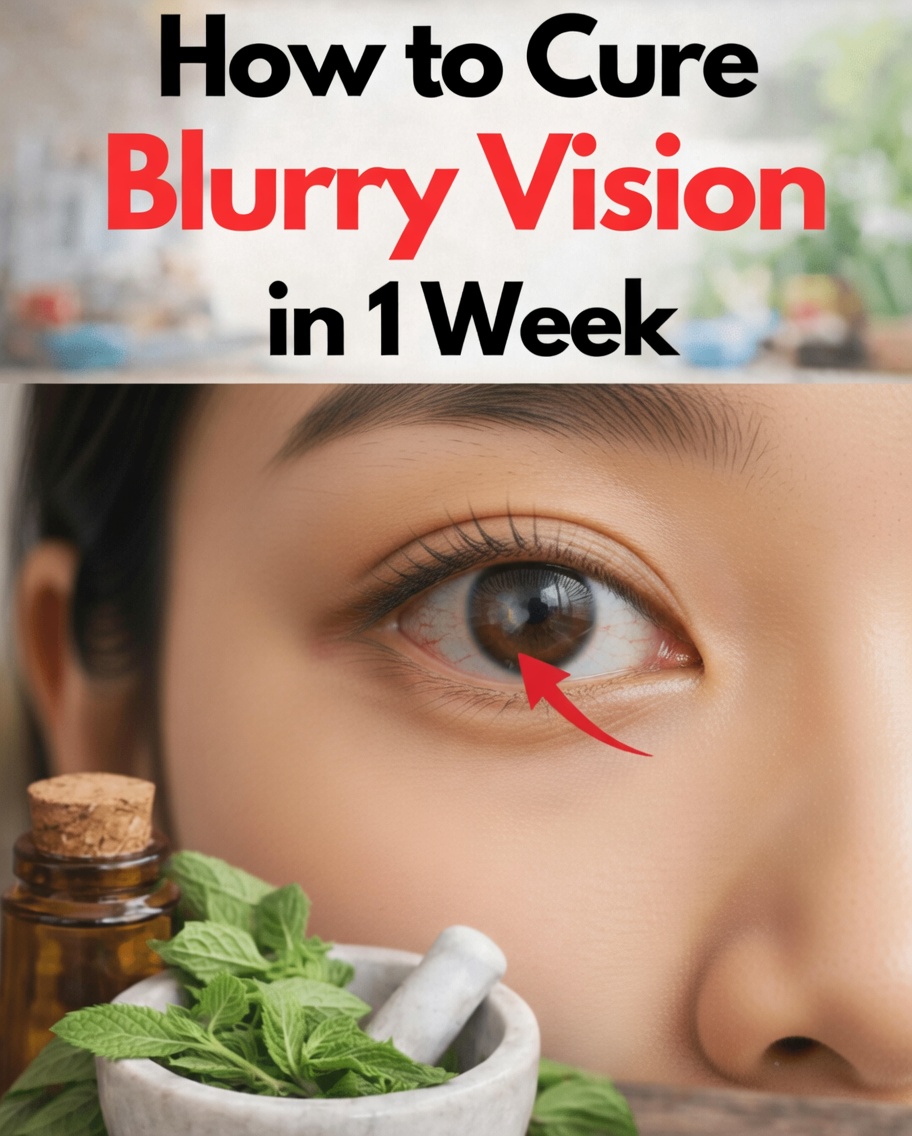
Waking up and noticing that your vision seems a little blurred can make ordinary tasks feel unnecessarily difficult. Reading product labels, working on a computer, or getting through a normal day can become more tiring when your eyes constantly feel strained. Squinting, rubbing your eyes, and dealing with that lack of crisp focus can be frustrating. The good news is that a few evidence-based habits may help support eye health and improve everyday visual comfort. Even better, one common herb already sitting in many kitchens may offer an extra boost when used consistently—and you’ll learn how to include it easily below.
Why Vision May Feel Less Sharp and What You Can Control
Changes in visual comfort often become more noticeable with age, long hours of screen use, or daily lifestyle stress. While not every cause is preventable, many factors that influence how your eyes feel each day are within your control. Research suggests that healthy routines, especially those involving diet, hydration, rest, and screen habits, can meaningfully support eye wellness.
Rather than waiting until discomfort becomes more serious, it makes sense to build small habits now. Consistency matters more than doing everything perfectly at once.
Nutrition Matters More for Eye Health Than Most People Think
The foods you eat help nourish the sensitive structures inside your eyes. Studies show that nutrients such as vitamins A, C, and E, along with antioxidants like lutein and zeaxanthin, may help defend the eyes against oxidative stress linked to reduced visual comfort over time. That is why eye-health specialists often recommend a diet rich in colorful produce, leafy vegetables, healthy fats, and nutrient-dense proteins.
Here are some of the best foods to include more often:
- Spinach and kale — excellent sources of lutein and zeaxanthin
- Salmon and mackerel — provide omega-3 fatty acids that help support tear quality
- Citrus fruits and berries — rich in vitamin C and protective antioxidants
- Nuts and seeds — contain vitamin E and zinc
- Eggs — offer lutein along with beneficial fats

Oregano: A Simple Kitchen Herb With Potential Eye-Support Benefits
Oregano is widely known for its bold flavor, but it also contains beneficial plant compounds such as carvacrol and thymol, along with small amounts of lutein and zeaxanthin. Some research suggests these antioxidant components may help the body manage oxidative stress, which plays a role in long-term eye wellness. Although more human studies are still needed, herbs commonly used in Mediterranean-style eating patterns—oregano included—continue to attract interest for their health-supportive properties.
Adding oregano to your routine is easy and does not require special products or complicated preparation.
Easy Ways to Use Oregano Every Day
- Chop fresh oregano and add it to salads, omelets, or scrambled eggs
- Steep 1 teaspoon of dried oregano in hot water for 5 to 10 minutes to make a simple tea
- Stir chopped oregano into homemade sauces, marinades, or dressings
- Sprinkle dried oregano over roasted vegetables, soups, or grain bowls
One of the best things about oregano is how accessible it is. You can buy it fresh or dried at almost any grocery store, and it also grows well on a sunny windowsill.
Smart Screen Habits That Help Reduce Eye Strain
If you spend a large part of your day looking at phones, tablets, or computer monitors, your eyes may be working harder than you realize. A widely recommended strategy from the American Optometric Association is the 20-20-20 rule, which helps reduce screen-related strain.
Follow These Steps During Screen Time
- Every 20 minutes, look away from your screen
- Focus on something about 20 feet away
- Keep your gaze there for at least 20 seconds
- Blink fully to help maintain natural eye moisture
- Adjust screen brightness so it matches the surrounding room
- Position your monitor roughly an arm’s length away and slightly below eye level
These small adjustments can make your eyes feel less fatigued by the end of the day.
Hydration and Sleep: Two Basics You Should Not Ignore
Many people overlook the effect of dehydration on their eyes. When the body does not get enough fluids, tear production may decrease, leading to dryness and less comfortable vision. Aiming for at least eight glasses of water a day can help, and herbal drinks like oregano tea can add variety.
Sleep is equally important. Your eyes rely on rest for recovery and repair. Research indicates that getting around seven to nine hours of quality sleep each night supports healthy eye function and may reduce that heavy, blurry feeling some people notice in the morning.

Daily Protection Against Common Eye Stressors
Your eyes deal with a range of environmental stress each day, including sunlight, dry air, wind, and digital blue light. Protective steps may seem minor, but they can make a lasting difference when practiced regularly. Physical activity also supports circulation, which benefits tissues throughout the body, including the eyes.
Helpful Habits to Practice Regularly
- Wear UV-blocking sunglasses outdoors — helps shield eyes from harmful ultraviolet exposure
- Use a humidifier in dry rooms — supports moisture in the air and may ease dryness
- Exercise for 30 minutes most days — promotes healthy blood flow
- Avoid rubbing your eyes — reduces irritation and lowers the risk of introducing germs
These are low-effort changes that can add meaningful support over time.
A Simple 7-Day Plan to Get Started
The easiest way to build new habits is to begin with a manageable routine.
Try This Starter Plan
- Day 1: Add oregano to two meals and use the 20-20-20 rule twice
- Day 2: Increase your water intake and adjust your screen brightness
- Day 3: Brew oregano tea and take note of how your eyes feel in the evening
- Day 4: Wear sunglasses outdoors and avoid rubbing your eyes
- Day 5: Add one eye-friendly food such as leafy greens or eggs to your meals
- Day 6: Focus on getting a full night of sleep
- Day 7: Repeat the habits that felt easiest and most helpful
Keeping a short note on your phone each evening can help you track improvements in comfort. Many people notice positive changes when they stay consistent for even a brief period.
Want Results Sooner? Focus on Consistency
A common question is whether combining several of these habits leads to faster improvement. The answer varies from person to person, since everyone’s eyes and daily routines are different. Still, following a complete plan for at least a couple of weeks gives your body time to respond. Pairing oregano with hydration, better screen practices, rest, and protective habits creates a more realistic and effective daily routine.
Just remember that these lifestyle strategies work best when combined with regular eye exams and guidance from your doctor.
FAQ
How often should I use oregano for eye support?
Many people do well using fresh or dried oregano three to five times per week in meals or tea as part of a balanced diet. Begin with small amounts and observe how you feel.
Can these habits replace glasses or contact lenses?
No. These tips are meant to support eye comfort and overall wellness, but they do not replace prescription lenses, medical treatment, or professional eye care. Always follow your eye doctor’s advice.
Is daily oregano tea safe?
For most healthy adults, moderate daily use is generally considered safe. However, if you are pregnant, taking medication, or managing a health condition, speak with a healthcare professional before adding it regularly.
Final Thoughts
The choices you make each day can provide meaningful support for the eyes you depend on constantly. Start with one or two easy steps this week—perhaps adding fresh oregano to breakfast or trying the 20-20-20 rule during work hours—and pay attention to how your eyes feel. Small actions, practiced regularly, can go a long way toward helping your vision feel more comfortable and supported.
Disclaimer
This article is provided for informational and educational purposes only and should not be considered medical advice. It is not intended to replace professional diagnosis, treatment, or guidance. Always consult a qualified healthcare provider or eye specialist before making changes to your diet, lifestyle, or wellness routine, especially if you have an existing eye condition or other medical concerns. Individual results may vary.