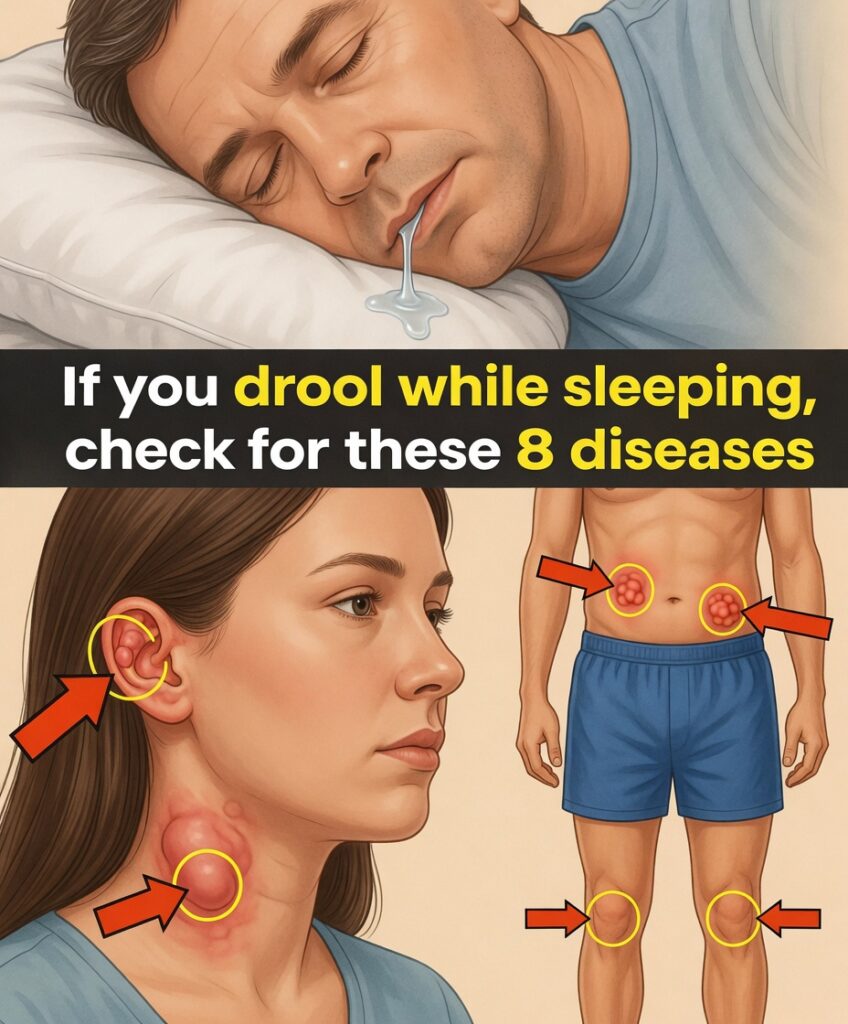
Waking up to a wet pillow can be awkward, uncomfortable, and sometimes genuinely concerning. Many people dismiss nighttime drooling as “just one of those things,” but if it’s happening often—or suddenly getting worse—it may be your body hinting at a larger issue. While occasional sleep drooling is very common, frequent or heavy drooling can be connected to factors that deserve attention.
This article breaks down eight possible conditions linked to excessive drooling during sleep, plus practical, actionable ways to reduce it—including one commonly overlooked habit near the end.
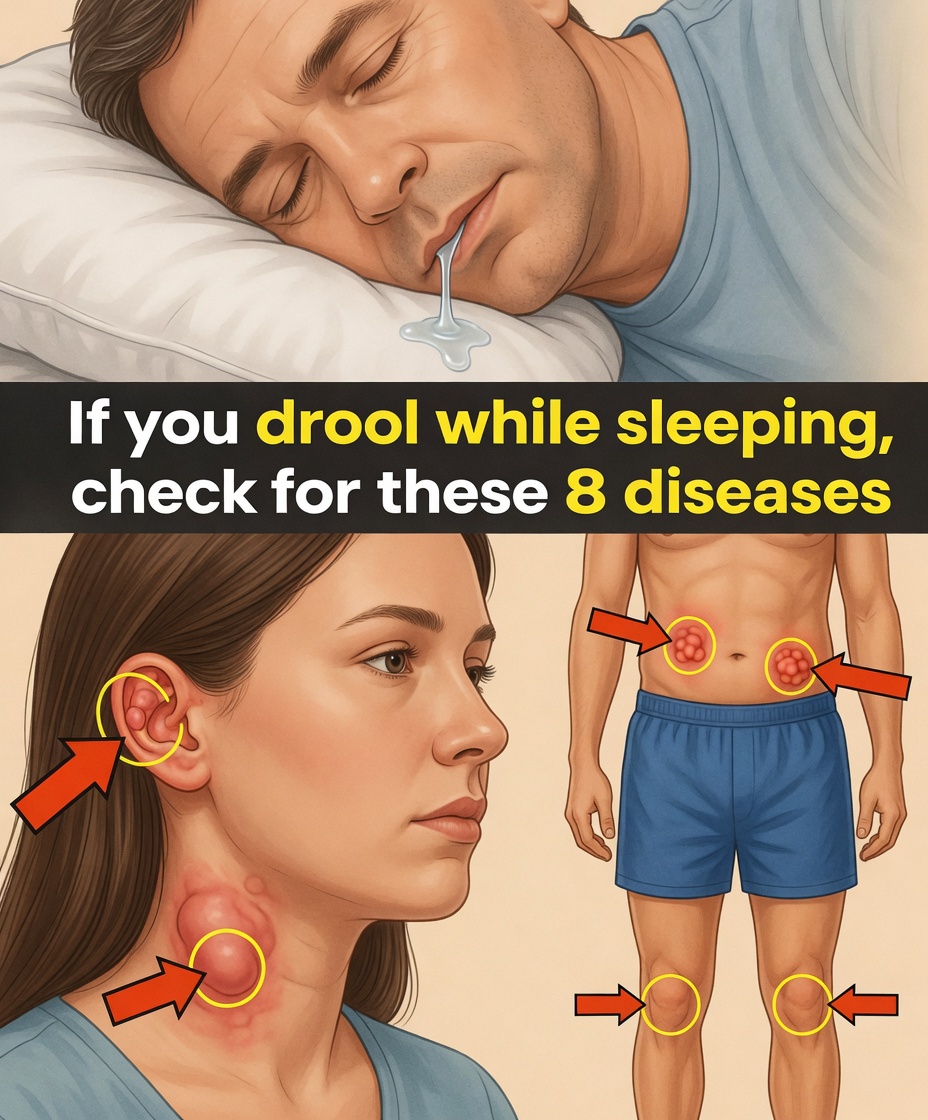
Why Do People Drool While Sleeping?
Saliva is essential for digestion, oral comfort, and protecting teeth and gums. During the day, you swallow automatically and often without noticing. At night, however, your body relaxes—especially in deeper sleep stages.
When facial muscles loosen and your swallowing reflex slows, saliva may collect and leak out of the mouth. Factors like sleep posture, nasal blockage, and muscle tone can all influence whether this happens.
If drooling becomes persistent, excessive, or abruptly worse, it’s smart to look for an underlying cause rather than assuming it’s random.
8 Possible Conditions Associated With Excessive Drooling at Night
1. Nasal Congestion and Sinus Problems
A blocked nose often forces you to breathe through your mouth, which increases the chance that saliva will pool and escape while you sleep.
Common causes include:
- Seasonal allergies
- Sinus infections
- Chronic rhinitis
- A deviated nasal septum
Sleep medicine research emphasizes that healthy nasal airflow supports better oral muscle control during sleep. Ongoing mouth breathing can also reduce sleep quality, which may worsen the pattern over time.
2. Sleep Apnea
Sleep apnea involves repeated pauses or reductions in breathing during the night. When airflow is interrupted, mouth breathing becomes more likely—along with drooling.
Common signs include:
- Loud, frequent snoring
- Choking or gasping sounds during sleep
- Morning headaches
- Daytime sleepiness or fatigue
Sleep health studies have noted that people with obstructive sleep apnea often report drooling as a secondary symptom due to increased mouth breathing and relaxed airway tissues. If these signs sound familiar, it’s worth taking seriously.

3. Gastroesophageal Reflux (Acid Reflux)
Acid reflux can trigger extra saliva production as the body tries to neutralize stomach acid. This can show up as water brash, a sudden buildup of saliva.
You may also notice:
- Burning in the chest (heartburn)
- A sour or bitter taste
- Nighttime coughing or throat irritation
Because reflux often worsens when lying flat, saliva production may increase during sleep—raising the likelihood of drooling.
4. Neurological Conditions Affecting Swallowing
Some neurological disorders can interfere with muscle coordination and automatic swallowing, allowing saliva to build up.
Examples include:
- Parkinson’s disease
- Stroke-related complications
- Multiple sclerosis
Drooling by itself does not diagnose a neurological condition. It is simply one possible sign that should be interpreted alongside other symptoms and medical history.
5. Side Effects From Medications
Certain drugs can increase saliva output or relax muscles in ways that make drooling more likely.
Medication types that may contribute include:
- Some antidepressants
- Antipsychotic medications
- Sedatives or sleep aids
If drooling began after starting or changing a prescription, a conversation with a healthcare professional can help identify whether the medication is contributing. In some cases, small adjustments can help.
6. Dental Problems or Oral Infections
Inflammation or infection in the mouth can stimulate saliva as part of the body’s protective response.
Watch for signs such as:
- Swollen or tender gums
- Bleeding when brushing or flossing
- Persistent bad breath
- Tooth pain or sensitivity
Dental research commonly notes that inflamed tissues can increase saliva production. Strong oral hygiene habits can make a bigger difference than many people expect.
7. Enlarged Tonsils or Adenoids
This issue is common in children but can also affect adults. Enlarged tonsils or adenoids may:
- Reduce nasal airflow
- Encourage mouth breathing
- Disrupt normal swallowing during sleep
Children who drool at night may also snore or breathe loudly. If structural blockage is suspected, a medical evaluation—especially in kids—can clarify what’s happening.
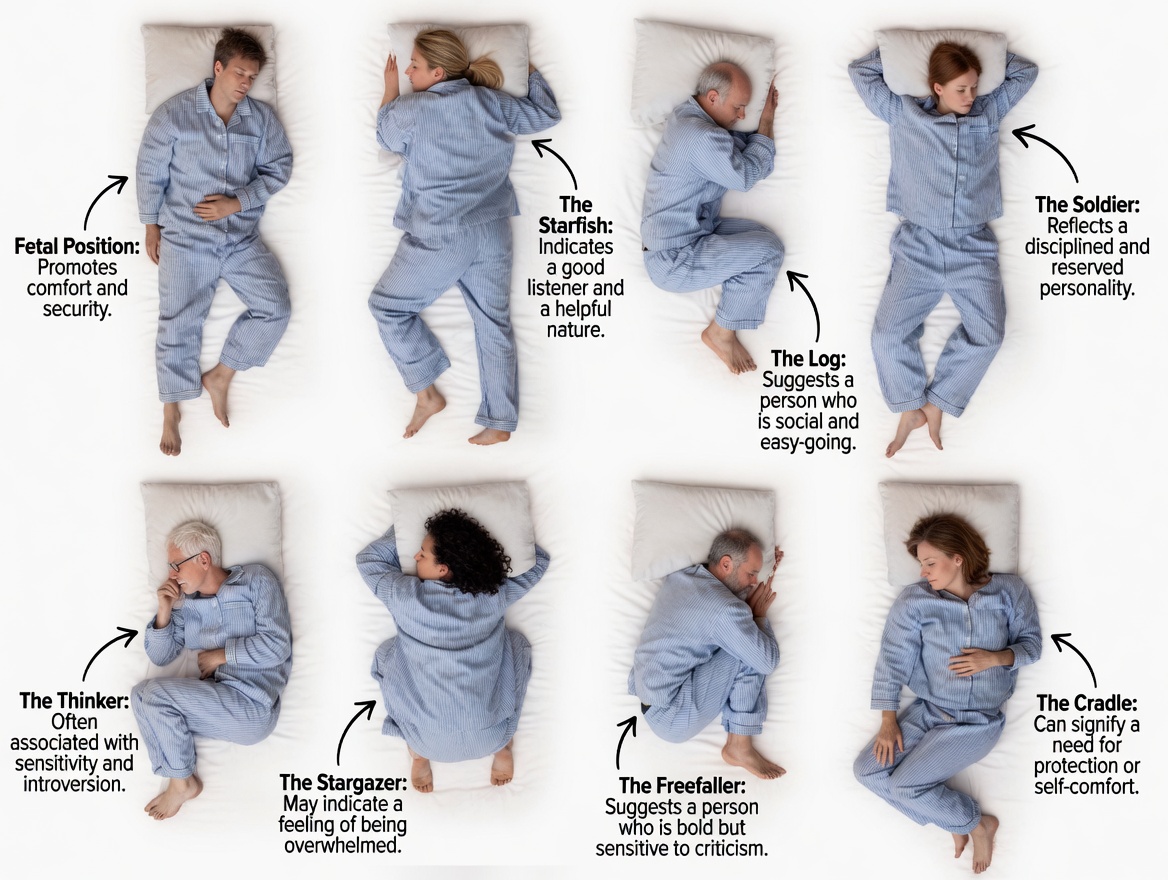
8. Sleep Position (Often Overlooked)
Sometimes the simplest explanation is the right one. Gravity matters. Sleeping on your side or stomach makes it easier for saliva to flow out of the mouth and onto the pillow.
If you typically sleep:
- On your stomach, or
- Mostly on one side
…drooling becomes much more likely. For many people, changing sleep posture alone can reduce nighttime drooling significantly.
When Should You Take Nighttime Drooling Seriously?
Occasional drooling is usually harmless. Consider seeking medical guidance if you notice:
- Drooling that increases suddenly
- Trouble swallowing
- Persistent snoring plus daytime fatigue
- Facial weakness or asymmetry
- Ongoing mouth breathing, especially with poor sleep
In general clinical practice, symptoms that appear abruptly or occur alongside other concerning signs deserve evaluation.
Practical Ways to Reduce Drooling During Sleep
Step 1: Improve Nasal Breathing
Better nasal airflow reduces mouth breathing—and that often reduces drooling. Consider:
- Saline nasal rinses
- Using a humidifier if your room is dry
- Managing allergies with professional guidance
- Sleeping with your head slightly elevated
Step 2: Adjust Your Sleep Position
Try training yourself to sleep more on your back. Helpful tools include:
- Supportive pillows that keep your head aligned
- A body pillow to prevent rolling
- Gentle head elevation
It may feel unfamiliar initially, but many people adapt within a couple of weeks.
Step 3: Support Oral and Facial Muscle Control
Some gentle habits and exercises may improve swallowing patterns, such as:
- Tongue presses against the roof of the mouth
- Intentional swallowing practice before bed
- Chewing sugar-free gum during the day
Some specialists recommend myofunctional therapy, which targets the tongue, lips, and facial muscles to support better breathing and oral posture.
Step 4: Strengthen Oral Hygiene
To reduce drooling driven by irritation or inflammation:
- Brush and floss consistently
- Get routine dental cleanings
- Treat gum inflammation early
Healthier oral tissues tend to support more balanced saliva responses.
Step 5: Review Medications With a Professional
If drooling began after a medication change:
- Do not stop medication on your own
- Ask your clinician whether an alternative, timing change, or dose adjustment is appropriate
Step 6: Evaluate Your Sleep Quality
Track patterns such as:
- Snoring frequency and intensity
- Nighttime awakenings
- Daytime tiredness
If sleep apnea is possible, a sleep study can provide clear answers. Improving sleep quality often reduces secondary symptoms—including drooling.
Quick Comparison: Common Causes of Nighttime Drooling
-
Nasal congestion
- Key clue: Mouth breathing
- Often with: Stuffy nose, sinus pressure
-
Sleep apnea
- Key clue: Loud snoring
- Often with: Daytime fatigue
-
Acid reflux
- Key clue: Sour taste
- Often with: Night cough
-
Neurological changes
- Key clue: Slower swallowing
- Often with: Muscle weakness
-
Medication side effects
- Key clue: Recent prescription change
- Often with: Dry mouth during the day (in some cases)
-
Oral infection or gum inflammation
- Key clue: Gum swelling
- Often with: Tooth sensitivity, bad breath
-
Enlarged tonsils/adenoids
- Key clue: Heavy breathing
- Often with: Snoring (especially in children)
-
Sleep position
- Key clue: Side/stomach sleeping
- Often with: Wet pillow on one side
A key point: drooling is usually a symptom, not the core problem.
The Most Overlooked Habit That Helps Many People
Many people focus only on “too much saliva,” but the biggest improvements often come from combining:
- better nasal breathing, and
- better sleep posture
Small, consistent changes can produce noticeable results within weeks—and consistency is the factor that matters most.
Conclusion
Drooling in sleep is common and often harmless. But when it becomes frequent or heavy, it may be connected to nasal congestion, sleep apnea, acid reflux, neurological factors, medication effects, dental or oral infections, enlarged tonsils/adenoids, or sleep position. Identifying the likely cause helps you respond effectively instead of ignoring the symptom.
By improving nasal airflow, supporting oral muscle function, maintaining good oral hygiene, reviewing medications, and optimizing sleep habits, many people can reduce nighttime drooling in a safe, natural way.