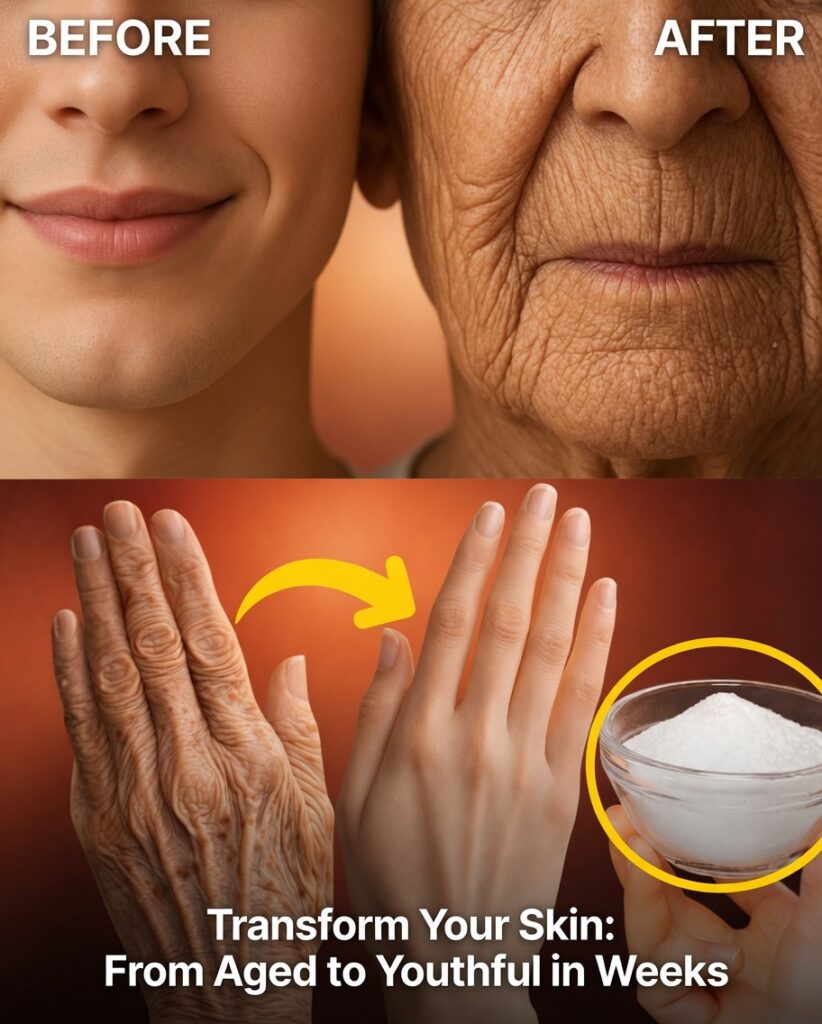
Why Skin Changes After 60 Feel More Noticeable Each Morning
Many women over 60 wake up to skin that feels less silky and looks more textured than it used to. Years of sun exposure, everyday lifestyle habits, and the body’s natural decline in collagen and elasticity can contribute to:
- Dullness and uneven tone
- Rough patches
- Fine lines and more visible wrinkles
- A “less firm” or crepey look
Although premium creams and in-office treatments often promise fast results, plenty of people prefer a simpler, budget-friendly approach using gentle, familiar ingredients. One pantry staple that frequently comes up in natural skincare conversations is baking soda, mostly because it can function as a mild exfoliant when used carefully.
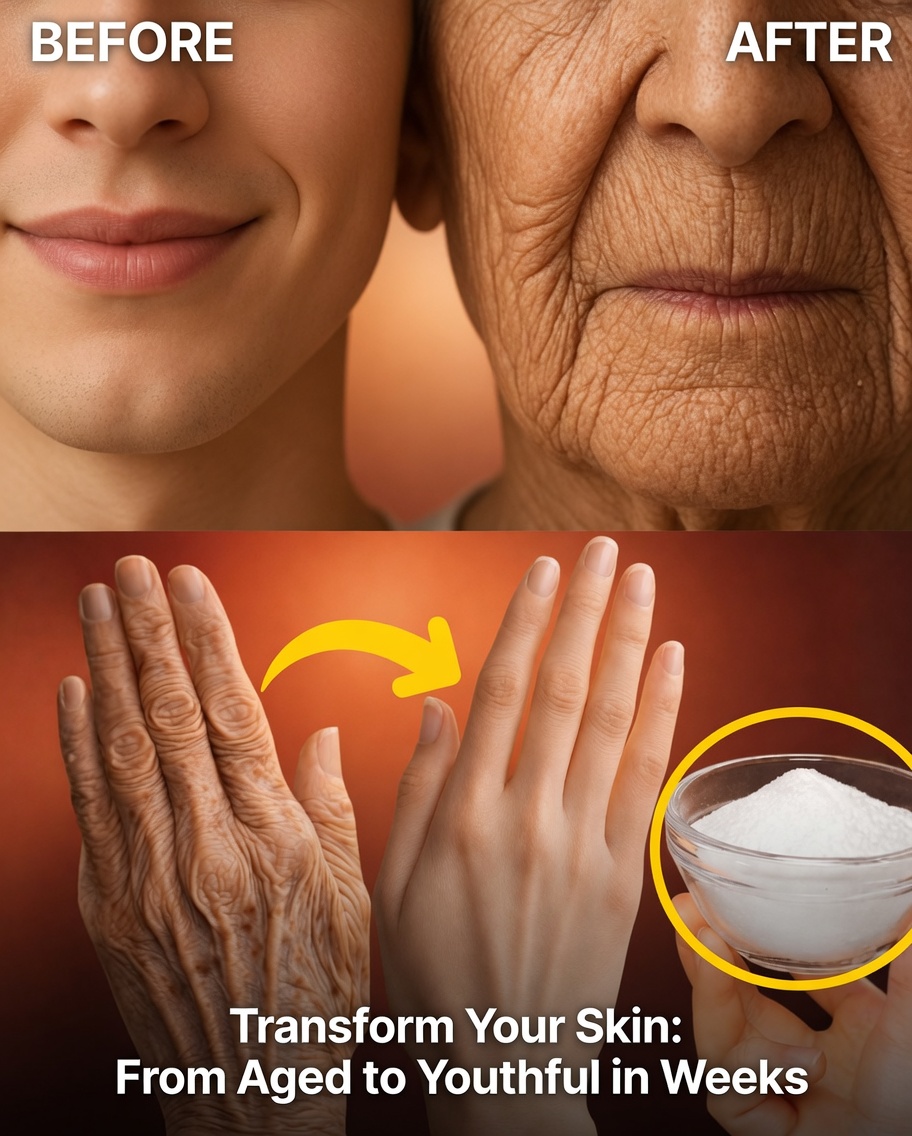
Can Baking Soda Fit Into a Gentle At-Home Skincare Routine?
If you’re curious whether a basic kitchen ingredient can support a soothing self-care ritual, baking soda is often paired with moisturizing or antioxidant-rich ingredients in DIY masks. The key is using it sparingly, with the right combinations, and with realistic expectations.
This guide explains how baking soda may work on skin, why exfoliation matters more as we age, and how to try simple DIY baking soda masks with important safety precautions.
What Baking Soda Does in Skincare (And Why Experts Urge Caution)
Baking soda (sodium bicarbonate) is:
- Mildly abrasive, which means it can physically lift and remove some dead surface cells
- Alkaline, with a pH around 9
Because of its texture, baking soda can act as a gentle physical exfoliant, leaving skin temporarily smoother. It’s also sometimes mentioned in research and clinical discussions for easing minor irritation in specific uses (for example, added to bath water for certain itchy skin conditions), where it may help balance the pH of the water.
However, many dermatologists warn about the pH mismatch: healthy skin is naturally slightly acidic—around pH 4.5–5.5. Using a high-pH ingredient too often may:
- Disrupt the skin barrier
- Increase dryness or flaking
- Trigger redness, stinging, or sensitivity
Also, there’s limited strong evidence that baking soda provides true anti-aging results beyond short-term smoothing from exfoliation. Any improvement is usually surface-level and temporary.
Bottom line: If you use baking soda on your face, moderation and hydration support are essential.
Why Gentle Exfoliation Helps Mature Skin Look Brighter
As we get older, the skin’s natural renewal cycle slows down. Dead cells can accumulate on the surface, making skin look:
- Duller
- Rougher
- Less even in tone and texture
A gentle exfoliation step can help reveal fresher-looking skin underneath. When exfoliation is paired with moisture (like honey, glycerin, or oils), skin may also feel softer and more comfortable, rather than tight or stripped.
Some traditional beauty routines—especially those emphasizing simple, natural ingredients—use mild exfoliants for glow. While there’s no solid historical proof that baking soda was part of classic geisha skincare (which more often featured ingredients like rice bran, camellia oil, or green tea), the broader idea of “less is more” skincare appears in many cultures.
5 DIY Baking Soda Mask Ideas (Gentle Pairings)
These at-home baking soda face masks are designed to combine light exfoliation with ingredients that may help buffer dryness or add antioxidants. Always do a 24-hour patch test (inner arm is a common spot) before applying anything new to your face.
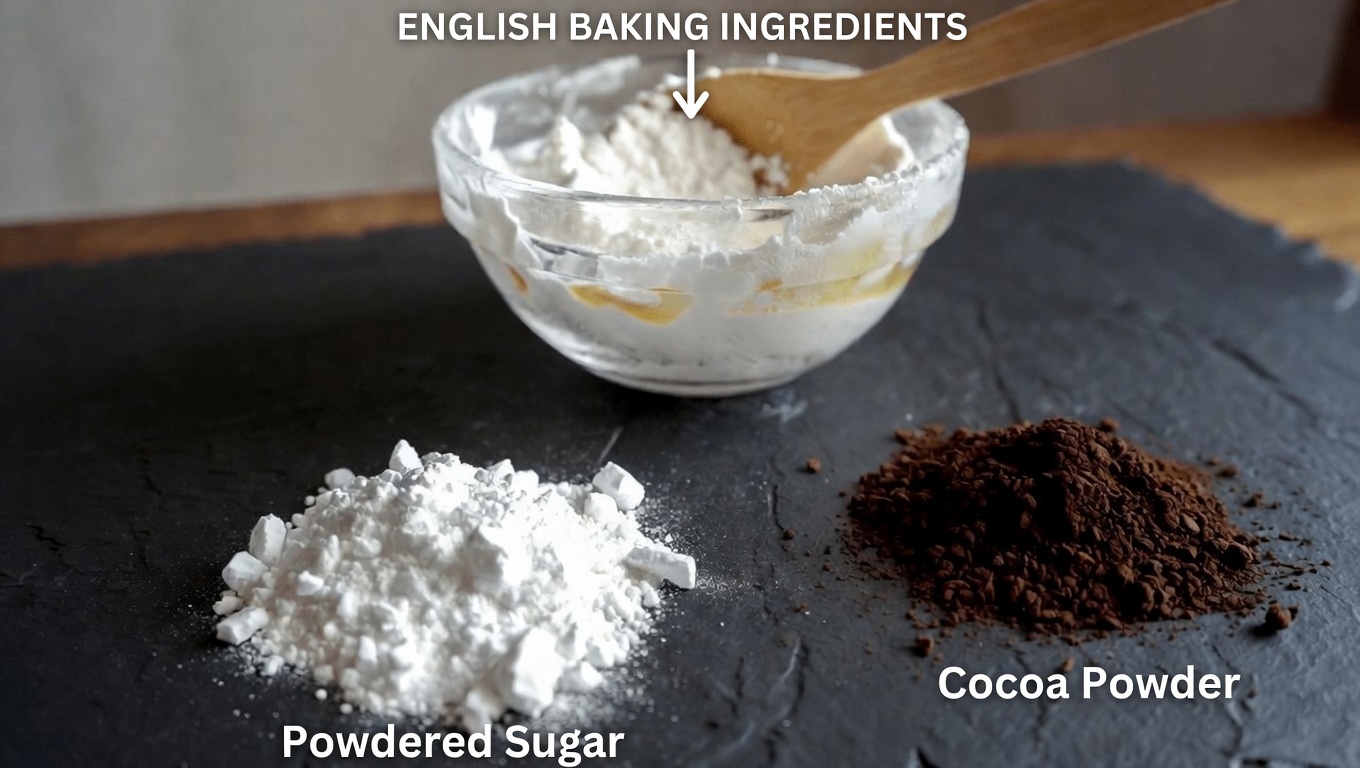
1) Baking Soda + Cocoa Powder Mask (Antioxidant Support)
How to make:
- 1 tsp baking soda
- 1 tsp unsweetened cocoa powder
- Enough water to form a spreadable paste
How to use: Apply for 5–10 minutes, rinse with lukewarm water, then moisturize.
Why people try it: Cocoa contains flavonoids, which are known for antioxidant properties and may support a healthier-looking glow.
2) Baking Soda + Glycerin Mask (Hydration + Smoothing)
How to make:
- 1 tsp baking soda
- 1 tsp vegetable glycerin
How to use: Gently massage for 1–2 minutes, then rinse.
Why people try it: Glycerin is a humectant that helps pull water into the skin, which may reduce that “over-dry” feeling some exfoliants can cause.
3) Baking Soda + Honey + Lemon Mask (Soothing + Brightening)
How to make:
- 1 tsp baking soda
- 1/2 tsp raw honey
- A few drops of fresh lemon juice
How to use: Leave on up to 10 minutes, then rinse thoroughly and moisturize.
Important note: Lemon can be irritating and may increase sensitivity. Use only a small amount, avoid sun exposure immediately after, and consider skipping lemon if your skin is reactive.
4) Baking Soda + Avocado Oil Mask (Nourishing Buffer)
How to make:
- 1 tsp baking soda
- 1 tsp avocado oil
How to use: Apply briefly, then rinse. Keep usage conservative to prevent over-exfoliation.
Why people try it: Avocado oil contains fatty acids that can support a softer skin feel while baking soda provides light buffing.
5) Baking Soda + Coffee Grounds Mask (Energizing Texture Boost)
How to make:
- 1 tsp baking soda
- A small amount of used coffee grounds (enough to gently scrub)
How to use: Massage lightly, then rinse well.
Why people try it: Coffee is associated with a “reviving” feel due to caffeine, and the texture may help polish rough-looking areas. Be extra gentle—coffee grounds can be scratchy if overused.
Baking Soda Masks vs. Common Mature-Skin Concerns (Quick Overview)
-
Rough or dull texture
- Typical approaches: strong scrubs, chemical peels
- Baking soda (gentle use): mild surface exfoliation for smoother feel
-
Uneven tone or spots
- Typical approaches: brightening serums, laser treatments
- Baking soda (gentle use): temporary brightening, mainly from exfoliation + added ingredients
-
Dry, crepey areas
- Typical approaches: rich moisturizers, barrier creams
- Baking soda (gentle use): can feel more comfortable when paired with honey/oils, but may worsen dryness if overused
-
“No glow” days
- Typical approaches: facials, LED devices
- Baking soda (gentle use): refreshing at-home ritual that may improve surface smoothness
A Gentle 30-Day Approach (Adjust to Your Skin)
If you want a structured plan, keep it simple and flexible:
-
Week 1: Exfoliation + hydration focus
- Try cocoa or glycerin masks 2–3 times total (not back-to-back days)
-
Week 2: Add a brightening option
- Use honey-lemon (or honey alone) or coffee up to 2 times
-
Week 3: Add nourishing oils
- Try avocado oil (or a similar gentle oil) sparingly
-
Week 4: Maintain and assess
- Reduce to 1–2 masks per week and monitor texture and comfort
After every mask:
- Apply a moisturizer to support the barrier
- Use daily sunscreen, since exfoliation can increase sun sensitivity
Safety Tips for Using Baking Soda on Your Face
- Use food-grade baking soda only
- Keep frequency low: 1–2 times per week maximum
- Always dilute and avoid the eye area
- Stop immediately if you notice burning, redness, stinging, or increased dryness
- Follow with a barrier-supporting moisturizer
FAQ: Baking Soda for Mature Skin
Is baking soda suitable for every skin type?
No. It may be better tolerated by normal to oily skin when used occasionally. Dry or sensitive skin can react poorly due to baking soda’s alkalinity. A patch test is essential.
When could skin feel smoother?
Some people notice a smoother feel after one use because exfoliation removes surface buildup. More consistent improvements in texture typically require weeks of gentle, careful use—results vary widely.
Can I use baking soda alongside my normal skincare products?
Yes, but introduce it slowly. Avoid using baking soda masks on the same day as strong actives like retinoids or aggressive exfoliating acids to reduce the risk of irritation.
Final Thoughts
Baking soda skincare is not a miracle anti-aging solution, but it can be an inexpensive, simple way to add mild exfoliation—especially when paired with moisturizing ingredients and used in moderation. If you choose to try it, prioritize comfort, protect your skin barrier, and let your skin’s reaction guide you.
Disclaimer: This content is for informational purposes only and is not medical advice. Consult a dermatologist before starting new skincare routines—especially if you have sensitive skin, chronic skin conditions, or use prescription products. Always patch test and discontinue use if irritation occurs.