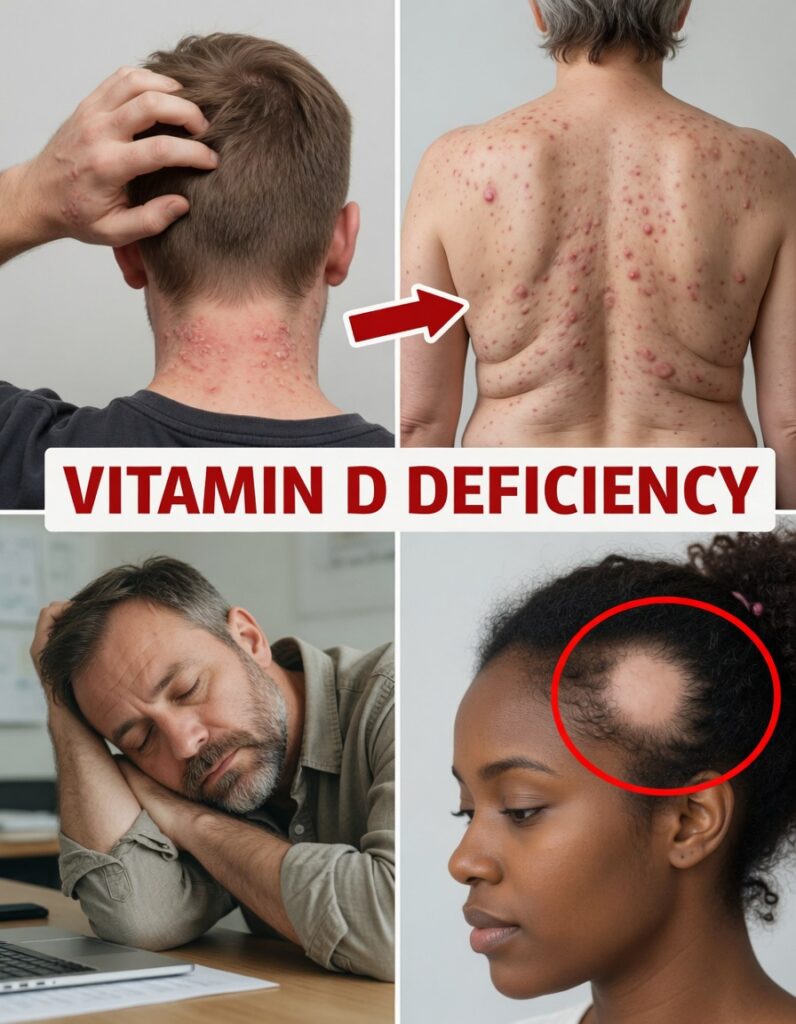
Feeling unusually exhausted even after a full night’s sleep can be discouraging. When your mood drops, your skin flares up, or your hair seems thinner than normal, it’s easy to chalk it up to stress, a busy schedule, or getting older. Yet these small shifts sometimes point to a shared (and often missed) factor. By the end of this article, you’ll recognize the less-obvious clues your body may be sending and the practical steps that can help you feel more balanced.
Why Vitamin D Matters More Than Most People Realize
Vitamin D is widely known as the “sunshine vitamin” because your body can make it when sunlight hits your skin. But its role goes far beyond supporting bones.
Evidence suggests vitamin D helps with:
- Normal immune function
- Muscle performance and strength
- Mood regulation
- Healthy skin processes
- Calcium absorption and bone maintenance
Organizations like the National Institutes of Health (NIH) note that low vitamin D status is common worldwide—especially among people who spend much of their day indoors.
What makes this topic tricky is that the signs of low vitamin D can be subtle and easy to dismiss as “normal.”
Let’s break down the most common signals.
10 Subtle Signs You May Be Low in Vitamin D
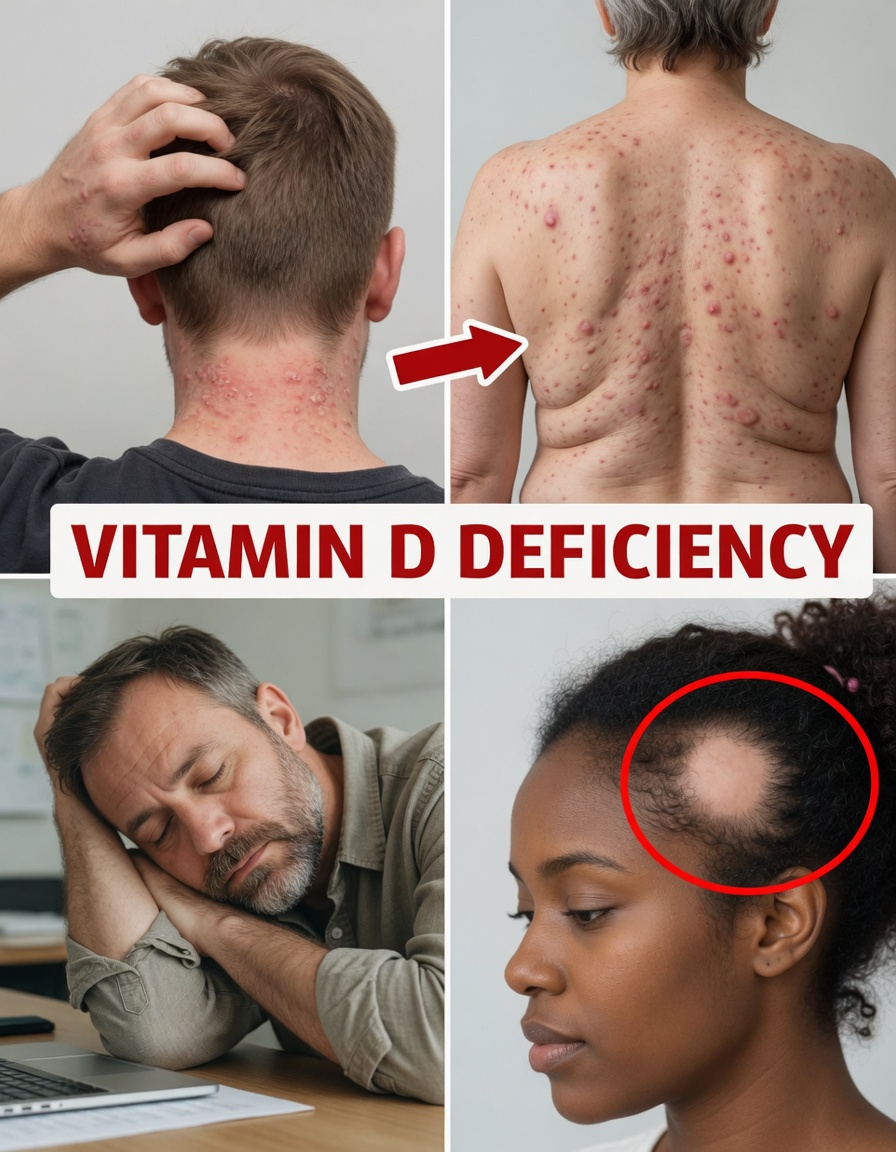
1. Ongoing Fatigue That Doesn’t Improve With Sleep
Occasional tiredness is normal. But if you feel drained for days or weeks despite adequate rest, it may be worth paying attention.
Multiple studies have reported an association between low vitamin D levels and increased feelings of fatigue. Since fatigue can stem from many causes, vitamin D testing is sometimes included as part of a broader health check.
2. Catching Colds Often or Feeling “Always Sick”
If you seem to pick up every cold going around, your immune system may need extra support.
Vitamin D is involved in immune regulation, and research suggests that people with lower vitamin D levels may experience more frequent upper respiratory infections. This doesn’t mean vitamin D “prevents” illness, but adequate levels appear to support normal immune responses.
3. Bone Sensitivity, Aches, or Lower Back Discomfort
Vitamin D helps your body absorb calcium, which is essential for bone structure and strength.
Low vitamin D has been linked in research to bone discomfort and lower back pain. Over time, insufficient levels may contribute to changes in bone density, particularly in older adults.
The challenge: bone-related discomfort can develop gradually, making it easy to overlook early on.
4. Low Mood or Feeling Down More Than Usual
Mood is influenced by many factors—sleep, stress, hormones, lifestyle, and more. Still, studies have observed a relationship between low vitamin D status and mood changes.
Vitamin D receptors are found in areas of the brain connected to mood regulation. While vitamin D isn’t a stand-alone fix, maintaining healthy levels may support emotional well-being as part of a balanced routine.
5. Slower Wound Healing
If minor cuts or scrapes seem to take longer to settle, that can be another possible clue.
Vitamin D plays a role in immune response and skin repair processes, so slower healing may appear alongside other signs of low vitamin D.

6. Hair Thinning or Increased Shedding
Noticing more hair in the shower drain can be unsettling. Hair changes can be driven by stress, genetics, hormones, and nutrition.
Some research links low vitamin D with certain patterns of hair shedding. Because vitamin D participates in the hair growth cycle, low levels may contribute for some individuals—though it’s rarely the only reason.
7. Muscle Weakness, Reduced Endurance, or Aches
Do your muscles feel less capable than before, even without changing your workout routine?
Vitamin D supports muscle function, and low levels have been associated with weakness—especially among older adults—potentially increasing fall risk.
Muscle Strength and Vitamin D (Quick Overview)
- Adequate vitamin D: more typical strength and stability
- Low vitamin D: weakness, lower endurance, mild aches (in some people)
Many factors influence muscle health, but vitamin D is a meaningful piece of the support system.
8. Increased Sweating (Especially on the Head)
This one surprises many people.
Excessive sweating—particularly head sweating—has historically been noted in connection with low vitamin D status (especially in infants, though it can occur in adults too). Sweating alone doesn’t confirm anything, but combined with other symptoms, it may be worth discussing with a professional.
9. Skin Breakouts or More Inflammation
Your skin often reflects what’s happening internally.
Vitamin D is involved in immune and inflammatory pathways. Some studies suggest an association between low vitamin D and certain inflammatory skin conditions. It may not be a direct cause, but it can influence overall skin resilience.
A common blind spot: lifestyle patterns that contribute to skin issues—like limited outdoor time—can also increase the risk of vitamin D insufficiency.
10. Greater Risk of Bone Density Decline With Age
As you get older, protecting bone mineral density becomes increasingly important.
Low vitamin D levels in older adults have been associated with reduced bone mineral density, which is why vitamin D is often monitored during bone-health evaluations.
Practical, Everyday Ways to Support Healthy Vitamin D Levels
Knowing the signs is useful—but daily habits are what create change.
1. Get Safe, Sensible Sun Exposure
Short, regular exposure to sunlight can help your body produce vitamin D.
Common guidance often includes:
- 10–30 minutes of midday sun, a few times per week
- Exposing arms or legs when appropriate
- Avoiding sunburn
Your ideal timing varies based on skin tone, season, latitude, and lifestyle.
2. Add Vitamin D Foods More Often
Food alone may not cover all your needs, but it can support your baseline intake.
Vitamin D sources include:
- Fatty fish (salmon, mackerel)
- Egg yolks
- Fortified milk or fortified plant-based alternatives
- Fortified cereals
3. Make Indoor Life More “Vitamin D-Friendly”
If you’re indoors most of the day, small adjustments can help:
- Take a brief walk outside during lunch
- Choose outdoor exercise when possible
- Spend time near natural light (when available)
4. Ask About a Vitamin D Blood Test
If you suspect low vitamin D, a blood test can measure your status.
Depending on results, a healthcare professional may recommend food changes or supplements personalized to you. Avoid taking high-dose supplements without guidance—more isn’t always better.
5. Support Nutrient Balance (Not Vitamin D Alone)
Vitamin D works closely with nutrients like calcium and magnesium.
A balanced diet that includes:
- Leafy greens
- Nuts and seeds
- Dairy or fortified alternatives
- Whole, minimally processed foods
can help support overall nutrient harmony.
Many people focus only on supplements, but the most noticeable improvements often come from combining sunlight, smarter food choices, movement, and consistent routines rather than relying on one strategy alone.
How Common Is Vitamin D Deficiency?
Research suggests a substantial portion of adults worldwide have insufficient vitamin D levels—especially during winter or in places with limited sunlight.
Factors that may raise risk include:
- Living in northern latitudes
- Spending most of the day indoors
- Darker skin pigmentation
- Consistent use of high-SPF sunscreen
- Older age
- Higher body fat levels
Knowing your personal risk helps you make more informed health decisions.
When to Get Medical Advice
The symptoms above aren’t unique to vitamin D deficiency. Fatigue, mood changes, muscle aches, and hair thinning can have many different causes.
If symptoms continue, worsen, or interfere with daily life, seek medical advice for a full evaluation. Awareness of these signals can help you ask better questions and take clearer next steps toward feeling like yourself again.