
Why So Many Older Adults Wake Up With Stiff, Aching Joints
For many seniors, mornings begin with sore, stiff joints that make even getting out of bed feel difficult. That grinding, tight sensation in the knees, hips, fingers, or back can turn basic routines into frustrating obstacles before the day has truly started.
Joint discomfort is not only physical. It can affect your mood, reduce your independence, limit time with family, and make you feel older than you are.
The encouraging part is this: improving a few essential nutrients that are often low in older adults may help support better joint comfort. In this guide, we’ll look at three key vitamins that work together to help maintain healthy joints. You’ll also learn simple ways to increase them starting today, along with a practical 30-day plan many people find useful. Stay with us until the end, because the real advantage comes from how these vitamins work together.
Why Joint Pain Often Feels Worse After 50
Once you pass 50, your joints are dealing with several age-related changes at the same time.
- Cartilage can gradually wear down as collagen production slows.
- Low-level inflammation may increase quietly over time.
- Calcium may not always end up where the body needs it most, such as bones, and can instead accumulate in less helpful places.
Studies and surveys suggest that regular stiffness or joint discomfort affects more than 60% of adults over 55, with mornings often being the hardest part of the day. During the night, synovial fluid can become thicker, and the body’s repair processes are slower, which may leave joints feeling tight and creaky when you first start moving.
Many people try common solutions such as glucosamine, turmeric, or over-the-counter anti-inflammatory medications. While some may offer short-term relief, they often do not address deeper nutritional deficiencies that can contribute to long-term joint problems.
A growing body of research points to a more complete approach: targeted nutrition that supports inflammation balance, proper calcium use, and collagen formation at the cellular level. Three vitamins stand out because they help in these exact areas.
Vitamin C: The Collagen Support Your Joints Need
If your joints feel dry, fragile, or especially stiff in the morning, vitamin C may be more important than you realize.
One woman in her early 60s, a retired teacher, started eating more foods rich in vitamin C and added a small supplement with breakfast. After some time, she noticed better comfort in her hands and knees during daily activities like gardening and household tasks.
Why Vitamin C Matters
Vitamin C is essential for collagen production. Collagen is one of the main structural proteins that helps form:
- Cartilage
- Tendons
- Ligaments
- Connective tissue around the joints
It also works as a strong antioxidant, helping the body defend against oxidative stress, which may influence joint comfort over time.
Research has linked higher vitamin C intake to better measures of joint health and slower age-related joint changes in large population studies. Some trials have also found lower inflammation markers in people with adequate vitamin C levels.
How to Get More Vitamin C
Try to get a steady amount every day, mainly through food.
Good sources include:
- Red bell peppers
- Yellow bell peppers
- Kiwi
- Strawberries
- Broccoli
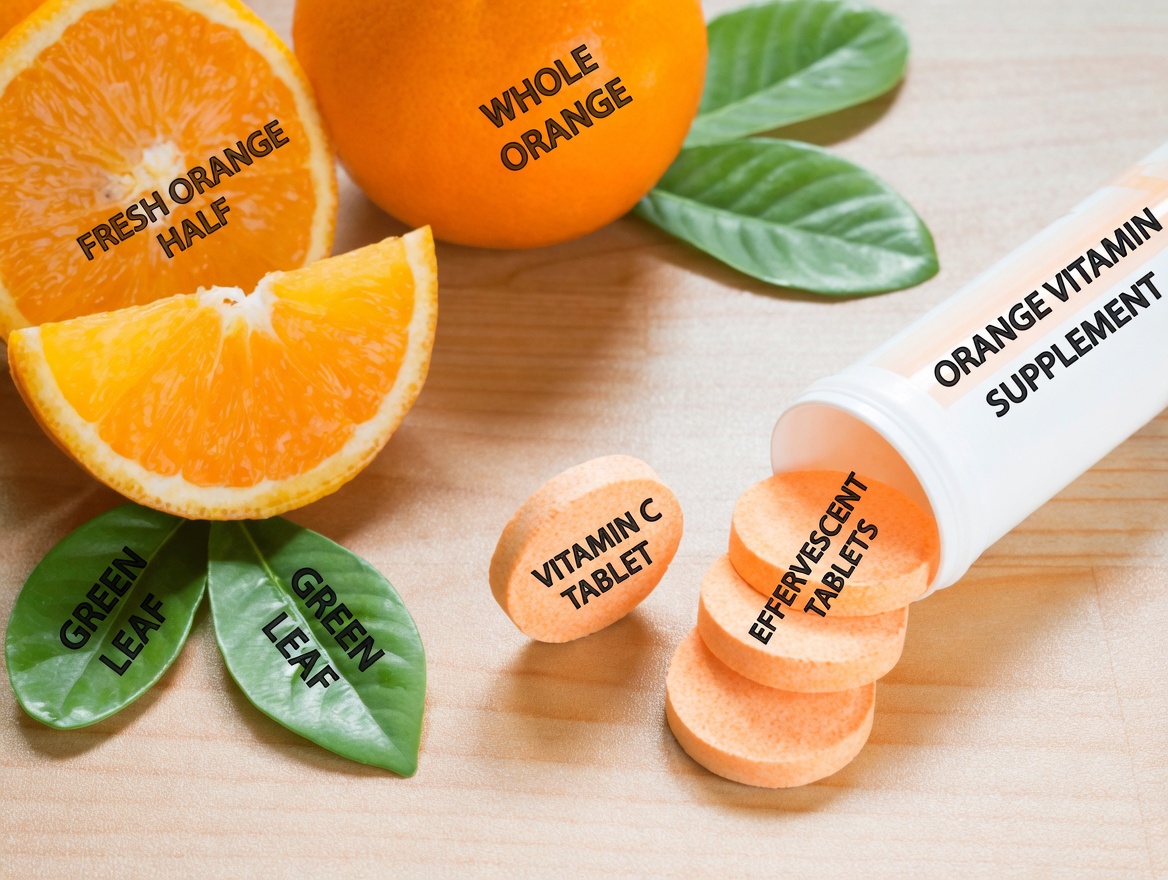
- Oranges
Some older adults also use a supplement, often around 200 to 500 mg daily, split into smaller doses. Taking it with meals may help with tolerance and absorption.
But collagen alone is not enough. Your body also needs help managing inflammation and handling calcium properly. That brings us to the next vitamin.
Vitamin D: Support for Inflammation and Calcium Absorption
If your discomfort seems worse after long periods of sitting or during darker, less sunny months, low vitamin D may be part of the picture.
A retired mechanic in his late 60s learned through a simple blood test that his vitamin D level was low. After adding safe sun exposure and taking a quality vitamin D3 supplement with meals, he gradually found it easier to move around comfortably.
Why Vitamin D Is Important
Vitamin D plays several roles that matter for joint health:
- It helps regulate immune function and supports a healthy inflammation response.
- It improves calcium absorption.
- It contributes to the maintenance of cartilage and musculoskeletal health.
Vitamin D deficiency is very common in older adults, and several studies have connected low levels with more frequent reports of stiffness, especially in the morning.
Research also shows that reaching healthy blood levels—often discussed with a doctor in the range of 40–60 ng/mL—can be associated with better joint comfort markers in some individuals. For adults over 60, checking vitamin D status is often a smart step.
Ways to Improve Vitamin D Levels
You can support vitamin D naturally through a mix of sunlight, food, and supplements.
Helpful options include:
- 10 to 20 minutes of midday sun exposure several times a week when appropriate
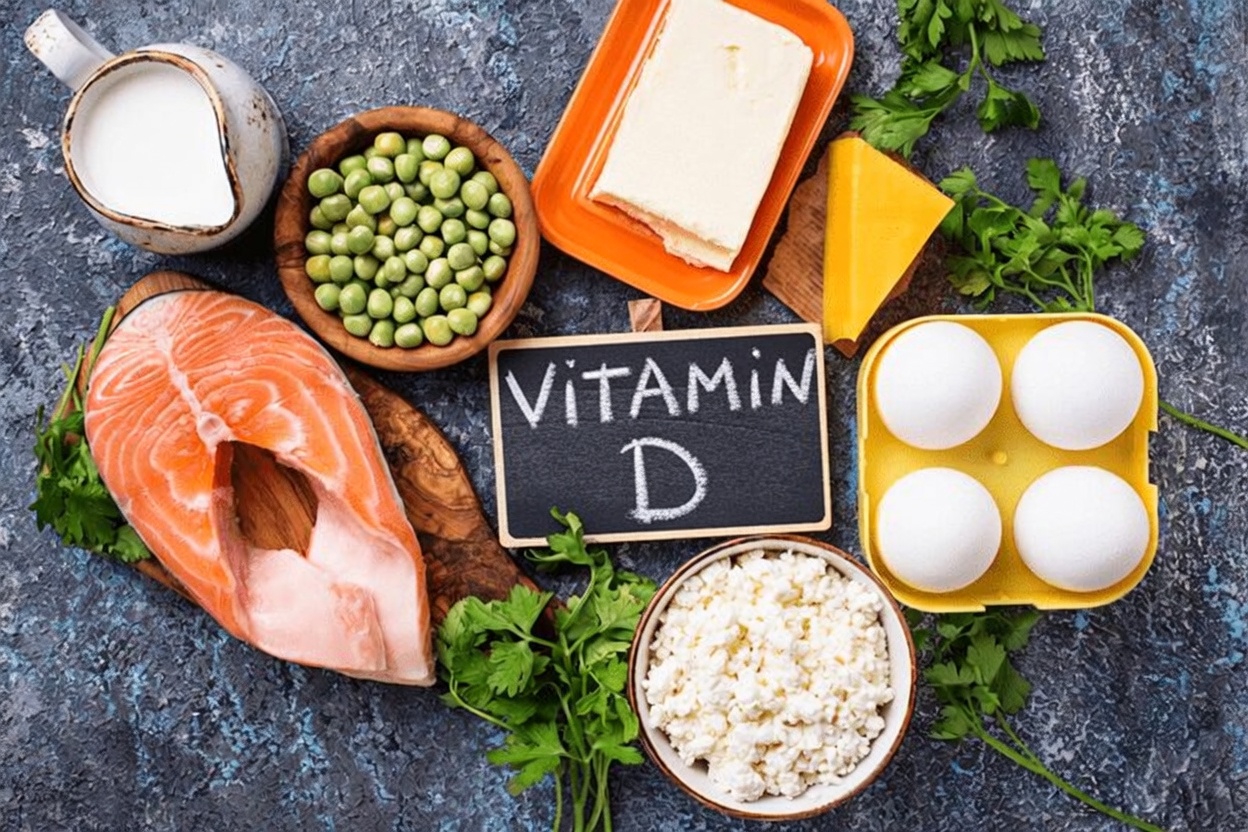
- Fatty fish such as salmon, sardines, or mackerel
- Fortified milk or plant-based milk
- Egg yolks
Many seniors also take 1,000 to 2,000 IU of vitamin D3 daily with a meal that contains fat. It is best to discuss this with your healthcare provider and consider blood testing to personalize the amount.
Still, even vitamin D cannot do its job fully without another nutrient helping guide calcium where it belongs.
Vitamin K2: The Nutrient That Directs Calcium Properly
Many seniors describe their joints not just as sore, but as tight, locked, or restricted. In some cases, vitamin K2 may be an important missing piece.
A 71-year-old grandmother began eating more fermented foods and added a modest MK-7 vitamin K2 supplement. Over time, she felt that her fingers moved more easily during her morning routine.
Why Vitamin K2 Stands Out
Vitamin K2, especially in the MK-7 form, activates proteins that help move calcium into bones and away from soft tissues such as arteries and joints.
Without enough K2, calcium may not be used as efficiently as it should be. Over time, that may contribute to increased stiffness. Some studies have linked higher vitamin K2 intake with better flexibility markers and lower unwanted calcification.
How to Add More Vitamin K2
Food sources include:
- Aged cheeses such as Gouda and Brie
- Sauerkraut
- Natto
- Other fermented foods
For supplements, many older adults use 100 to 200 mcg of MK-7 daily, usually taken with a meal that contains fat for better absorption.
Important note: if you take blood-thinning medication such as warfarin, speak with your doctor before using vitamin K2 because interactions are possible.
The Synergy Secret: Why These 3 Vitamins Work Better Together
The real benefit appears when vitamin C, vitamin D, and vitamin K2 are optimized together.
Here’s how they complement one another:
- Vitamin D helps the body absorb calcium.
- Vitamin K2 helps direct that calcium into bones and away from places where it may not be helpful.
- Vitamin C helps build the collagen framework that cushions and supports joints.
If one of these nutrients is missing, the system becomes less efficient. But when all three are in place, they provide more complete support for joint comfort, mobility, and healthy aging.
Quick Comparison of Common Approaches for Joint Comfort
-
Vitamin C
- Supports balanced inflammation through antioxidant effects
- Essential for collagen production
- Indirect support for calcium balance
- Often considered very safe, especially in split doses
-
Vitamin D
- Supports immune regulation and inflammation balance
- Helps absorb calcium
- May noticeably improve comfort when levels are low
- Best used based on blood testing and taken with fat
-
Vitamin K2
- Helps guide calcium to bones and away from soft tissues
- May support flexibility and reduce stiffness over time
- Often used in MK-7 form
- Requires medical guidance for those using warfarin
-
NSAIDs
- May temporarily reduce inflammation and pain
- Do not build collagen or direct calcium
- Useful for short-term relief, but stomach and kidney issues should be considered
-
Glucosamine and Chondroitin
- May offer mild support for some people
- Results vary widely
- Benefits can take time and are not consistent for everyone
A Simple 30-Day Morning Joint Comfort Plan
If you want to get started without overcomplicating things, try this step-by-step approach.
Week 1: Prioritize Vitamin C
- Add 2 to 3 servings of vitamin C-rich foods each day
- If needed, take a 500 mg supplement divided into smaller doses
Week 2: Add Vitamin D
- Get about 15 minutes of safe sun exposure when possible
- Eat fatty fish or other vitamin D foods
- Consider 1,000 to 2,000 IU of vitamin D3 with breakfast or another meal containing fat
Weeks 3 and 4: Add Vitamin K2
- Eat aged cheese a few times per week or other fermented foods
- Or consider around 180 mcg of MK-7 daily
- Continue the vitamin C and vitamin D routine consistently
Track Your Progress
Use a simple 1-to-10 scale each morning to rate:
- Stiffness
- Comfort
- Ease of movement
Some people also take weekly photos of their hands, knees, or areas that usually feel stiff so they can notice subtle changes over time. The most important part is consistency, along with gentle movement and a balanced diet.
The Big Takeaway
Morning joint discomfort is not always something you simply have to accept as part of aging. In many cases, it may be connected to common nutrient gaps that affect inflammation balance, collagen strength, and calcium placement.
Vitamin C, vitamin D, and vitamin K2 support these key mechanisms in a complementary way. Together, they offer a more complete foundation for maintaining healthy joints and staying mobile as you age.
Imagine how different your mornings could feel 30 to 90 days from now if you start making these small daily changes today. The habits you build now may lead to meaningful improvements in comfort, movement, and quality of life.
Doing nothing may mean more stiffness, more frustration, and greater dependence on temporary solutions. Taking action now gives your joints a better chance to feel supported every day.