
Feeling bloated, sluggish, or persistently tired can make everyday life feel harder than it should. When your body seems “overloaded,” it’s tempting to blame toxins, stress, or diet right away—and it can even spark worry about kidney health and overall wellness. The encouraging part: a few everyday kitchen spices may gently complement your body’s built-in cleansing systems and help you feel more balanced. One insight at the end may be more surprising than any single spice.
Your kidneys already work nonstop to filter waste, regulate fluids, and support mineral balance. They don’t need extreme detox programs or risky shortcuts. What they do benefit from are steady fundamentals—hydration, well-rounded nutrition, and plant compounds that research suggests may help support healthy antioxidant defenses and balanced inflammation.
Five Spices That Can Fit a Kidney-Friendly Lifestyle

Why Spices Matter for Kidney Wellness
Spices do far more than boost flavor. Many are rich in bioactive plant compounds—including polyphenols and antioxidants. Research suggests these compounds may help the body cope with oxidative stress, which is one factor associated with long-term strain on multiple organs, kidneys included.
The most practical takeaway: you don’t need large doses. Small, consistent amounts in daily cooking can contribute to overall wellness—especially when paired with healthy habits.
Spices may also support areas that indirectly influence kidney health, such as:
- Digestion
- Circulation
- Blood sugar balance
- Heart and blood pressure support
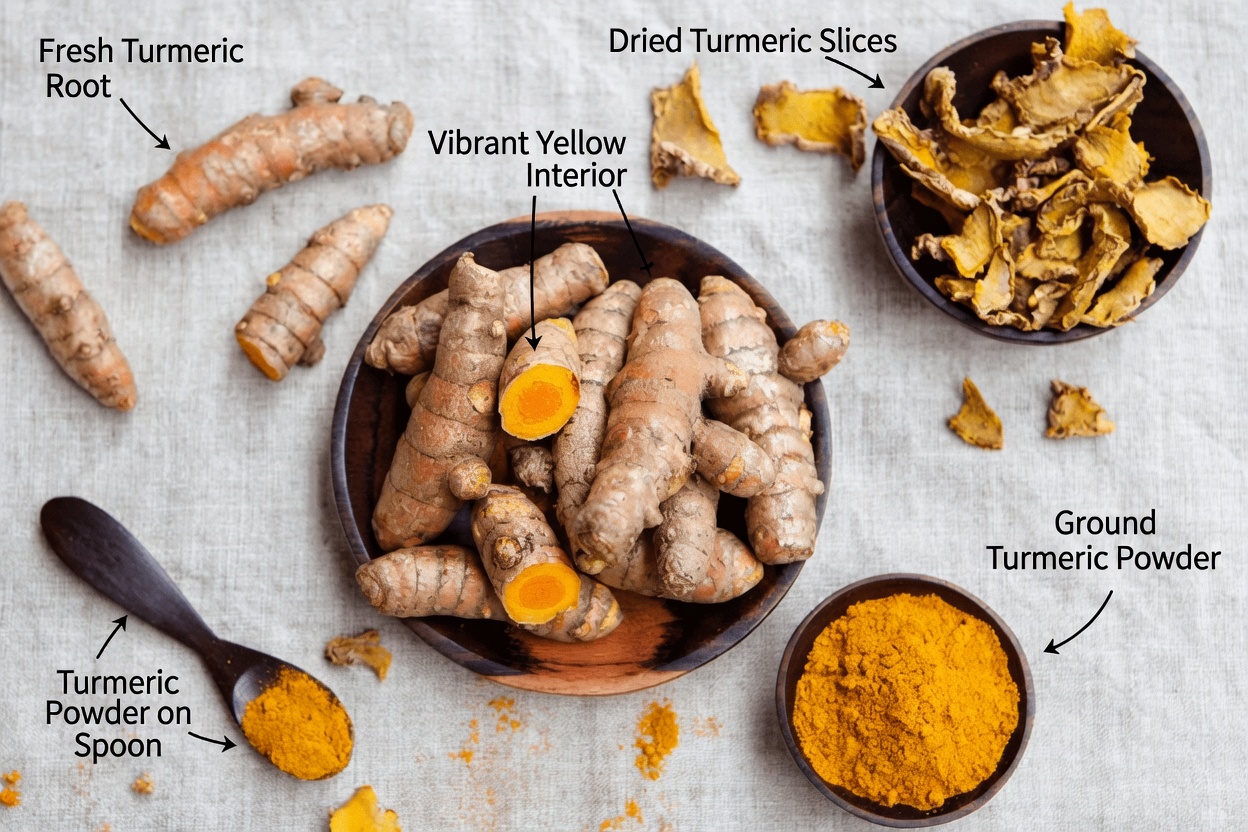
1) Turmeric
Turmeric has been used in traditional cuisines and wellness traditions for generations. Its best-known compound, curcumin, is widely studied for antioxidant activity.
What research suggests
Multiple lab and human studies suggest curcumin may help support a healthy inflammatory response. Keeping inflammation in a balanced range matters for many body systems, including the kidneys.
Turmeric isn’t a medical treatment, but it can be a helpful addition to a nutrient-focused eating pattern.
Easy ways to use turmeric
Add a small amount to:
- Soups and stews
- Scrambled eggs
- Rice or lentil dishes
- Warm milk or a hot drink (pair with a pinch of black pepper to support absorption)
A common culinary starting point is 1/4 to 1/2 teaspoon per day mixed into meals.
2) Ginger
Ginger is famous for digestive comfort, but it also delivers antioxidants such as gingerols and shogaols.
Why it may be helpful
Studies suggest ginger can help the body manage oxidative stress (an imbalance between free radicals and antioxidant protection). Over time, oxidative stress can affect many tissues.
Ginger is also interesting because some research links it with support for healthy blood sugar levels as part of an overall balanced diet—an important connection since blood sugar regulation is closely tied to kidney wellness.
Simple ways to add ginger
Try it as:
- Fresh ginger slices steeped in hot water
- Grated ginger in stir-fries
- Blended into smoothies
- Whisked into salad dressings
With ginger, consistency matters more than quantity.
3) Garlic
Garlic is a global kitchen staple, and its signature compounds—especially allicin—have been studied for wellness effects beyond taste.
Potential benefits
Research associates garlic with supporting cardiovascular health and helping maintain healthy blood pressure. This matters because elevated blood pressure is a leading factor linked to kidney strain over time.
In that sense, garlic may support kidney wellness indirectly by supporting heart and circulation health within an overall healthy lifestyle.
How to use garlic daily
Practical options include:
- Crushing fresh garlic and letting it rest briefly before cooking
- Mixing into sauces and marinades
- Adding to roasted vegetables
- Stirring into soups toward the end for a stronger flavor
If garlic feels too intense, start with a small amount and increase gradually.
4) Cinnamon
Cinnamon is often used in sweet recipes, but its value isn’t limited to desserts.
What studies indicate
Some research suggests cinnamon may help support healthy blood sugar levels in certain individuals. Since long-term blood sugar imbalance can add stress to the kidneys, this is a meaningful area of support.
Cinnamon also provides a range of antioxidants that can complement a nutrient-rich eating plan.
Best practices for cinnamon
When possible, choose Ceylon cinnamon, which typically contains lower coumarin levels than some other types.
Easy ways to enjoy it:
- Sprinkled on oatmeal
- Mixed into yogurt
- Added to smoothies
- Paired with baked apples
For most people, small culinary amounts are sufficient.
5) Parsley
Parsley may look like a simple garnish, but it has a long tradition of use in food and herbal practices.
Why parsley stands out
Parsley provides vitamins A, C, and K, along with plant compounds (including antioxidant flavonoids). Traditional use sometimes includes parsley tea to support urinary flow.
While more high-quality human research is needed, parsley is a fresh, low-effort way to add nutrients and plant compounds to everyday meals.
Easy ways to enjoy parsley
Use it in:
- Salads (chopped fresh)
- Green smoothies
- Soups and grain bowls
- A mild herbal tea (steeped briefly in hot water)
Parsley tends to work best alongside the essentials: adequate hydration and a steady, balanced eating pattern.

Quick Comparison: These Spices at a Glance
| Spice | Key Compounds | Potential Support Areas | Simple Uses |
|---|---|---|---|
| Turmeric | Curcumin | Antioxidant + inflammation balance | Soups, rice, warm drinks |
| Ginger | Gingerols, shogaols | Digestive + antioxidant support | Tea, stir-fries, smoothies |
| Garlic | Allicin | Heart + blood pressure support | Sauces, roasted dishes, soups |
| Cinnamon | Polyphenols | Blood sugar balance | Oatmeal, yogurt, fruit |
| Parsley | Flavonoids, vitamins | Antioxidant + urinary support | Salads, bowls, tea |
Each spice brings something slightly different. Together, they can help build a more nutrient-dense, flavorful daily routine.
Practical Steps You Can Start Today
Turn the ideas into action with a few realistic moves:
- Pick one spice to emphasize this week and use it daily in meals.
- Drink enough water throughout the day—unless your clinician has given different guidance.
- Cut back on heavily processed foods high in added sodium.
- Eat more fruits and vegetables to increase overall antioxidant intake.
- Aim for regular movement, such as 30 minutes of walking most days.
Spices can support your routine, but they can’t replace the fundamentals. They work best when they’re part of consistent, sustainable habits.
Common Detox Myths About Kidneys
Online detox claims can be misleading. A few clarifications:
- Your kidneys already detox the body naturally; they don’t require extreme cleanses.
- Drinking excessive herbal tea won’t “force” faster kidney function and can be harmful in large amounts.
- “Natural” doesn’t automatically mean safe—especially for people with kidney conditions or those using medications.
Sustainable daily habits outperform quick fixes, every time.
The Bigger Picture: What Really Supports Kidney Health
Kidney wellness is built through long-term patterns, not overnight resets. Research consistently highlights the importance of:
- Balanced nutrition
- Healthy blood pressure
- Stable blood sugar
- Appropriate hydration
Spices make healthy meals more enjoyable—adding flavor and beneficial plant compounds. And when healthy eating feels enjoyable, it’s easier to maintain.
That “surprise” from the beginning isn’t one magical spice. The real secret is small, repeated daily choices that add up to meaningful change over time.
Frequently Asked Questions
1) Can spices improve kidney function quickly?
Spices are not designed to create rapid changes in kidney function. They may support overall wellness when used consistently as part of a balanced diet and healthy lifestyle.
2) Is it safe to use these spices every day?
For most healthy people, culinary amounts of these spices are generally considered safe. If you have a medical condition, take prescription medications, or have known kidney issues, consult a healthcare professional before making major dietary changes.
3) Which spice is best for overall kidney support?
There isn’t a single “best” spice for everyone. Turmeric, ginger, garlic, cinnamon, and parsley each support different wellness pathways. Many people do best by using small amounts of several spices alongside hydration, balanced meals, and healthy blood pressure and blood sugar habits.