Many adults over 50 add garlic to their meals to support everyday wellness—especially heart health and immune function. Yet even with frequent use, common concerns like low energy, mild joint stiffness, or recurring seasonal issues may still linger. One major reason is that garlic’s most studied active compound, allicin, is only created under specific conditions and can be quickly destroyed by heat, time, and improper handling. In other words, typical kitchen habits can greatly reduce garlic’s potential.
The encouraging part is that a few simple changes can help you keep more of garlic’s naturally occurring sulfur compounds. Below are seven common garlic-prep mistakes after age 50, along with practical fixes based on research into allicin formation and stability.

Why Garlic Becomes Even More Relevant After 50
With age, the body often experiences higher oxidative stress, along with gradual shifts in digestion and nutrient absorption. Garlic has been widely studied for its sulfur-containing compounds, which may help support:
- Cardiovascular wellness
- Immune response
- Healthy inflammation balance
A key point: allicin is not “stored” in garlic in its active form. It’s created when garlic is crushed or chopped, because cell damage allows the enzyme alliinase to convert precursor compounds into allicin. However, allicin is fragile—it can break down rapidly with high heat or extended exposure to air. For adults over 50 who rely on daily habits for long-term wellness, preparation details matter more than most people realize.
Many everyday users also report noticeable differences after switching to gentler methods—often describing steadier energy and fewer minor complaints over time—consistent with what research suggests about preserving garlic’s bioactive components.
The 7 Common Mistakes That Reduce Garlic’s Benefits (And What to Do Instead)
These are the most frequent errors that limit garlic’s value, plus straightforward corrections you can use immediately.
1) Cooking Garlic Too Long or Using High Heat
High temperatures can inactivate alliinase (the enzyme required for allicin production) and can also break down allicin itself. Studies have reported extremely large losses during high-heat cooking methods like frying or prolonged sautéing.
Fix
- Add crushed/minced garlic during the last 30–60 seconds of cooking
- Or use it raw in dressings, dips, sauces, and spreads to preserve more active compounds
2) Using Whole Cloves Without Crushing or Chopping
When garlic stays intact, its key compounds remain separated inside the clove. Without cell damage, allicin formation doesn’t properly start.
Fix
- Always crush, mince, or finely chop garlic before using it
3) Skipping the Rest Period After Crushing
Allicin production doesn’t peak instantly. Research on timing suggests allicin forms most effectively when garlic sits briefly at room temperature after being crushed. Heating too soon can interrupt this process.
Fix
- After crushing/chopping, let garlic rest for about 10 minutes before heating or eating
4) Depending on Pre-Peeled, Jarred, or Pre-Minced Garlic
Convenience garlic products often lose potency through processing and oxidation, and some may contain additives that reduce freshness.
Fix
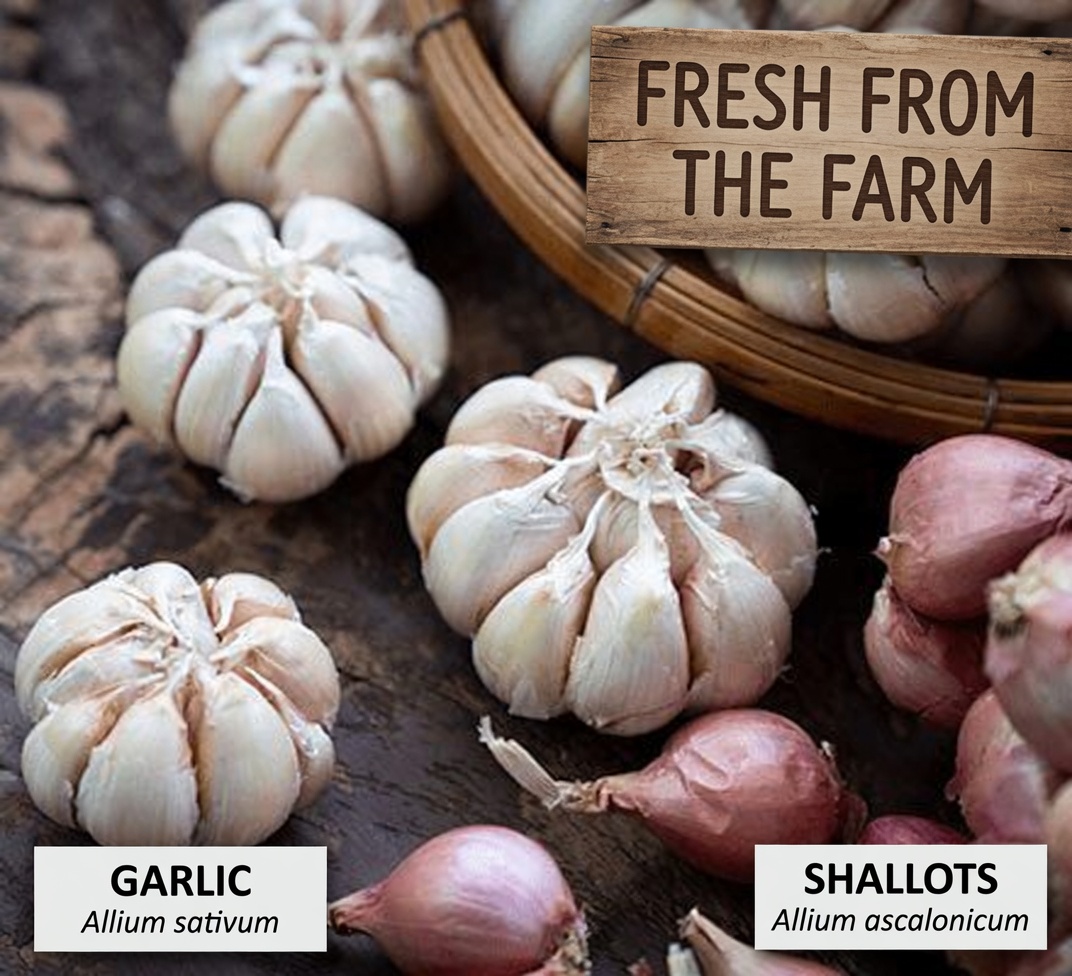
- Buy fresh whole bulbs
- Peel cloves right before you use them
5) Storing Garlic the Wrong Way
Refrigeration can encourage sprouting and moisture issues, while sealed plastic can trap humidity and speed spoilage.
Fix
- Store whole bulbs in a cool, dark, well-ventilated area
- Use a pantry, garlic keeper, or mesh bag (not airtight plastic)
6) Ignoring Possible Medication Interactions
Garlic can have mild blood-thinning effects and may amplify the impact of some anticoagulants or certain blood pressure medications, potentially increasing bleeding risk in specific situations.
Fix
- Speak with your healthcare provider if you:
- Take blood thinners
- Use blood pressure medication
- Are preparing for surgery
Dietary garlic is often well tolerated, but individualized guidance is the safest approach.
7) Taking Too Much at Once
More is not always better. Large amounts can trigger digestive upset, irritation, or unpleasant breath—especially for people with sensitive stomachs.
Fix
- Start with 1 clove per day
- Increase gradually if tolerated
Consistency usually matters more than high doses.
Bonus Tip: Improve Tolerance and Pairing
After crushing garlic and letting it rest for 10 minutes, mix it with a small amount of extra virgin olive oil. Many people find this gentler on digestion, and it may support better use of garlic’s compounds as part of a meal.
Quick Comparison: Mistakes vs. Better Methods
-
Overcooking / high heat
- Impact: allicin breaks down quickly
- Better: add at the end or use raw
- Result: better compound preservation
-
Not crushing or chopping
- Impact: minimal allicin formation
- Better: crush/mince first
- Result: activates key enzyme reaction
-
No rest after crushing
- Impact: reduced allicin development
- Better: wait ~10 minutes
- Result: supports peak formation timing
-
Using jarred/pre-minced options
- Impact: lower potency due to oxidation/processing
- Better: fresh whole bulbs
- Result: higher freshness and strength
-
Improper storage
- Impact: sprouting, mold risk, faster quality loss
- Better: cool, dark, ventilated storage
- Result: longer-lasting garlic quality
12 Ways Smart Garlic Preparation Can Support Wellness After 50
When prepared correctly, garlic may contribute to daily health in several interconnected ways:
- Helps deliver more allicin through proper activation
- Supports a healthy inflammation response via sulfur compounds
- Promotes cardiovascular comfort, including blood pressure and cholesterol balance
- Contributes to immune resilience
- May support blood sugar stability by influencing carbohydrate processing
- Provides antioxidant support against oxidative stress
- Encourages a healthier gut microbiome with prebiotic-like effects
- Supports circulation through mild vessel relaxation
- May help reduce the duration of seasonal illnesses when used consistently
- Assists natural liver detox pathways
- Supports cognitive function through inflammation-related mechanisms
- Fits well into longevity-focused dietary patterns
A Simple Timeline to Try These Changes
- Weeks 1–2: Focus on crushing + resting; watch for easier digestion
- Weeks 3–4: Shift to raw use or end-of-cooking timing; track steadier energy
- Weeks 5–8: Maintain 1–2 cloves daily; review overall wellness with your clinician if needed
- After 8 weeks: Keep the routine and look for gradual, cumulative benefits
Smart Safety Notes
If you have a sensitive stomach, begin slowly—raw garlic can sometimes irritate the digestive tract. Also, prioritize food-based garlic rather than supplements unless a clinician recommends otherwise, since fresh prep helps preserve natural compounds.
FAQ
Is raw garlic healthier than cooked garlic?
Raw or lightly heated garlic preserves more allicin. That said, gentle cooking can still provide benefits from other sulfur compounds formed during heating. Choose the method you tolerate best.
How much garlic is typically considered safe per day after 50?
A common, well-tolerated range is 1–2 cloves daily, based on traditional use and many study protocols. Adjust for your tolerance and consult your doctor if you take medications.
Can garlic replace medications for heart or immune health?
No. Garlic is a supportive food, not a substitute for prescribed treatment. Work with your healthcare provider for medical decisions.
Final Thoughts
Garlic can be a powerful, low-cost wellness tool after 50—but only if it’s prepared in a way that protects its most sensitive compounds. By crushing, resting, and timing heat exposure, you can get far more value from a staple you already use.
This content is for informational purposes only and does not replace medical advice. Speak with a qualified healthcare professional before making dietary changes, especially if you use medications or manage health conditions.