Cloves for Everyday Wellness: Natural Support for Blood Sugar, Blood Pressure, and Circulation
Dealing with unstable blood sugar, elevated blood pressure, or that sluggish sensation linked to poor circulation can make daily life feel more tiring than it should. These concerns often develop gradually through age, stress, and everyday lifestyle patterns, until routine tasks start to feel more demanding. Still, sometimes helpful support comes from surprisingly simple places. One small, fragrant spice already sitting in many kitchens may offer gentle daily benefits: cloves. Interest in cloves has grown quickly in the wellness world, and the most practical takeaway comes at the end.
What Are Cloves and Why Are People Talking About Them?
Cloves are dried flower buds harvested from the evergreen clove tree. Although the plant originated in Indonesia, cloves are now cultivated in many parts of the world. For generations, they have been valued in cooking for their warm, rich, slightly sweet spice flavor, showing up in everything from tea blends to baked fruit dishes.
Their popularity goes beyond taste. Cloves contain a notable mix of natural compounds, especially eugenol, a powerful antioxidant that makes up much of clove essential oil. They also provide manganese, fiber, and a range of polyphenols, which help explain their long-standing use in traditional wellness practices.
What makes cloves especially interesting today is that newer research is beginning to explore how these compounds may support metabolic health and healthy circulation as part of a balanced lifestyle.
How Cloves May Help Support Healthy Blood Sugar
Maintaining balanced blood sugar is important for stable energy, mental clarity, and long-term wellness. When levels rise and fall too sharply, many people experience fatigue, cravings, and that familiar afternoon slump. This is one reason cloves have attracted attention.
Early research suggests that the eugenol and polyphenols found in cloves may help promote healthier glucose regulation. In animal studies involving hyperglycemia, eugenol has been associated with lower glucose levels and reduced activity of certain enzymes involved in carbohydrate metabolism.
A small 2019 open-label pilot study offered encouraging results in humans as well. Researchers evaluated a water-soluble, polyphenol-rich clove extract and found notable improvements in both fasting and post-meal blood glucose in healthy and prediabetic participants after regular use.
So how might this work? Current evidence suggests that compounds in cloves may support better glucose uptake by cells while also gently slowing starch breakdown. The effect is not extreme, but it may provide a helpful nutritional boost when combined with healthy eating habits.

Cloves and Their Possible Role in Blood Pressure Support
High blood pressure can be easy to overlook because it often has no obvious symptoms, yet it can still affect overall well-being over time. Since lifestyle changes are central to blood pressure management, many people look for simple, natural ways to complement their routine.
Animal research focused on diabetes-related hypertension has shown that clove extracts may help regulate blood pressure and support vascular function. In one comparative study, clove use influenced both blood pressure readings and oxidative stress markers in ways researchers found similar in direction to standard methods used in the test models.
The likely explanation involves eugenol’s vessel-relaxing properties along with its antioxidant effects. Together, these actions may support healthier blood flow and vascular tone. While this area of research is still developing, it helps explain why cloves continue to appear in conversations about heart and metabolic wellness.
Cloves for Circulation: A Warming Spice With Practical Benefits
Poor circulation often feels like cold hands and feet, mild swelling, or heavy legs after long periods of sitting. Traditionally, cloves have been known as a warming spice, and modern research offers some support for that reputation.
Studies on eugenol suggest it may encourage vasodilation, meaning it helps blood vessels relax and widen so blood can move more easily. It may also promote endothelial health and help reduce oxidative stress, a factor linked to cardiovascular strain.
One review examining eugenol’s properties highlighted its potential to ease issues connected to circulation, including mild inflammation and platelet activity. The overall effect may be subtle, but it fits well into a steady, everyday wellness routine.
The good news is that adding cloves to your day is simple and does not require a major change in your habits.
Easy Ways to Add Cloves to Your Daily Routine
Small actions done consistently often work better than dramatic changes. Here are a few simple ways to start using cloves in everyday meals and drinks:
- Stir 1/4 teaspoon of ground cloves into oatmeal, yogurt, or a smoothie bowl for a naturally warming flavor.
- Add 1 or 2 whole cloves to herbal tea while it steeps. Cloves pair especially well with cinnamon and ginger.
- Sprinkle a little into spice blends for roasted vegetables, chicken, or salmon to build flavor without relying on extra salt.
- Mix cloves into applesauce, muffins, or other baked treats for a seasonal, aromatic touch.
- Blend a very small amount into homemade marinades or salad dressings for deeper flavor.
Start with modest amounts. Culinary use is well tolerated by most people. After a couple of weeks, notice how you feel and adjust gradually if needed.
A Simple Clove Drink to Try at Home
If you want an easy way to enjoy cloves regularly, a warm spiced infusion is one of the best options.
Ingredients
- Water
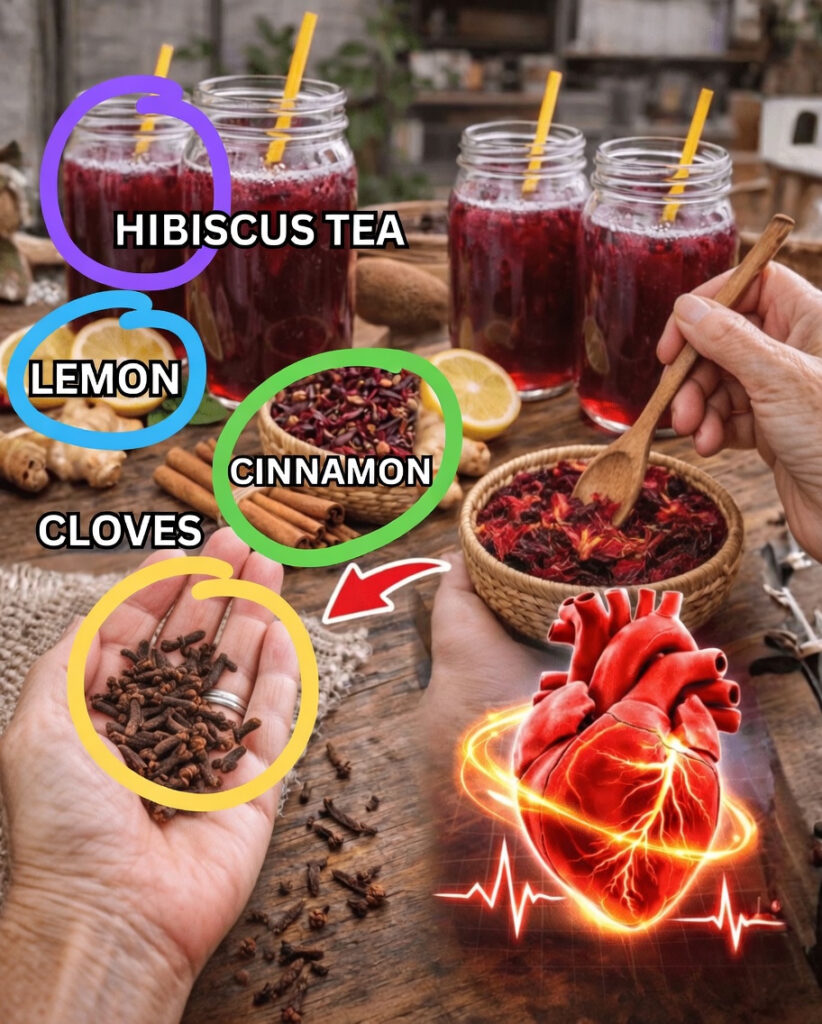
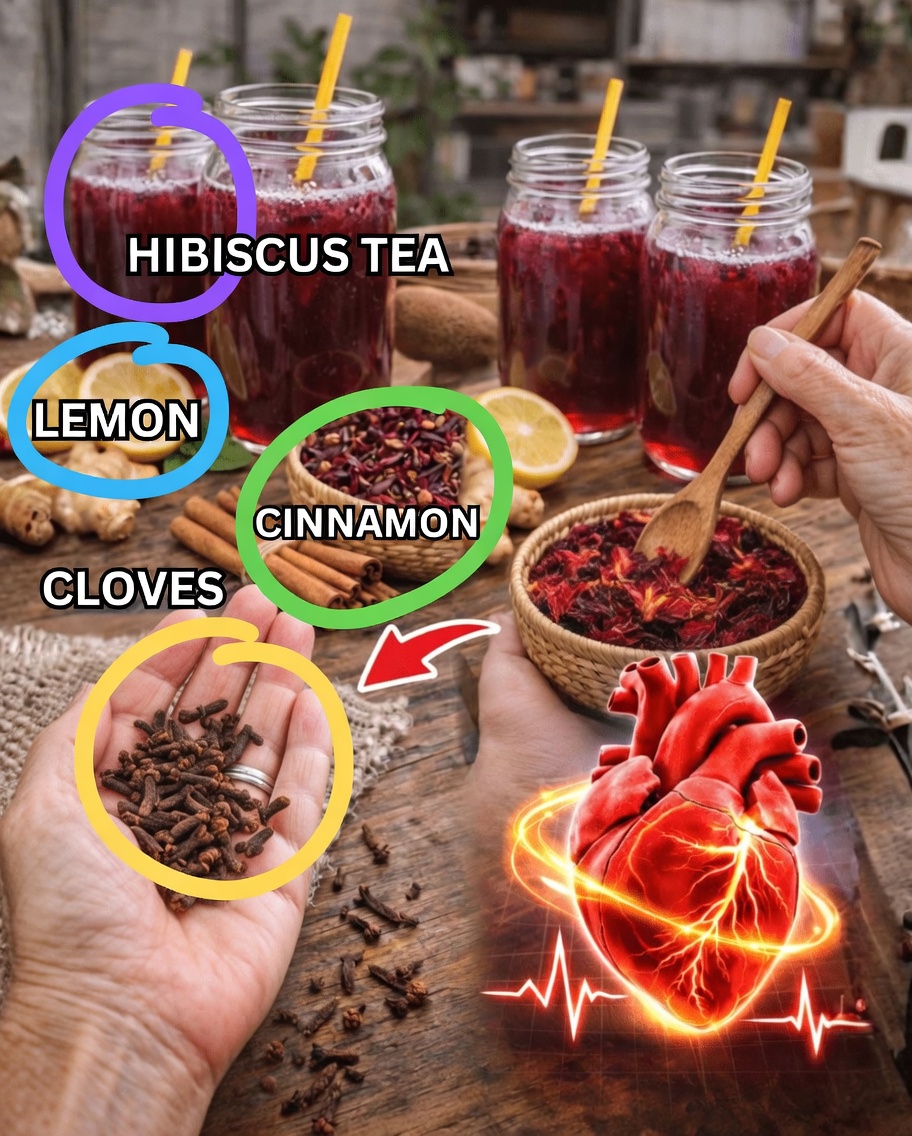
- A handful of hibiscus petals
- 2 cinnamon sticks
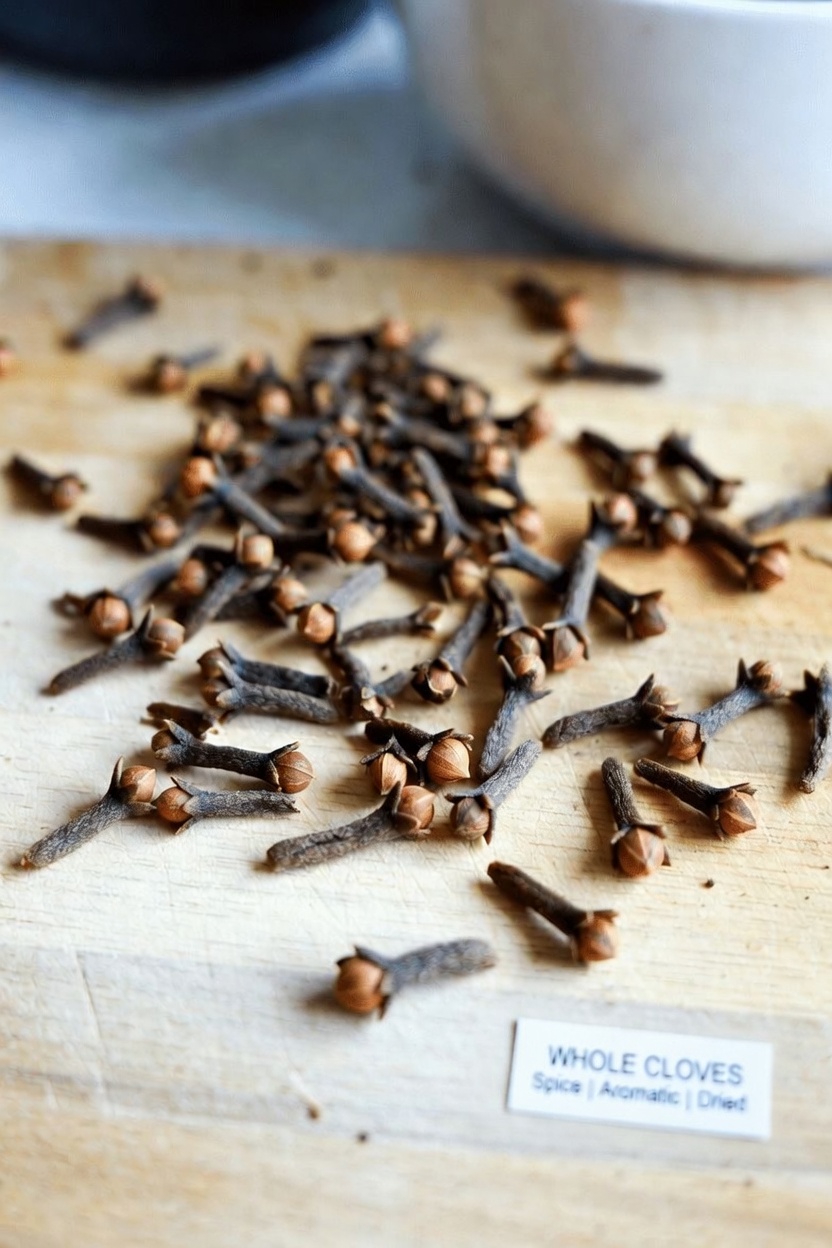
- 3 whole cloves
- A few slices of fresh ginger
- A squeeze of lemon
- Honey, optional
How to Make It
- Bring the water to a gentle simmer.
- Add the hibiscus, cinnamon sticks, whole cloves, ginger slices, and lemon.
- Let everything steep for 10 to 15 minutes.
- Sweeten lightly with honey if desired.
- Drink it warm in the morning or serve it over ice later in the day.
This drink is comforting, flavorful, and visually appealing. It also makes it easy to include cloves in your routine without much effort. You can prepare a larger batch and keep it in the refrigerator for convenient use throughout the week.
Important Safety Notes Before You Use More Cloves
Cloves may be small, but they are potent, so moderation matters. Typical culinary amounts, around 1/2 to 1 teaspoon of ground cloves per day, are generally considered safe for most people. Larger quantities or concentrated clove oil should be approached more carefully.
If you are taking medication for blood sugar, blood pressure, or blood thinning, speak with a qualified healthcare provider before increasing your clove intake. Eugenol may interact with certain medications. People who are pregnant or breastfeeding should also get professional guidance first.
Pay attention to your body’s response. Using too much too quickly may cause mild digestive discomfort in some individuals.
Final Thoughts: A Small Spice With Promising Potential
Cloves are an easy, affordable way to bring beneficial plant compounds into your daily routine. Research on their possible role in blood sugar support, blood pressure balance, and circulation health is still developing, but the early findings are encouraging.
The real value comes from pairing this knowledge with habits you can maintain. The simple clove ritual mentioned earlier is the spiced infusion above: practical, enjoyable, and easy to make part of everyday life.
FAQ
How much clove should I use each day?
Most people keep it simple with 1/4 to 1/2 teaspoon of ground cloves or about 1 to 3 whole cloves daily. That amount is usually enough to add flavor and support without overdoing it.
Can cloves replace my medication or treatment plan?
No. Cloves should be viewed as a complementary food, not a replacement for medical care. Always follow your doctor’s guidance for managing blood sugar, blood pressure, or circulation concerns.
Are there any side effects to watch for?
When used in normal food amounts, side effects are uncommon. Very large doses may irritate the stomach or interact with certain medications. If anything unusual happens, stop use and consult a healthcare professional.
Disclaimer
This article is intended for informational and educational purposes only. It does not provide medical advice, and it is not meant to diagnose, treat, or cure any condition. Always consult a qualified healthcare provider before making dietary changes, especially if you have an existing medical condition or take prescription medications. Individual responses may vary.