
When Creatinine Numbers Rise: A Food-First Way to Support Kidney Health
Watching creatinine values climb on your lab results can be stressful. Readings such as 1.8, 2.1, or higher often lead to conversations about slowing kidney decline, adjusting protein intake, and planning for the long term. It’s completely normal to worry about what these changes might mean for your routine and your future.
The encouraging part is that everyday nutrition choices can help support kidney function—especially when you prioritize nutrient-dense, low-potassium foods as part of a kidney-friendly eating pattern supervised by your clinician. For many people with early to moderate chronic kidney disease (CKD), diet becomes one practical tool to reduce strain on the kidneys while still eating satisfying meals.
Even more interesting: some common items—often easy to find in any grocery store—offer fiber, antioxidants, and anti-inflammatory compounds that research associates with better kidney support. Below are 12 realistic, renal-diet-friendly options and ideas for fitting them into daily life.

Why These Foods Can Matter for Kidney Support
Your kidneys help remove waste products (including creatinine) from the bloodstream. When kidney function decreases, dietary management becomes more important because certain nutrients can increase the kidneys’ workload.
A kidney-supportive diet often emphasizes foods that are:
- Lower in potassium, phosphorus, and sodium
- Higher in fiber
- Rich in antioxidants and anti-inflammatory compounds
Research suggests that higher fiber intake may help bind certain waste products in the digestive tract and can be associated with improved markers in some people living with CKD. Meanwhile, antioxidants may help counter oxidative stress, a process commonly linked with kidney concerns.
These foods are not cures, but organizations such as the National Kidney Foundation and a range of nutrition studies frequently highlight their potential value when used within a medically guided renal nutrition plan.
12 Kidney-Friendly Foods to Consider
Below are 12 accessible foods often included in kidney-friendly diets. Each one brings specific nutrients that may be beneficial in CKD-supportive eating.
12. Red Bell Peppers
Red bell peppers are relatively low in potassium (around 211 mg per 100 g) and provide a strong dose of vitamin C plus lycopene. These antioxidants may help reduce oxidative stress. They’re also a popular renal-diet staple because they add color and flavor without adding heavy mineral loads.
11. Blueberries
Blueberries are known for anthocyanins, compounds linked to anti-inflammatory and antioxidant effects. They’re also kidney-diet friendly due to low potassium, and their fiber can support gut health—an important piece of overall waste management.
10. Cabbage
Cabbage is budget-friendly, widely available, and versatile. It offers fiber and naturally occurring plant compounds, including sulfur-containing nutrients, often discussed in relation to detoxification pathways. It’s commonly recommended because it’s lower in potassium than many other vegetables.
9. Cauliflower
Cauliflower can work as a comforting substitute for higher-potassium sides. Many people steam and mash it in place of potatoes. It provides fiber and vitamin C while helping you keep potassium intake more manageable.
8. Apples
Apples provide soluble fiber, particularly pectin (especially when the skin is eaten). Soluble fiber may help bind certain compounds in the gut. A single medium apple is an easy, consistent way to add fiber without drastically changing meals.

7. Cranberries
Cranberries—especially unsweetened forms—contain plant compounds studied for urinary health and inflammation support. Some research also explores their role in oxidative stress reduction in kidney-related contexts. Choose low-sugar options to stay aligned with overall metabolic health.
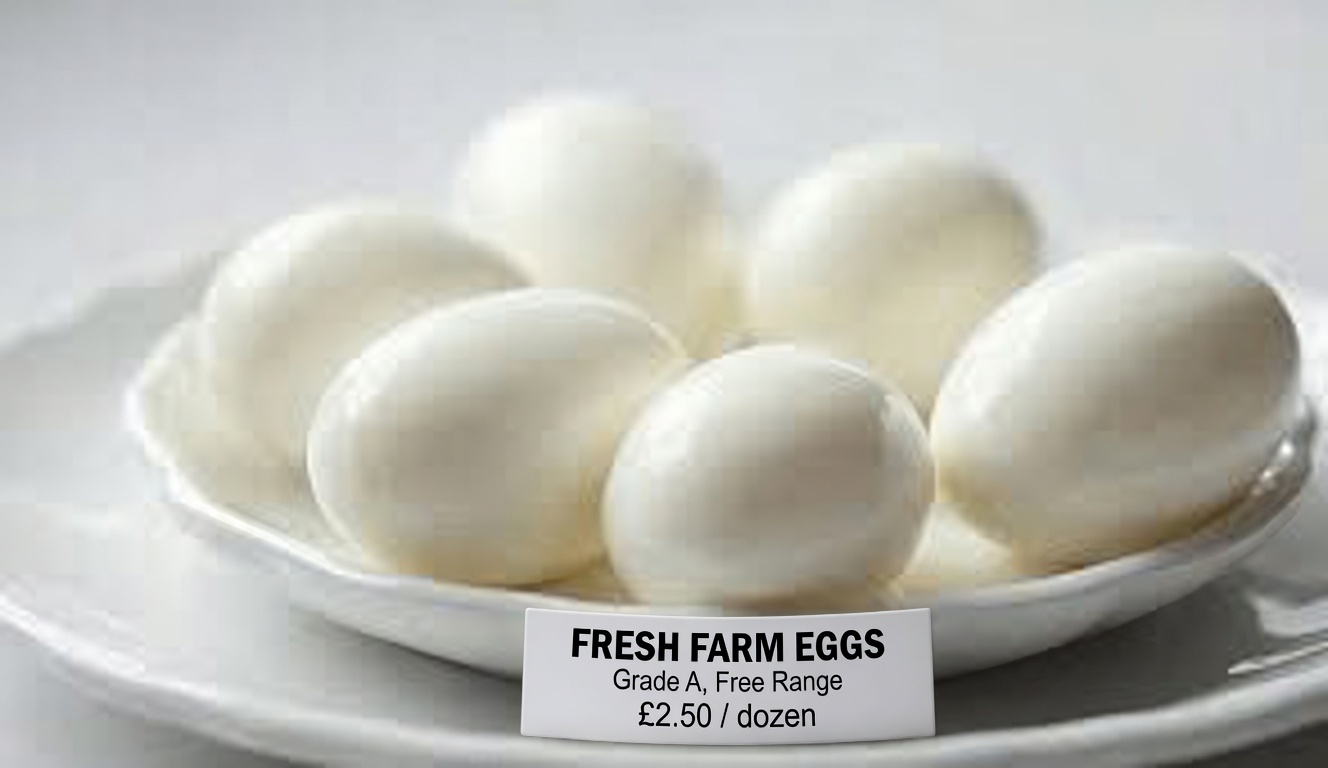
6. Egg Whites
Egg whites are a go-to protein in renal diets because they deliver high-quality protein with very little phosphorus compared with many other protein sources. Roughly two egg whites provide about 7 grams of protein, which can help maintain nutrition while respecting common renal restrictions.
5. Onions
Onions add depth of flavor with minimal mineral impact and contain quercetin, a plant compound studied for its antioxidant and vascular-supporting properties. They’re a simple way to make kidney-friendly meals taste better without relying on salt.
4. Garlic
Garlic is valued for both flavor and its natural compounds. If you crush garlic and let it sit briefly, it helps form allicin, which has been studied for circulation-related effects. Some research models suggest garlic may support renal blood flow and inflammation control.
3. Extra-Virgin Olive Oil
Extra-virgin olive oil is a heart-healthy fat that can replace more inflammatory fats in the diet. In Mediterranean-style eating patterns, moderate use is associated (in observational research) with better cardiovascular outcomes and may relate to slower CKD progression in some populations.
2. Wild-Caught Salmon (Small Portions)
Salmon provides omega-3 fatty acids (EPA/DHA), which are widely studied for anti-inflammatory support and potential benefits related to proteinuria. Because fish can contribute phosphorus, it’s often best to keep portions modest—such as 1–2 small servings per week, depending on your plan.
1. Nettle Leaf Tea
Nettle leaf tea is a traditional herbal drink used in some European wellness practices, often described as a mild diuretic. Limited studies suggest it may support urine output and some kidney-related markers when used appropriately. Because herbs can interact with medications and health conditions, it’s especially important to confirm safety with your medical team.
Quick Comparison: Nutrients and Practical Use
- Red bell peppers: Antioxidant-rich; lower potassium (~211 mg/100 g). Use raw in salads or roasted.
- Blueberries: Anthocyanins + fiber; low potassium (~77 mg/100 g). Aim for ½–1 cup fresh or frozen.
- Cabbage: Fiber + plant compounds; moderate-low potassium (~170 mg/100 g). Steam, sauté, or use in slaws.
- Apples: Pectin (soluble fiber); potassium ~107 mg/100 g. Eat one whole apple with skin.
- Nettle leaf tea: Traditional diuretic support; trace minerals. Often 1–2 cups brewed from dried leaves.
- Extra-virgin olive oil: Anti-inflammatory fat profile; naturally low potassium. Use 2–4 tablespoons across meals as needed.
A Simple 60-Day Kidney-Supportive Meal Framework
If you do better with structure, this outline—based on common renal diet principles—can be a helpful starting point. Adjust portions and specifics with your registered dietitian.
- Breakfast: Egg-white scramble with chopped red bell peppers and onions, cooked in extra-virgin olive oil
- Snack: A small serving of blueberries plus one small apple
- Lunch: Cabbage salad with onions, garlic, and an olive-oil dressing; add salmon 1–2 times per week
- Dinner: Mashed cauliflower with steamed cabbage; nettle leaf tea
- Evening: A second cup of nettle tea if it fits your plan and feels comfortable
A practical approach is to choose 3–4 foods first, build meals around them, and note how you feel over time—then review lab trends and symptoms with your care team.
Practical Tips You Can Use Today
- Choose low-sodium products by reading labels carefully.
- If a vegetable is higher in potassium, ask your dietitian whether boiling/leaching is appropriate for your plan.
- Drink water as advised (unless you have a fluid restriction).
- Add gentle movement (such as walking) to support overall circulation.
- Track meals, blood pressure (if relevant), and symptoms to discuss with your nephrologist.
FAQ
Can these foods actually lower creatinine?
No single food can guarantee lower creatinine. However, diets that include more fiber and antioxidant-rich choices are associated in studies with better inflammation control and waste-handling support in some CKD contexts. Your results depend on your CKD stage, medications, and overall diet pattern.
Are these foods safe in advanced CKD?
Not always. In later-stage CKD, potassium, phosphorus, sodium, and fluid limits can become stricter. Herbal products like nettle tea and protein choices like fish should be cleared with your nephrologist or dietitian.
How soon might changes show up?
Some people notice differences in energy, digestion, or lab trends within 4–12 weeks when changes are consistent. Focus on sustainable routines rather than rapid results.
Medical Disclaimer
This article is for educational purposes only and does not provide medical advice. Always consult your nephrologist or a registered dietitian before changing your diet—especially if you have CKD, potassium/phosphorus/fluid restrictions, or take prescription medications. Never modify your treatment plan without professional guidance.