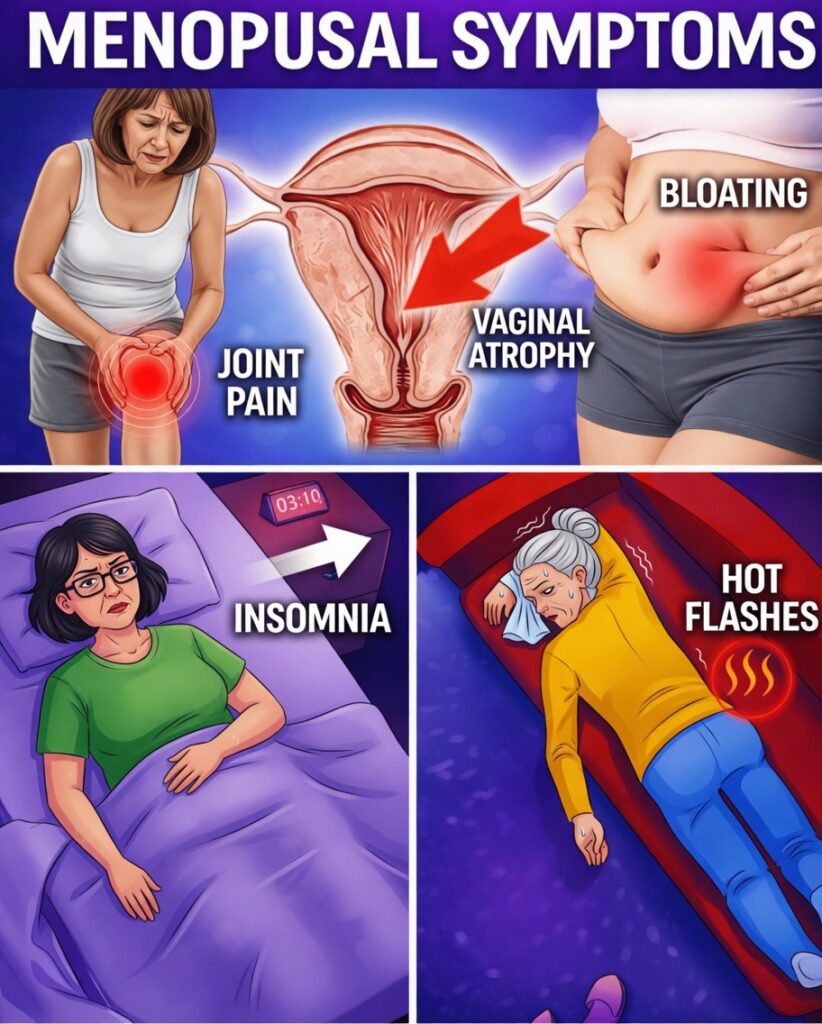
Imagine being in a calm, comfortable room—then suddenly a wave of heat rises through your chest, your face turns red, and sweat appears in seconds, even though everyone else feels fine. For many women, this isn’t a one-off inconvenience. It can be an early clue of early menopause, a transition that affects around 5% of women before age 45, as reported by reputable health organizations such as the Cleveland Clinic and the U.S. Office on Women’s Health. These hormonal shifts can show up sooner than expected—sometimes in the early 40s or even earlier—changing sleep, routines, and day-to-day well-being.
When menopause-related changes begin earlier, they may also carry longer-term implications, particularly for bone strength and cardiovascular health, if left unaddressed. Evidence consistently suggests that noticing patterns early helps women seek timely support and make informed decisions. Below is a practical guide to 10 commonly overlooked signs, plus extra insights and next steps to help you feel more prepared and in control.
Why Early Awareness of Menopause Changes Matters
Early menopause is generally defined as menopause occurring before age 45 (while premature menopause occurs before 40). It happens as estrogen levels decline and ovarian function changes. Medical sources including Yale Medicine and the World Health Organization note that causes can include:
- Genetics and family history
- Certain medical treatments (for example, chemotherapy or ovarian surgery)
- Lifestyle factors
- Sometimes, no clear cause is identified
Because many symptoms overlap with stress, burnout, or “normal aging,” women in their 30s or early 40s may brush off early signs. The key is that symptoms often cluster and repeat. Paying attention now can lead to smoother management later.
So what should you look for? Here are the most frequently reported signals, counted down.
10. Irregular Periods: A Common First Signal
One of the earliest and most noticeable clues is a shift in your menstrual cycle. Periods that used to be predictable may:
- Arrive earlier or later than usual
- Become heavier or lighter
- Skip months
- Include spotting between cycles
According to the Cleveland Clinic, these changes often reflect fluctuating hormones during the menopausal transition. For many women, cycle irregularity appears months or even years before other symptoms become disruptive. A simple tracker (app or calendar) can make patterns easier to identify and discuss with a clinician.
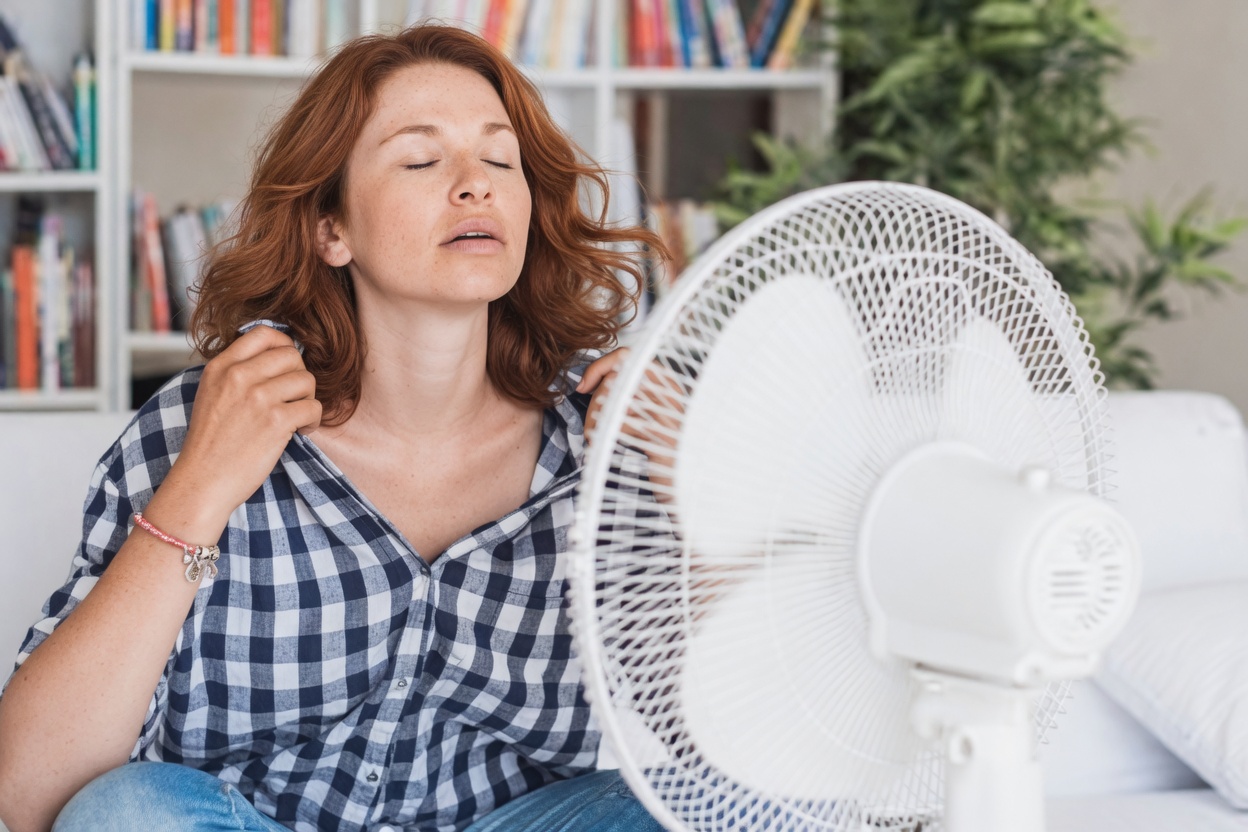
9. Hot Flashes: Sudden Heat That Comes Out of Nowhere
Hot flashes are a well-known vasomotor symptom. They often start as intense warmth in the chest, then spread upward to the neck and face. Many women also notice:
- Flushing
- Sweating
- A fast heartbeat
- Episodes lasting seconds to several minutes
Studies show hot flashes affect a large share of women during the menopause transition. They can strike during meetings, meals, or quiet moments, making daily life feel unpredictable—especially as estrogen continues to shift.
8. Night Sweats: Sleep Interrupted by Drenching Episodes
Night sweats are essentially hot flashes that happen during sleep. You may wake up:
- Soaked in sweat
- Uncomfortably hot, then suddenly chilled
- Struggling to fall back asleep
Health experts link these nighttime episodes to increased fatigue and poorer overall function. Over time, disrupted sleep can intensify other symptoms, creating a frustrating cycle of exhaustion.

7. Mood Swings and Emotional Shifts: Feeling “Unlike Yourself”
Many women report emotional changes that feel abrupt or unfamiliar, such as:
- Irritability
- Anxiety
- Low mood
- Unexpected tearfulness
Hormone fluctuations can influence brain chemistry, as discussed across major medical reviews. These changes aren’t a personal failing—they’re a common part of this transition. Naming what’s happening often reduces self-blame and makes it easier to look for supportive strategies.
6. Vaginal Dryness and Discomfort: Intimate Changes That Matter
As estrogen declines, vaginal tissue can become thinner and less elastic, and natural lubrication may decrease. This can lead to:
- Dryness or irritation
- Discomfort during intimacy
- Increased sensitivity
Clinical guidelines emphasize that this symptom is common, treatable, and worth discussing openly. It can affect comfort, confidence, and closeness—but awareness is the first step toward relief.
5. Sleep Disturbances: More Than Just Night Sweats
Even without night sweats, menopause-related hormone changes can disrupt sleep. You might notice:
- Trouble falling asleep
- Frequent waking
- Feeling unrefreshed even after a full night
- Restlessness or racing thoughts
Because sleep helps regulate mood, appetite, and focus, ongoing sleep disruption can ripple into many areas of life. Consistent routines often help, but persistent problems deserve medical attention.
4. Persistent Fatigue: When Rest Doesn’t Feel Restorative
Many women describe a deep, lingering tiredness that doesn’t improve with coffee—or even a full night in bed. You may feel:
- Drained by normal tasks
- Less motivated
- “Off” without a clear reason
Sleep disruption, metabolic shifts, and stress can combine here. Gentle movement, recovery time, and nutrition can help, but persistent fatigue should be evaluated—especially if it’s affecting daily function.
3. Brain Fog and Memory Slips: Trouble Concentrating
If you’re forgetting names, losing your train of thought, or misplacing items more often, you’re not alone. During this phase, many women experience:
- Reduced concentration
- Slower recall
- Mental “fuzziness”
Estrogen plays a role in cognitive processes, so hormonal shifts may temporarily affect memory and focus. Many women find these issues improve with time, along with practical supports like lists, reminders, and better sleep.
2. Thinning Hair, Drier Skin, and Texture Changes
Hormonal changes can influence collagen, oil production, and hair growth cycles. Over time, you may notice:
- Hair shedding or finer strands
- Dry or less supple skin
- Brittle nails
These changes usually build gradually, making them easy to miss at first. Gentle hair and skin care, plus nutrient-dense eating, can support comfort and appearance.
1. Fertility Changes: Subtle Signals in Reproductive Health
Even if you’re not actively trying to conceive, you might sense changes—especially if pregnancy takes longer than expected. Early menopause is closely linked to a faster decline in ovarian reserve.
Fertility specialists often point to this as a central feature of early ovarian aging. If family planning is important to you, earlier awareness creates more time to explore options with a healthcare provider.
Other Signs That May Also Appear
In addition to the ten signs above, some women also report:
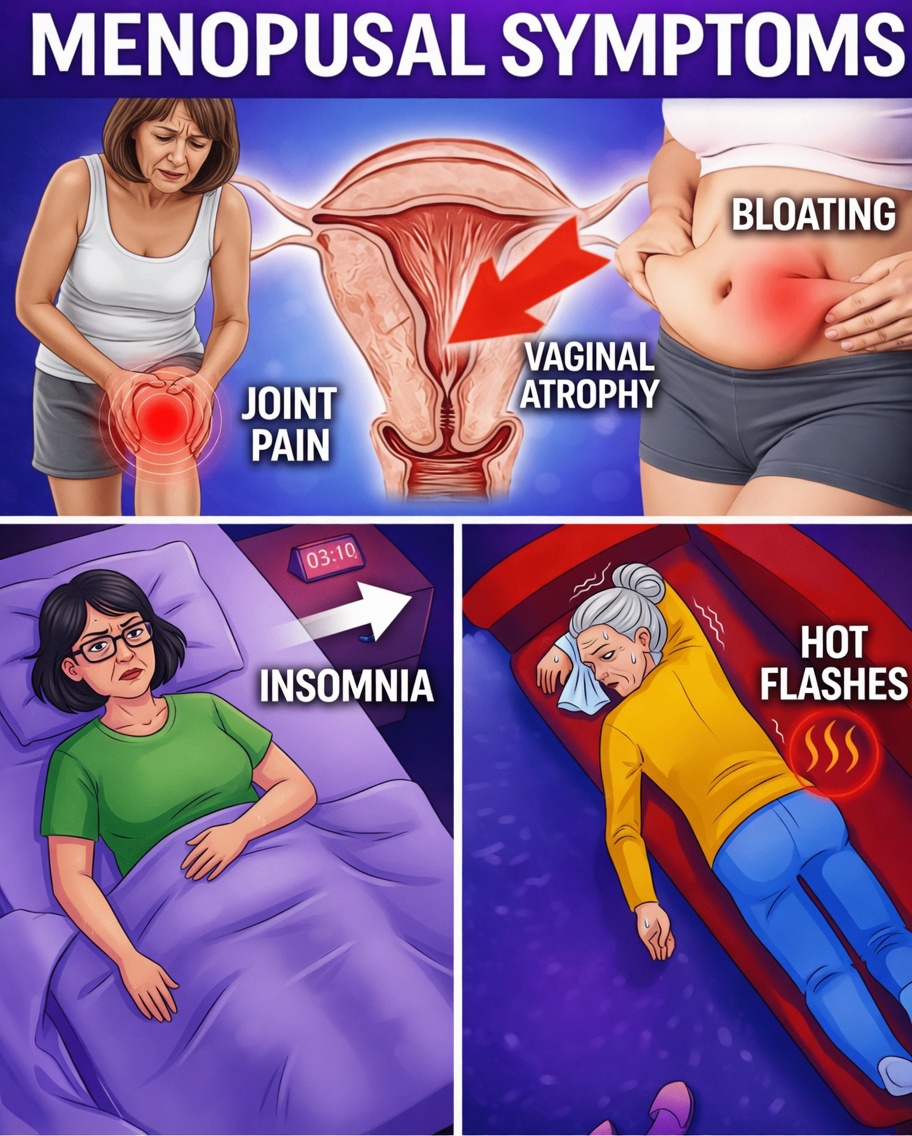
- Joint aches or stiffness
- Weight changes, often around the midsection
- Urinary urgency or minor leaks
Symptoms can vary widely based on family history, autoimmune conditions, and lifestyle factors. What matters most is your personal pattern over time.
Quick Comparison of Common Signs
-
Irregular periods
- Trigger: Hormone fluctuations
- Impact: Unpredictable cycles
- Track closely: Repeated skips, very heavy bleeding, or major pattern changes
-
Hot flashes and night sweats
- Trigger: Vasomotor changes
- Impact: Discomfort and sleep disruption
- Track closely: Frequent or intense episodes
-
Mood changes
- Trigger: Brain chemistry shifts
- Impact: Emotional ups and downs
- Track closely: Prolonged low mood or severe anxiety
-
Vaginal dryness
- Trigger: Tissue changes from lower estrogen
- Impact: Irritation and intimacy discomfort
- Track closely: Persistent symptoms that affect quality of life
-
Fatigue and brain fog
- Trigger: Sleep, metabolic, and cognitive effects
- Impact: Lower daily performance and motivation
- Track closely: Tiredness that doesn’t improve with rest
Practical Next Steps If These Signs Sound Familiar
No single symptom proves early menopause on its own—the overall pattern is what matters. If several signs match your experience, consider scheduling a conversation with a healthcare provider.
They may recommend reviewing your personal and family history, and in some cases, ordering blood tests to evaluate hormone-related markers. Many women also benefit from evidence-supported lifestyle approaches, including:
- A balanced, nutrient-rich diet to support energy, bone health, and overall resilience