Many adults over 40 notice changes such as uneven energy after meals, occasional tiredness, or growing concerns about long-term heart health and metabolic wellness. CDC data continues to show that millions of Americans live with prediabetes or face elevated type 2 diabetes risk, while heart disease remains one of the most pressing health issues nationwide. Often, these concerns connect to gradual, compounding factors—inflammation, blood sugar swings, and everyday lifestyle patterns.
The encouraging part: several familiar kitchen staples—red onion, turmeric, extra-virgin olive oil, and black pepper—contain naturally occurring compounds that research suggests may support better balance when used consistently in meals.
What if a simple sauté became a practical routine that helps you feel steadier day to day? Below is a clear look at the science-backed properties behind these ingredients—and why they’re often discussed together.
Why Blood Sugar Balance and Heart Health Matter More After 40
With age, many people place greater value on stable energy and cardiovascular support. Prediabetes is widespread among adults, and when inflammation remains unchecked, it may contribute to broader wellness concerns over time. While people try many strategies, food-based habits can be one of the most sustainable starting points because they fit naturally into daily life.
Researchers have identified helpful plant compounds in common foods, and this particular combination stands out for its complementary roles.
Red Onion: Quercetin and Potential Metabolic Support
Red onion is a notable dietary source of quercetin, a flavonoid studied for potential effects on glucose-related processes. Some research on onion consumption suggests it may help moderate blood sugar response, in part by influencing how quickly glucose is absorbed.
In certain studies, eating fresh red onion was associated with measurable changes in fasting-related markers for some participants. One proposed mechanism is that quercetin may interact with enzymes involved in rapid glucose uptake—supporting a more gradual rise and steadier post-meal energy.
In everyday terms, people who regularly add onions to meals often describe feeling more “even” after eating. Pairing onions with leafy greens or other colorful vegetables can further increase overall antioxidant intake.
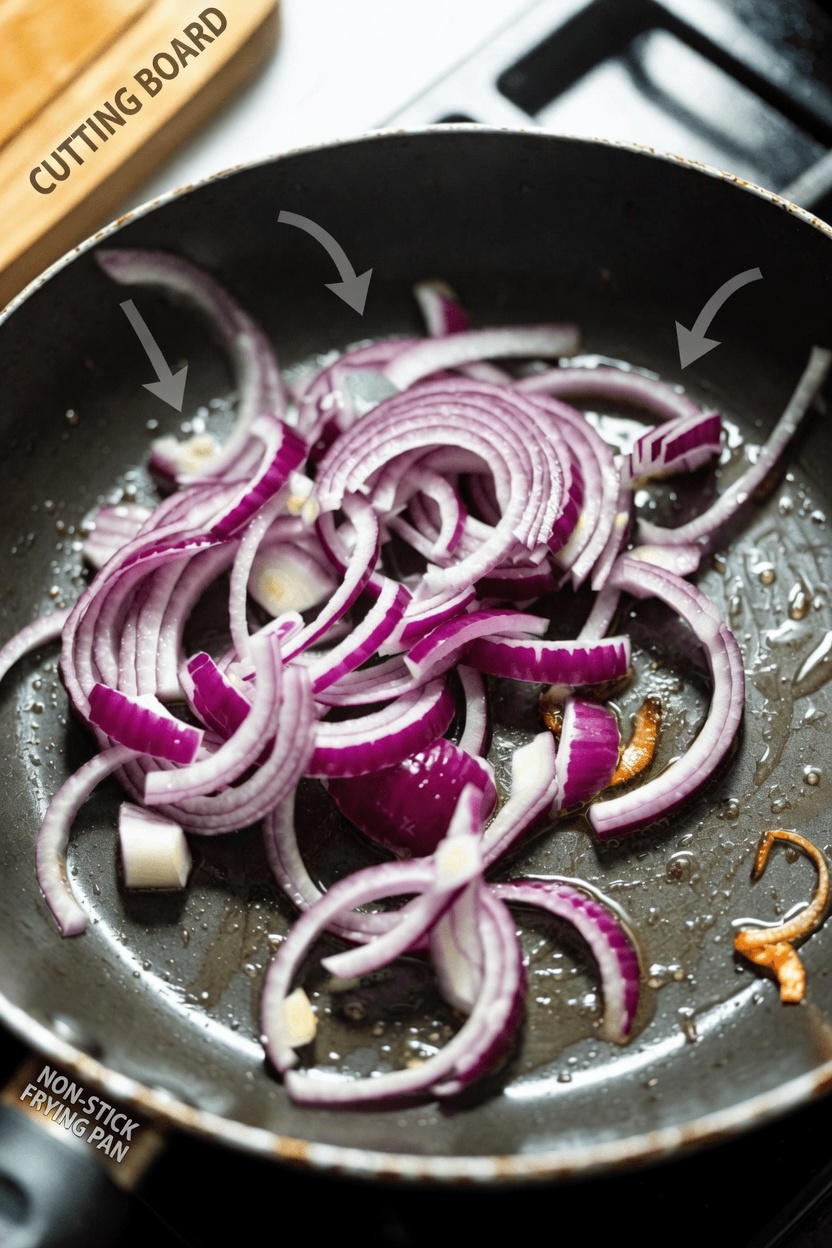
Red Onion and Vascular Support: Antioxidant Protection for Arteries
Quercetin is also studied for its antioxidant activity. Oxidative stress can influence vessel flexibility and may play a role in cholesterol-related concerns. Findings published in phytotherapy and nutrition research suggest quercetin may help neutralize free radicals that contribute to these processes.
For many, this kind of support matters most in daily life—during routine movement, walking, and maintaining overall vitality. And while red onion brings strong benefits on its own, the next ingredient is often highlighted for its powerful complementary role.
Turmeric: Curcumin and a Healthy Inflammatory Response
Turmeric contains curcumin, a compound widely researched for supporting a healthy inflammatory response. Multiple reviews and meta-analyses have linked curcumin intake with improvements in inflammation-related markers (including CRP) across various groups.
For practical daily living, supporting inflammation balance may translate to improved comfort and better recovery from routine physical and mental stress. Many people also report feeling more consistent energy when turmeric becomes a regular part of their meals.
Turmeric and Blood Sugar: Supporting Insulin Sensitivity
Beyond inflammation, research suggests curcumin may support insulin sensitivity and pancreatic function in ways that could help maintain healthier glucose balance. This makes turmeric a natural “partner” to red onion when the goal is steadier metabolism.
One key limitation: curcumin is poorly absorbed on its own, which is why the rest of this combination matters.
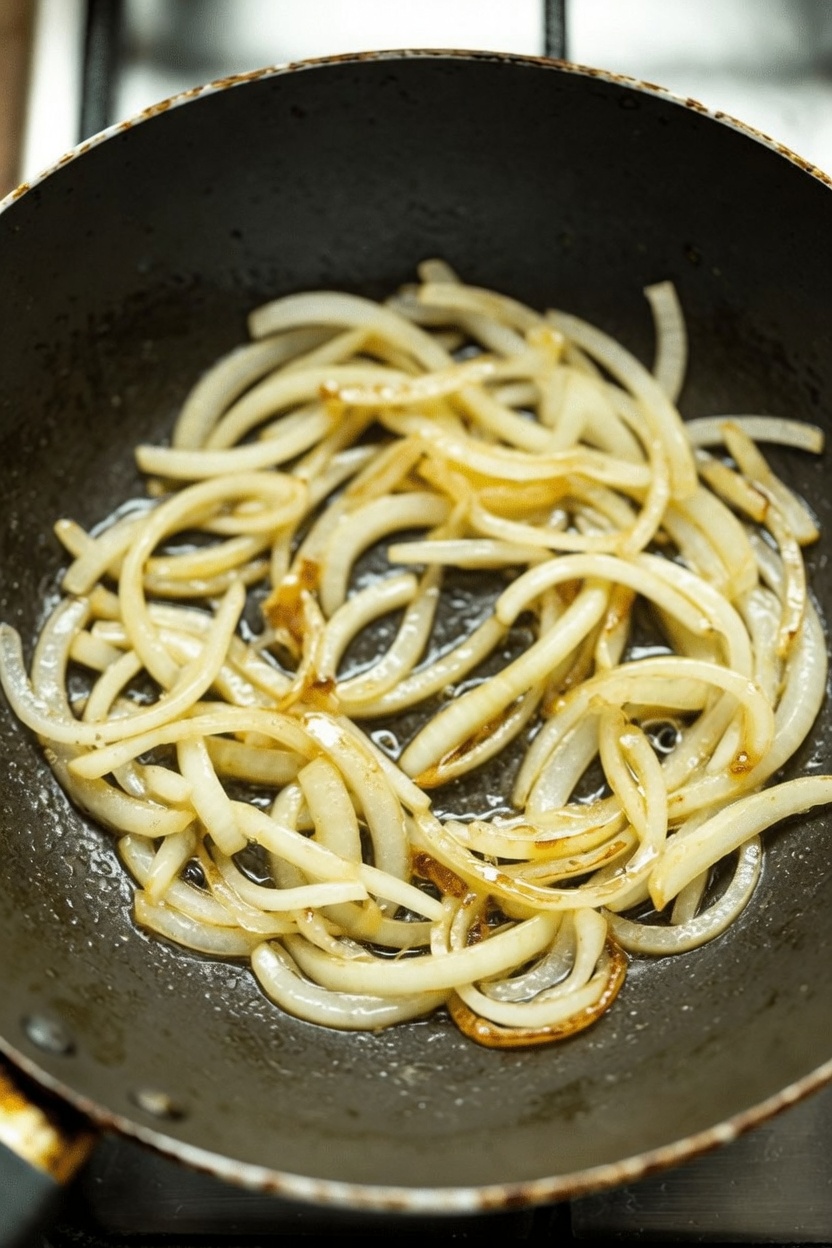
Olive Oil: Heart-Healthy Fats That Fit Everyday Cooking
Extra-virgin olive oil is rich in monounsaturated fats and protective plant compounds. Large-scale research and long-term dietary patterns have repeatedly linked olive oil intake with cardiovascular benefits, especially when used as part of an overall balanced eating style.
In practical terms, olive oil can support healthier lipid patterns and vessel function. It also helps carry fat-soluble compounds—an important detail when cooking with turmeric.
Black Pepper: Piperine for Better Curcumin Absorption
Black pepper contains piperine, which has been shown in studies to significantly improve curcumin absorption—sometimes reported as dramatic increases by slowing breakdown and improving bioavailability.
In other words, a small pinch of black pepper can help you get more value from the turmeric you’re already using.
Why These Ingredients Work Better Together
When red onion + turmeric + olive oil + black pepper are used in the same dish, you get a practical synergy:
- Red onion + turmeric: complementary antioxidants and potential glucose-moderating effects
- Olive oil: supports heart health and improves delivery of certain compounds
- Black pepper: boosts curcumin bioavailability
At a glance, the supportive roles include:
- Blood sugar stability: ingredients that may help encourage more gradual post-meal changes
- Inflammation support: curcumin and quercetin working through complementary pathways
- Heart support: olive oil fats plus antioxidant protection
- Enhanced uptake: piperine + fat-soluble delivery for better utilization
Simple Recipe: Everyday Red Onion–Turmeric Sauté
Ingredients (serves 2–4 as a meal add-on)
- 1 medium red onion, thinly sliced
- 1–2 tsp turmeric powder
- 1 tbsp extra-virgin olive oil
- 1 pinch (about 1/8 tsp) black pepper
- Optional: a splash of apple cider vinegar for brightness
Steps
- Warm the olive oil in a skillet over medium heat.
- Add the sliced red onion and sauté for 3–4 minutes, until softened.
- Stir in turmeric and black pepper; cook 1–2 minutes to “bloom” the spices.
- Optional: add a small splash of apple cider vinegar for a tangy finish.
- Let cool and store in the refrigerator for up to 3 days.
- Use daily: add to salads, eggs, grains, roasted vegetables, or wraps. Start with 1–2 tablespoons per meal.
Practical tips
- Try it before a carb-heavy meal if your goal is steadier post-meal energy.
- Batch-prep to make consistency easy.
- Add garlic if you want extra flavor and another nutrient-dense ingredient.
What You Might Notice Over Time (Varies by Person)
- Week 1: small, subtle improvements in how you feel day to day
- Week 2: more consistent focus and fewer “crash” moments for some people
- Month 1: stronger sense of sustained vitality with regular use
How This Habit Compares to Other Options
-
This kitchen mix (whole foods)
- Cost: low
- Accessibility: very easy
- Synergy: high (compounds work together in food form)
-
Isolated supplements
- Cost: medium to high
- Accessibility: varies
- Synergy: medium (may not include full-food benefits)
-
Highly restrictive diets
- Cost: medium
- Accessibility: moderate
- Synergy: medium
- Note: often harder to maintain long term
Summary: A Simple Routine for Steadier Energy and Long-Term Support
If you’re aiming for more stable energy, fewer mid-day slumps, and added confidence in your wellness routine, this quick sauté is an accessible way to bring research-supported compounds into everyday meals. Start small—try it with one meal—and build from there.
For a creamy twist, mix a spoonful into plain yogurt.
Frequently Asked Questions
Can I use this if I take medication?
Check with your healthcare provider first—especially if you manage blood sugar, blood pressure, or heart-related conditions—to ensure it fits safely with your plan.
How much should I use per day?
A practical starting point is 1–2 tablespoons daily, then adjust for taste and tolerance.
Is it suitable for everyone?
Most people tolerate these ingredients well. However, anyone with onion allergies, certain digestive sensitivities, or gallbladder concerns should consult a qualified professional.
Disclaimer: This article is for informational purposes only and is not medical advice. Always consult a healthcare professional for personalized guidance.