
Many women over 65 find that everyday life can feel a bit harder than it used to—whether that’s occasional morning joint stiffness, bloating after meals, or energy dips that make the afternoon drag. These experiences are often connected to normal age-related shifts in digestion, inflammation balance, hydration, and nutrient requirements. While no single food is a cure-all, adding a simple, nutrient-rich habit—like chia seeds soaked in water—can be a practical way to support overall wellness.
If you’ve been hearing about this easy morning drink and wondering why it’s popular among older adults, here’s what nutrition science suggests and how to use it in a realistic daily routine.

Common Everyday Challenges for Women Over 65
As we age, the body doesn’t handle food and nutrients exactly the same way it did decades earlier. Many older adults experience:
- Slower digestion, which may lead to occasional constipation or bloating
- Stiffer mornings, where joints may take longer to loosen up
- More noticeable energy fluctuations throughout the day
One key contributor is that fiber intake is often too low in older populations, which can affect gut comfort and help determine how steady your energy feels. Another common issue is chronic low-grade inflammation, which may influence joint comfort and overall vitality.
Some people try to “push through” with more caffeine or a variety of supplements, but these approaches often miss foundational nutrients—especially fiber, omega-3 fats, and key minerals that support everyday function.
Why Chia Seeds Are Considered a Nutrient-Dense Food
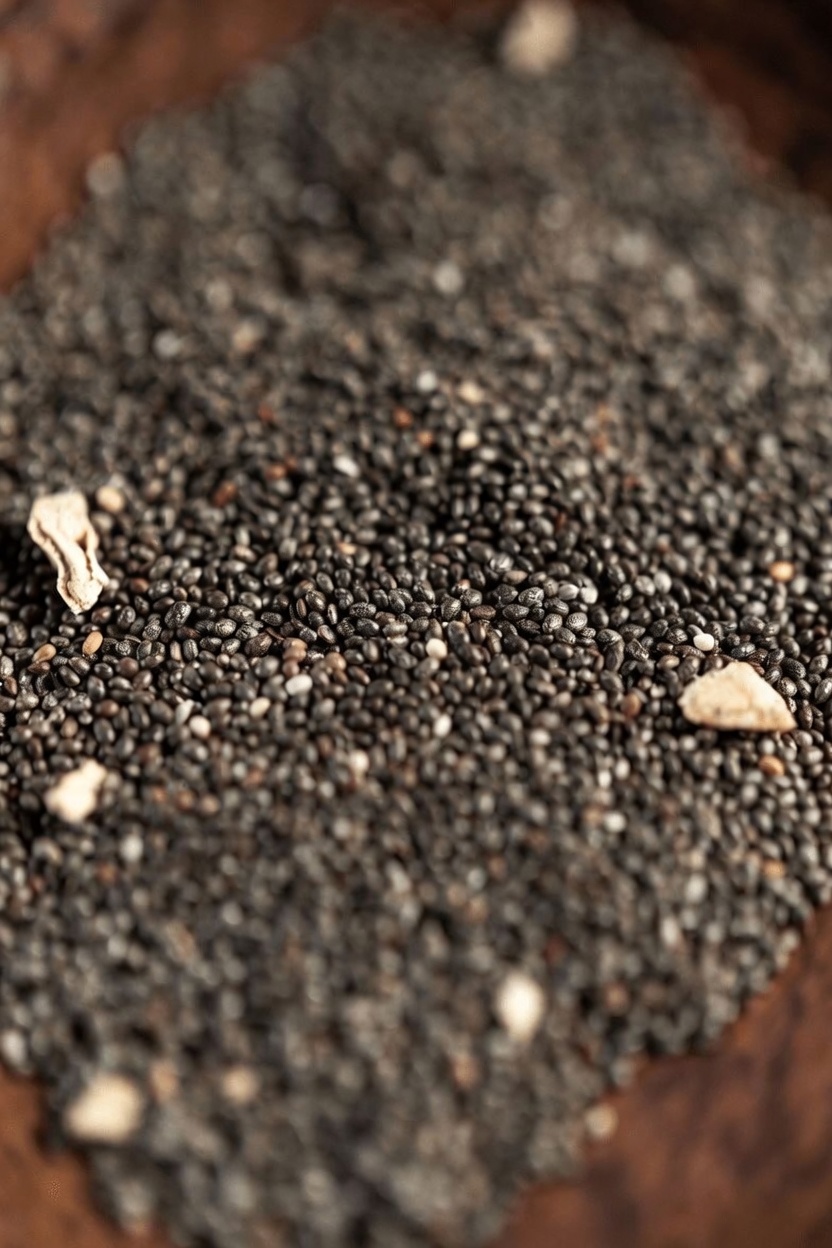
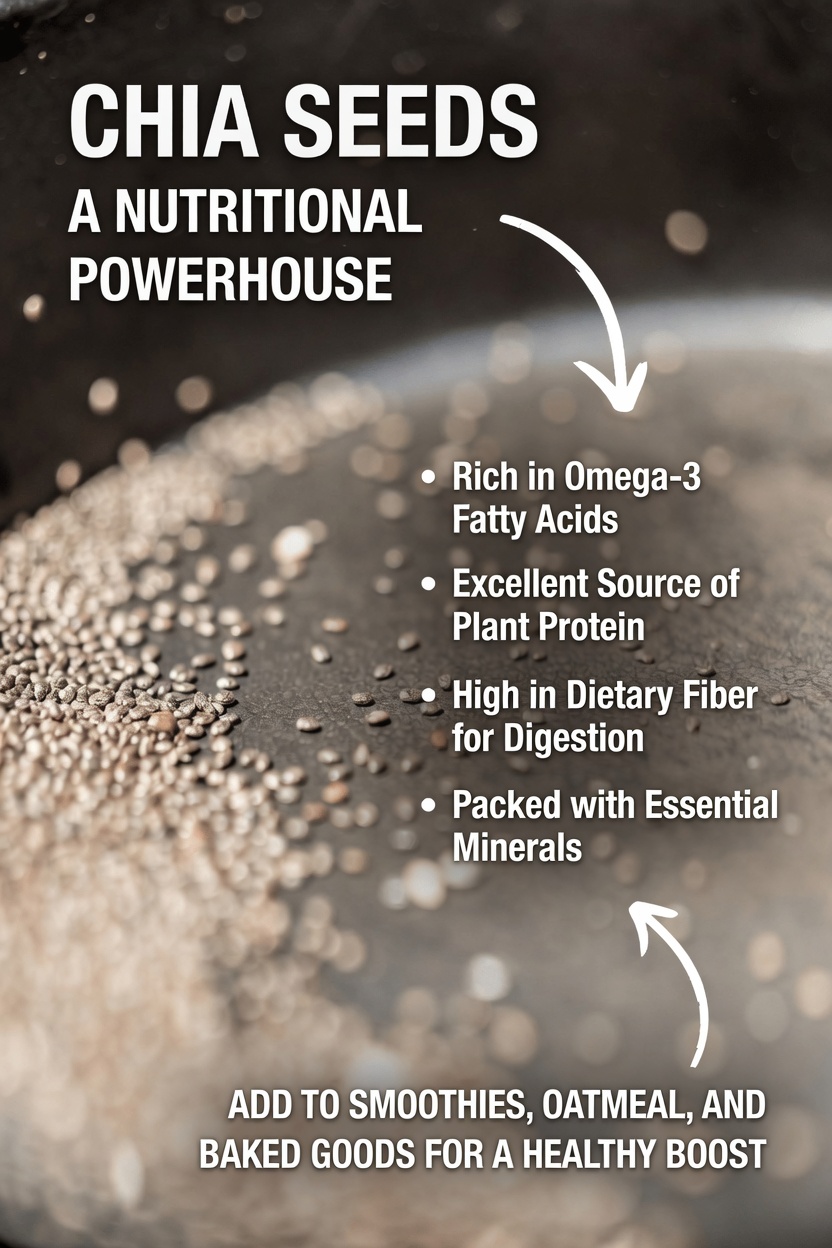
Chia seeds may be tiny, but they’re packed with nutrients that align well with common needs after age 65. Historically valued for their sustaining qualities, chia seeds offer a concentrated mix of:
- Dietary fiber (mostly soluble)
- Plant-based omega-3 fatty acids (ALA)
- Protein
- Minerals such as magnesium, calcium, and phosphorus
- Antioxidants
A typical serving of 1 ounce (about 2 tablespoons) provides around 10 grams of fiber, which is significant for supporting digestive comfort and regularity.
Nutrition research highlights several relevant benefits from chia’s nutrient profile:
- Soluble fiber forms a gel in liquid, which may support smoother digestion and regular bowel movements.
- ALA omega-3s are associated in studies with supporting healthier inflammation markers (including CRP).
- Fiber + protein can help promote a more stable blood sugar response after meals.
These benefits also complement age-related priorities such as bone support (calcium and magnesium) and heart-friendly nutrition.
What Is Chia Seed Water, and Why Drink It in the Morning?
Chia seed water is simply chia seeds soaked in water (often with lemon). When chia seeds sit in liquid, they develop a gel-like texture—this is part of what makes them useful for digestive support and hydration habits. Soaking can also make the mixture easier to drink and helps the seeds disperse more evenly.
Step-by-Step: How to Make Chia Seed Water
- Add 1 tablespoon (about 12–15 g) of dry chia seeds to a glass.
- Pour in 8–10 ounces (240–300 mL) of room-temperature water.
- Stir well to reduce clumping.
- Let it sit for 10–15 minutes (or up to 30 minutes if you prefer it thicker).
- Stir again, then drink—ideally first thing in the morning on an empty stomach.
- Optional: Add fresh lemon juice for taste and a refreshing finish.
Drink slowly. If you like, follow it with plain water. If you’re new to high-fiber foods, starting with 1 tablespoon daily helps your body adjust more comfortably.
How Chia Seed Water May Support Daily Wellness After 65
This simple drink appeals to many women over 65 because it supports multiple wellness goals at once—without requiring a complicated plan.
- Supports digestive comfort: The gel-forming soluble fiber helps absorb water and add bulk, which may improve regularity and reduce occasional bloating. Fiber-rich foods are widely linked with better gut function in older adults.
- Helps maintain a healthy inflammation balance: Chia provides a strong plant source of ALA omega-3s, and research (including meta-analyses) connects chia intake with modest improvements in inflammation markers such as CRP.
- Promotes steadier energy: With fiber, protein, and magnesium, chia seed water may reduce the likelihood of mid-morning crashes by supporting more gradual digestion and cellular energy needs. Magnesium also supports circulation and energy metabolism.
- Supports blood sugar stability: The gel-like fiber can slow carbohydrate absorption. Clinical trials indicate chia may help moderate post-meal glucose response.
- Encourages better hydration: Because chia absorbs liquid and makes drinking water more intentional, it can support daily fluid intake—especially important for older adults who may not feel thirst as strongly.
- Provides bone-supporting minerals: Chia contains calcium, magnesium, and phosphorus, nutrients associated with maintaining bone density.
- Adds antioxidant support: Antioxidant compounds (including quercetin and chlorogenic acid) help counter everyday oxidative stress.
Chia Seed Water vs. Typical Morning Choices (Quick Comparison)
- Chia seed water: High fiber, plant omega-3s, low calorie, no caffeine crash
- Coffee: Fast boost, but may cause jitters for some and doesn’t add fiber or minerals
- Fiber supplement: Can increase fiber intake, but usually lacks omega-3s, protein, and minerals found in whole foods
Practical Tips to Make Chia Seed Water Fit Your Lifestyle
- For digestion support: Drink it on an empty stomach, then eat a balanced breakfast.
- For better flavor: Try lemon, or a light sprinkle of Ceylon cinnamon for a milder taste.
- Stay consistent: Fiber and omega-3 benefits tend to build gradually with regular use.
- Drink extra water: Fiber works best when your fluid intake is adequate.
- Start smaller if needed: If you’re sensitive to fiber, begin with ½ tablespoon and increase slowly.
What You Might Notice (and How to Track It)
Many people report small but meaningful changes—like more comfortable mornings or steadier energy—within 1–2 weeks of consistent use. A simple way to measure progress is to jot down quick notes on:
- Bloating frequency
- Morning stiffness comfort
- Daily energy (rate 1–10)
Frequently Asked Questions
How much chia seed water should I drink per day?
A common starting point is 1 tablespoon of chia seeds in 8–10 ounces of water, once daily. Many experts consider up to 2 tablespoons per day reasonable for most people, especially if split into two servings.
Is chia seed water safe for everyone?
Chia is generally well tolerated, but it’s best to increase fiber gradually and drink enough water. If you take blood-thinning medication or have swallowing difficulties, check with a healthcare professional first.
Can I make chia seed water ahead of time?
Fresh preparation is ideal. However, you can soak it overnight in the fridge for a ready-to-drink gel texture—just consume it within 24 hours.
Important Note
This article is for informational purposes only and does not provide medical advice. Speak with your healthcare provider before making dietary changes—especially if you have medical conditions, take medications, or have concerns about digestion or blood sugar.