

Ease Digestive Discomfort Naturally with Cinnamon, Cloves, and Bay Leaves
That overly full, heavy sensation after a satisfying meal can quickly ruin the rest of your day. It often brings sluggishness, discomfort, and even a short temper. The good news is that gentle support for digestion may already be sitting in your kitchen. Cinnamon, cloves, and bay leaves are three familiar spices long appreciated not only for their rich flavor, but also for their traditional wellness uses.
These fragrant ingredients do far more than season dishes. Used intentionally, they can become part of a simple daily habit that feels comforting, flavorful, and supportive. Below, you’ll learn what makes each spice unique and how to combine them in an easy homemade tea. The blend at the end may become a favorite ritual when you want to feel lighter and more comfortable.
Why Cinnamon, Cloves, and Bay Leaves Stand Out
Before getting to the recipe, it helps to understand why these three pantry staples have earned such a respected place in traditional wellness routines.
Cinnamon: Comforting Flavor with Wellness Appeal
Cinnamon is loved for its warm, naturally sweet taste that shows up in everything from baked desserts to coffee drinks. Along with its inviting flavor, cinnamon contains antioxidants, including polyphenols. Research suggests it may help support healthy blood sugar balance when included in a nutritious diet and healthy lifestyle.
Its potential anti-inflammatory effects have also attracted scientific interest. Published studies indicate that compounds found in cinnamon may help the body manage oxidative stress, supporting overall well-being. That is one reason cinnamon appears so often in traditional health practices across different cultures.
Even a small sprinkle can upgrade everyday foods while offering gentle nutritional support.
Cloves: Small but Remarkably Powerful
Cloves may be tiny, but they bring intense aroma, bold flavor, and a long history of traditional use. These dried flower buds contain eugenol, a natural compound responsible for their distinctive scent and many of their valued properties. In many parts of the world, cloves have been used to encourage digestive comfort and support oral wellness.
Some studies suggest cloves may offer antimicrobial benefits and may also help promote healthy digestion. For this reason, they are frequently included in after-meal preparations intended to create a more settled, pleasant feeling.
Because their flavor is so concentrated, just a few whole cloves can make a noticeable difference, making them both practical and budget-friendly.
Bay Leaves: A Quiet but Valuable Digestive Herb
Bay leaves are often the overlooked ingredient in soups, stews, and sauces. Although they are typically removed before serving, their subtle contribution to flavor and aroma is significant.
Traditional herbal practices have long associated bay leaves with digestive support. They contain essential oils and plant compounds that are released during simmering, which may contribute to a soothing effect. Research on herbs from the laurel family has explored their possible role in promoting gut comfort and easing occasional bloating.
When combined with the deeper notes of cinnamon and cloves, bay leaves help create a balanced and aromatic infusion.
Why This Spice Combination Works So Well
Blending cinnamon, cloves, and bay leaves is not a new idea. This trio has appeared in traditional infusions and home remedies for generations in different cultures, often as part of simple everyday wellness routines.
What makes the mixture especially appealing is the way the compounds in these spices may work together. Many people find that a warm tea made from this blend helps create a calm, settled feeling after meals while also filling the kitchen with a comforting fragrance.
It also offers a flavorful way to stay hydrated without relying on sugary beverages.
Simple Cinnamon, Clove, and Bay Leaf Tea Recipe
If you want to try this combination for yourself, this beginner-friendly recipe is an easy place to start. It takes only a short time to prepare and can fit easily into your morning or evening routine.
Ingredients
Makes about 2 cups:
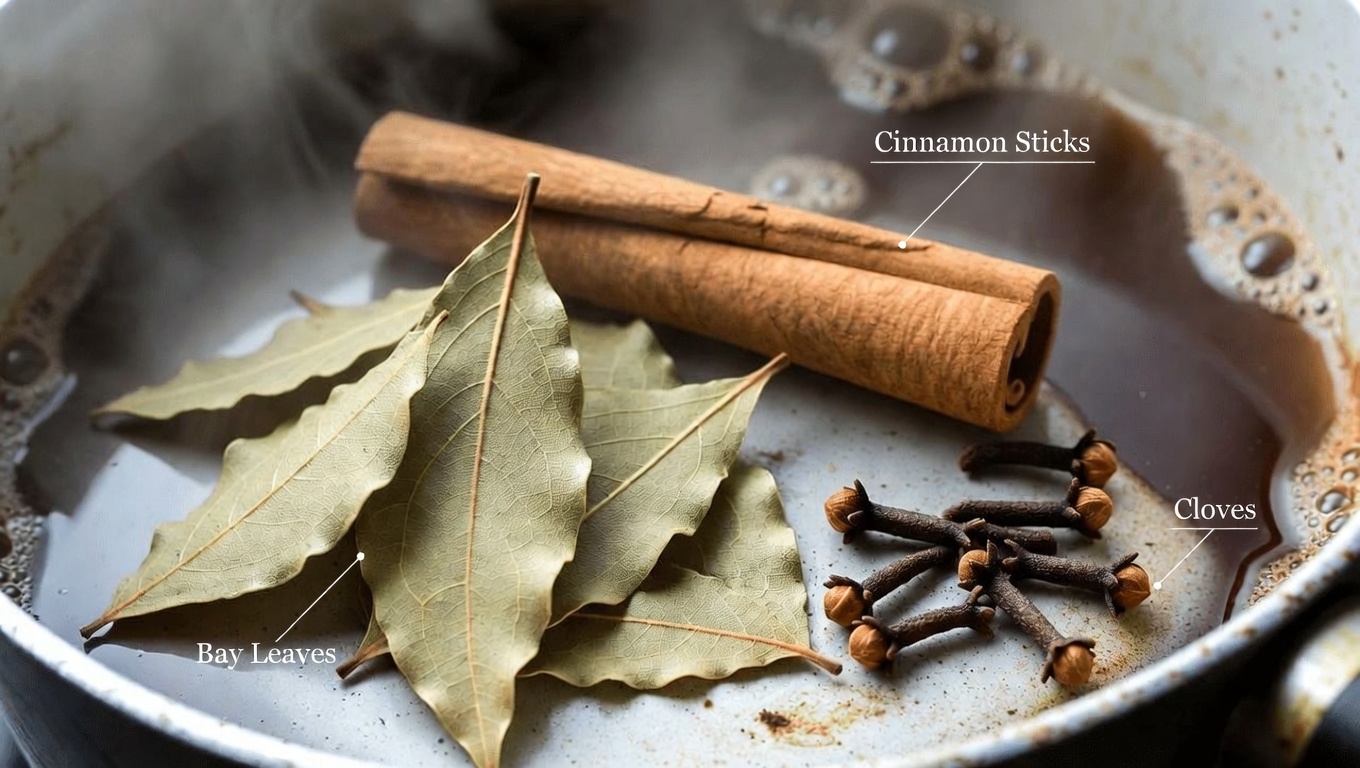
- 2 to 3 dried bay leaves
- 1 cinnamon stick or 1/2 teaspoon ground cinnamon
- 5 to 6 whole cloves
- 4 cups filtered water
- Optional: lemon slice, fresh ginger, or a small drizzle of honey
Instructions
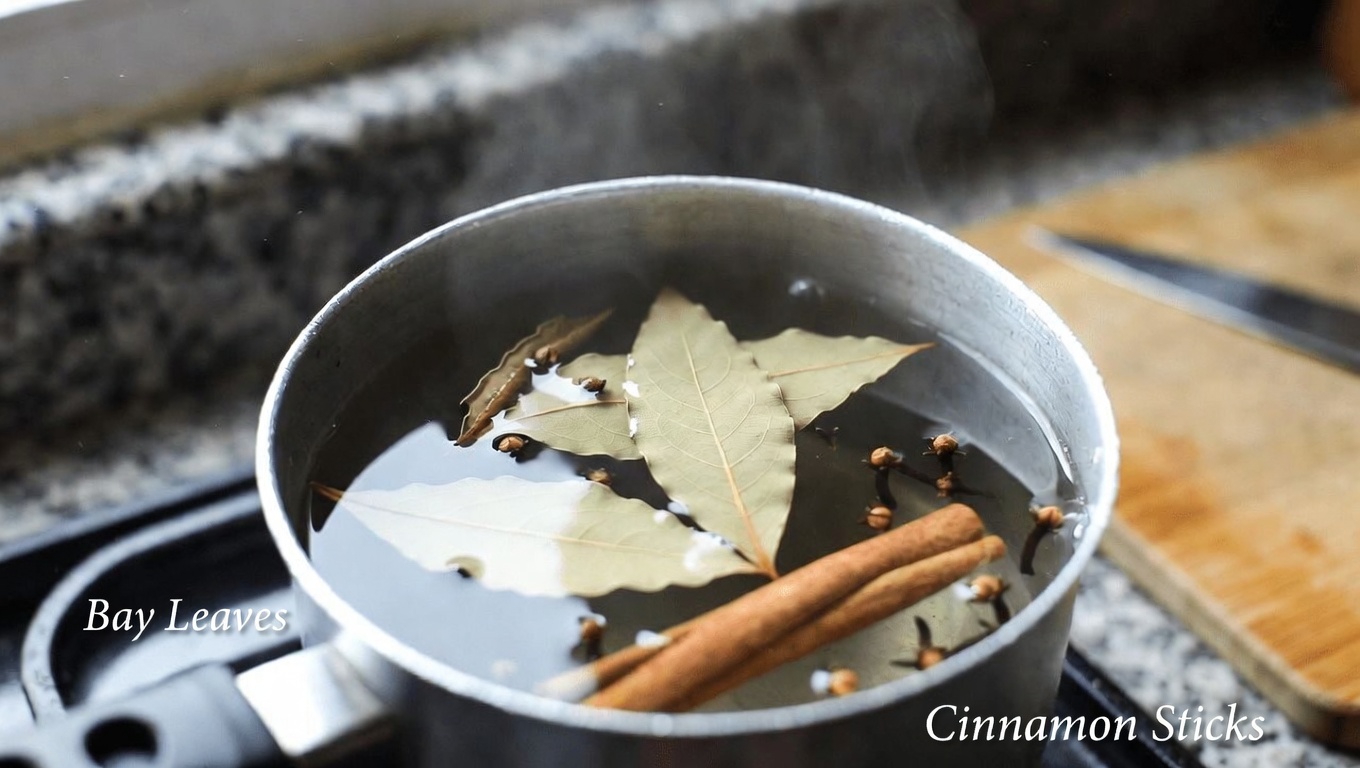
- Pour the water into a saucepan and bring it to a full boil.
- Add the bay leaves, cinnamon, and cloves.
- Reduce the heat and let the mixture simmer gently for 10 to 15 minutes.
- Remove the pan from the heat and allow the tea to steep for another 5 minutes.
- Strain into a mug using a fine mesh strainer.
- Drink slowly while warm. Many people prefer it first thing in the morning or after dinner.
As the spices simmer, they release a rich aroma that becomes part of the experience. For many, that soothing scent is one of the best parts of the ritual.
Easy Ways to Use These Spices Beyond Tea
This blend is not limited to tea. Cinnamon, cloves, and bay leaves can also be used in everyday cooking to add flavor and traditional digestive support.
Try them in these simple ways:
- Savory meals: Add a bay leaf and a few cloves to rice, lentils, soups, or vegetable stock while cooking.
- Breakfast dishes: Sprinkle cinnamon over oatmeal, yogurt, fruit, or smoothies. A tiny pinch of ground clove can add extra depth.
- Baking recipes: Use them in cookies, cakes, muffins, or breads for a warm, spiced flavor.
- Homemade spice rubs: Blend them with other seasonings for roasted vegetables, fish, or poultry.
- Infused liquids: Steep them in oil or vinegar to create flavorful marinades or salad dressings.
Small additions like these can make meals more interesting while helping you build a consistent wellness habit.
Best Practices for Safe and Effective Use
To get the most from these kitchen spices, keep a few practical tips in mind:
- Start with small amounts and see how your body responds.
- Choose high-quality or organic spices when possible for better freshness and potency.
- Store spices in airtight containers away from heat, light, and moisture.
- Pair them with healthy daily habits such as drinking enough water, eating fiber-rich foods, and staying physically active.
- If you have a medical condition or take prescription medication, speak with a qualified healthcare provider before using herbal remedies regularly.
Long-term consistency matters more than doing everything perfectly.
Final Thoughts
Cinnamon, cloves, and bay leaves show that simple ingredients can play a meaningful role in daily wellness. These classic kitchen staples can enhance the flavor of your meals while also supporting a more comfortable digestive experience through time-tested tradition.
Why not begin today with a warm cup of spice tea? A small habit like this may lead to noticeable improvements in how you feel day to day.
FAQ
1. How often can I drink cinnamon, clove, and bay leaf tea?
Many people enjoy 1 to 2 cups per day without any problems. Start slowly, observe how you feel, and adjust as needed.
2. Can these spices interact with medications?
They may have mild effects related to blood sugar or blood thinning in some individuals. If you take medication regularly, consult your doctor or pharmacist first.
3. Can I use ground spices instead of whole ones?
Yes, ground spices can be used if whole spices are unavailable. Use roughly half the amount, and strain carefully since the tea may be cloudier.
Disclaimer
This article is for general informational purposes only and is not intended as medical advice. These statements have not been evaluated by the FDA. Always consult a qualified healthcare professional before using herbal remedies or making changes to your wellness routine.