After 50, many people begin to sense small but meaningful shifts in their bodies—morning stiffness, slower recovery after routine chores, or a growing desire to stay strong, mobile, and independent for the long haul. One major reason is that bone density naturally peaks in early adulthood and gradually declines with age. Hormonal changes (especially after menopause), lower activity levels, and nutrient shortfalls can make this decline more noticeable, increasing the long-term risk of weaker bones and reduced quality of life.
The encouraging part is that simple, nutrient-dense foods can help you support bone health as part of a balanced lifestyle. In particular, seeds offer plant-based sources of minerals and protective compounds that research has linked to bone maintenance—often alongside fiber, healthy fats, and antioxidants.
In this guide, you’ll learn about eight nutrient-packed seeds containing calcium, magnesium, zinc, and more. You’ll also find easy ways to use them and a straightforward nightly routine at the end to help you build consistency.
The Quiet Issue: Why Bones Change After 50
Bone density typically reaches its highest point around age 30. After that, it tends to decrease slowly—and in many people, the decline can accelerate with advancing age or after menopause. Over time, lower bone density can raise concerns about fractures, limited movement, and missing out on everyday pleasures like walking comfortably, gardening, traveling, or playing with grandchildren.
Large health organizations frequently note how common low bone density is, which is why proactive nutrition matters. While dairy foods and supplements can be helpful for some, plant-based strategies can provide bone-supportive minerals along with other benefits—without relying on a single nutrient in isolation.
That’s where seeds excel: they’re compact, versatile, and naturally rich in multiple nutrients that work together.
Seed 1: Sesame Seeds — One of the Best Plant Sources of Calcium
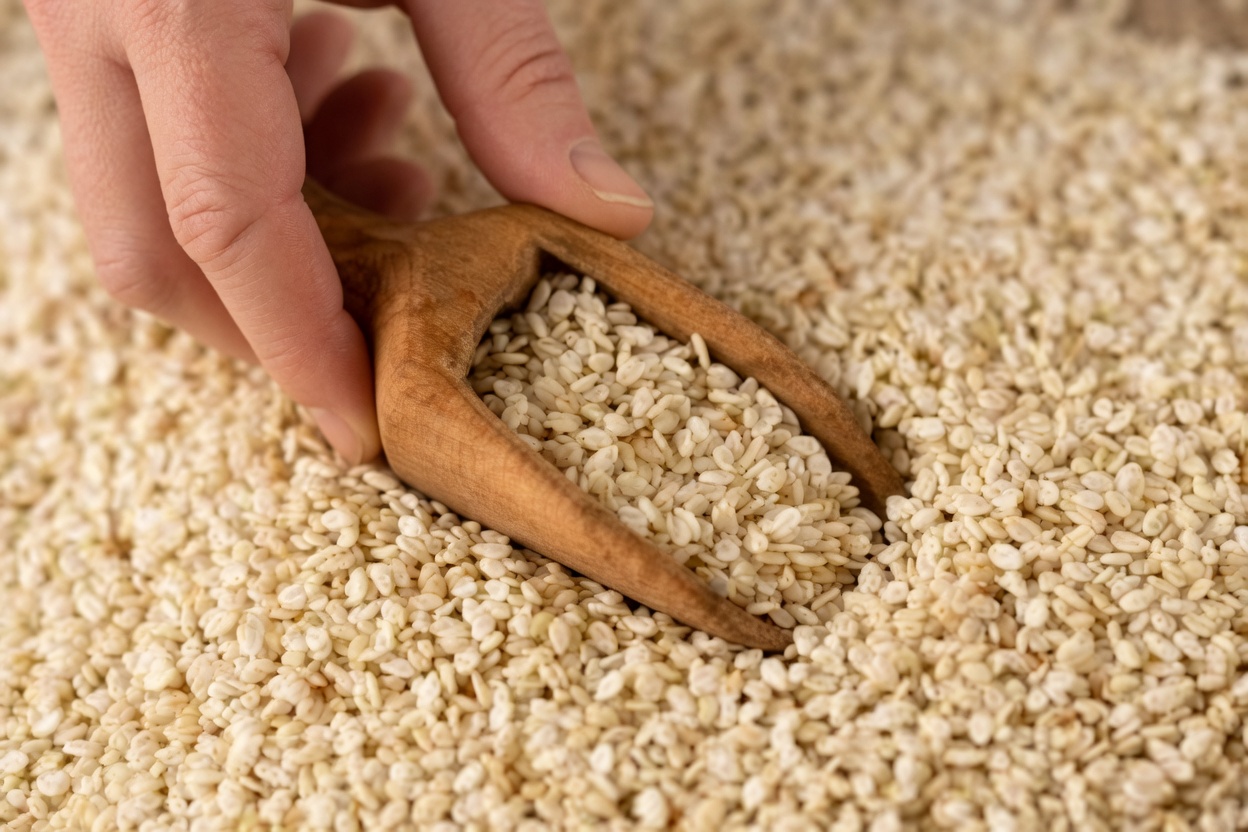
Sesame seeds are often treated as a garnish, but nutritionally they punch far above their size. They’re widely recognized as one of the richest plant-based sources of calcium, and they also provide magnesium and zinc, which are commonly associated with bone mineralization and overall skeletal strength.
How to use them:
- Sprinkle on salads, roasted vegetables, or soups
- Mix into tahini-based dressings
- Lightly toast to enhance flavor and improve palatability
Seed 2: Chia Seeds — Calcium Plus Omega-3s in a Simple Soak
Chia seeds are known for forming a gel when soaked, making them ideal for an easy overnight routine. They provide calcium and phosphorus, along with plant-based omega-3 fats. Research links these nutrients to bone mineral support, and omega-3s may also help manage inflammation—an indirect benefit for staying active and comfortable.
How to use them:
- Make chia pudding with yogurt or plant milk
- Stir into oatmeal or smoothies
- Soak overnight for easier digestion and texture
Seed 3: Flax Seeds — Omega-3s and Lignans for Inflammation Support
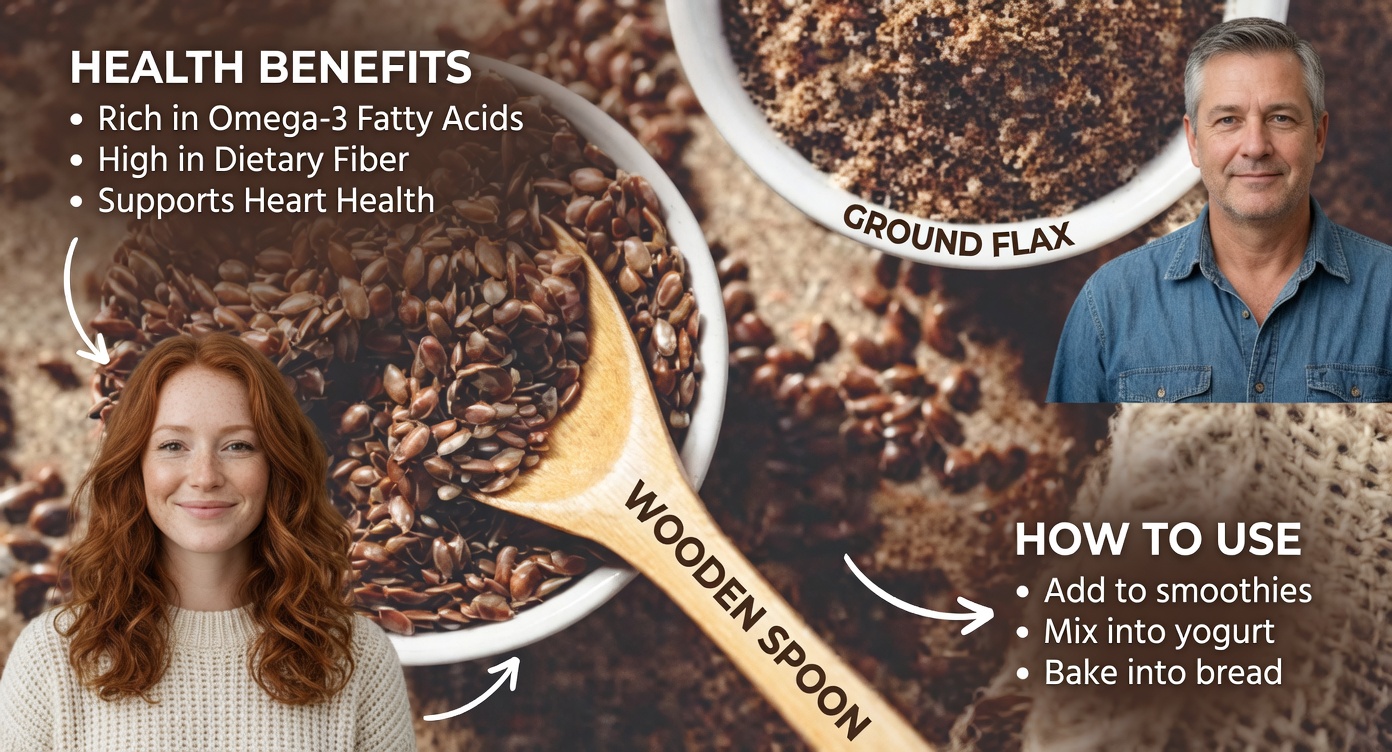
Flax seeds contain ALA omega-3s and lignans, plant compounds studied for their potential role in hormone balance and overall wellness—topics that become especially relevant after midlife. For best absorption, ground flaxseed is recommended because whole seeds can pass through the digestive system largely intact.
Evidence suggests flax’s bioactive compounds may support bone health partly through inflammation-related pathways.
How to use them:
- Add ground flax to oatmeal, smoothies, or yogurt
- Mix into pancake batter or baked goods
- Combine with chia for an overnight soak
Seed 4: Pumpkin Seeds — Zinc and Magnesium for Structure and Repair
Pumpkin seeds (pepitas) are prized for zinc, which supports tissue repair and immune function, and magnesium, a mineral strongly tied to bone formation and mineral balance. They also supply antioxidants that help counter oxidative stress, a factor involved in aging processes.
How to use them:
- Eat roasted as a snack
- Sprinkle on salads or grain bowls
- Blend into pesto or seed-based sauces
Seed 5: Sunflower Seeds — Vitamin E and Selenium for Antioxidant Defense
Sunflower seeds stand out for their vitamin E content and selenium, both of which support antioxidant defenses. Oxidative stress can influence age-related changes throughout the body, including tissues involved in maintaining bone structure.
How to use them:
- Mix into trail mix
- Stir into yogurt or porridge
- Use as a crunchy salad topping
Seed 6: Watermelon Seeds — An Underrated Source of Magnesium
Watermelon seeds are often thrown away, but when toasted, they become a surprisingly tasty snack and provide magnesium, which supports how the body utilizes calcium. They can also contribute iron, supporting overall energy and vitality.
How to use them:
- Lightly toast for a mild, nutty crunch
- Add to snack mixes
- Sprinkle over soups or salads for texture
Seed 7: Grape Seeds — Polyphenols and Resveratrol-Related Compounds
Grape seeds contain polyphenols, including compounds associated with resveratrol activity. Some research, including randomized trials in postmenopausal women, has linked resveratrol supplementation with improvements in markers related to bone mineral density. While whole grape seeds are not identical to standardized extracts, they still offer antioxidant compounds that may support long-term wellness.
How to use them:
- Grind into a fine powder and mix into smoothies
- Add small amounts to yogurt or cereal
- Use cautiously for taste (they can be bitter)
Seed 8: Hemp Seeds — Complete Protein Plus Key Minerals
Hemp seeds (hemp hearts) offer complete plant protein, along with magnesium, phosphorus, and zinc—nutrients that support the muscle-bone relationship and everyday strength. Their healthy fats can also help with nutrient absorption and meal satisfaction.
How to use them:
- Sprinkle on oatmeal, salads, or soups
- Blend into smoothies
- Mix into yogurt for a mild, nutty flavor
Quick Nutrient Snapshot (About 1 oz per Serving)
Based on common nutrition databases (including USDA references) and published research themes, these seeds are often highlighted for:
- Sesame: calcium + magnesium
- Chia: calcium + phosphorus + omega-3s
- Flax: omega-3s (ALA) + lignans
- Pumpkin: zinc + magnesium
- Sunflower: vitamin E + selenium
- Watermelon: magnesium + iron
- Grape: polyphenols + resveratrol-related compounds
- Hemp: complete protein + magnesium + zinc
Using more than one type can create a practical “nutrient blend” approach—supporting your diet with variety rather than relying on a single food.
A Simple Nightly Routine to Start Using Seeds
Long-term results usually come from consistency, not perfection. Here’s an easy, low-effort way to begin:
- Pick 2–3 seeds to start (for example: sesame, chia, pumpkin).
- Use 1–2 tablespoons total per night.
- Soak chia and/or ground flax overnight in water or milk for easier digestion and texture.
- Mix into yogurt, oatmeal, or a warm drink before bed.
- Lightly toast seeds like sesame or pumpkin for extra flavor.
A realistic habit timeline
- Weeks 1–2: Use one seed nightly and focus on consistency.
- Weeks 3–4: Add one or two more and notice what you enjoy most.
- Month 2 and beyond: Rotate or combine all eight for variety and broader nutrient coverage.
Tip: Soaking (chia) and grinding (flax, grape seed) can improve bioavailability and digestibility.
Why This Strategy Works Well After 50
Seeds offer whole-food nutrition—minerals, healthy fats, fiber, and antioxidants—without depending on high-dose synthetic inputs. For best results, pair seed intake with:
- Weight-bearing and resistance exercise
- Adequate vitamin D (often supported by safe sunlight exposure or clinician-guided intake)
- Balanced meals with sufficient protein and micronutrients
If you want a small change that’s easy to repeat, start tonight with one spoonful. Over time, that simple step can help support a stronger, more resilient routine.
Frequently Asked Questions
Which seeds are highest in calcium for bone support?
Sesame and chia are commonly considered top choices for plant-based calcium, especially for people who limit dairy.
How much should I eat each day?
A practical starting point is 1–2 tablespoons total per day, then adjust based on your digestion, calorie needs, and preferences. Rotating seed types helps prevent boredom and improves nutrient variety.
Any precautions to know about?
Seeds are generally safe for most people, but keep these points in mind:
- Grind flax for better absorption.
- With chia, drink enough fluids since it absorbs water and expands.
- If you have digestive concerns, allergies, or take medications, check with a clinician before making major changes.
Disclaimer
This article is for informational purposes only and does not replace professional medical advice. While nutrients in seeds may support bone health within a balanced diet, research findings vary, and seeds are not intended to prevent, treat, or cure any condition. Consult your healthcare provider before changing your diet, especially if you have osteoporosis or other medical concerns.