
Many men over 50 begin to notice shifts in urinary habits—waking up more often at night, a weaker urine stream, or the frustrating feeling that the bladder still isn’t fully empty. In many cases, these symptoms are linked to benign prostatic hyperplasia (BPH), a very common, age-related enlargement of the prostate. While BPH is not cancer, it can interfere with sleep, drain energy, and reduce day-to-day comfort.
It’s no surprise that many people look for gentle, everyday strategies to support prostate and urinary health, especially when standard options may feel inconvenient or come with unwanted side effects. One traditional, kitchen-based approach that keeps resurfacing is onion and onion peel tea—and modern research offers clues about why it may be worth considering.
Why Prostate and Bladder Health Become More Important After 50
As men enter their 50s and beyond, the prostate often increases in size gradually. When it presses against the urethra (the tube that carries urine out of the body), it can contribute to lower urinary tract symptoms, including:
- Frequent urination, especially at night
- Hesitation or difficulty starting
- Reduced flow strength
- The sensation of incomplete emptying
Population data suggest these changes affect a large portion of men over 50, and the likelihood continues to rise with age. Beyond inconvenience, ongoing urinary disruption can lead to:
- Poorer sleep quality
- Reduced concentration and daytime performance
- Greater vulnerability to complications such as urinary tract infections
Because of this, many men explore lifestyle changes (like reducing evening fluids or practicing pelvic floor exercises), while others use supplements or medication. Food-based, low-effort habits appeal to many because they can be added to a routine without major disruption.
Onions and Onion Peels: What Makes Them Interesting?
Onions (Allium cepa) belong to the Allium family and are naturally rich in sulfur compounds and flavonoids. The compound that draws the most attention for prostate and urinary comfort is quercetin, an antioxidant flavonoid found in significantly higher concentrations in the outer layers and peels than in the inner bulb.
Key research themes that make onions relevant to prostate wellness include:
- Dietary studies: A large European multicenter case-control study (with more than 2,800 participants) reported an inverse association between higher intake of onions/garlic and the likelihood of BPH—meaning higher consumption was linked with lower odds compared with minimal intake.
- Animal research: Studies using quercetin-rich extracts in models of prostate enlargement have reported potential improvements in areas such as inflammation markers, prostate weight changes, and tissue-level alterations.
- Human trials (related conditions): In men with chronic prostatitis, randomized trials of quercetin have shown improvements in urinary symptom scoring compared with placebo.
These findings do not position onions as a cure or replacement for clinical care, but they do support the idea that onion-derived compounds may play a supportive, comfort-promoting role—especially when used consistently as part of an overall wellness pattern.
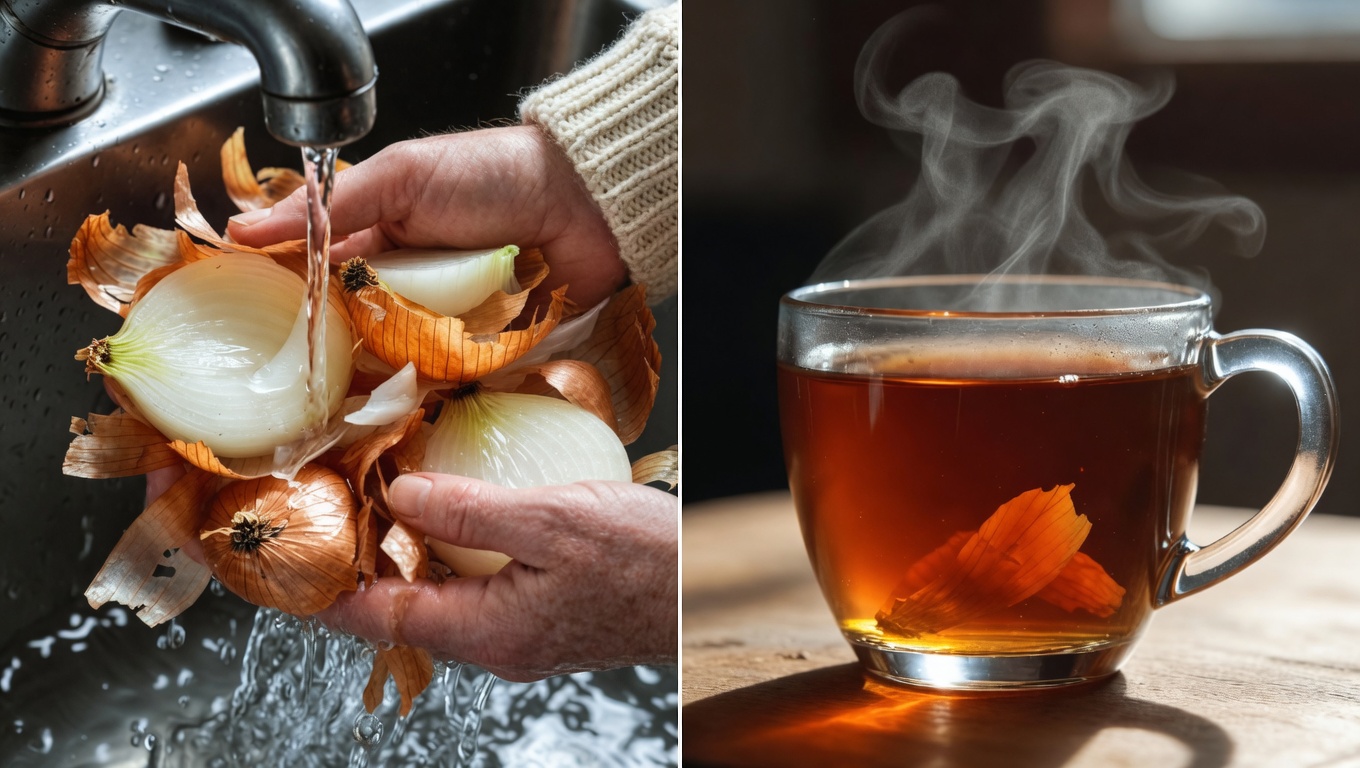
How to Make Onion Tea at Home (Two Simple Options)
This approach is inspired by long-used household practices: a warm, mild tea made from onion or onion peels. The goal is to extract beneficial compounds gently without harsh processing.
1) Basic Fresh Onion Tea
- Choose 1 medium onion (white or red; red onions often contain more quercetin).
- Wash thoroughly (a mild baking soda rinse can help remove surface residue).
- Chop half an onion, or use a small handful of the outer layers.
- Place the onion pieces in a cup or heat-safe jar.
- Pour in hot water (not vigorously boiling) to better preserve sensitive compounds.
- Cover and steep for 5–10 minutes.
- Strain the liquid.
- Optional: add a small amount of organic honey for taste.
- Drink 1 cup per day, morning or evening.
2) Onion Peel Tea (More Concentrated)
- Collect clean, dry outer peels from 2–3 organic onions (the peel is typically the most quercetin-dense part).
- Rinse very well under running water.
- Simmer gently in 2 cups of water for 10–15 minutes.
- Strain and let it cool slightly.
- Optional: lightly sweeten if needed.
- Sip 1 cup daily as part of your routine.
The tea typically turns a light brown shade as compounds infuse into the water. Avoid aggressive boiling whenever possible, since gentler heat is often preferred for preserving delicate plant components.
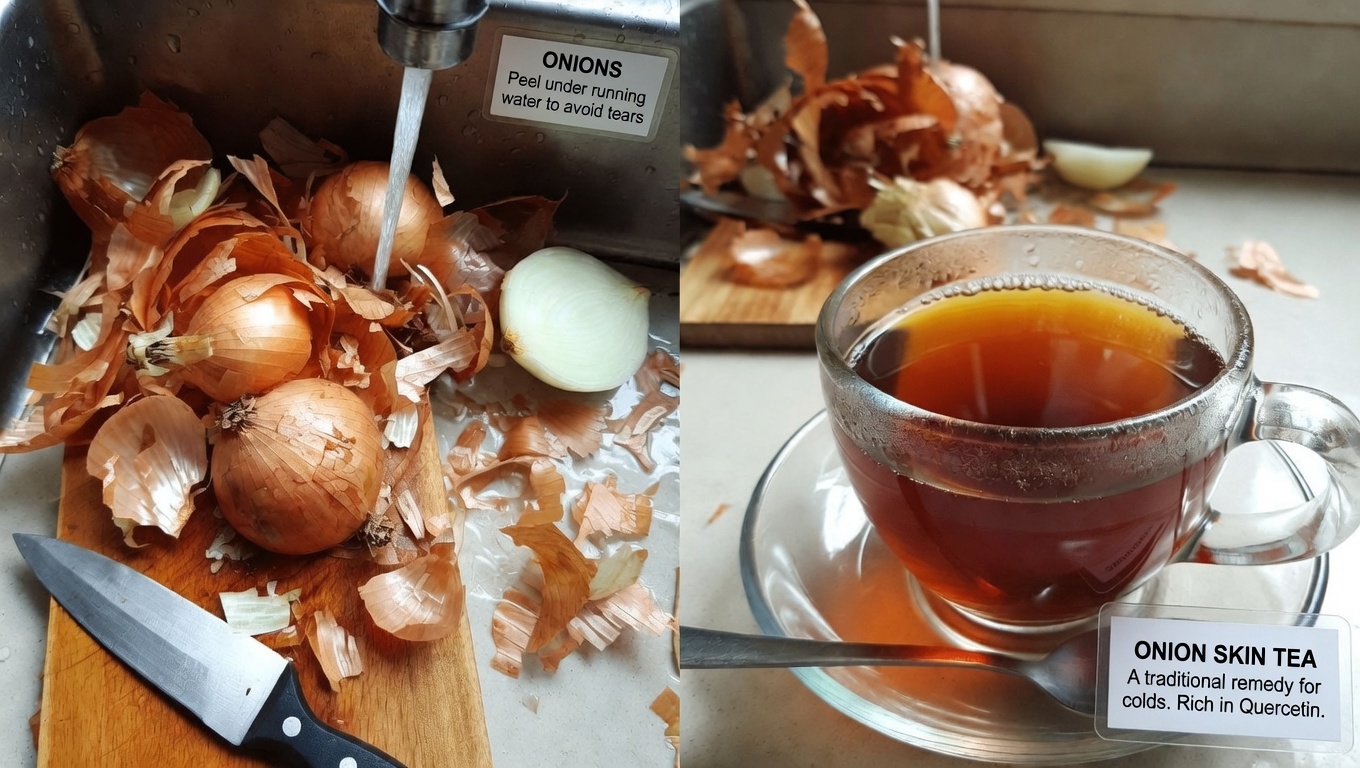
Potential Supportive Benefits of This Onion-Based Habit
Based on what is known about quercetin and related onion compounds, regular onion or onion peel tea may contribute to wellness in several supportive ways:
- Antioxidant support, helping protect cells from oxidative stress
- Inflammation balance, which can relate to urinary comfort
- Potential support for smoother urinary flow and reduced urgency sensations
- Immune resilience support through plant phytonutrients
- Digestive support, which can influence overall comfort and inflammation regulation
- Indirect support for cholesterol balance as part of a healthier dietary pattern
- Possible help with blood sugar stability, which can influence inflammation pathways
- Improved sleep quality if nighttime bathroom trips decrease
- Better daytime energy by supporting rest and recovery
This is best viewed as a low-cost, food-based addition rather than a stand-alone solution.
Onion Tea vs. Common Options: A Practical Snapshot
-
Inflammation/comfort support
- Typical routes: medications (can bring side effects for some people)
- Onion tea angle: quercetin-rich, food-based support
-
Cost
- Typical routes: can be ongoing monthly expense
- Onion tea angle: low cost, kitchen-accessible
-
Accessibility
- Typical routes: pharmacy or supplement store
- Onion tea angle: made at home with basic ingredients
-
Tolerance
- Typical routes: varies by product and person
- Onion tea angle: generally mild, though some may notice stomach sensitivity
If choosing between onion types, red onions are often favored due to their higher flavonoid content.
How to Fit Onion Tea Into a Routine (Without Overthinking It)
- Weeks 1–2: Start with 1 cup per day and observe changes in nighttime waking, urgency, and overall comfort.
- Weeks 3–4: If desired, diversify by adding small amounts of fresh onion to meals.
- Long-term: Pair with supportive habits such as:
- Staying hydrated earlier in the day
- Regular walking or light exercise
- Reducing evening caffeine and alcohol
Consistency is often the key factor when it comes to noticing gradual improvements.
Realistic Expectations and Safety Considerations
In typical food-like amounts, onion preparations are usually well tolerated. However, some people may experience:
- Mild stomach upset
- Heartburn (especially with higher intake)
Avoid this approach if you have an onion allergy. If you take medications or manage chronic conditions, speak with a healthcare professional first—quercetin may interact with certain drugs in some situations.
Most importantly, onion tea may support comfort, but it does not replace medical evaluation or treatment for BPH or other urinary concerns.
Conclusion: A Small Daily Step Toward Better Urinary Comfort
A warm cup of onion or onion peel tea is a simple habit that can fit easily into everyday life. For some men, it may contribute to better nighttime comfort, fewer disruptions, and a greater sense of control—especially when combined with healthy lifestyle practices.
FAQ
How often should I drink onion tea to potentially notice benefits?
A common traditional approach is 1 cup per day. Start there, track your response, and check with a healthcare professional if you’re unsure.
Are onion peels safe to use in tea?
Generally yes—if they’re thoroughly washed and ideally sourced from organic onions. Use in moderation and avoid peels that may carry residues.
Can onion tea replace my current BPH or prostate routine?
No. Consider it a complementary habit, not a substitute. Follow your clinician’s guidance for persistent or worsening urinary symptoms.
Disclaimer
This article is for informational purposes only and does not provide medical advice. Consult a qualified healthcare professional before changing your diet or routine, especially if you have a medical condition or take prescription medications.