Noticing a Change in Urine Color? Here’s What It Can Tell You
Have you ever looked into the toilet after using the bathroom and realized your urine doesn’t look the way it usually does? That small, everyday detail—easy to ignore—can offer useful clues about hydration, nutrient processing, and how well your body is maintaining balance. Many people miss these signals until they feel unusually tired or notice their energy dropping.
The encouraging part: paying light attention to urine color is a simple, free way to check in with your body and make minor adjustments early—often before discomfort becomes a bigger issue. In this guide, you’ll learn what common urine shades may suggest about daily habits and wellness, aligned with guidance commonly echoed by trusted medical organizations such as the Mayo Clinic and Cleveland Clinic.
Why Urine Color Is a Helpful Daily Health Indicator
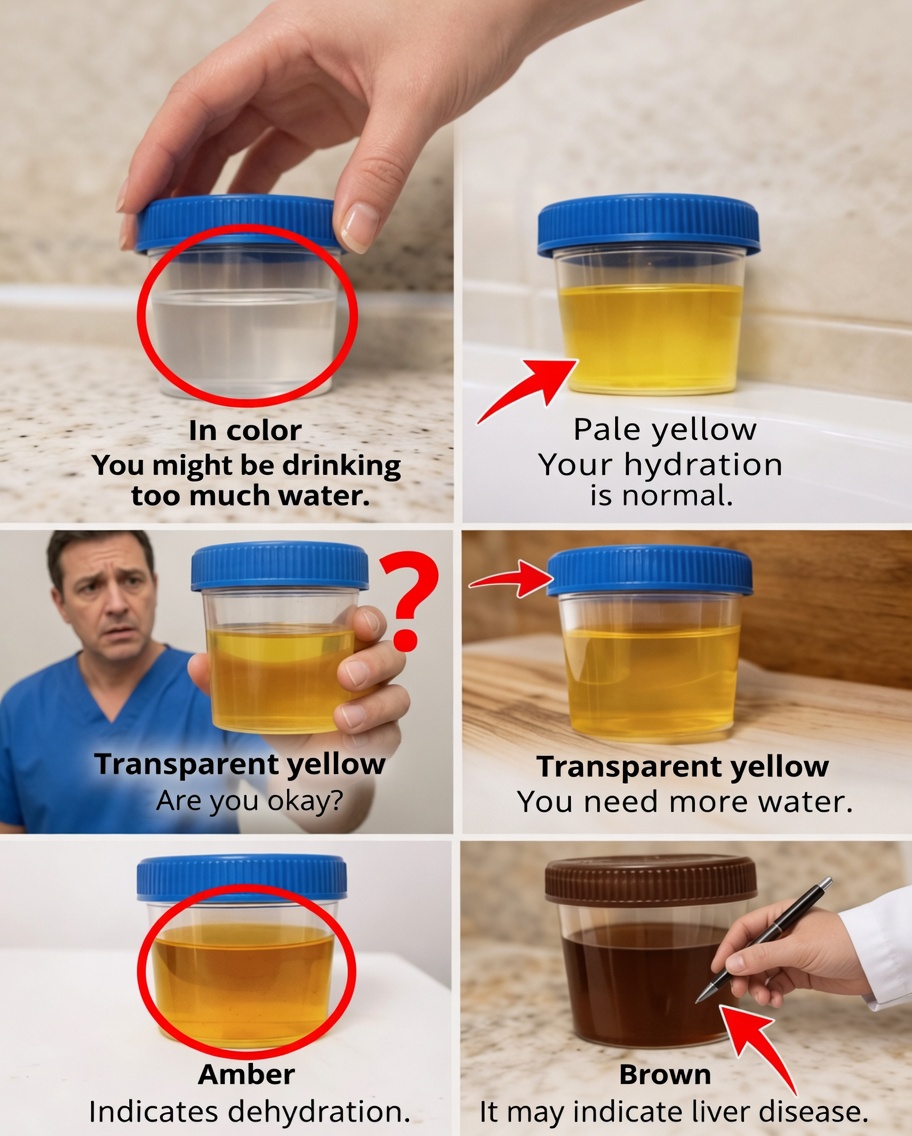
Urine isn’t just “waste.” It reflects what’s happening inside your body. The yellow tint comes mainly from urochrome, a pigment produced when your body breaks down red blood cells. The more diluted your urine is (from drinking enough fluids), the lighter it tends to look. When you’re short on fluids, urine often becomes darker and more concentrated.
Health research and clinical guidance widely recognize urine color as a practical marker of hydration status. Tracking it can support everyday decisions—like increasing water intake, choosing water-rich foods, or adjusting habits during heat, exercise, or illness. Over time, this awareness can help reduce the risk of common problems linked to dehydration and fluid imbalance.
Common Urine Colors and What They Might Mean
Below are typical urine color changes and the most common, everyday reasons behind them. Keep in mind: a single unusual bathroom trip is often harmless, but patterns matter.
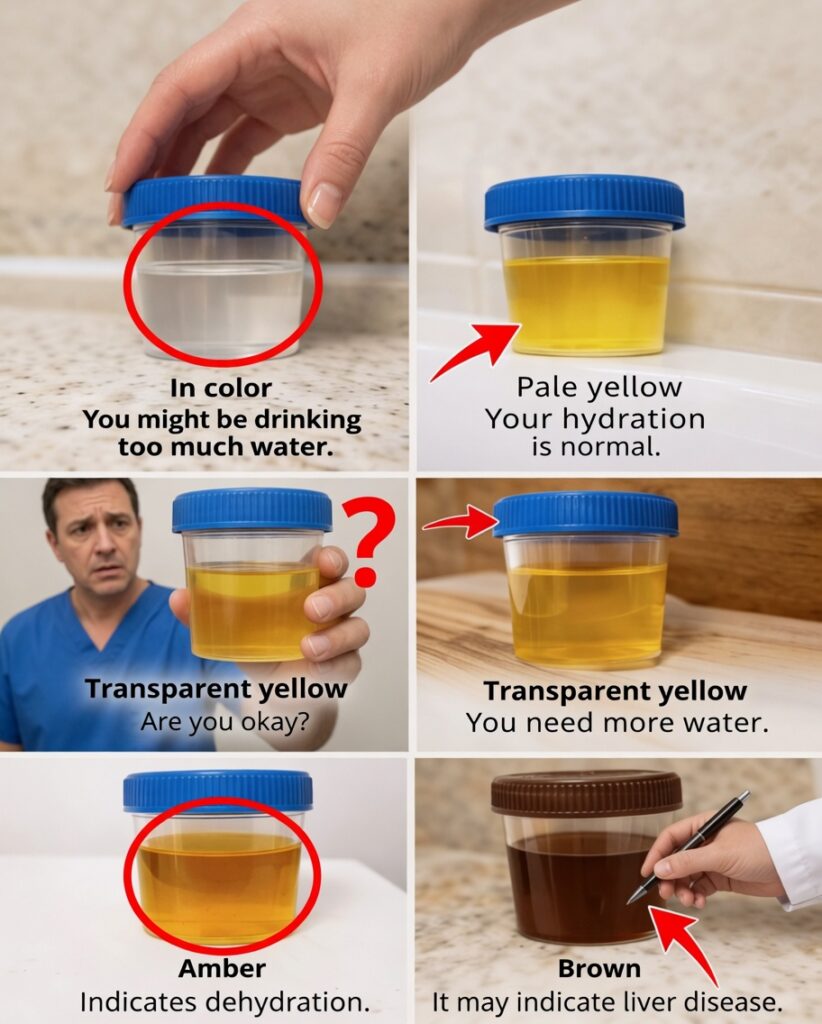
Clear or Nearly Colorless
Very clear urine usually means you’re drinking a lot of fluids—sometimes more than your body actually needs. While hydration is essential, consistently colorless urine may occasionally indicate overhydration, which can dilute electrolytes.
If you notice this frequently, try:
- Spacing out fluids instead of chugging
- Including mineral sources through food (as appropriate)
- Adjusting intake based on sweat loss and activity level
Pale Yellow or Straw-Colored
This light “lemonade” color is often considered the ideal hydration zone. It suggests your body has enough water to function smoothly without being over-diluted.
Many people report better daily comfort in this range, including:
- More stable energy
- Easier digestion
- Efficient kidney function support
Dark Yellow or Amber
A deeper yellow or amber tone commonly points to mild dehydration. It can happen after a busy day, a workout, hot weather, or simply forgetting to drink enough.
What to do:
- Drink water consistently over the next few hours
- Add hydrating options like soups, fruit, or electrolyte-containing foods if needed
For most people, the color lightens quickly once fluids increase.
Honey-Colored or Light Brown
Urine that looks honey-like or light brown may suggest more significant dehydration. Sometimes it can also be influenced by certain foods, supplements, or temporary factors.
If this shade doesn’t improve after increasing fluids, it’s wise to check in with a healthcare professional—especially if you also feel unwell.
Pink or Red
Pink or reddish urine is sometimes caused by foods such as:
- Beets
- Berries
- Strongly pigmented foods or drinks
If you haven’t eaten these recently, red or pink urine should be taken seriously because it can occasionally indicate blood in the urine or other urinary tract issues. Seek medical advice promptly—particularly if there is pain, burning, fever, or discomfort.
Orange
Orange urine is often associated with:
- Dehydration
- Certain vitamins (especially B vitamins)
- Some medications
Increasing water intake and reviewing recent supplements can help explain the change. If orange urine persists without a clear reason, a medical evaluation is recommended.
Blue or Green (Uncommon)
Blue or green urine is rare and is most often linked to:
- Food dyes or coloring in processed foods
- Specific medications or medical dyes
If you can’t identify a dietary or medication-related reason and the color continues, consult a healthcare provider to rule out uncommon causes.
Foamy or Bubbly Urine
Some bubbles are normal, especially with a strong urine stream. However, persistent foaminess may indicate higher protein levels in the urine and should be monitored.
If foamy urine continues—especially alongside swelling, fatigue, or other symptoms—get medical guidance.
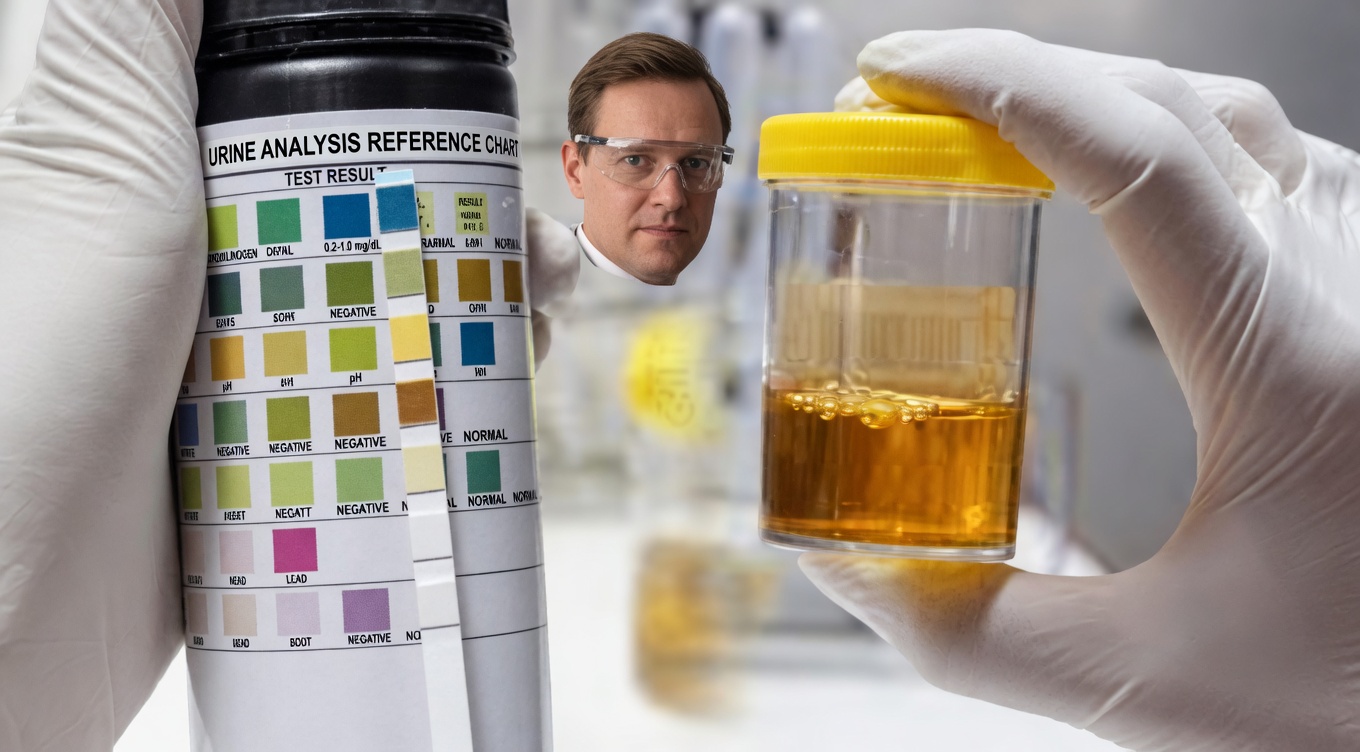
Quick Reference: Urine Color Meaning at a Glance
- Pale yellow / straw → commonly linked to balanced hydration
- Dark yellow / amber → often suggests you need more fluids
- Orange → frequently dehydration, vitamins, or medications
- Pink / red → may be food-related, but can require medical attention
- Clear → can indicate overhydration if persistent
- Foamy → occasional is normal; persistent should be checked
Practical Ways to Support a Healthy Urine Color
Use these simple daily habits to stay closer to the pale yellow “comfort zone”:
- Know your baseline: Morning urine is often darker because it’s more concentrated overnight. Aim for lighter urine as the day progresses.
- Hydrate consistently: Many people do well with roughly 8–10 glasses of water daily, adjusting for heat, exercise, caffeine, or alcohol.
- Eat water-rich foods: Add options like cucumber, watermelon, oranges, strawberries, and leafy greens.
- Check the full picture: Compare urine color with how you feel—energy, digestion, skin dryness, and thirst can offer additional context.
- Notice new triggers: If a color change starts after a new medication or supplement, track it and ask a professional if you’re unsure.
Conclusion: Learn Your Body’s Quiet Signals
Urine color is one of the easiest ways to get real-time feedback about hydration and daily balance—no devices required. By noticing changes and responding with small steps (like drinking more water or choosing hydrating foods), you can support kidney health, comfort, and energy in a simple, proactive way.
Consistent small habits often make the biggest difference over time.
Frequently Asked Questions
What urine color is considered the healthiest?
Pale yellow or straw-colored urine is widely viewed as a strong sign of good hydration and overall balance, consistent with guidance often referenced by organizations like the Cleveland Clinic and Mayo Clinic.
Does dark urine always mean something serious?
Usually not. The most common reason is temporary dehydration, and it often improves quickly with increased fluids. If dark urine persists or comes with other symptoms, seek medical advice.
When should I see a doctor about urine color changes?
Consider medical care if unusual colors (especially pink/red without a food explanation) last more than 1–2 days, or if you experience pain, fever, swelling, fatigue, or other concerning symptoms.
Disclaimer
This article is for educational purposes only and is not medical advice. Urine color can vary for many reasons, and persistent or worrying changes should be evaluated by a qualified healthcare professional.