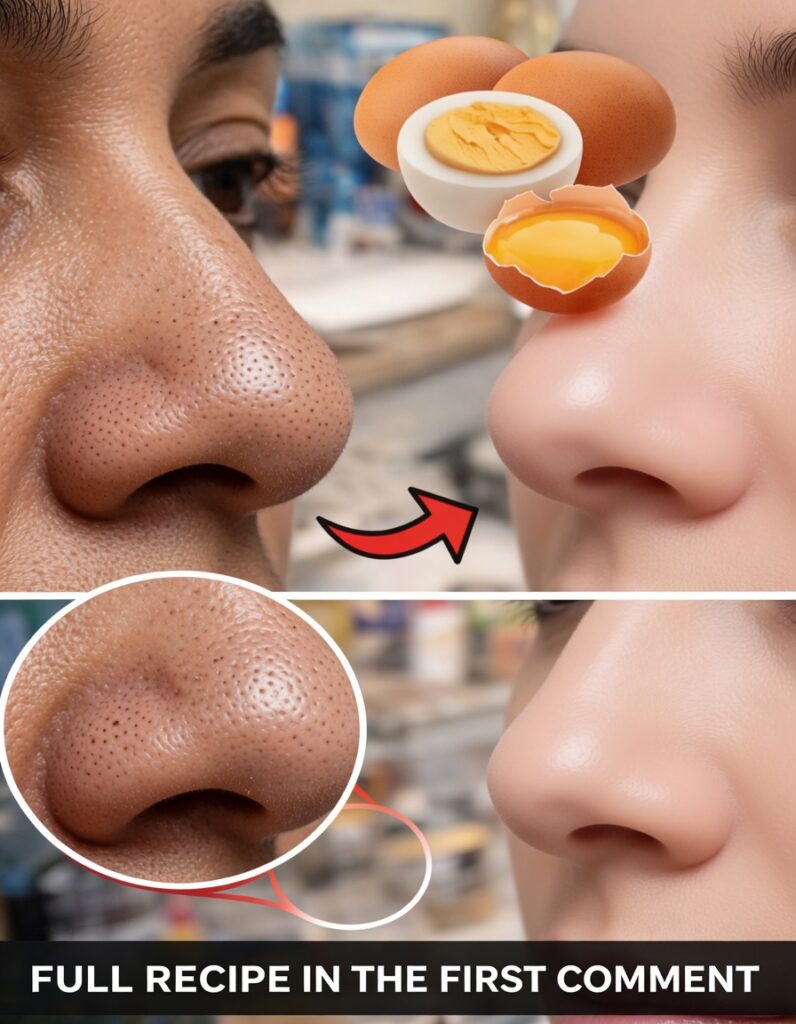
Blackheads Explained: A Gentle, Natural Approach You Can Try at Home
Blackheads are one of the most common skincare frustrations. They show up as tiny dark dots when pores become congested with excess sebum (oil), dead skin cells, and everyday buildup. The nose, chin, and forehead (the T-zone) are frequent trouble areas, and the uneven texture can be discouraging—especially if you’ve tried harsh strips or strong cleansers that leave skin feeling irritated rather than cared for.
That’s why many people look for simple, kitchen-based skincare options. They’re typically affordable, easy to do at home, and can feel gentler than heavily fragranced or aggressive products.
What if one everyday ingredient could fit into a more mindful routine? Egg whites have long been used in DIY face masks. Below, you’ll learn how people commonly use them, what they might (and might not) do for blackheads, and how to try the method more safely with realistic expectations.
Understanding Blackheads (and Why Gentle Care Works Better Long-Term)
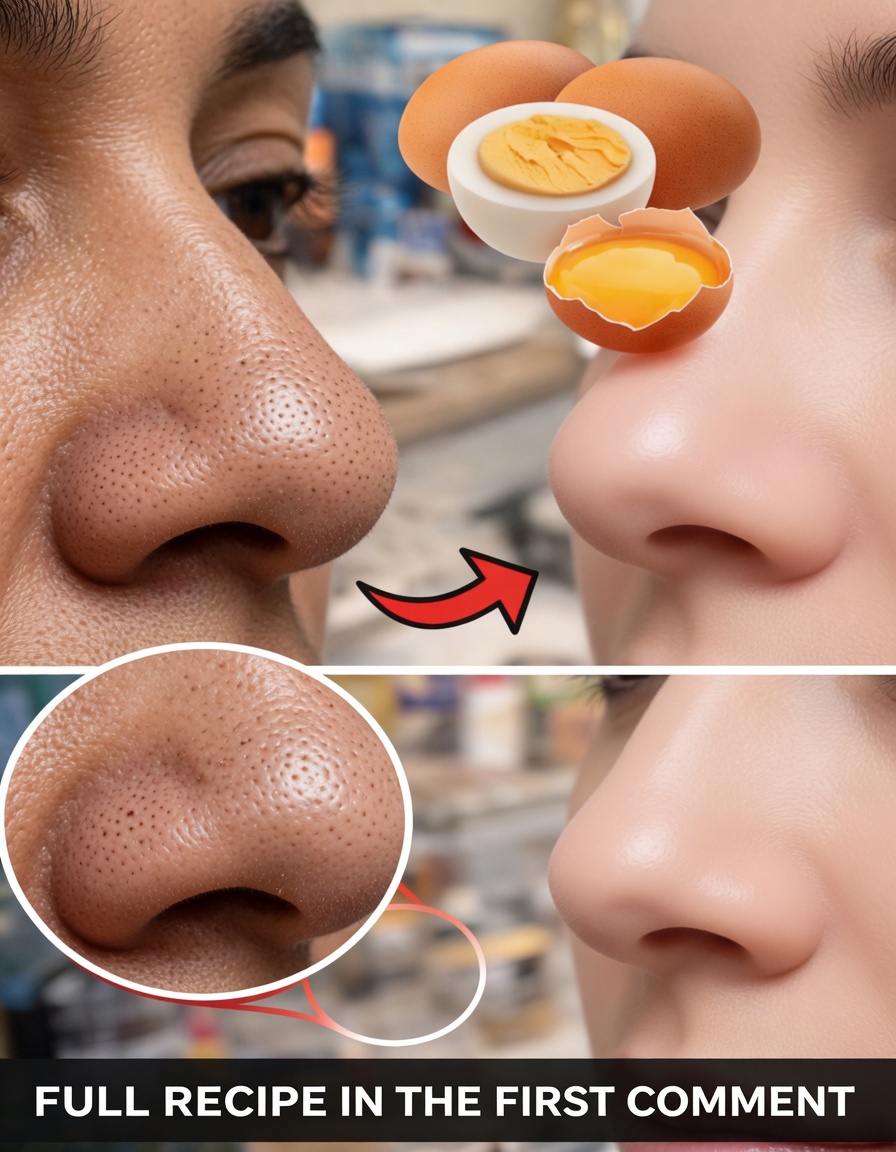
Blackheads form when a pore is partially blocked. The trapped material isn’t “dirt”—it’s mostly oil and dead skin. When the pore opening remains exposed to air, the contents oxidize and turn darker, creating the blackhead’s signature look.
Several factors can contribute, including:
- Naturally oily or combination skin
- Hormonal shifts that increase oil production
- Heavy or pore-clogging products
- Inconsistent cleansing or exfoliation
- Pollution and daily grime that adds to buildup
No at-home method can permanently erase blackheads for good. However, consistent, mild habits can help pores look clearer over time—and support a smoother skin texture without the irritation that often comes from overly aggressive approaches.
Egg white masks are a popular DIY option. While user experiences often describe a tightening and “cleaner pore” feel, scientific support is limited. Some research has examined egg-white proteins such as albumin and enzymes like lysozyme for their properties in lab settings, but that doesn’t automatically translate into strong, proven blackhead removal at home. Dermatology professionals commonly emphasize that results, when they happen, are usually temporary—yet the routine itself may encourage better skincare discipline.
Why Egg Whites Are Popular in DIY Skincare
Egg whites contain albumin, a protein that can dry into a thin film on the skin. As it sets, many people notice a temporary tightening sensation, which may make pores appear smaller for a short time. Because the mask dries, it can also help reduce the look of surface oil, which often makes blackheads look more obvious.
Some people also like the “peel” effect—especially when tissue is used—because it can lift away light surface debris. Still, it’s important to see this as an occasional add-on, not a replacement for evidence-based pore care (like gentle exfoliation with salicylic acid).
Commonly reported benefits include:
- A temporary “firming” feel that can make skin look smoother
- Reduced surface shine from mild oil absorption
- A light exfoliation-like effect when removed (especially with tissue)
- A simple alternative to store-bought pore strips for occasional use
Results vary greatly depending on skin type, how sensitized your skin already is, and what you do before and after masking.
How to Make an Egg White Mask for Blackheads (Step by Step)
This method is popular because it’s quick and uses basic household items. Before applying anything to your face, patch test: place a small amount on the inner arm and wait 24 hours to check for redness, itching, or irritation.
What you’ll need
- 1 fresh egg (room temperature is easier to work with)
- A small bowl
- Thin facial tissue, paper towel, or toilet paper (cut to fit your nose or T-zone)
- Optional: a clean brush for smoother application
Step-by-step directions
- Separate the egg white from the yolk and pour the white into a bowl. Lightly whisk if you want a thinner, easier-to-spread texture.
- Cleanse your face using a gentle cleanser, then pat dry. (Avoid scrubbing.)
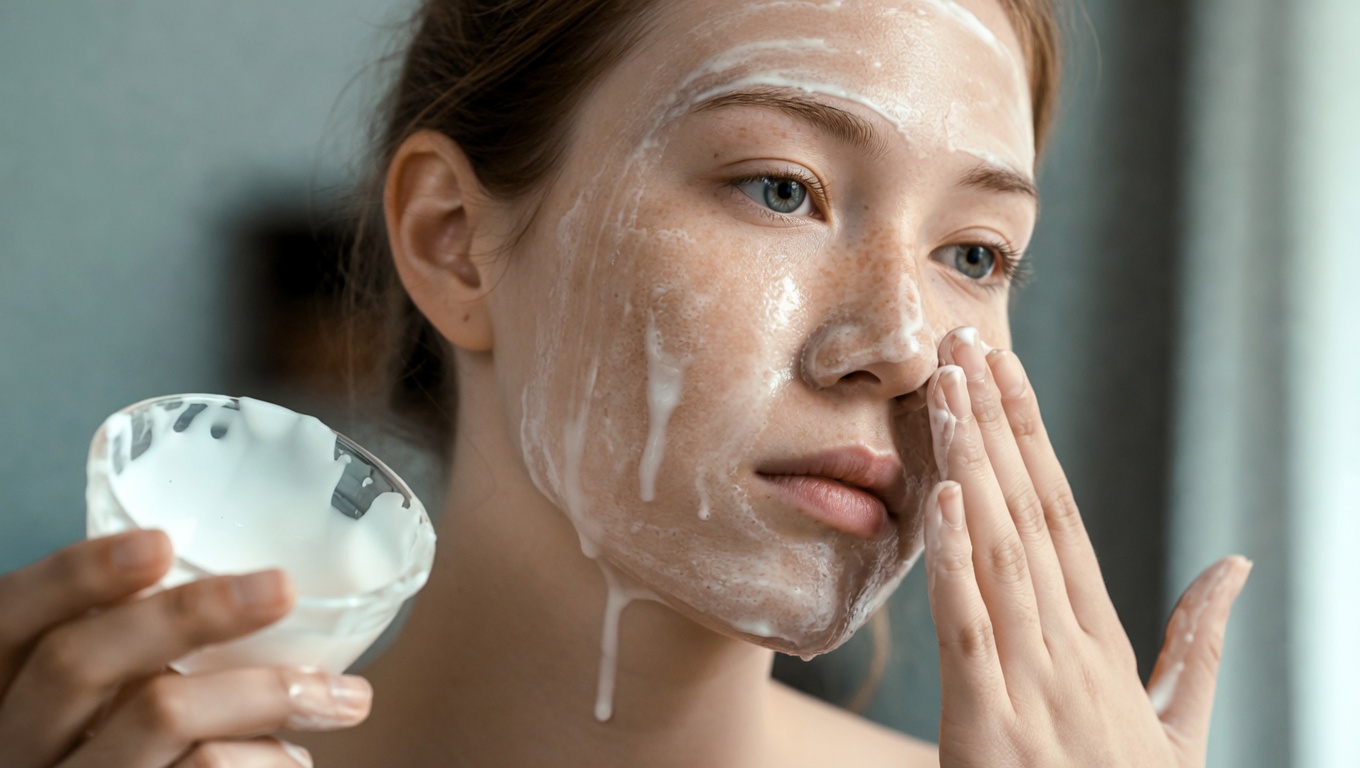
- Apply a thin layer of egg white to the target area (nose, chin, forehead) using clean fingertips or a brush.
- Press tissue onto the wet layer, smoothing it gently so it sits flat.
- Paint a second thin layer of egg white over the tissue to help it adhere.
- Wait 15–20 minutes until the mask feels fully dry and firm.
- Peel slowly from the edges, lifting upward with minimal pulling.
- Rinse with lukewarm water to remove any residue, then pat dry.
- Moisturize right away with a lightweight, non-comedogenic moisturizer to restore hydration.
How often should you do it?
- Aim for 1–2 times per week максимум.
- If you feel tightness, stinging, or flaking afterward, pause and focus on barrier-friendly hydration instead.
Bonus Tip: How People Use the Egg Yolk Too
If you separated the egg, you’ll have the yolk left—many DIY routines use it as a follow-up step to offset dryness.
- Apply a thin layer of egg yolk to clean skin
- Leave it on for about 10 minutes
- Rinse with lukewarm water
Because yolk contains natural fats and nutrients, some people find it leaves skin feeling softer and more comfortable after the tightening effect of egg whites.
Why “Kitchen Skincare” Routines Feel So Appealing
Home ingredients like eggs attract attention because they can be:
- Budget-friendly (no specialty products required)
- Minimalist (often fewer fragrances and additives)
- Convenient for at-home self-care
- Lower-waste, reducing extra packaging
Still, the most noticeable improvements usually come from combining occasional DIY care with consistent daily habits, such as:
- Gentle cleansing (especially after sunscreen or makeup)
- Using a salicylic acid (BHA) product if your skin tolerates it
- Daily sunscreen, which supports smoother-looking texture over time
- Regular moisturizing to protect the skin barrier
Final Thoughts: Choose Patience Over Harsh Quick Fixes
An egg white mask can be a simple, low-cost way to refresh your routine and enjoy that temporarily smoother, tighter feel. For many people, the biggest win is that it supports a more mindful approach—cleanse gently, don’t over-strip, and moisturize afterward.
Try it only if it suits your skin type, track how your skin responds, and prioritize long-term consistency. Natural methods tend to work best when they’re paired with realistic expectations—and professional guidance when needed.
Frequently Asked Questions
Is an egg white mask good for every skin type?
Not always. It may suit oily or combination skin better due to its oil-reducing feel. If your skin is dry, sensitive, or easily irritated, it may feel too drying. Patch testing is essential.
When will I see results?
The tighter, smoother feeling is typically immediate but short-lived, often lasting from a few hours to a day. Longer-term improvement usually depends on steady pore-care habits over several weeks.
Can I mix egg whites with other ingredients?
Some people combine egg whites with honey for added comfort. Be cautious with ingredients like lemon or other citrus, which can irritate skin and increase sensitivity. Keeping the recipe simple reduces risk.
Disclaimer
This article is for informational and educational purposes only and is not a substitute for professional medical advice, diagnosis, or treatment. Consult a dermatologist or qualified healthcare provider before trying new skincare methods—especially if you have skin conditions, open wounds, or allergies (including egg allergies). Stop use immediately if irritation occurs.