Early Menopause: Key Signs, Why They Matter, and What to Do Next
Picture this: you’re going about a normal day when a sudden wave of heat hits—your face flushes, your skin feels on fire, yet everyone around you seems fine. Or you wake up repeatedly at night, drenched in sweat, only to start the morning already exhausted. These aren’t just minor inconveniences. For many women in their 40s—and sometimes even earlier—these changes can be early signs of menopause.
Research suggests early menopause affects roughly 5% of women before age 45. Because symptoms can resemble stress, burnout, or other health issues, it’s easy to dismiss them. But recognizing patterns sooner can help you make smarter choices for daily comfort and long-term health.
If you’ve been wondering whether your body is sending signals, the guide below breaks down the most common early menopause symptoms women often notice first.
Why Recognizing Early Menopause Symptoms Is Important
Early menopause generally refers to menopause occurring before age 45, while premature menopause happens before 40. Medical sources such as the Cleveland Clinic and the Office on Women’s Health note that early menopause can occur naturally, though risk may increase due to factors like:
- Genetics and family history
- Smoking
- Certain medical treatments (for example, chemotherapy or ovarian surgery)
- Some underlying health conditions
A drop in estrogen does more than affect your menstrual cycle. Hormonal changes can influence multiple systems throughout the body. Studies associate earlier menopause with potential concerns related to:
- Bone density and osteoporosis risk
- Heart and cardiovascular health
- Energy levels and overall vitality
What many people don’t realize is that symptoms often build gradually during perimenopause (the transition period before menopause). They also vary widely—some women have mild symptoms, while others feel significantly disrupted.
10 Common Signs of Early Menopause to Watch For
Experiencing one symptom doesn’t automatically mean early menopause. What matters most is a persistent pattern, especially when multiple signs occur together.
10. Irregular Periods (Often the First Noticeable Change)
One of the earliest clues is a shift in your menstrual rhythm. Your cycle might:
- Become shorter or longer
- Turn heavier or lighter
- Skip entirely for weeks or months
Clinicians explain this usually reflects fluctuating hormone levels as the ovaries begin producing estrogen less consistently.
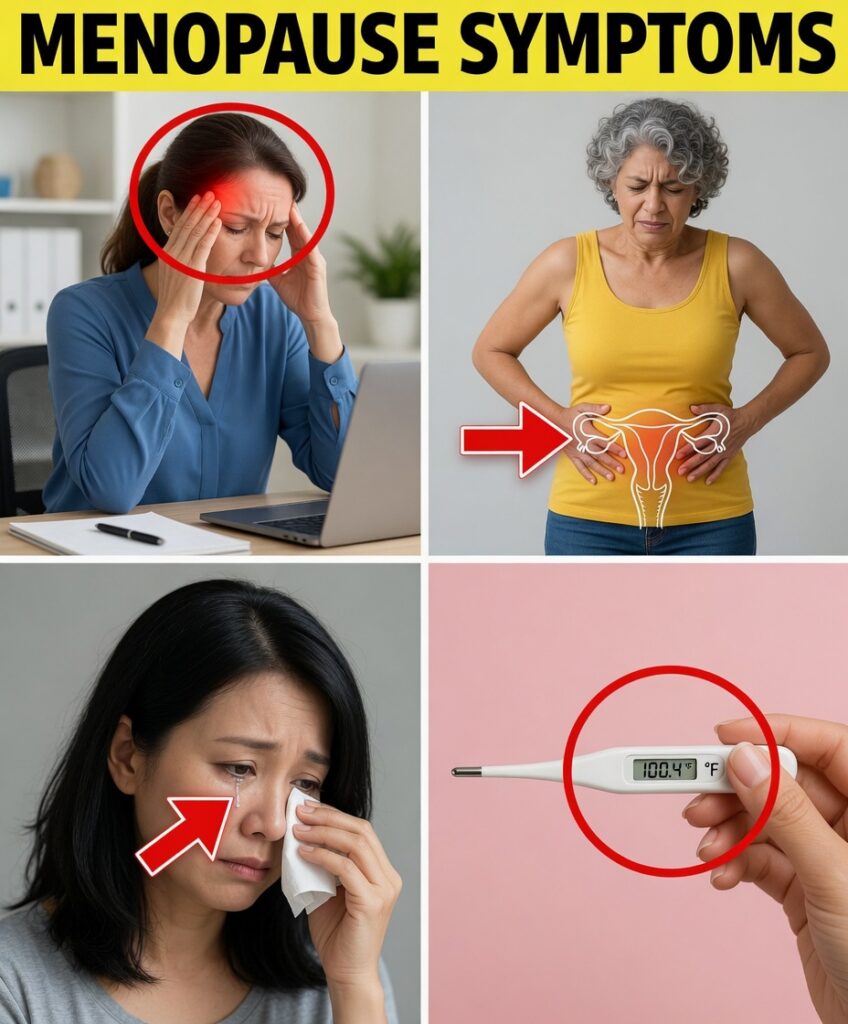
9. Hot Flashes (Sudden, Unpredictable Heat Surges)
Hot flashes often feel like warmth rising through your chest, neck, and face, sometimes paired with sweating and redness. Health research suggests a majority of women in the menopause transition experience them at some point.
They can be distracting at work, uncomfortable in social settings, and easy to misinterpret as anxiety—especially if they arrive without warning.
8. Night Sweats (Sleep-Disrupting Sweating Episodes)
Night sweats are essentially hot flashes that occur while you sleep. Many women describe waking up soaked, then feeling chilled afterward. Sleep disruption can quickly lead to daytime fatigue and low resilience.

7. Mood Swings and Irritability (Emotional Shifts That Feel “Not Like You”)
Hormonal fluctuations can influence brain chemistry, including neurotransmitters linked to mood regulation. As a result, some women notice:
- Sudden irritability
- Increased anxiety
- Tearfulness or emotional sensitivity
For many, this is one of the most difficult parts of the transition—not because it’s “in your head,” but because it can feel unfamiliar and hard to control.
6. Vaginal Dryness and Discomfort (Subtle Changes That Affect Intimacy)
Lower estrogen can thin vaginal tissues and reduce natural lubrication. This may cause:
- Dryness or irritation
- Discomfort during intimacy
- A change in confidence or sexual comfort
Many women find relief using vaginal moisturizers or lubricants, especially when addressed early.
5. Sleep Problems (Even Without Night Sweats)
Beyond night sweats, hormonal changes can interfere with normal sleep regulation. You may experience:
- Difficulty falling asleep
- Waking often during the night
- Lighter, less restorative sleep
This can create a cycle where poor sleep worsens mood, focus, and energy.
4. Persistent Fatigue (A Deeper, Ongoing Exhaustion)
This isn’t just “feeling tired.” Many women describe a lasting fatigue that doesn’t improve with caffeine or a single good night of sleep. Experts link this to a combination of disrupted sleep, metabolic changes, and hormone-related shifts.
3. Brain Fog and Memory Slips (Focus and Recall Feel Harder)
Many women report moments like:
- Forgetting words mid-sentence
- Misplacing everyday items
- Struggling to concentrate
Evidence suggests estrogen supports aspects of cognitive function, so a decline may contribute to mental fog for some women. Practical strategies—notes, reminders, structured routines—can help reduce frustration.
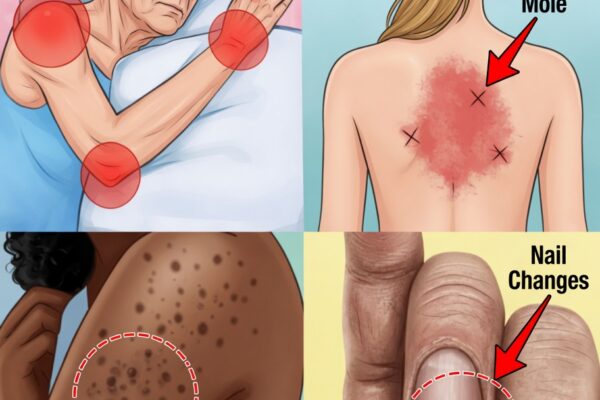
2. Thinning Hair, Drier Skin, and Brittle Nails
Hormones influence collagen production, skin hydration, and hair growth cycles. You may notice:
- Increased hair shedding
- Skin that feels less supple
- Nails that split or break more easily
These changes often develop gradually, but they can still affect how you feel about your appearance.
1. Fertility Changes or Difficulty Conceiving
For women trying to get pregnant, early menopause signs may include:
- Longer time to conceive
- More unpredictable ovulation and cycles
- A noticeable shift in fertility patterns
Fertility specialists explain this relates to a declining ovarian reserve, a core feature of the menopause transition—even if pregnancy isn’t a current goal.

Other Early Menopause Symptoms Some Women Experience
In addition to the main signs above, some women also report:
- Joint or muscle aches
- Unexplained weight changes (often around the midsection)
- Urinary urgency or more frequent urinary infections
Because personal risk factors vary (family history, autoimmune conditions, lifestyle influences), tracking symptoms can help clarify what’s happening and when.
Quick Reference: Common Signs and Daily Impact
- Irregular periods: unpredictable planning, multiple skipped cycles are a strong signal
- Hot flashes / night sweats: comfort and sleep disruption, especially when frequent or severe
- Mood changes: emotional strain, especially if prolonged or intense
- Vaginal dryness: discomfort with intimacy, irritation that persists
- Fatigue / brain fog: reduced daily function, tiredness that doesn’t improve with rest
What to Do If These Signs Sound Familiar
No single symptom proves early menopause, but a consistent pattern deserves attention. A practical first step is to track your symptoms for a few weeks, including:
- Frequency and timing
- Triggers (heat, alcohol, stress, caffeine, etc.)
- Severity and impact on daily life
Supportive habits many women find helpful include:
- Eating a balanced diet and prioritizing calcium and vitamin D for bone health
- Staying active with regular movement (walking, strength training, yoga)
- Using stress-reduction tools like breathing exercises or mindfulness
- Staying connected—friends, support groups, or communities can reduce isolation
A healthcare provider may recommend bloodwork or additional evaluation depending on your age, symptoms, and medical history. Early conversations often lead to more personalized solutions and better quality of life.
Don’t Ignore the Signs—Take Control Early
Noticing early menopause symptoms can feel unsettling, but awareness gives you options. With symptom tracking, lifestyle adjustments, and professional guidance, many women find meaningful relief and regain a sense of control.
What’s your next step—starting a symptom journal or scheduling a check-in with your healthcare provider?