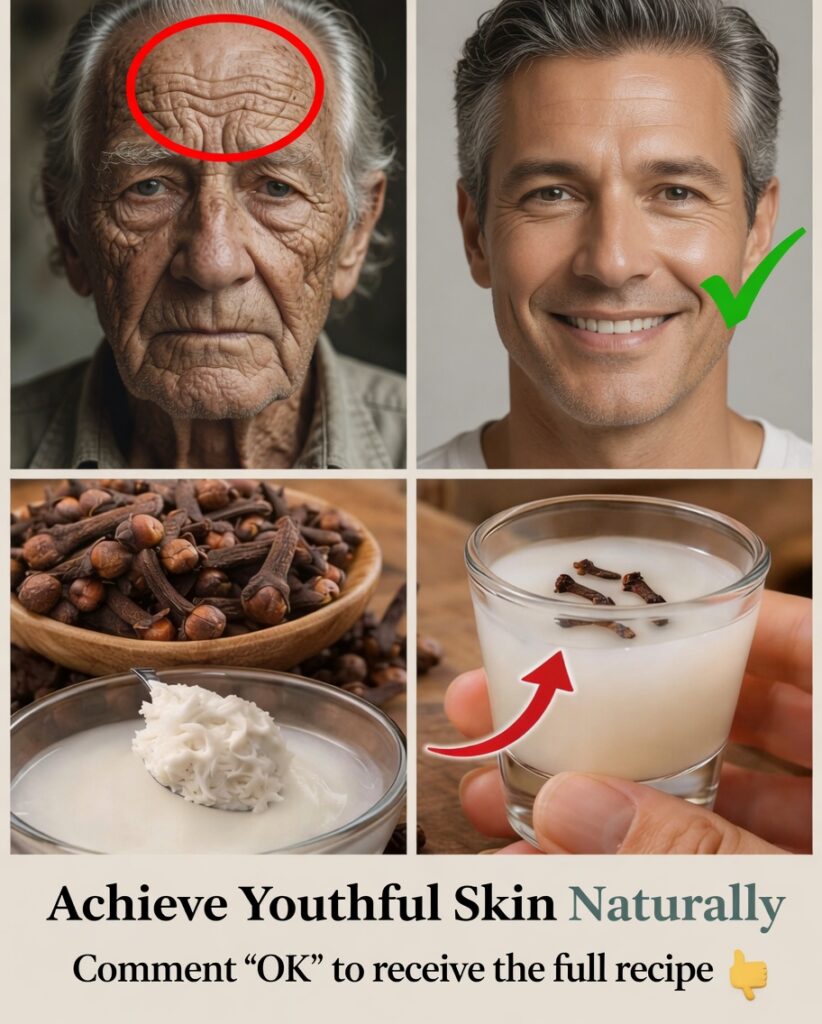
Wrinkles are a natural part of aging—fine lines and creases that reflect years of smiling, squinting, and everyday expression. Still, it’s common to feel less confident when these changes make skin look tired or less radiant, especially when factors like dehydration, sun exposure, and ongoing stress seem to accelerate them. The encouraging news: you don’t need costly procedures or drastic routines to support your skin’s resilience. Simple daily habits can noticeably improve how smooth, hydrated, and refreshed your complexion looks over time.
In this guide, you’ll find practical, evidence-informed ways to care for your skin gently—plus an easy at-home ritual many people overlook, yet often find surprisingly refreshing.
Why Wrinkles Happen—and Why They’re Completely Normal
Wrinkles develop gradually from a combination of internal (intrinsic) and external (extrinsic) influences. With age, your body naturally produces less collagen and elastin, the proteins that help skin stay firm, elastic, and springy. Repeated facial movements—smiling, frowning, squinting—create expression lines that can eventually become more visible at rest.
Environmental and lifestyle factors can intensify this process:
- UV exposure speeds up collagen breakdown and contributes to premature aging (often called photoaging).
- Dehydration weakens the skin barrier, making fine lines appear deeper and texture look less smooth.
- Poor sleep, chronic stress, and nutrient-poor diets can slow repair processes and increase oxidative stress.
Dermatology organizations such as the American Academy of Dermatology consistently highlight sun exposure as a major driver of early visible aging. Research also supports that well-hydrated skin appears plumper, which can make fine lines look softer. The bottom line: aging itself is unavoidable, but consistent skin-supportive habits can help your skin look healthier and more resilient.
A More Achievable Goal: Smoother, Better-Hydrated Skin
Rather than chasing “wrinkle-free” perfection, aim for realistic, sustainable improvements:
- Deeper hydration to help skin look more supple
- A stronger moisture barrier to reduce dryness-related creasing
- Better elasticity and bounce
- A more even tone and brighter appearance
When skin is nourished and protected, fine lines often look less prominent and the overall texture feels smoother. Dermatology guidance generally favors prevention and long-term support over aggressive attempts to “erase” wrinkles.
Next, let’s explore gentle, natural ingredients that are widely used and increasingly supported by research.

Natural Ingredients That Can Support Skin Health
Plant-based skincare supports often work by improving hydration, calming irritation, and supplying antioxidants that help defend against daily environmental stressors.
Rice Water: A Mild, Time-Tested Option
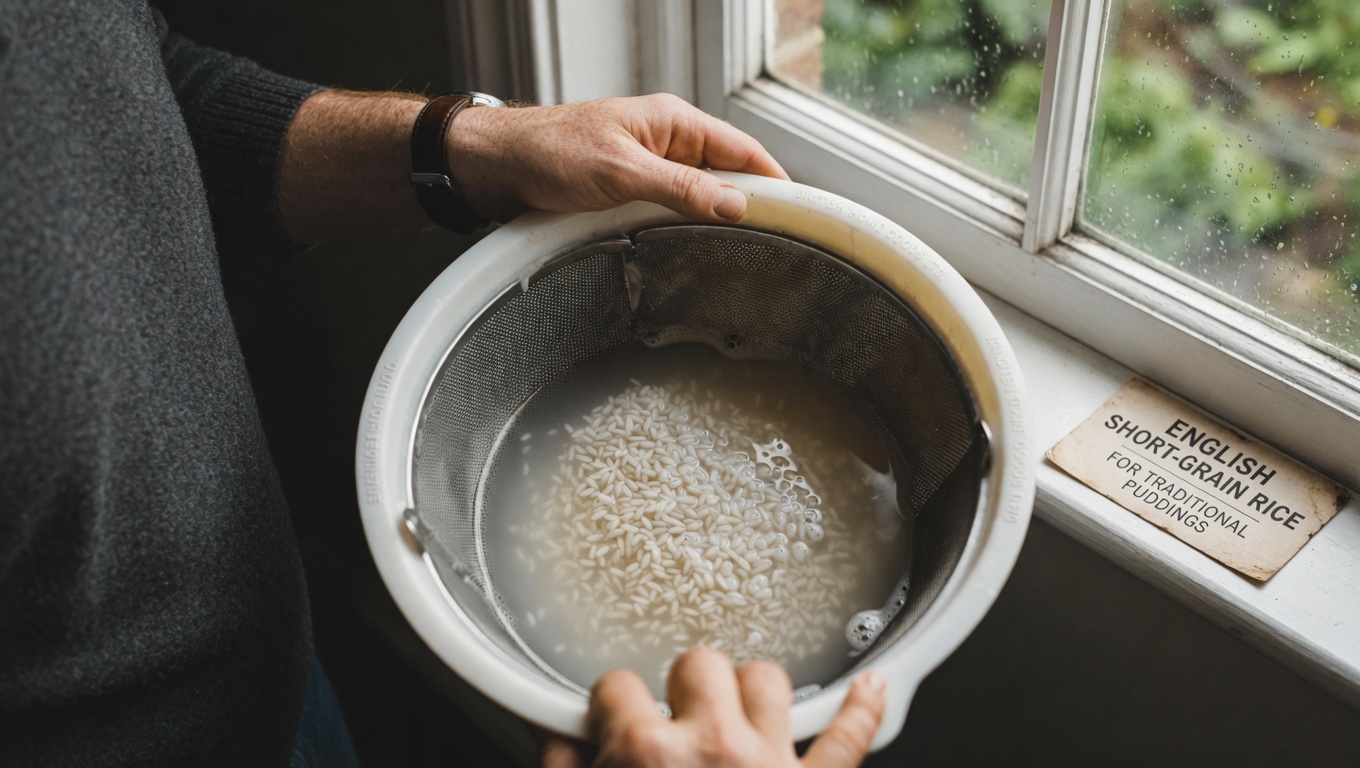
Rice water has been used in traditional skincare for generations. It contains compounds such as amino acids and ferulic acid, which may help support hydration, soothe the skin, and improve the appearance of brightness. Research on rice-derived skincare ingredients (including findings reported in journals such as Cosmetics) suggests potential benefits for:
- Moisture retention
- Barrier support
- Mild antioxidant protection
Many people use rice water as a gentle rinse or toner, especially when the skin feels dry or irritated.
Plant Antioxidants (Including Clove)
Antioxidant-rich ingredients help neutralize free radicals generated by UV exposure and pollution. Clove contains eugenol and other compounds associated with strong antioxidant activity. However, clove can be irritating for some skin types, so it should be:
- Highly diluted
- Used cautiously and infrequently
- Patch-tested first (especially for sensitive skin)
When used carefully, antioxidant support may contribute to a healthier-looking complexion over time.
The Most Reliable Hydration “Ingredient”: Consistency
The simplest support is often the most effective: steady hydration. Drinking enough water and using moisturizers with humectants can make skin look plumper and reduce the appearance of fine lines. Studies consistently link improved hydration with better-looking texture and elasticity.
Quick comparison of these supports:
- Rice water: soothing, hydrating, and brightening (often used as a toner/rinse)
- Clove-based antioxidants: strong oxidative-stress defense (use diluted; can irritate)
- Hydration (water + moisturizer): often the quickest visible “plumping” effect
Long-term results come from gentle choices applied consistently.
Daily Habits That Make the Biggest Difference
One product rarely changes everything—habits do. These practices are widely recommended and backed by dermatology guidance.
Use Sun Protection Every Single Day
If you choose only one anti-aging habit, make it sunscreen. A broad-spectrum SPF 30+ helps protect collagen and reduces the impact of UV-related skin aging. Sources such as Harvard Health and the AAD emphasize that consistent daily sun protection can significantly slow visible aging.
Best practices:
- Apply sunscreen as the final step in your morning routine
- Use it even on cloudy days or when mostly indoors (UV can still reach you)
- Reapply when needed, especially with prolonged outdoor exposure
Improve Sleep and Reduce Stress (Your Skin Notices)
Skin renewal processes are most active overnight, and deep sleep supports repair and barrier function. Meanwhile, chronic stress raises cortisol levels, which may contribute to collagen breakdown over time.
Helpful habits:
- Aim for 7–9 hours of quality sleep
- Add simple stress relievers: deep breathing, stretching, gentle walks, or journaling
Better rest and lower stress often translate to less dullness and a stronger-looking skin barrier.
Eat for Skin Support
What you eat can influence inflammation, oxidative stress, and structural support for the skin. Focus on nutrients commonly linked with healthier-looking skin:
- Berries and leafy greens (antioxidants)
- Nuts and seeds (vitamin E, healthy fats)
- Fatty fish (omega-3s)
- Olive oil (skin-supportive fats and polyphenols)
- Adequate protein (building blocks for collagen)
Research across nutrition and dermatology suggests diets rich in fruits, vegetables, and omega-3 fats may help support collagen and reduce inflammation associated with premature aging.
A Simple Routine to Support Smoother-Looking Skin
Morning
- Cleanse with a gentle, non-stripping cleanser
- Apply a lightweight moisturizer to lock in hydration
- Finish with broad-spectrum SPF 30+ sunscreen
Evening
- Cleanse to remove sunscreen, pollution, and buildup
- Moisturize again (choose a richer texture if your skin feels dry)
- Optional: apply diluted rice water as a soothing toner
- Patch-test first, especially if your skin is reactive
Weekly Add-Ons
- Gentle exfoliation 1–2 times per week (avoid harsh scrubs)
- Extra attention to hydration, sleep, and nutrient-dense meals
These steps are simple, but the benefits build steadily when you stay consistent.
Key Takeaway: Gentle, Consistent Care Works Best
Supporting smoother, healthier-looking skin doesn’t require extremes. The most effective approach is daily protection and support: shielding from UV, keeping skin hydrated, nourishing from within, and choosing gentle ingredients that respect the skin barrier. Wrinkles are a normal part of life—and with consistent self-care, your skin can look fresh, resilient, and vibrant at every age.
Frequently Asked Questions
How long until I notice smoother-looking skin?
Many people see a more hydrated, “plumper” look within a few weeks of consistent moisturizing and sunscreen use. Texture and tone improvements typically build over several months.
Is rice water suitable for all skin types?
Rice water is often considered mild, but it’s still best to patch-test first. Fermented rice water may irritate some people, especially those with sensitive skin.
Can diet alone reduce fine lines?
Nutrition strongly supports skin health, but the best results usually come from combining a skin-supportive diet with topical hydration and daily sun protection.
Disclaimer
This article is for informational purposes only and does not replace medical advice. Consult a dermatologist or qualified healthcare professional before starting new skincare practices, particularly if you have skin conditions, allergies, or sensitivities. Individual results vary.