Tingling, Numbness, or Burning After 55: Can Benfotiamine Help Support Nerve Comfort?
For many adults over 55, odd sensations in the hands and feet can slowly become part of daily life—tingling, numbness, burning, or “pins and needles” that make simple activities feel harder than they used to. Holding a mug without slipping, walking with confidence, or sleeping through the night may suddenly require more effort.
These changes are often linked to peripheral nerve function, which can be affected by aging and certain health factors. One nutrient that has gained attention for nerve support is benfotiamine, a fat-soluble form of vitamin B1 (thiamine) that may reach nerve tissue more efficiently than standard thiamine.
In this article, you’ll learn what benfotiamine is, how it differs from regular vitamin B1, what research suggests about nerve comfort, and practical ways people commonly approach it.
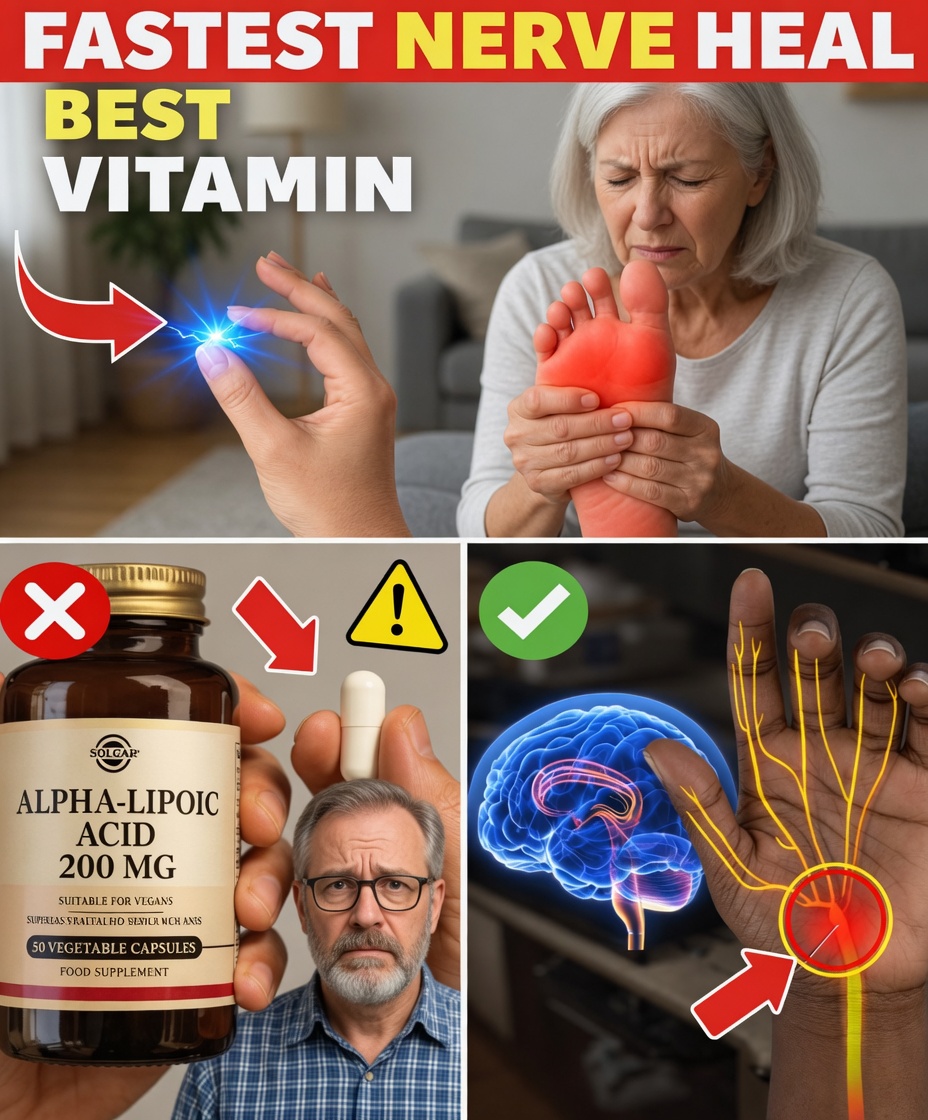
Peripheral Nerve Discomfort After 55: Why It Happens
Your peripheral nerves transmit messages between the brain/spinal cord and the rest of the body. They play a key role in:
- Sensation (touch, temperature, pain)
- Muscle movement and coordination
- Balance and body awareness
As the years pass, nerves may become more vulnerable to stressors. Factors often discussed include aging-related changes, blood sugar patterns, circulation issues, and other health conditions that can influence nerve signaling. When nerve signaling becomes less efficient, symptoms may appear such as:
- Prickling or tingling
- Reduced feeling in fingers or toes
- Increased sensitivity or burning discomfort
Many people try lifestyle adjustments first and may also consider supplements—especially B vitamins. However, regular thiamine (vitamin B1) doesn’t always enter nerve tissue efficiently, which is one reason benfotiamine has attracted interest.
Benfotiamine vs. Regular Vitamin B1: What’s the Difference?
Although both relate to vitamin B1, the key difference is how they are absorbed and delivered.
Standard thiamine is water-soluble, so it tends to remain largely in the bloodstream and may have limited access to certain tissues. Some sources note relatively modest absorption and delivery into nerve tissue.
Benfotiamine, on the other hand, is a lipid- (fat-) soluble derivative of thiamine. Because of this structure, it may cross cell membranes more readily, potentially leading to higher concentrations in tissues, including nerves, in comparison to standard thiamine.
Quick comparison
-
Regular Thiamine (Vitamin B1)
- Water-soluble
- Primarily circulates in the bloodstream
- Often described as having limited penetration into nerve tissues
-
Benfotiamine (Fat-Soluble B1)
- Lipid-soluble derivative
- May enter tissues more effectively
- Studied for potential support of nerve-related comfort and metabolic pathways
Research also explores how benfotiamine may influence enzymes such as transketolase, a pathway discussed in relation to metabolic byproducts that can place stress on nerves, especially under high-glucose conditions.

What Studies Suggest About Benfotiamine for Nerve Support
Benfotiamine has been examined in several studies focused on nerve discomfort, frequently in the context of diabetic peripheral neuropathy.
Short-term findings (about 3–12 weeks)
In clinical trials using 300–600 mg per day, some participants reported improvement in symptom-based measures, including:
- Less burning discomfort
- Reduced tingling sensations
- Better overall neuropathy symptom scores compared with placebo in certain studies
Longer-term results (around 12 months and beyond)
Long-duration trials (for example, a year in people with type 2 diabetes) generally report that benfotiamine is well tolerated, but results can be mixed when evaluating broader or more objective nerve-function markers. In some research, symptom trends improved, while certain neurophysiological measures did not show major shifts.
Overall, the research picture points toward potential symptom relief for some people, particularly in the earlier weeks to months, while also highlighting the need for more large, long-term studies to clarify the full range of effects.
Common Experiences People Report When Trying Benfotiamine
Individual outcomes vary, but people who explore benfotiamine often describe gradual changes such as:
- Lower intensity of burning sensations
- A slow return of sensation in toes or fingers
- Fewer nighttime interruptions due to prickling feelings
- More stable grip and fewer dropped objects
- Improved steadiness and awareness while walking
- A warmer feeling in hands or feet
- Ability to walk longer with less discomfort
- A general sense that the nerves feel more “awake”
These reports are anecdotal, but they broadly align with study outcomes that focus on symptom scores and comfort.

Practical Guidance: How People Commonly Use Benfotiamine
If you’re considering benfotiamine, below is a conservative, research-informed approach that many people use as a starting framework.
1. Confirm the form you’re buying
- Look specifically for benfotiamine, not standard thiamine.
- Some prefer high-purity forms often labeled “all-trans” benfotiamine (you may see branding such as BenfoPure or similar). Product quality varies, so read labels carefully.
2. Use doses similar to those studied
Common research doses are 300–600 mg daily, often split into 2–3 servings, taken with meals. Since it’s fat-soluble, taking it with food that includes healthy fats (such as olive oil, nuts, or avocado) is sometimes suggested to support absorption.
A cautious approach is to:
- Start at a lower dose
- Increase gradually only if needed and well tolerated
3. Track changes for 4–12 weeks
Because shifts are often gradual, it can help to keep a simple log of:
- Tingling/burning intensity
- Sleep quality
- Walking comfort and balance
- Hand grip and daily function
4. Be thoughtful with combinations
Some people pair benfotiamine with other nutrients (including B-complex vitamins), but “more” is not always better. Avoid stacking multiple high-dose supplements without professional guidance.
5. Prioritize consistency
In studies where benefits appeared, they were linked to daily, consistent use over weeks or months—not overnight effects.
Also consider choosing brands that provide third-party testing or clear quality standards.
Who May Want to Explore Benfotiamine Further?
Benfotiamine is most often discussed by people over 55 who notice gradual changes in nerve comfort—especially those concerned about metabolic stress and blood sugar-related nerve strain.
Still, benfotiamine is a dietary supplement, not a substitute for medical evaluation. Persistent numbness, burning, weakness, or balance changes should be assessed by a clinician.
Frequently Asked Questions (FAQ)
What dosage is typically used in nerve-support research?
Many studies use 300–600 mg per day, divided into multiple doses with food. The right amount depends on your health profile, so personalized guidance from a healthcare professional is recommended.
How long does it usually take to notice changes?
Some short-term trials report symptom improvement within 3–6 weeks for certain individuals, with more noticeable changes often reported over 8–12 weeks of consistent use.
Is benfotiamine considered safe for long-term use?
Research including trials up to 12–24 months generally reports good tolerability at studied doses with relatively few side effects. Even so, it’s wise to monitor your response and check in with a healthcare professional—especially if you take medications or manage chronic conditions.
Medical Disclaimer
This content is for informational purposes only and does not constitute medical advice. Benfotiamine and other supplements are not intended to diagnose, treat, cure, or prevent any disease. Always consult your physician or neurologist before starting a new supplement—particularly if you have diabetes, take prescription medications, or have existing medical conditions—to ensure it is appropriate and to check for potential interactions.