

Dr. Norman Walker’s Daily Juicing Routine: The 7 Superfoods He Swore By
You may have come across the widely shared photo of Dr. Norman Walker at age 99, smiling, energetic, and impressively healthy-looking. The image often comes with a simple message: his long-lasting vitality was closely linked to fresh vegetable juices and nutrient-rich roots. That idea resonates with many people, especially once they reach their 50s or 60s and begin to notice reduced stamina, slower recovery, or a general drop in everyday energy.
As responsibilities grow and stress becomes more constant, maintaining good health can feel more difficult than it once did. That is one reason Walker’s name continues to surface online. He remained active well into old age and centered his lifestyle around freshly made raw juices prepared at home.
What makes his routine especially fascinating is its simplicity. He did not rely on a complicated program or a single miracle ingredient. Instead, his approach focused on seven familiar superfoods that he juiced regularly for many years. Below, you’ll discover what those foods were, why they mattered to him, and how you can begin using them in your own kitchen.
Who Was Dr. Norman Walker?
Dr. Norman Walker is still remembered as one of the early leaders in natural wellness and nutrition. Born in 1886, he devoted much of his life to studying the relationship between food and health. He is best known for developing the Norwalk hydraulic juicer, a machine that remains respected among serious juicing enthusiasts.
Walker also authored more than a dozen books on raw food and juicing, including the well-known title Fresh Vegetable and Fruit Juices. He lived until 1985 and was said to remain mentally alert and physically engaged deep into his 90s. His philosophy was straightforward: true wellness comes less from pills and processed products, and more from the enzymes and nutrients found in fresh produce.
A major part of his method was consistency. He reportedly drank about 1 to 1.5 liters of fresh juice each day, usually in the morning on an empty stomach and again between meals. His routine was not built on trendy supplements or restrictive eating plans. It was based on fresh, simple ingredients prepared daily.
The Main Principle Behind His Approach
Walker believed that cooking could damage or destroy many of the natural enzymes in food that support digestion and nutrient absorption. For that reason, he preferred raw juices. While nutrition science has evolved, many experts still agree that fresh fruits and vegetables provide valuable vitamins, minerals, and antioxidants in forms the body can access efficiently.
He did not present juicing as magic. Rather, he advocated a practical habit that he believed supported health over time. Modern research on plant-rich diets also continues to suggest benefits for digestion, energy, and overall well-being, especially as people age.
Still, the real foundation of his routine was not just raw juice itself. It was the specific mix of ingredients he returned to again and again.
The 7 Superfoods Dr. Norman Walker Used Daily
These seven fresh foods formed the core of Walker’s juicing habit. Instead of drinking them separately, he often combined them into balanced blends and consumed them immediately after juicing.
1. Carrots
Carrots were the base of many of Walker’s favorite juice recipes. He considered them one of the most valuable juicing ingredients and used them frequently as the foundation of a glass.
They are rich in beta-carotene, which the body converts into vitamin A. Walker often used 4 to 6 large carrots per serving, making carrot juice a regular source of natural sweetness, color, and nourishment.
2. Beets
Beets were another key ingredient in his routine and are often associated with the deep red juices seen in viral health posts.
He typically added half to one small beet to a blend. Beets contribute natural nitrates and a strong earthy flavor, and they are commonly valued for supporting circulation and everyday liver function.
3. Turmeric Root
Fresh turmeric root was one of the more distinctive ingredients in Walker’s juicing practice. This bright orange root added both color and a warm, slightly spicy note.
He usually used it in smaller quantities, pairing it with sweeter vegetables like carrots and deeper flavors like beet. Its naturally occurring compounds made it a favorite addition in modest amounts.

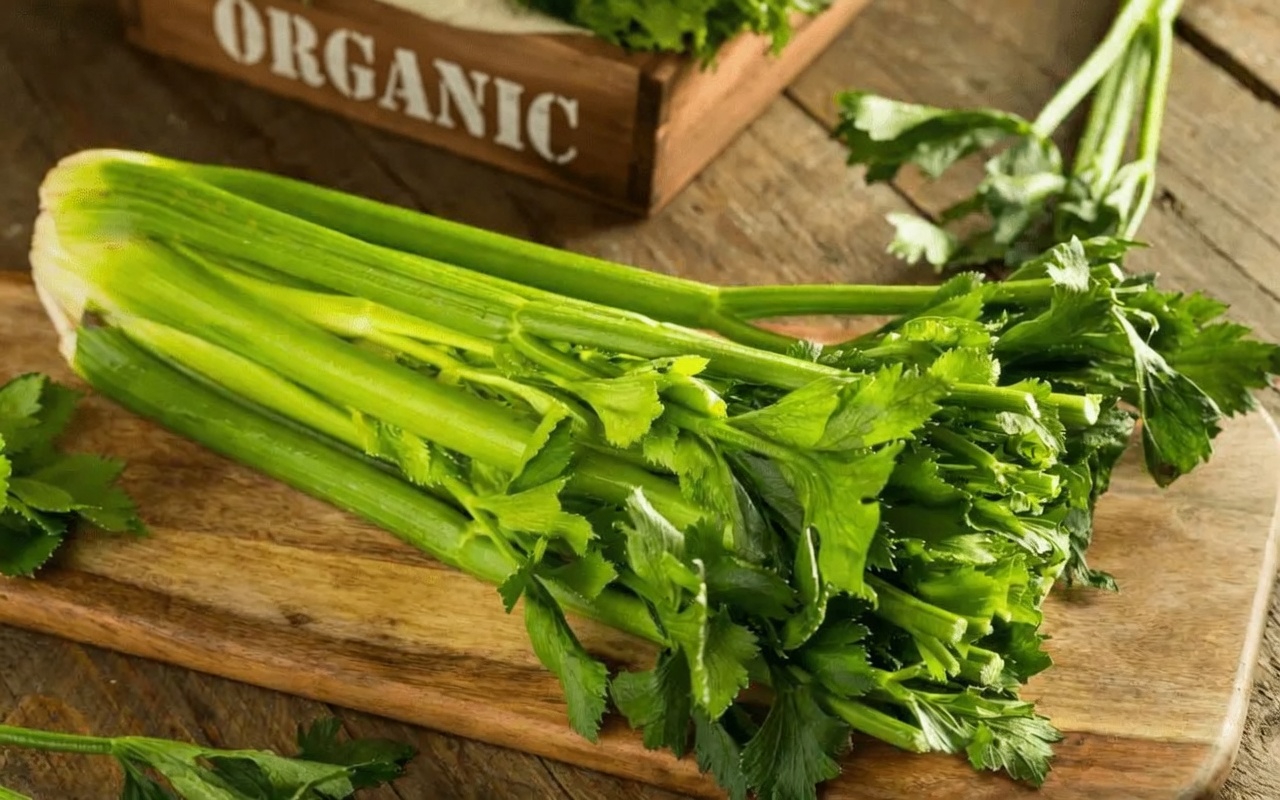
4. Celery
Celery played an important role in Walker’s juices because of its light, clean taste and hydrating nature.
He often used 3 to 4 stalks, either in pure celery juice or mixed with other vegetables. It helped create juices that felt refreshing and easy to drink, particularly during warm weather.
5. Spinach and Other Leafy Greens
Leafy greens gave his juices a mineral-rich boost. A handful of spinach, parsley, or sometimes kale added depth and nutrition to the blend.
These greens supply nutrients such as magnesium and potassium, and Walker liked rotating them for variety while maintaining the same plant-focused foundation.
6. Cucumbers
Cucumber was one of his everyday staples for freshness and hydration.
He commonly used half to one whole cucumber in a juice. Its mild flavor balanced stronger vegetables and made larger servings easier to enjoy.
7. Apples
To soften the taste of earthier ingredients, Walker often included one crisp apple.
Apples added natural sweetness and improved the flavor of the entire blend without overpowering the vegetables. They also made the juice more approachable for people who were new to daily juicing.
What Most People Overlook About His Routine
One common misunderstanding is that Walker simply juiced random vegetables together. In reality, he followed preferred combinations and rotated them regularly.
Some of his go-to blends included:
- Carrot + beet + cucumber for a bright, vibrant juice
- Carrot + celery + spinach for a green morning blend
- Carrot + apple + turmeric for a sweeter, warming option
Another important part of his method was freshness. He drank the juice right after making it and avoided saving it for later. He believed immediate consumption helped preserve the live enzymes and nutrients he valued most.
How to Start Using His Juicing Method Today
You do not need to overhaul your entire lifestyle to try this approach. A few simple steps can help you ease into it.
Start With a Small Serving
Begin with one glass in the morning. A simple beginner blend could include:
- 4 carrots
- 1/2 beet
- 1/2 cucumber
- A small piece of fresh turmeric root
This keeps the flavor manageable while still introducing the core ingredients Walker favored.
Use a Juicer That Fits Your Budget
A slow masticating juicer is often preferred because it helps preserve nutrients more gently. Walker’s Norwalk design is still admired, but many affordable machines work well for home use.
If you are just starting, the best juicer is the one you will actually use consistently.
Prep Ingredients Properly
Before juicing:
- Wash all produce thoroughly
- Cut items into pieces that fit your machine
- Feed firmer produce first and softer items later when possible
This can make the process smoother and help the juicer work more efficiently.
Drink It at the Right Time
Walker often consumed juice 15 to 30 minutes before breakfast, while his stomach was still empty. Many people find that this timing makes the juice easier to digest and more energizing.
Pay Attention to How You Feel
If you are new to beets or leafy greens, start with smaller amounts. Stronger vegetables can affect digestion differently from person to person.
Also remember to:
- Stay hydrated throughout the day
- Increase portions gradually
- Adjust ingredients based on taste and tolerance
Fresh Juice vs. Whole Produce
Both whole vegetables and fresh juice have benefits. The better choice depends on your goal.
Whole Fruits and Vegetables
Advantages:
- More fiber
- Slower digestion
- Greater fullness
Best for:
- Meals
- Snacks
- Salads and everyday eating
Fresh Juice
Advantages:
- Fast nutrient delivery
- Easy to consume in larger amounts
- Gentle on digestion for many people
Best for:
- Morning routines
- Between meals
- A quick nutrient boost
Store-Bought Juice
Advantages:
- Convenient
- Easy for travel or busy days
Limitations:
- Often pasteurized
- May contain fewer active enzymes than freshly made juice
Best for:
- Occasional use when fresh juice is not available
A Simple Starter Recipe Inspired by Walker
If you want an easy place to begin, try this beginner-friendly blend modeled after the foods he used most often.
Morning Vitality Juice
Ingredients
- 5 medium carrots
- 1/2 small beet
- 1-inch piece of fresh turmeric root
- 2 celery stalks
- 1/2 cucumber
- 1/2 green apple
Directions
- Wash all ingredients well.
- Cut them into juicer-friendly pieces.
- Juice everything fresh.
- Stir lightly.
- Sip slowly and enjoy immediately.
Many people say they begin to feel more hydrated, lighter, and mentally clearer within the first week or two of making fresh juice a regular habit.
Final Thoughts
Dr. Norman Walker’s example suggests that simple habits repeated daily can make a meaningful difference over time. His seven superfoods were not rare, trendy, or expensive. They were ordinary roots, vegetables, greens, and fruit turned into fresh juice with remarkable consistency.
That may be the biggest lesson from his lifestyle: not perfection, but regularity. Fresh ingredients, simple combinations, and attention to how the body responds were at the heart of his routine.
You do not need to copy everything exactly. Start with one recipe, one morning glass, or even just two or three of these ingredients this week. Small changes can build into lasting habits.
FAQ
1. Do I need a special juicer to try this routine?
No. Although Walker created the Norwalk juicer, any reliable juicer can work for beginners, including cold-press and centrifugal models. The most important thing is using fresh produce and drinking the juice soon after making it.
2. Can I eat these foods instead of juicing them?
Yes. Eating these ingredients raw in salads or lightly cooked can still provide excellent nutrition. Juicing simply makes it easier to consume a larger volume of produce in one sitting, which is why Walker preferred it.
3. How quickly might I notice a difference?
Results vary from person to person, but many people report feeling more hydrated and steady in their energy within 1 to 2 weeks. Digestive comfort is often one of the first changes people notice.
Disclaimer
This article is for informational and educational purposes only. It is not intended to diagnose, treat, cure, or prevent any disease or health condition. Always consult with your healthcare provider before making significant changes to your diet or wellness routine.