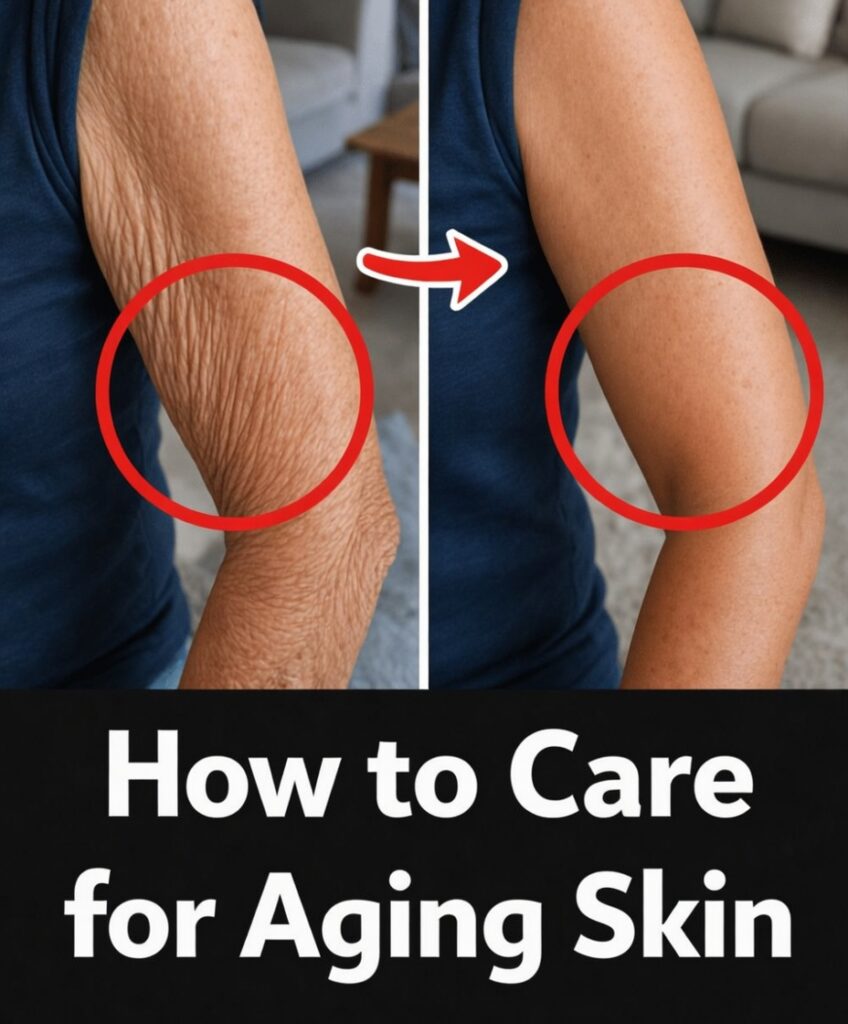
Caring for Aging Skin: A Simple, Science-Backed Guide to a Healthier Glow
With age, skin naturally becomes thinner, drier, and less elastic, making fine lines, wrinkles, and uneven tone more noticeable. It can be discouraging to see changes that weren’t there years ago—especially when your skin feels tight, looks dull, or seems slower to “bounce back.”
The encouraging part: with consistent, gentle skincare and a few supportive lifestyle habits, you can improve comfort, strengthen your skin barrier, and maintain a more radiant look at any age.
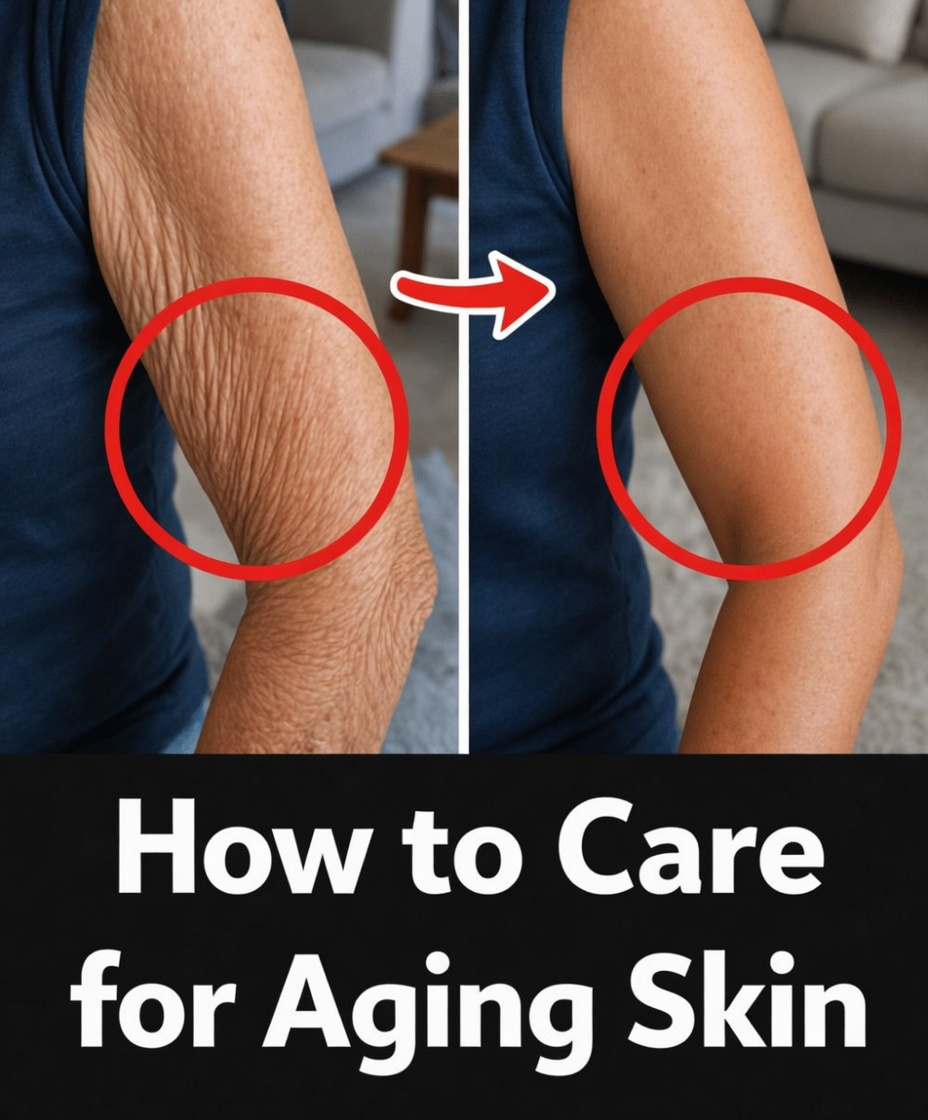
The Core Routine for Mature Skin: Cleanse, Hydrate, Protect
Mature skin typically responds best to steady, non-aggressive care rather than harsh treatments.
Start with a mild cleanser morning and night—ideally one that avoids alcohol and strong sulfates. These formulas lift away sweat, sunscreen, and impurities without stripping the natural oils your skin increasingly needs over time.
Next comes the step that matters most for aging skin: hydration.
Why Hydration Becomes Essential as You Age
As the years go by, skin tends to produce less oil and moisture, which contributes to dryness and that “tight” feeling. Dermatology sources, including insights commonly referenced by organizations such as the National Institute on Aging, point to hydration as key for supporting the skin barrier and reducing dryness-related irritation.
When choosing moisturizers or serums, prioritize ingredients with strong evidence and broad tolerance:
- Hyaluronic acid: A humectant that pulls water into the skin to improve a plumper, smoother look.
- Ceramides: Barrier-supporting lipids that help lock in moisture and protect against irritants.
- Skin-friendly plant oils (jojoba, argan, rosehip): Help replenish softness and support elasticity by mimicking natural skin oils.
Apply moisturizer while skin is slightly damp to help seal in water.
Quick tip: Press or pat products into the skin instead of rubbing to minimize pulling on delicate areas.
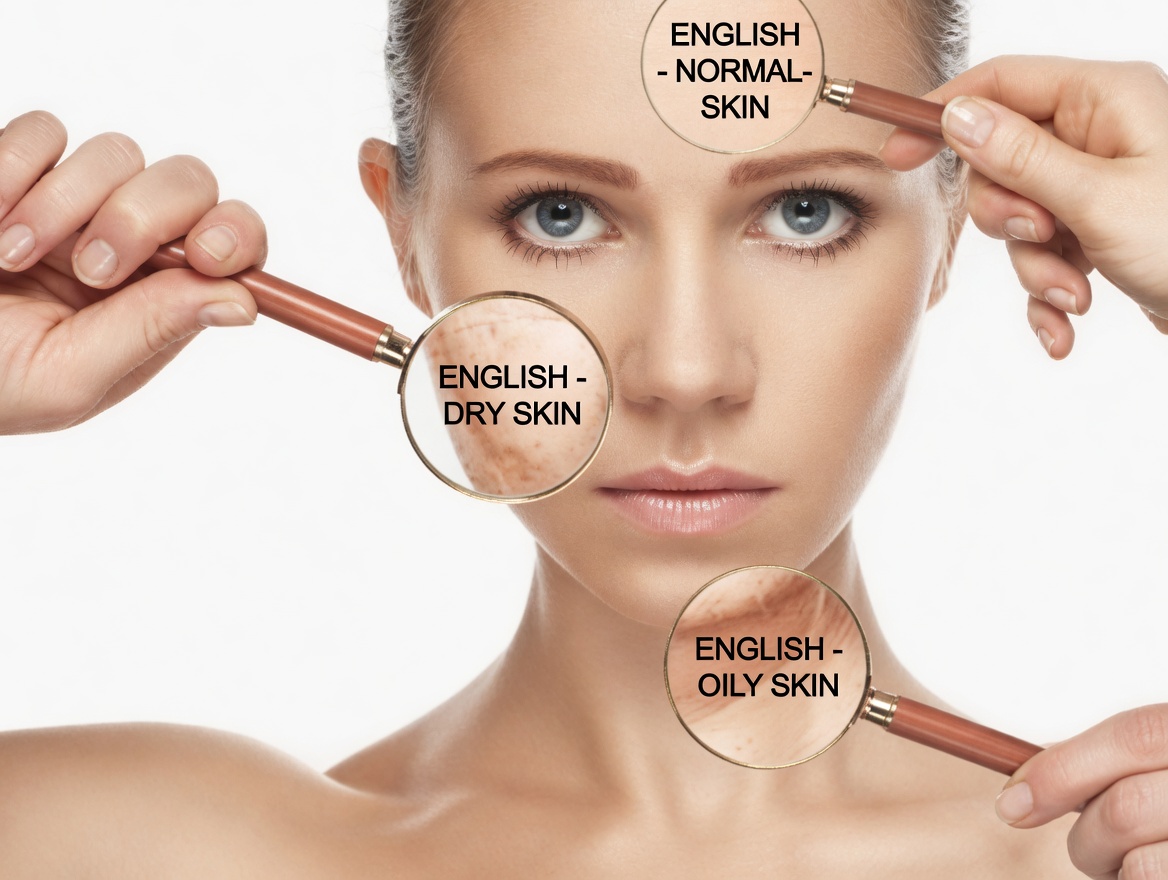
Choosing Anti-Aging Ingredients That Actually Help (Without Overdoing It)
You don’t need a crowded shelf. Mature skin usually does better with a few proven actives used consistently.
Dermatologists frequently recommend the following:
- Retinol (or gentler retinoids): Encourages cell turnover and helps soften the look of fine lines. If you’re new to it, begin with a low strength and use it less often at first.
- Vitamin C: A powerful antioxidant that helps brighten and defend against environmental stressors.
- Peptides: Support the skin’s structure by promoting healthier-looking firmness over time.
When applying serums or creams, use gentle upward strokes. A light massage can support circulation and may help products spread more evenly.
Easy routine guide
- Morning: Vitamin C serum + moisturizer + broad-spectrum sunscreen
- Evening: Retinol or peptide product + a more nourishing moisturizer
Introduce new actives slowly and patch-test to reduce the risk of irritation.
Areas Many People Forget (But Age Quickly)
The face gets most of the attention, yet a few zones often reveal aging sooner when neglected:
- Eye area: Choose lightweight, fragrance-free hydration to avoid irritation and puffiness.
- Lips: Use a conditioning balm often to prevent dryness and maintain softness.
- Neck and décolletage: Extend your facial routine downward—skin here is thin and prone to texture changes.
Treating these regions as part of your standard routine creates a more balanced, cohesive appearance.
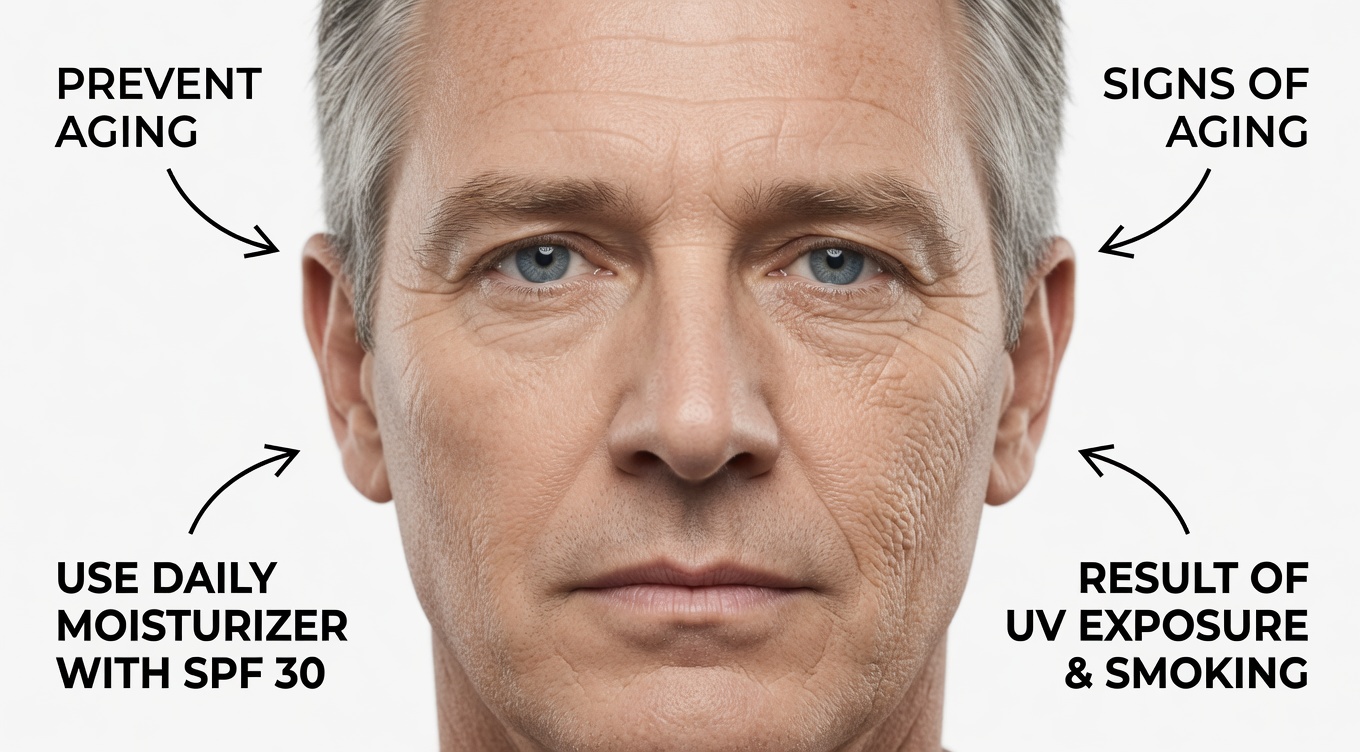
Sunscreen: The Most Powerful Daily Step for Aging Skin
UV exposure is one of the biggest drivers of visible skin aging over time. A broad-spectrum SPF 30+ should be applied every day—even when it’s cloudy or you’re indoors, since UV rays can pass through windows.
Health experts, including Harvard Health, regularly emphasize that daily sun protection helps reduce the appearance of wrinkles, dark spots, and loss of firmness.
Strengthen your sunscreen habit with practical protection:
- Wear wide-brim hats and UV-protective sunglasses
- Seek shade during peak hours (roughly 10 a.m. to 4 p.m.)
No anti-aging product can outperform consistent sun protection.
Nourish Your Skin from Within: Diet Choices That Support Radiance
Skincare doesn’t stop at the sink. Research links antioxidant-rich eating patterns with improved resilience against oxidative stress.
Add these foods regularly:
- Berries, carrots, spinach, avocado: Rich in antioxidants like vitamins A and C.
- Green tea: Contains protective polyphenols.
- Omega-3 sources (chia seeds, flaxseeds, fatty fish): Support elasticity and help calm inflammation.
- Probiotic foods (plain yogurt and other fermented options): May support a balanced skin microbiome.
Evidence from nutrition reviews suggests higher intakes of vitamin C and healthy fats correlate with better overall skin appearance. Topicals help—but they can’t fully replace a nutrient-dense diet.
Lifestyle Habits That Multiply Skincare Results
Daily choices add up and often show directly on the skin:
- Drink enough water throughout the day to support hydration.
- Aim for 7–8 hours of quality sleep, when skin recovery is most active.
- Avoid smoking and limit alcohol, which can worsen dryness and speed collagen breakdown.
- Reduce stress with walking, gentle movement, breathing exercises, or yoga.
The “surprising” habit many overlook
Gentle exfoliation 1–2 times per week can remove dull surface buildup and help skin look brighter—just keep it mild and follow with extra hydration to protect the barrier.
Conclusion: Healthy, Comfortable Skin at Every Age
Skincare for mature skin isn’t about perfection. It’s about supporting your skin’s natural function with hydration, sun protection, well-chosen actives, smart nutrition, and consistent habits. With time and consistency, many people notice skin that feels calmer, looks brighter, and stays more resilient day to day.
Start small: commit to one upgrade—like daily SPF or a barrier-supporting moisturizer—and build from there.
Frequently Asked Questions (FAQ)
-
When should I start an anti-aging skincare routine?
Anytime. Sun protection and hydration in your 20s or 30s are powerful preventive steps, but improving your routine later still helps comfort, texture, and appearance. -
Is retinol safe for sensitive mature skin?
Often yes, but start low, use it at night, and buffer with moisturizer. If you’re unsure or have a skin condition, check with a dermatologist. -
Can diet alone improve aging skin?
Diet makes a real difference—especially antioxidants and healthy fats—but it works best alongside topical skincare and daily sunscreen.
Disclaimer: This content is for informational purposes only and does not replace medical advice. Skin needs vary by person. Consult a dermatologist or qualified healthcare provider for personalized guidance, especially if you have skin conditions or plan to start new active ingredients.