Everyday Skin, Hair, and Laundry Emergencies (and Why Aspirin Keeps Coming Up)
A surprise pimple on the eve of a big event, itchy mosquito bites after a sunny afternoon outdoors, or stubborn sweat marks on a favorite shirt can ruin your momentum fast. When you need a quick solution, it’s easy to try whatever is already in the house—only to feel frustrated when results are slow or inconsistent.
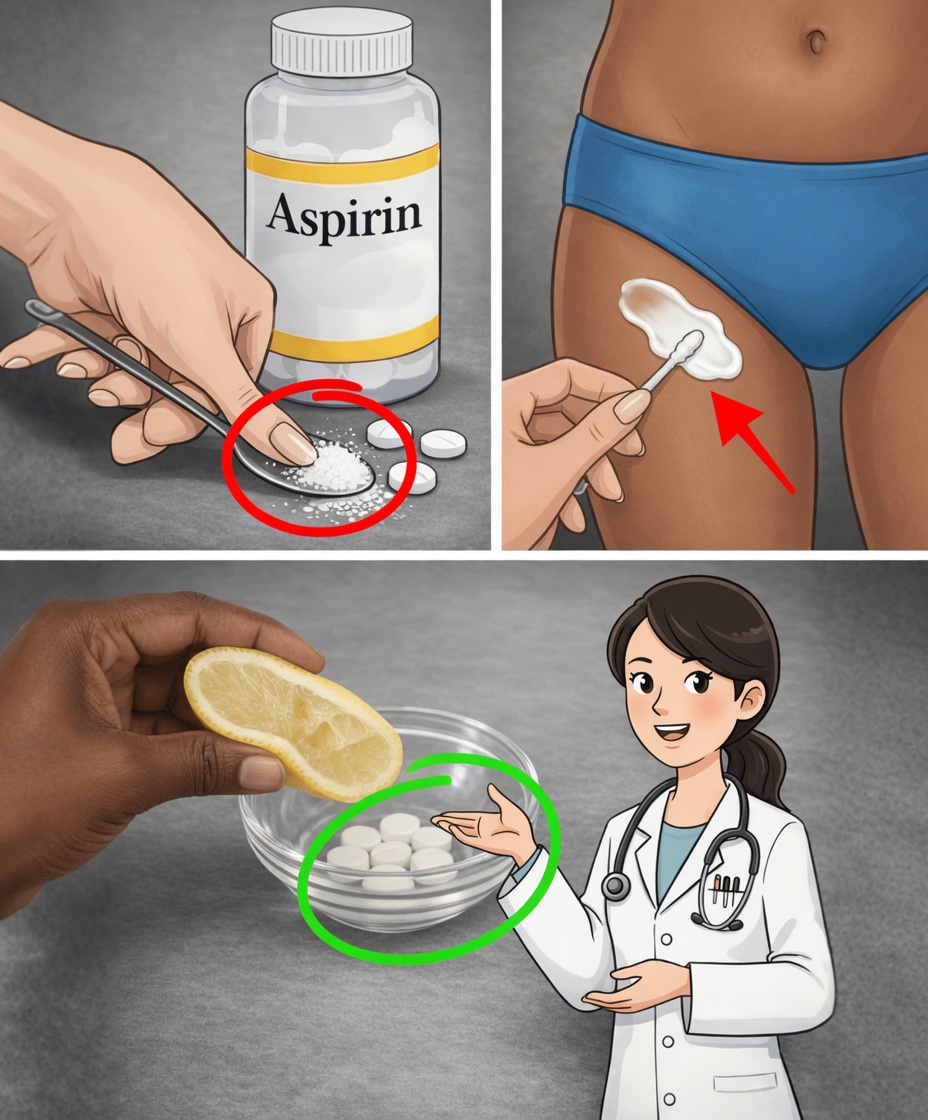
One item that often appears in online conversations is aspirin, mainly because it contains acetylsalicylic acid, a compound related to salicylic acid (a well-known ingredient in many skincare and scalp products). That connection has fueled a wave of DIY “aspirin hacks.” However, there’s a crucial safety warning later in this article that matters—especially for topical use.
Why DIY Aspirin “Hacks” Became So Popular
Modern routines are packed, and small problems—like a sudden blemish, scalp flakes, or clothing stains—can feel disproportionately annoying. Aspirin is inexpensive, widely available, and often already in a medicine cabinet, so people naturally experiment with it.
The interest isn’t random: salicylic acid is frequently discussed by dermatology resources (including the American Academy of Dermatology) for its role in gentle exfoliation and calming when used in properly formulated products. In addition, medical references such as MedlinePlus discuss salicylic acid in contexts related to supporting skin shedding and reducing buildup.
It’s important to separate what’s established from what’s assumed:
- Salicylic acid in formulated products has meaningful research and standardized concentrations.
- Crushed aspirin used topically has far less direct evidence, and experiences are mostly anecdotal.
Still, because the “entry cost” is low, these methods continue to spread through beauty forums and home-care tips.
The Science Behind the Curiosity
Aspirin is known for anti-inflammatory effects when used as directed. Its chemical relationship to salicylic acid is a big reason people try making DIY pastes or rinses for minor cosmetic concerns.
Salicylic acid is commonly used in over-the-counter products to:
- Help unclog pores
- Support surface exfoliation
- Reduce mild irritation and visible redness in some cases
That’s why aspirin experiments often focus on quick spot applications, scalp use, or even fabric soaking. However, many dermatologists prefer lab-formulated products because they offer:
- More consistent dosing and stability
- Better safety testing
- Lower risk of unexpected irritation
Individual outcomes can vary significantly, and some people experience dryness or sensitivity instead of improvement.
Popular Aspirin Tricks (What People Commonly Try)
Below is a clear snapshot of the most frequently shared aspirin ideas, along with the reasoning people usually cite:
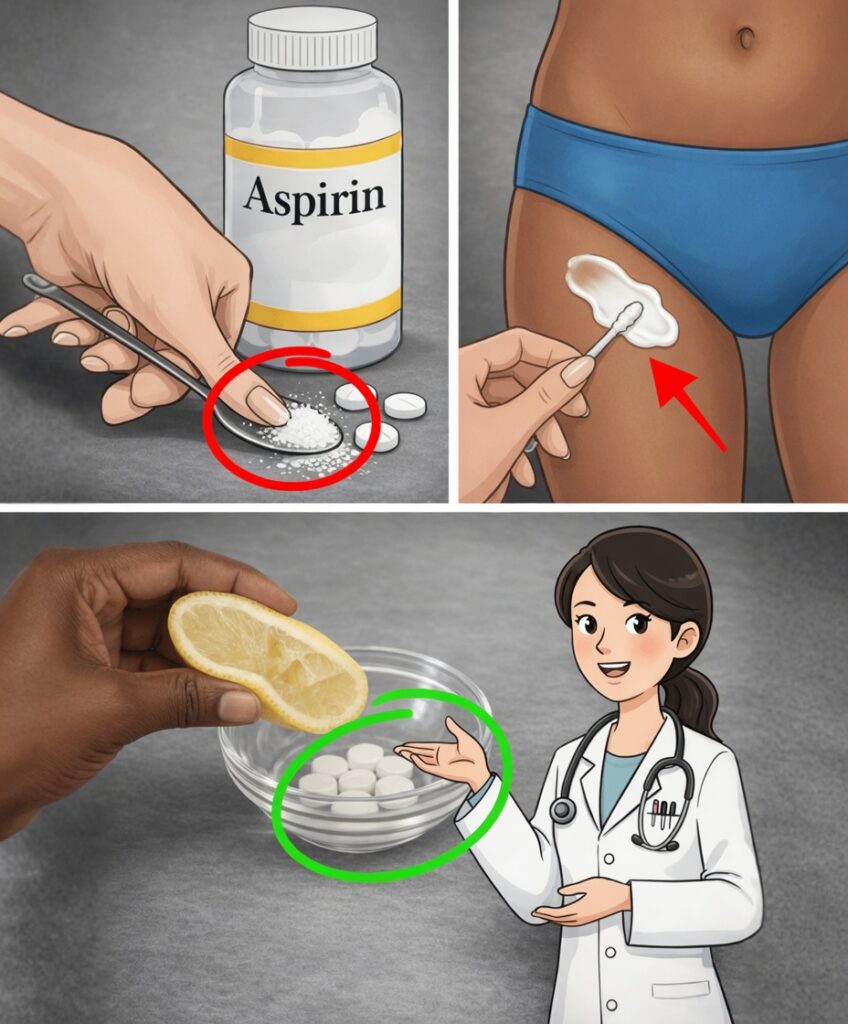
- Breakout spot paste: Crush uncoated aspirin, mix with water, apply briefly to a blemish. Often linked to salicylic-acid-like exfoliation; some report short-term calming.
- Insect bite dab: Make a paste and apply to bites. Users claim it may temporarily reduce itching due to anti-inflammatory associations.
- Dandruff add-in: Mix crushed tablets into shampoo. Inspired by salicylic acid shampoos used for scalp flaking.
- Callus softening paste: Combine powder with lemon juice or water and apply to rough areas. Similar in concept to exfoliating foot treatments.
- Sweat stain soak: Dissolve tablets in warm water and soak fabric. Commonly shared as a way to loosen residue.
- Hair “shine” rinse: Use a diluted aspirin-water rinse after shampooing. Some claim it helps clarify buildup for a fresher look.
These uses highlight how versatile people believe aspirin can be—but results depend heavily on skin type, exposure time, frequency, and sensitivity.
What Many Women Say After Trying These Methods
In shared personal stories, women sometimes describe small, practical improvements such as:
- A blemish looking less angry for a short period
- Bites feeling less itchy, reducing the urge to scratch
- Clothes seeming cleaner or brighter after soaking
- Feet feeling smoother with repeated, careful care
- Scalp feeling more balanced after occasional use
The appeal is obvious: these are simple experiments using something already at home. But because reactions vary, a cautious approach matters more than enthusiasm.
How to Try These Aspirin Ideas More Safely (Step-by-Step)
If you decide to test any method, start conservatively. Patch test first on the inner arm and wait 24 hours before applying anywhere else.
For Occasional Breakout Spots (Spot-Only)
- Use uncoated aspirin tablets.
- Crush 1–2 tablets into a fine powder.
- Add a few drops of water to make a paste.
- Apply only on the blemish for 10–15 minutes.
- Rinse with lukewarm water and apply moisturizer.
For Mild Dandruff Support (Occasional Use)
- Crush 2–3 tablets into powder.
- Mix into a single-use amount of your shampoo.
- Massage into the scalp and leave for 2–3 minutes.
- Rinse thoroughly.
For Foot Callus Softening
- Crush several tablets into powder.
- Mix with a small amount of lemon juice or water to form a paste.
- Apply to clean, dry callused areas only.
- Cover loosely with a towel for 10–15 minutes.
- Rinse, gently file, then moisturize.
For Sweat Stain Removal (Fabric Soak)
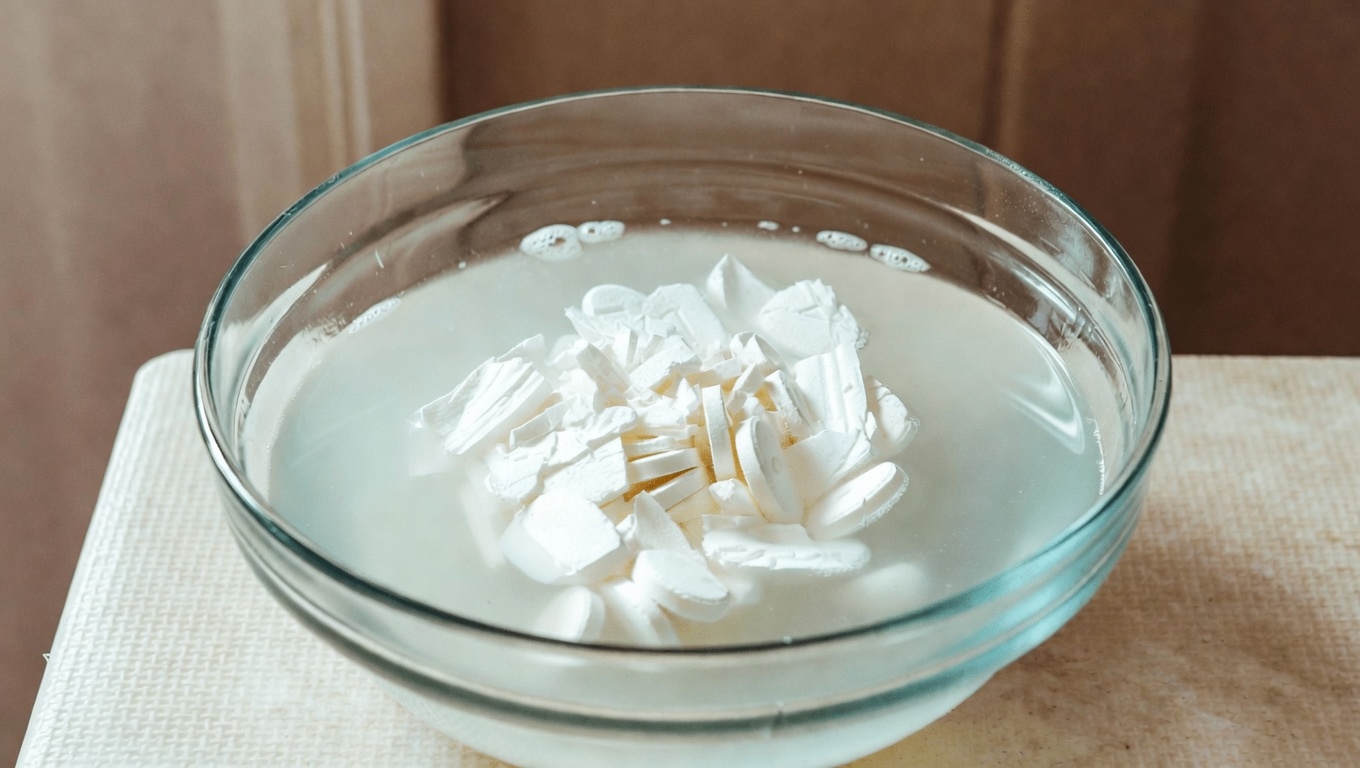
- Dissolve 4–5 tablets in a basin of warm water.
- Soak the stained clothing for a few hours or overnight.
- Wash normally afterward.
For a Hair “Shine” Rinse (Clarifying-Style Rinse)
- Dissolve 5–8 tablets in a cup of warm water.
- Pour over clean, shampooed hair as a final rinse.
- Do not rinse again (if irritation occurs, rinse immediately and discontinue).
Important precautions
- Use uncoated tablets only
- Avoid broken skin, open cuts, and very sensitive areas
- Don’t overuse—too much can lead to dryness and irritation
- Stop immediately if you feel burning, itching, or see worsening redness
What to Do Next
If you’re interested, choose one method (not several at once) and test gently over 1–2 weeks while monitoring your skin, scalp, or fabrics. These trends are largely inspired by the known role of salicylic acid in formulated products—but DIY aspirin use is still an experiment, not a guaranteed fix.
Frequently Asked Questions
How fast do people usually notice changes?
Reports vary. Some people claim they see temporary calming within a day or two, while others notice no visible difference even after a few weeks.
What side effects should I watch for?
Common issues include dryness, redness, stinging, and irritation, especially if you have sensitive skin. Stop using it if discomfort appears.
Can I combine several aspirin tricks or use them often?
It’s better to try one approach at a time, keep frequency low, and avoid repeated applications that can over-dry skin or irritate the scalp.
Safety and Medical Disclaimer (Read This)
This article is provided for informational purposes only and is not medical, dermatological, or professional advice. These DIY methods are popular, experience-based ideas—not proven treatments. Topical aspirin use is off-label and may cause irritation, allergic reactions, or other complications. Always patch test first, and avoid use entirely if you have allergies to aspirin, salicylates, or NSAIDs. Consult a healthcare professional or dermatologist before trying any of these methods—especially if you have skin conditions, are pregnant, breastfeeding, or take medications. For more predictable outcomes, consider professionally formulated products designed for skincare, scalp care, or stain removal.