
Many women notice occasional vaginal discomfort—such as itching, mild irritation, or changes in odor—especially after age 30 or after childbirth. These concerns are often linked to shifts in the vaginal microbiome, natural pH changes, hormones, and everyday habits (including hygiene routines). While many feminine care products promise quick relief, some can unintentionally disturb the body’s natural balance and leave you feeling stuck in a cycle of recurring irritation.
A gentle, traditional alternative is an external warm soak made with whole cloves. This simple clove water sitz bath routine avoids harsh chemicals and may help support comfort and freshness as part of regular self-care.

Why Vaginal Discomfort Can Increase After 30 or Postpartum
Life stages such as postpartum recovery, perimenopause, or long-term stress can make intimate skin feel more reactive than it used to. Even minor imbalances may affect your daily confidence—whether you’re wearing fitted clothing, exercising, or trying to feel relaxed during intimacy.
Many people turn to:
- Scented wipes and washes
- “Feminine” cleansers
- Supplements marketed for vaginal health
Results vary widely, and sensitive skin may become more irritated with frequent product switching.
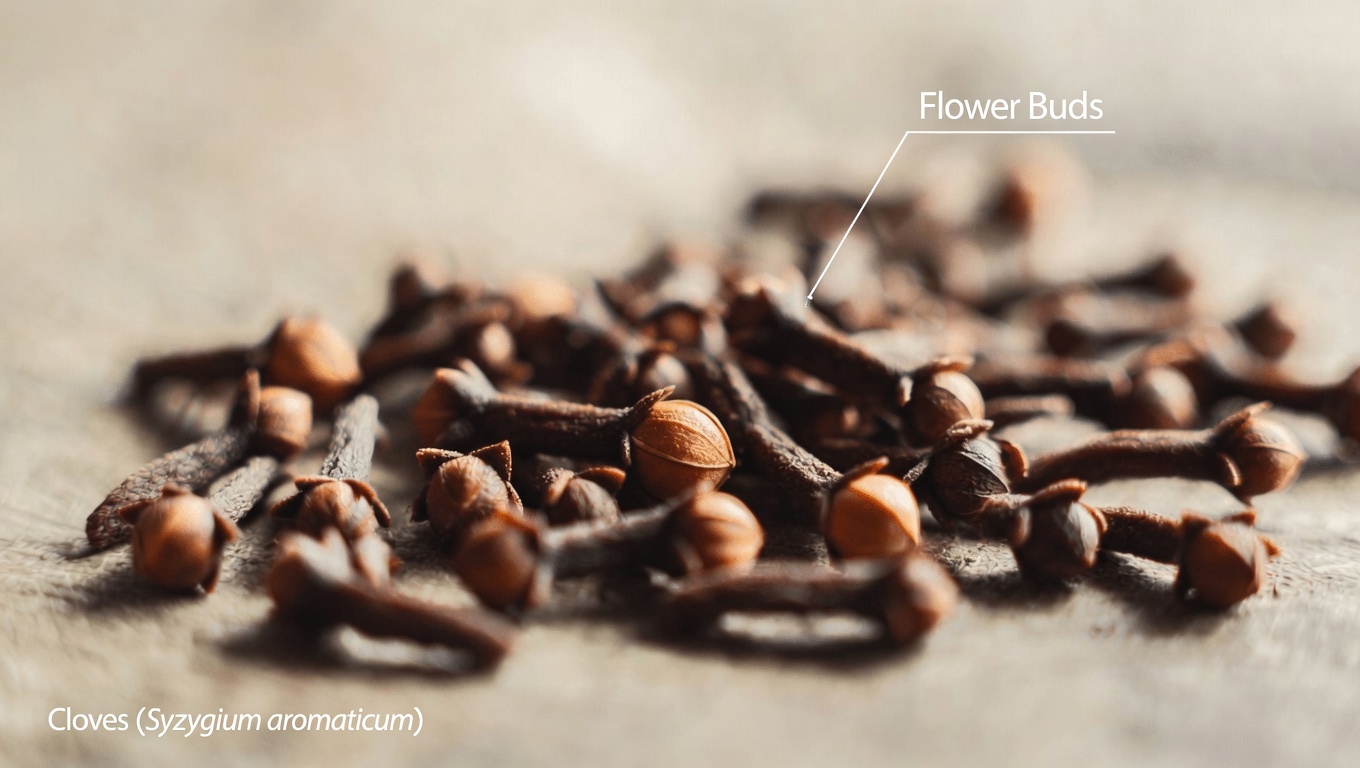
Across multiple cultures, herbal external soaks have been used for perineal care for generations. Cloves (Syzygium aromaticum) are especially interesting because they contain eugenol, a natural compound studied for antimicrobial and soothing properties in lab settings.
What Makes Cloves Interesting for External Care?
Research on clove and eugenol (primarily in vitro and lab models) suggests:
- Broad activity against certain bacteria and fungi
- Potential for less disruption of beneficial flora in some controlled comparisons
- Notable anti-inflammatory and soothing potential
This is why clove-infused warm water has gained attention as a low-cost, low-fragrance option for those seeking gentler external support.
Clove Water Sitz Baths: What They Are and Why They’re Trending
A clove water sitz bath involves steeping whole cloves in warm water, then using the infusion for a shallow soak that covers only the external perineal area.
Even without herbs, warm sitz baths are widely used for comfort because heat can:
- Encourage circulation
- Ease tension
- Support relaxation during recovery (including postpartum)
Adding cloves introduces aromatic compounds (including eugenol) that may provide additional support for mild external concerns.
Importantly, clove water sitz baths are popular among those who want an option that feels more selective than broad “antibacterial” washes that can contribute to imbalance.
Potential Benefits (Based on Research Insights + Traditional Use)
Below are common reasons women explore clove water sitz baths for external use only:
-
Supports a more comfortable external environment
- Some ethnopharmacology and lab discussions suggest clove infusions may help influence microbial activity in ways that support balance.
-
Gentle antimicrobial support
- Lab findings on clove extracts have shown activity against organisms often discussed in vaginal imbalance contexts (such as Candida albicans and certain bacteria), sometimes with less impact on beneficial Lactobacillus in controlled tests.
-
Soothing postpartum or perineal tenderness
- Warm herbal soaks have long been used to ease external discomfort related to swelling, hemorrhoids, or minor tissue sensitivity after childbirth (where appropriate and approved by a clinician).
-
Everyday freshness without heavy fragrance
- Many prefer clove water as an alternative to perfumed products, especially when trying to avoid masking scents.
-
Fast comfort for mild itching or irritation
- Warm water can feel calming quickly, and clove’s natural compounds may add a soothing effect for mild external sensations.
-
May help with occasional external yeast flare-ups
- Clove’s antifungal research profile is a key reason some people try it for periodic issues—again, externally only.
-
May calm localized sensitivity
- Some holistic practitioners note that warm herbal soaks can be comforting for specific tender areas (though any persistent lump, cyst, or gland swelling should be assessed medically).
-
Supports moisture comfort
- By reducing low-grade irritation, some people report improved overall comfort day-to-day.
-
May help reduce recurring discomfort when used consistently
- Anecdotally, consistent gentle routines are often linked to fewer “on-and-off” irritation cycles.
-
Post-intimacy comfort
- A warm external soak may help you feel more comfortable after temporary changes triggered by friction, sweat, or product residues.
- Menstrual-time external comfort
- Warm sitz baths can feel soothing around the pelvis and may support general comfort during menstruation.
- Confidence through routine
- Many people value the predictability of a simple ritual rather than constantly switching products.

A Simple 30-Day Clove Sitz Bath Protocol (External Use Only)
What you’ll need
- Whole cloves: 15–25 cloves per session
- Large pot
- Shallow basin or sitz bath insert
Step-by-step directions
-
Make the infusion
- Bring 2 quarts (about 2 liters) of water to a boil.
- Add the cloves, turn off heat, and steep 10–15 minutes.
- Strain if you prefer a clearer infusion.
-
Set up your bath
- Pour into a basin and allow it to cool to a comfortable range: 100–104°F (38–40°C).
- Sit so the water covers the external perineal area only.
-
Soak
- Relax for 12–15 minutes.
-
Dry gently
- Pat dry with a clean towel (avoid rubbing).
Suggested weekly rhythm (adjust to your body)
- Week 1: Every other day
- Week 2: 3 times per week
- Week 3: 2–3 times per week
- Week 4: 1–2 times per week (maintenance)
Quick Comparison: Clove Water vs. Common Alternatives
-
Scented wipes
- Speed: immediate
- Duration: hours
- Cost: higher
- Balance disruption risk: often
-
Boric acid suppositories
- Speed: hours to days
- Duration: days
- Cost: moderate
- Balance disruption risk: sometimes
-
Tea tree–based products
- Speed: hours
- Duration: days
- Cost: higher
- Balance disruption risk: frequently (especially on sensitive tissue)
-
Clove water sitz bath
- Speed: minutes
- Duration: about 24–72 hours (varies)
- Cost: very low
- Balance disruption risk: less commonly reported (still possible for sensitive skin)
Practical Tips to Improve Results
- Reuse cloves up to 3 times if you refrigerate the infusion between uses and rewarm gently.
- For cramp-time comfort, some people add a small amount of Epsom salt (stop if it stings).
- If you feel extra sensitive, rinse externally with plain water afterward.
- Postpartum, a peri bottle can help apply the infusion externally in a targeted way (only if approved by your healthcare provider).
What You Might Notice After 30 Days
With consistent use, many people hope for a routine that supports:
- Less day-to-day irritation
- More confidence in clothing and movement
- A fresher feeling without heavy fragrance
If you decide to try it, start with one gentle soak and pay attention to how your body responds.
FAQ
How often can I do a clove sitz bath?
Many people find 2–4 times per week helpful. If you’re new to it, begin slowly (for example, once or twice weekly) and adjust based on comfort.
Is clove water safe during pregnancy or postpartum?
Check with your healthcare provider first—especially if you’re pregnant, have stitches, are healing from tearing, or have any active symptoms.
What if I have very sensitive skin?
Patch-test a small area first. Use a weaker infusion (fewer cloves or more water) and discontinue if you notice burning, increased irritation, or rash.
Disclaimer
This article is for informational purposes only and does not replace medical advice. Consult a qualified healthcare provider before starting any new intimate care routine, particularly if you are pregnant, postpartum, or managing ongoing symptoms or a medical condition.