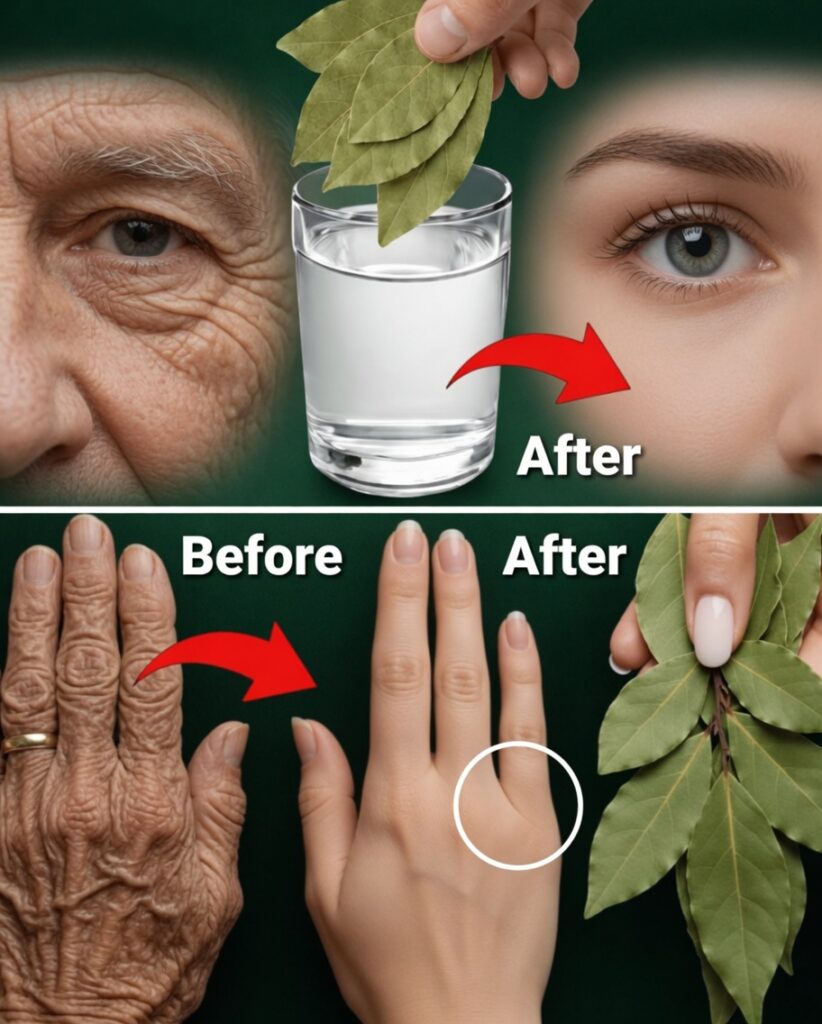
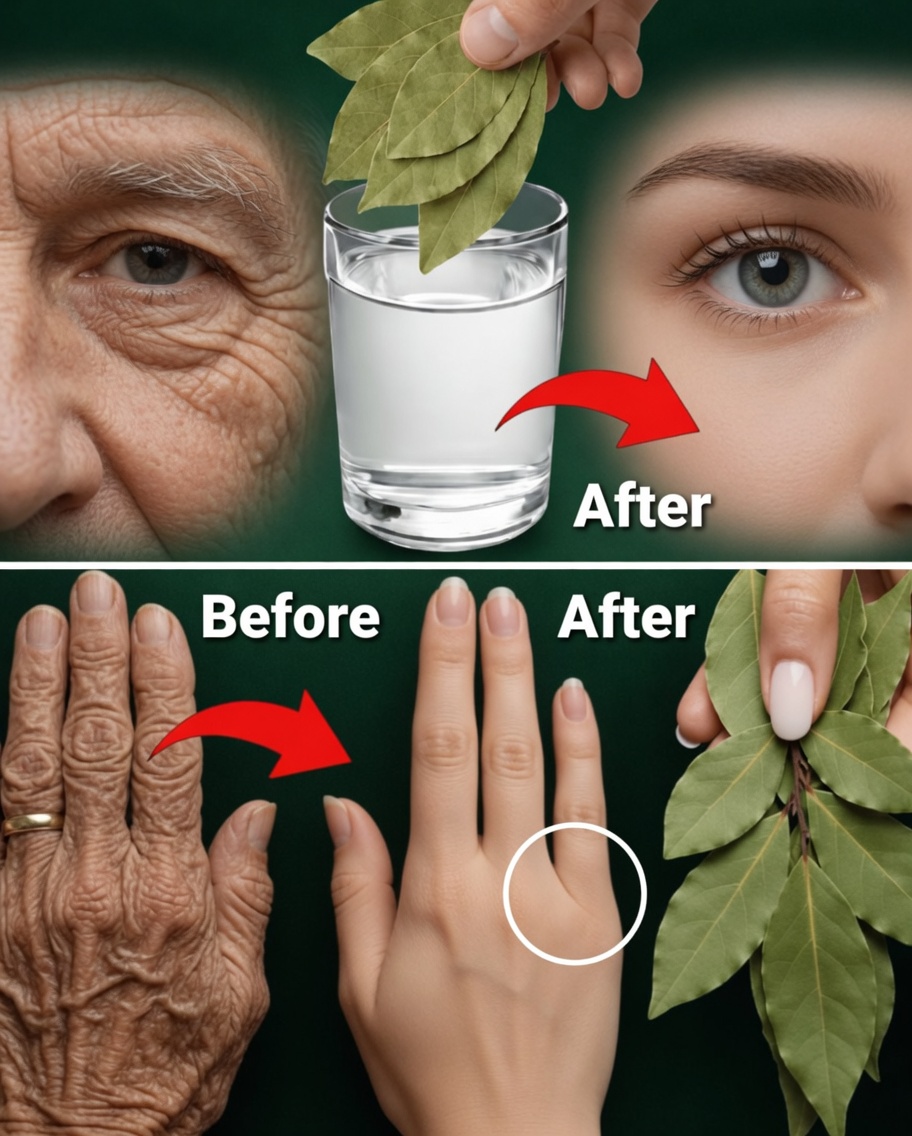
Fine lines near the eyes, a softer jawline, and skin that suddenly feels drier than it used to—these are familiar changes for many adults over 50. In fact, surveys consistently show that a large share of people in this age group worry about visible skin aging, including uneven tone, reduced smoothness, and loss of firmness. While moisturizers, serums, and in-office treatments remain popular, a growing number of people also look for gentle, natural additions that can support skin comfort without overcomplicating their routine.
What if bay leaf (Laurus nobilis)—a common kitchen spice—could play a small supporting role? Traditional Mediterranean use and early research into its antioxidant and soothing profile suggest it may be worth exploring as a complementary step. Below, you’ll find what science implies about bay leaf’s bioactive compounds, plus practical, safer ways to use it at home—so you can decide whether it deserves a place in your skincare routine.
Why Skin Changes With Age—and Why Natural Skincare Solutions Attract Attention
Starting in midlife, the skin’s “renewal engine” gradually slows down:
- After about age 40, the body produces roughly 1% less collagen per year.
- Elastin fibers weaken over time, reducing that “snap-back” feel.
- Cell turnover slows, which can make skin look less even and feel rougher.
- Long-term sun exposure increases oxidative stress (free-radical damage).
- Natural moisture factors decline, often leading to dryness and increased sensitivity.
Most effective routines still rely on basics—daily sunscreen, gentle cleansing, and consistent hydration. Natural botanicals become appealing because they can feel approachable and mild, especially when someone wants supportive care rather than aggressive change.
Bay leaf contains a range of naturally occurring compounds, including eugenol, linalool, 1,8-cineole (eucalyptol), and various phenolics and flavonoids. Much of the research is in vitro or preclinical, but it frequently points to antioxidant activity and anti-inflammatory potential—two properties commonly associated with improved skin resilience against environmental stress.
What Research Suggests About Bay Leaf’s Bioactive Profile
Multiple reviews and lab-based studies have described bay leaf extracts as having notable radical-scavenging capacity in standard antioxidant assays. While human clinical trials specifically studying bay leaf for skin aging are limited, the overall profile—antioxidant + soothing potential—fits well with goals like maintaining comfort, supporting barrier health, and reducing the impact of everyday exposure to UV and pollution (without replacing sunscreen).
6 Ways Bay Leaf May Support Skin Wellness (Complementary, Not a Cure)
The points below reflect the most common areas of interest connected to bay leaf’s compounds. Think of these as supportive benefits, not guaranteed outcomes or standalone solutions.
1) Antioxidant support for healthier-looking skin over time
Daily oxidative stress can contribute to visible aging. Bay leaf’s phenolics, flavonoids, and eugenol have shown antioxidant capacity in lab settings, helping neutralize free radicals. Over time, this may support a healthier environment for skin function—especially when combined with proven essentials like sunscreen and a balanced routine.
2) Potential help for moisture and skin barrier comfort
As skin matures, it often loses lipids and hydration-supporting components, increasing tightness and flaking. Bay leaf has a history of traditional “soothing rinse” use, and antioxidant effects may indirectly support barrier performance in models. Many people who use cooled bay leaf tea as a gentle toner describe skin that feels softer and less dry.
3) Extra support against environmental stressors (UV and pollution)
Pollution and UV exposure generate reactive oxygen species that can affect tone and texture. Compounds like eugenol and 1,8-cineole have demonstrated free-radical scavenging in research, and some models suggest photoprotective potential. Important: this is not a replacement for SPF, but it may add a small layer of supportive care.
4) Soothing benefits for stressed or reactive-feeling skin
Repeated facial movement is normal and contributes to dynamic expression lines. Bay leaf’s traditional soothing reputation aligns with anti-inflammatory findings in experimental models. Some users report that gentle massage with a properly infused oil leaves skin looking more relaxed—subtle, not dramatic.
5) Support for the look of firmness and elasticity
Elastin and collagen are key to firmness. While direct human evidence for bay leaf is limited, antioxidant compounds are often studied for their ability to help protect structural components from oxidative stress. With consistent topical use, some people notice slightly improved “definition” around facial contours.
6) Overall hydration + comfort as a daily routine enhancer
At its core, bay leaf use in skincare is often about comfort: reducing the feeling of dryness, supporting a calmer look, and adding a gentle ritual that’s easy to maintain.
Safe, Practical Ways to Use Bay Leaf at Home
Before trying any DIY skincare, prioritize safety:
- Patch test first: apply a small amount to the inner arm and wait 24 hours.
- Avoid using undiluted essential oils. If you use them, they must be heavily diluted.
- Talk to a clinician if you have known allergies, eczema/rosacea tendencies, are pregnant, or take medications that increase sensitivity.
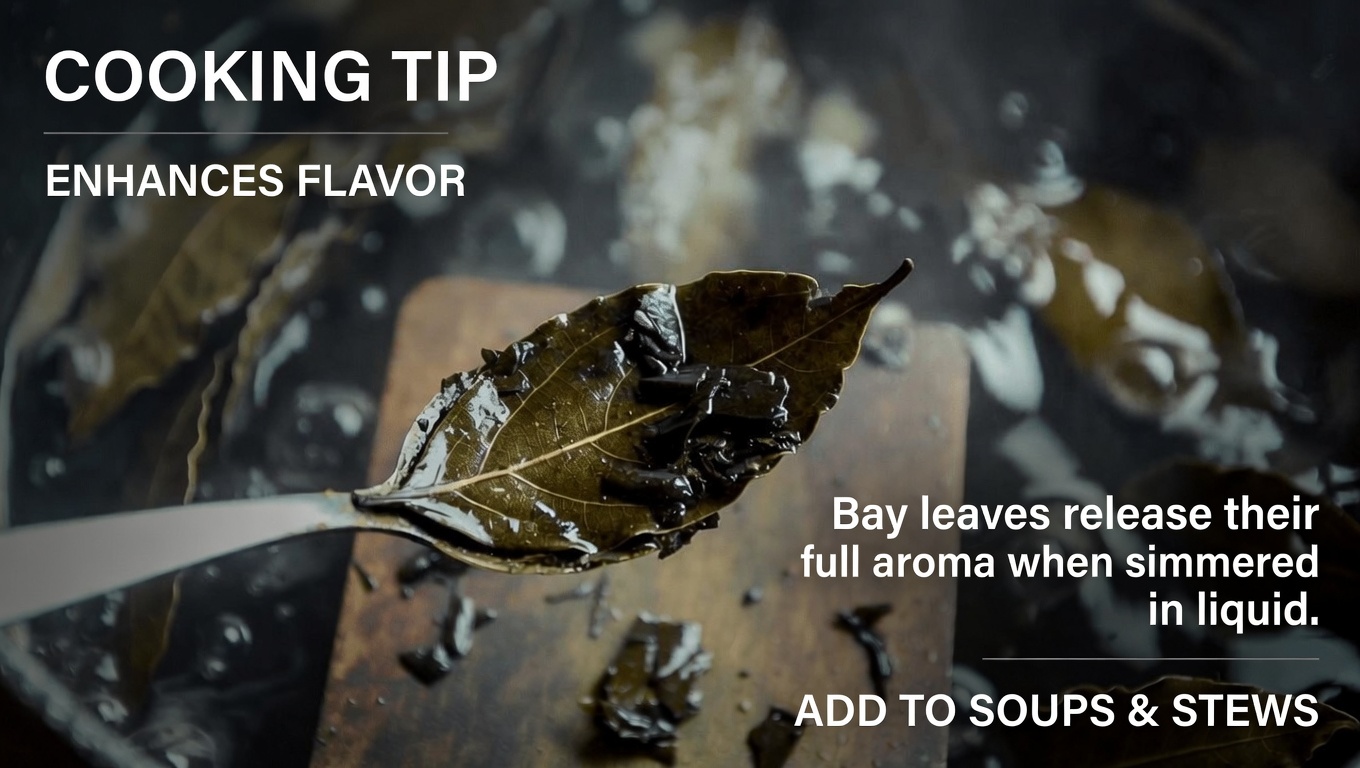
Bay leaf–infused oil (commonly used at night)
- Lightly crush 10–15 dried bay leaves.
- Add to a clean jar with 100 ml of a carrier oil (e.g., olive or jojoba).
- Seal and keep in a dark place for 1–2 weeks, shaking once daily.
- Strain well.
- Apply 2–3 drops to damp skin and massage gently upward. Use sparingly.
Bay leaf toner / facial mist
- Simmer 3–4 dried leaves in 2 cups of water for 10 minutes.
- Cool completely and strain.
- Pour into a clean spray bottle.
- Mist lightly after cleansing or apply with a cotton pad.
Simple bay leaf mask (up to 2 times per week)
- Grind 4–5 dried leaves into a fine powder (or use pre-ground).
- Mix with honey or yogurt until it forms a spreadable paste.
- Apply for 15–20 minutes, then rinse gently.
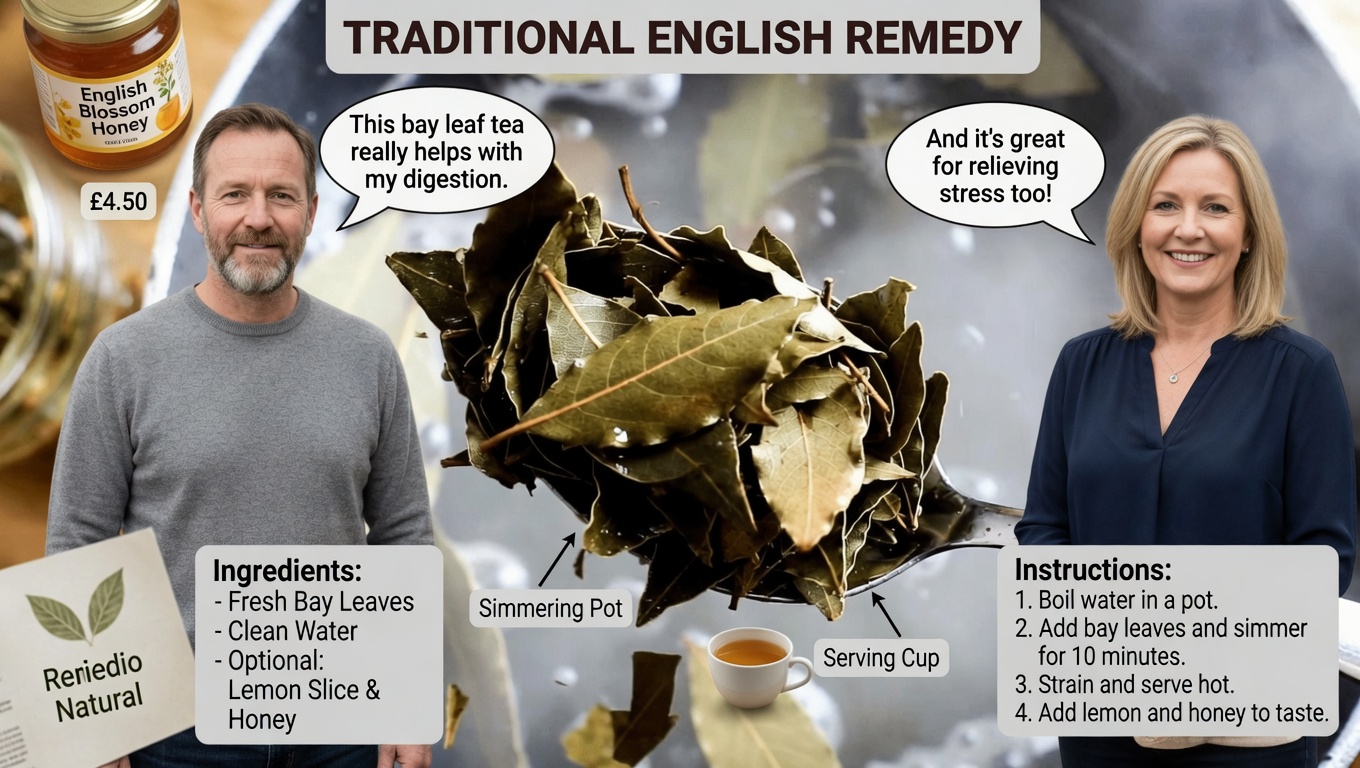
Bay leaf tea (internal, complementary option)
- Steep 1–2 leaves in hot water for 5 minutes.
- Limit to 1 cup daily as a general wellness habit.
Bay Leaf vs. Common Alternatives
-
Bay leaf oil/toner
- Potential benefits: antioxidant + soothing + hydration support
- Pros: affordable, simple, kitchen-based
- Considerations: patch test required; possible sensitivity in some people
-
Commercial moisturizers
- Potential benefits: hydration and temporary surface plumping
- Pros: convenient; often well-formulated
- Considerations: cost varies; results differ by formula and skin type
-
Retinoids
- Potential benefits: collagen support with strong evidence for texture
- Pros: clinically established
- Considerations: irritation/dryness can occur, especially early on
-
Professional treatments
- Potential benefits: targeted reduction of lines and firmness support
- Pros: faster visible changes for some people
- Considerations: higher cost; more invasive; requires professional oversight
A Realistic Timeline to Evaluate Results
- Weeks 1–2: patch test, then begin toner or infused oil. Look for improved comfort and hydration.
- Weeks 3–6: add the mask 2x/week; consider tea if desired. Skin may feel smoother.
- Weeks 8–12: consistency matters most; subtle cumulative improvements are more realistic than quick transformations.
The main takeaway: bay leaf isn’t a rapid fix, but its antioxidant-rich profile may gently complement a solid routine, supporting skin comfort and resilience over time. Small, consistent steps usually deliver the best long-term satisfaction.
Medical Disclaimer
This article is for informational purposes only and does not provide medical advice. It does not diagnose, treat, cure, or prevent any condition. Consult a healthcare professional before starting new skincare routines—especially if you have sensitive skin, allergies, are pregnant, or take medications. These statements have not been evaluated by the FDA.
Frequently Asked Questions
Is bay leaf safe to apply to the face every day?
For many people, yes—if it’s properly diluted and you’ve done a patch test. Introduce it slowly and stop if irritation occurs.
Can people with sensitive skin use bay leaf?
Some can, but caution is essential. Eugenol may trigger sensitivity in certain individuals. If you notice redness, itching, or burning, discontinue.
Does bay leaf tea help skin health too?
It may contribute antioxidants internally, which can support overall wellness. It works best as a complement to topical care and proven basics like SPF.
P.S. If you already use a gentle morning antioxidant (such as a vitamin C serum), pairing it with a mild nighttime routine—like bay leaf–infused oil—may create a simple, supportive synergy without adding too many steps.