
Many adults—particularly those over 50—struggle with joint comfort when uric acid levels rise. Research on hyperuricemia shows it affects a sizable share of the population, and gout is reported in about 3.9% of U.S. adults, increasing with age. Common contributors include age-related declines in kidney function, dietary patterns, and lifestyle factors. Over time, this can show up as intermittent stiffness, swelling, or joint discomfort, sometimes disturbing daily activities and sleep.
When basic tweaks (like “drink more water” or “avoid trigger foods”) don’t fully solve the problem, it’s understandable to look for additional, practical habits. A growing body of evidence suggests that certain everyday beverages—particularly those providing antioxidants, vitamin C, or anti-inflammatory compounds—may support the body’s natural uric acid balance by helping with excretion, reducing production, or easing related inflammatory signals.
In this guide, you’ll find 10 drinks ranked from lower-impact options to stronger, research-supported choices, based on what studies suggest about their role in uric acid management.
Why Uric Acid Management Matters After 50
As we get older, the kidneys often become less efficient at filtering uric acid—some findings suggest a decline of roughly 25% compared with younger years. When uric acid accumulates, crystals can form in joints and tissues, increasing the likelihood of discomfort.
Medical guidance and lab monitoring are still essential, but lifestyle strategies can be valuable complements. Two themes appear repeatedly in research:
- Consistent hydration supports uric acid elimination.
- Specific nutrients and plant compounds may influence uric acid production and inflammation pathways.
Not all drinks offer the same level of support, though—so below, they’re organized from modest potential to the most strongly associated with benefits in studies.
10 Drinks Ranked for Uric Acid Support (From Mild to Strong)
10) Green Tea with Lemon: A Gentle Entry Point
Green tea contains catechins that provide light antioxidant support, while lemon adds vitamin C. Some research suggests small, gradual changes in uric acid with consistent intake, but the effect is usually limited—often in the low single-digit percentage range over longer observation periods.
This is an easy daily habit, but drinking large amounts may raise caffeine concerns for some older adults. It can be supportive, yet it rarely creates dramatic changes on its own.
9) Dandelion Tea: Mild Diuretic Assistance
Dandelion root is widely used as a natural diuretic, potentially increasing urine output and helping the body flush waste products. Evidence is still limited, but some observations report modest decreases (around 10–12%) after regular use over several weeks.
For best results, simmer the root for 10–15 minutes rather than simply steeping briefly. Benefits tend to be slow and subtle.
8) Cucumber Lemon Water: Hydration + Alkalizing Effect
Cucumber is about 95% water, making it a strong hydration tool, and lemon contributes vitamin C and an alkalizing effect after metabolism. Smaller studies suggest this combination may support uric acid solubility and excretion, with reported shifts around 15–18% when consumed consistently and generously.
Because it increases fluid intake, plan around the downside: more frequent bathroom trips, especially if you drink most of it late in the day.
7) Beet and Ginger Juice: Inflammation + Liver Support
Beets provide betaine, often linked to liver support, while ginger contains compounds associated with anti-inflammatory activity. Research frequently points to reductions in inflammation markers and possible support for filtration processes, though this option typically requires more effort to prepare.
It can be worthwhile for committed users, but taste preferences and the need for equipment may affect long-term consistency.
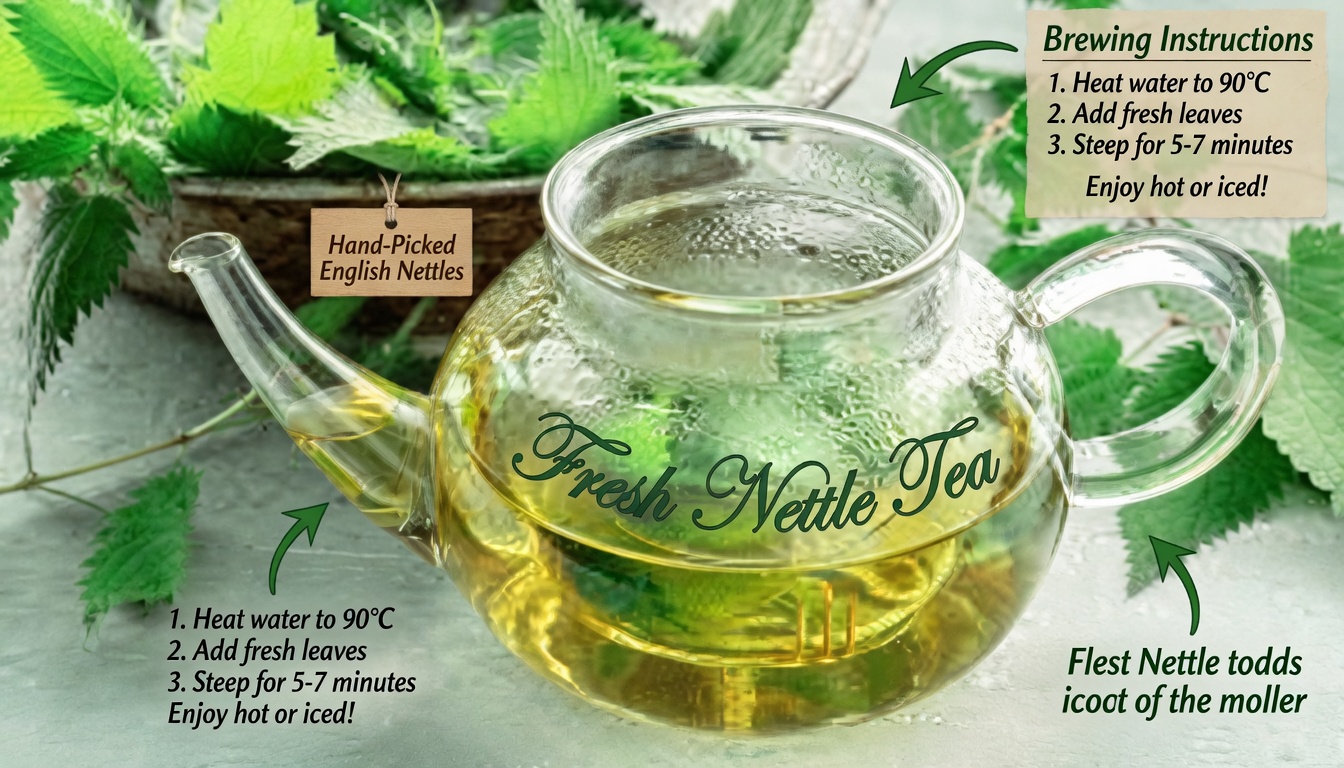
6) Nettle Tea: Possible Enzyme-Level Support
Nettle is studied for its potential influence on xanthine oxidase, an enzyme involved in uric acid production. Some meta-analyses suggest average reductions around 24%, and many people also report quicker improvements in joint comfort.
How to use:
- Steep dried nettle leaves for about 15 minutes
- Common routine: 2 cups per day
Important: nettle may interact with certain medications (including blood pressure drugs or blood thinners), so check with a clinician if you take prescriptions.
5) Celery and Cucumber Juice: Hydration + Circulation Support
Celery includes compounds such as 3-n-butylphthalide, which may support vascular relaxation and healthy fluid movement. Paired with cucumber, this drink targets both hydration and potential production/excretion pathways. Some studies associate this combination with changes around 28% over weeks.
Fresh preparation tends to work best, and many people prefer drinking it in the morning for more noticeable comfort support.
4) Pineapple, Turmeric, and Ginger Juice: Multi-Pathway Anti-Inflammatory Blend
This blend combines:
- Bromelain (pineapple)
- Curcumin (turmeric)
- Gingerols/shogaols (ginger)
Studies on similar anti-inflammatory combinations note improvements in inflammatory markers and support for excretion-related processes.
Simple approach:
- Blend fresh pineapple with turmeric and ginger
- Add a pinch of black pepper to improve curcumin absorption
Note: because some ingredients may slightly affect clotting, people already using blood-thinning medication should be cautious and consult a professional.

3) Apple Cider Vinegar (ACV) with Lemon and Honey: Gut-Linked Support
Raw ACV contains acetic acid, which is metabolized into compounds that may contribute to a more alkaline internal environment in some contexts. Observational reports connect consistent use with lower uric acid levels over several weeks, though results vary.
How to prepare:
- Mix 2 tablespoons of ACV with lemon juice and a little honey in warm water
- Many take it on an empty stomach
The biggest barrier is the taste, but it’s a common routine for those who tolerate it.
2) Tart Cherry Juice: Stronger Evidence for Enzyme-Related Effects
Tart cherries are rich in anthocyanins, which are studied for their ability to influence inflammation and potentially inhibit key enzymes involved in uric acid processes. Multiple studies and systematic reviews associate tart cherry intake with meaningful reductions in uric acid and fewer discomfort episodes—sometimes reaching notable percentage changes within weeks.
Typical researched use:
- Choose unsweetened tart cherry juice or concentrate
- A common studied amount is 8 oz twice daily (or an equivalent concentrate dose)
Downsides: it can be sour and more expensive than other options.
1) The Top Combo: Tart Cherry + Lemon + Ginger Tonic
This tonic pairs:
- Anthocyanins (tart cherry)
- Vitamin C (lemon)
- Anti-inflammatory compounds (ginger)
Together, they may provide synergistic support for excretion, inflammation reduction, and overall comfort. Comparative observations often place this type of combination among the strongest options.
Recipe (1 serving)
- 2 tablespoons pure tart cherry concentrate
- Juice of ½ lemon
- ½-inch grated fresh ginger
- 10 oz cold water
- Optional: a pinch of black pepper
Mix and drink in the morning on an empty stomach when possible. Many people report reduced joint “heat” within days and improved mobility over several weeks, though individual responses vary.
Ranked Comparison: Drinks for Uric Acid Support
- Green Tea + Lemon — modest support (about 5–8%); mild antioxidants + vitamin C; drawback: caffeine/needs volume; Score: 2/10
- Dandelion Tea — around 10–12%; diuretic effect; drawback: gradual/less targeted; Score: 3/10
- Cucumber Lemon Water — around 15–18%; hydration + alkalizing potential; drawback: bathroom frequency; Score: 4/10
- Beet Ginger Juice — ~18–22% (inflammation-related findings); liver/inflammation support; drawback: prep/taste; Score: 5/10
- Nettle Tea — ~24%; possible enzyme influence; drawback: medication interactions; Score: 6/10
- Celery Cucumber Juice — ~28%; circulation + fluid flow; drawback: juicer needed; Score: 7/10
- Pineapple Turmeric Ginger — ~31% (excretion/inflammation markers in related research); multi-pathway support; drawback: mild thinning risk; Score: 8/10
- ACV + Lemon + Honey — ~37%; gut/metabolism-linked alkalizing effect; drawback: sour taste; Score: 8.5/10
- Tart Cherry Juice — up to ~44% in some reports; enzyme/inflammation support; drawback: cost/sourness; Score: 9/10
- Tart Cherry Lemon Ginger Tonic — ~35–50% amplified potential; synergistic combination; drawback: taste/potassium awareness; Score: 10/10
Note: Percentages are approximate summaries from research and observational findings. Results can differ widely by diet, kidney function, medications, and baseline uric acid. Always confirm progress with labs and professional guidance.
A Simple 30-Day Action Plan
- Week 1: Drink the tart cherry–lemon–ginger tonic each morning. Track joint comfort daily on a 1–10 scale.
- Week 2: Add an afternoon option—alternate pineapple-turmeric-ginger and ACV-lemon-honey—while keeping hydration consistent.
- Weeks 3–4: Include pure tart cherry a few evenings per week. Watch for changes in swelling, sleep quality, and morning stiffness.
- After 30 days: Maintain the most sustainable routine and recheck uric acid to measure real progress.
To reinforce results, pair these drink habits with a DASH-style pattern: more vegetables, whole fruits, low-fat dairy, and fewer sugary drinks and alcohol—choices repeatedly associated with better uric acid outcomes and cardiovascular health.