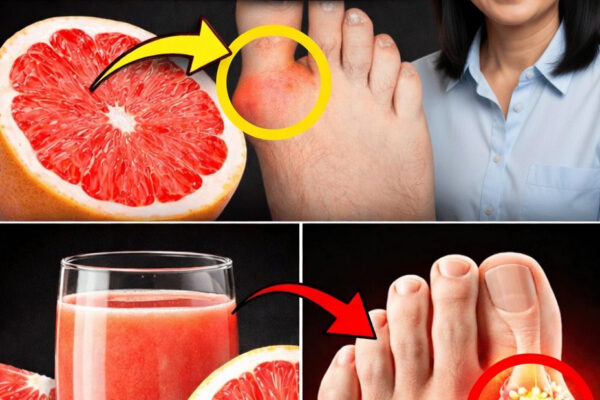
Swollen feet and slow circulation can turn routine tasks into a struggle—think heavy, aching legs after a long day, shoes that suddenly feel too tight, and discomfort that doesn’t fully fade even when you finally rest. In many cases, this swelling comes from fluid collecting in the lower legs, often influenced by long periods of standing or sitting, hot weather, hormonal fluctuations, and the simple pull of gravity. Because of this, many people look for gentle, plant-based ways to ease puffiness and restore a lighter feeling in the legs.
Healthy daily habits (like elevating your feet) still matter most, but certain medicinal herbs for swollen feet and circulation have been used traditionally to support blood flow and reduce occasional swelling. Below you’ll find commonly discussed options—grounded in traditional use and supported by emerging research—plus practical, safety-focused ways to use them. At the end, there’s also a simple step-by-step herbal foot soak many people find deeply soothing.

Why Feet Swell: The Basics You Should Know
Edema (swelling of the feet and ankles) happens when extra fluid accumulates in surrounding tissues. This can occur when the return flow of blood and lymph from the lower body slows down. Common contributors include:
- Sitting or standing for long stretches
- Warm temperatures and humidity
- Mild vein-related challenges
- Temporary water retention
When circulation is less efficient, pressure can build in the extremities, leading to that “puffy,” uncomfortable sensation.
Traditionally, certain herbs are valued because they may help:
- Encourage gentle movement of fluids
- Provide mild anti-inflammatory support
- Support healthy blood vessel tone
Some research—especially in areas like chronic venous concerns—suggests specific herbs may improve leg comfort and reduce swelling for some individuals, though responses vary.
Top Herbs Commonly Used for Swollen Feet and Circulation Support
Below are several of the best-known herbs for leg heaviness, occasional ankle swelling, and circulation support. Choose evidence-informed options, start conservatively, and prioritize safety.
1. Horse Chestnut
Horse chestnut seed extract is widely used in Europe for vein-related discomfort. Its key compound, escin, has been studied for helping support capillary integrity and reducing fluid leakage into tissues.
Traditionally associated benefits include:
- Supporting healthy vein wall tone
- Helping reduce the sensation of heavy, tired legs
How to use: Often taken as a standardized supplement or applied as a topical cream. Research commonly uses extracts around 300 mg per day standardized to escin (follow label directions and consult a professional).
2. Butcher’s Broom
Butcher’s broom has a long-standing reputation for supporting venous function. Clinical reports suggest it may help reduce pooling in the legs and support a stronger return flow, which can ease puffiness.
Key reasons people use it:
- Encourages venous return
- Helps relieve tired, heavy legs
How to use: Commonly found as capsules (often 150–300 mg daily) or as topical gels for targeted support.
3. Ginkgo Biloba
Best known for its effects on circulation, ginkgo biloba may support peripheral blood flow and offers antioxidant activity that may benefit vessel health.
Potential benefits:
- Supports smoother blood flow in extremities
- Provides antioxidant protection
How to use: Standardized leaf extract is common, typically 120–240 mg daily, often split into divided doses.

4. Dandelion
Dandelion (leaf or root) is frequently used for gentle fluid balance support. It’s often described as a mild diuretic and is notable for helping the body release water while naturally supplying potassium.
Commonly noted uses:
- Helps address puffiness linked to temporary water retention
- Provides gentle “detox-style” support for some people
How to use: Make tea using dried leaf or root: 1–2 teaspoons per cup, steeped about 10 minutes.
5. Ginger
Ginger is a warming root known for supporting circulation and for well-documented anti-inflammatory activity—helpful when swelling is paired with stiffness.
Why it’s popular:
- Helps warm cold hands and feet
- Supports comfort in mild swelling and stiffness
How to use: Fresh ginger tea, culinary use, or properly diluted oil for massage.
6. Witch Hazel
Witch hazel is valued mainly for topical use. Its tannins have astringent properties that can feel tightening and soothing on irritated tissue.
Common benefits:
- Soothes temporary inflammation
- Adds comfort to sore, tired feet
How to use: Use diluted witch hazel as a compress or add it to a foot soak (follow product directions).
7. Calendula, Chamomile, Rosemary, and Turmeric
These herbs are often used to round out a routine—especially for soothing and anti-inflammatory support:
- Calendula and chamomile: calm irritated or sensitive skin
- Rosemary: gently stimulating and traditionally linked to circulation support
- Turmeric (curcumin): supports overall inflammatory balance
How to use: As infusions for foot soaks, teas (where appropriate), or diluted topical oils.
Practical, Everyday Ways to Use These Herbs
A simple routine is often more sustainable than trying everything at once. Consider these approaches:
- Herbal tea (daily support): Dandelion or ginger are popular starting points.
- Foot soaks (targeted relief): Use infusions of chamomile, calendula, rosemary, or witch hazel for 15–20 minutes.
- Gentle massage (local comfort): Try diluted ginger oil or witch hazel for a warming, soothing feel.
- Standardized supplements (evidence-informed options): Look for reputable brands using standardized extracts for horse chestnut, butcher’s broom, and ginkgo.
Quick guide to common “best fits”:
- For vein tone: Horse chestnut, butcher’s broom
- For fluid balance: Dandelion
- For warming circulation: Ginger, rosemary
- For topical soothing: Witch hazel, calendula
Simple Dandelion Foot Soak Recipe (For Occasional Swelling)
This easy soak uses dandelion in a relaxing, end-of-day routine.
Ingredients
- 2 tablespoons dried dandelion root or leaf
- 4 cups hot water
- Optional: a splash of lemon or honey (only if you plan to drink some as tea)
Steps
- Bring water to a boil, then remove from heat.
- Add dandelion, cover, and steep for 15 minutes.
- Strain into a basin and let it cool to a comfortable temperature.
- Soak feet for 15–20 minutes.
- Gently pat dry, then elevate your feet afterward.
Use as needed—many people prefer evenings for maximum relaxation.
Important Safety Considerations
Herbs can be gentle, but they are not universally appropriate. Keep these precautions in mind:
- Some herbs may interact with medications, including blood thinners and diuretics.
- Extra caution is often advised during pregnancy or with certain health conditions—especially with horse chestnut, ginkgo, and ginger.
- Start with small amounts to assess your personal response.
- If swelling is persistent or worsening, consult a qualified healthcare professional before adding supplements or strong herbal routines.
Final Thoughts
Occasional swollen feet don’t have to derail your day. By exploring time-tested herbal options—such as horse chestnut for vein support and dandelion for fluid balance—many people find a natural path to improved comfort. For best results, combine herbs with foundational habits: stay hydrated, move regularly, take breaks from prolonged sitting or standing, and elevate your legs when possible. Consistency matters, and small steps can add up to noticeable relief.
FAQ
What are the most common causes of swollen feet?
Long periods of sitting or standing, hot weather, gravity, mild fluid retention, and changes in vein function are frequent contributors.
Are these herbs safe to use every day?
Many people tolerate them well when used correctly, but daily use should be personalized. Speak with a healthcare professional about dosing, timing, and interactions.
Can herbs replace medical care for ongoing swelling?
No. Seek medical evaluation promptly if swelling is sudden, one-sided, painful, or comes with other symptoms.
Disclaimer: This content is for informational purposes only and is not medical advice. Herbal remedies are not evaluated by the FDA to diagnose, treat, cure, or prevent disease. Consult a qualified healthcare provider before using herbs—especially if you are pregnant, nursing, taking medication, or managing a health condition.