Why Teeth Discoloration Happens (and Why It’s So Common)
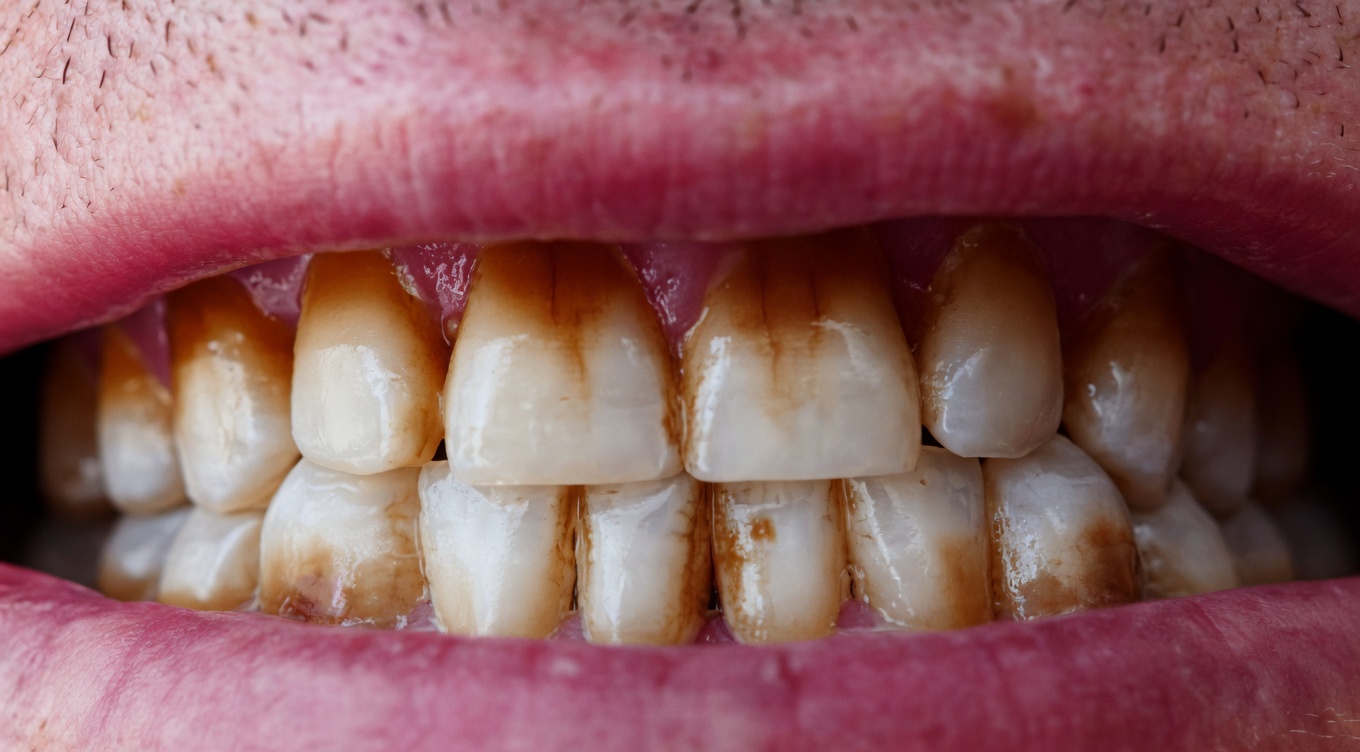
Tooth staining is a widespread concern, especially as we get older. Over time, enamel naturally thins, making it easier for pigments from everyday habits to show through. Drinks and foods with strong color—such as coffee, tea, red wine, and berries—can gradually leave yellow or brown tints. Tobacco use and some medications may also contribute to darker shades.
Oral hygiene plays a role too: when brushing and flossing are inconsistent, plaque buildup can make teeth look dull and less reflective.
How Tooth Color Affects Confidence
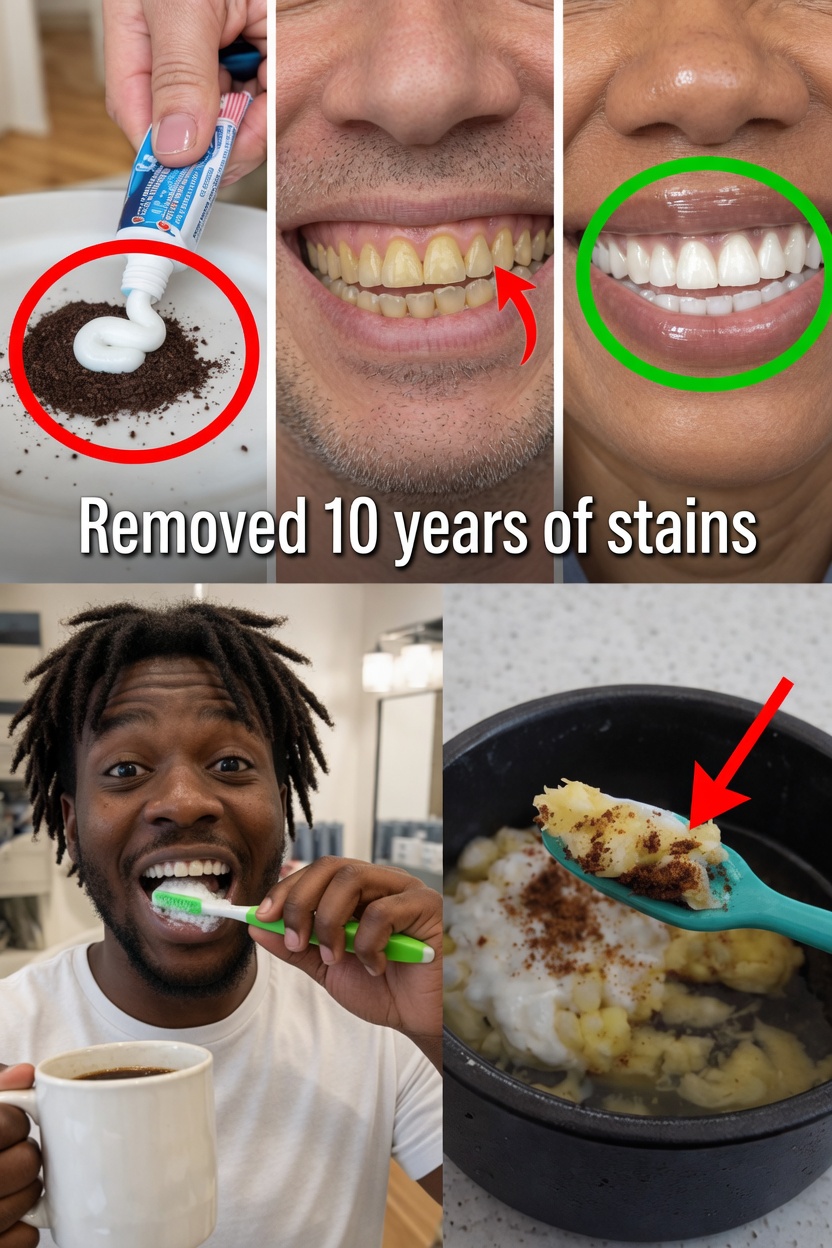
Multiple surveys suggest many adults feel dissatisfied with how their teeth look. Some reports indicate around half of people notice some degree of discoloration, and yellow tones are often perceived as less attractive—or even associated with poor health. For many, that perception can impact self-esteem, leading people to hide their smile or avoid photos.
The encouraging part: gentle polishing and stain removal can help reduce surface-level discoloration when used consistently alongside proper brushing.
A Trending “Natural Whitening” Idea: Banana Peel Paste
While commercial whitening strips and brightening toothpastes are popular, some people prefer natural teeth whitening alternatives that feel less intense. One method that frequently circulates online involves banana peel—specifically the soft, white inner layer.
Why banana peel is used in DIY polishing routines
Banana peels contain minerals such as potassium and magnesium, and supporters claim the inner peel can help buff away superficial stains when combined with mild polishing ingredients. In this recipe:
- Baking soda acts as a gentle abrasive that can help polish stained surfaces.
- Sea salt is commonly used for its cleansing and freshening properties.
- Lemon juice provides citric acid for brightening, but must be used carefully to reduce enamel risk.
- Fresh ginger is often included for its odor-fighting and soothing benefits.
- Fluoride toothpaste keeps the mixture anchored in standard oral care protection.
Important reality check: what the science says
Research specifically on banana peel for teeth whitening is limited and inconsistent. Some lab (in vitro) studies suggest little to no meaningful whitening effect, and certain findings indicate it may not create a noticeable change—or could subtly affect enamel appearance in other ways. Many natural whitening combinations are supported more by personal experiences than by strong clinical evidence.
Think of this method as a gentle add-on for surface stain management—not a substitute for professional dental care or proven whitening options.
Potential Benefits of a Gentle Homemade Whitening Paste
Results vary, and there are no guarantees. Still, people who use mild polishing blends often report benefits like:
- Gradual reduction of surface stains from coffee, tea, or deeply pigmented foods with consistent, gentle use
- Better cleaning in small grooves and crevices that can hold buildup
- Fresher breath, often credited to ingredients like ginger and salt
- A milder approach that avoids strong peroxide formulas, which may help reduce sensitivity risk when used responsibly
- Very low cost compared with whitening kits or in-office treatments
- A smoother, cleaner feel without aggressive scrubbing
This is not a “overnight transformation” strategy. It’s best viewed as light polishing to support a brighter-looking smile.
How to Make Banana Glow Paste (Step-by-Step)
This recipe makes a small batch (roughly 4 uses). Use a light touch—no hard scrubbing—and stop if irritation occurs.
Ingredients
- Scrapings from the white inner layer of 1 fresh banana peel (avoid the outer skin)
- 1 teaspoon baking soda
- ½ teaspoon sea salt
- 2 tablespoons fresh lemon juice (strained; use sparingly)
- ½ teaspoon freshly minced ginger
- 3 teaspoons fluoride toothpaste (your regular brand)
Instructions
- Scrape the soft white interior of a ripe banana peel into a small bowl.
- Add baking soda, sea salt, lemon juice, minced ginger, and toothpaste.
- Mix until you get a smooth, spreadable paste. If it feels too thick, add a little more toothpaste.
- Store in an airtight container in the refrigerator and use within 5 days.
- To use: apply a small amount to your toothbrush and brush gently in circular motions for 1–2 minutes, 2–3 times per week (not daily). Rinse thoroughly.
- Tip: try a “press and swirl” approach—light pressure with small circles for more even coverage.
Optional: Some people add a tiny amount of coconut oil after about a week for extra smoothness, but it’s not required.
Banana Glow Paste vs. Common Whitening Methods (Quick Comparison)
- Whitening strips: Faster for some (often 7–14 days), but higher cost and potential sensitivity with overuse
- LED home kits: Moderate cost, variable results and sensitivity, typically marketed for 7–10 days
- Professional whitening: Fastest and most expensive; may cause temporary discomfort
- Banana Glow Paste: Very low cost, slower/gradual change over weeks, typically lower sensitivity risk when used gently, and keeps fluoride in the routine via toothpaste
This DIY option favors gentleness and affordability over speed.
Final Thoughts: Start Conservatively, Aim for Consistent Care
A simple DIY blend like Banana Glow Paste can be an accessible way to support a brighter appearance through mild surface polishing—especially if you’re looking for a low-cost routine using everyday ingredients. If you notice a smoother, fresher look after a few weeks, even small improvements can make smiling feel easier.
Frequently Asked Questions
Is Banana Glow Paste safe to use every day?
No. Limit use to 2–3 times per week to avoid excessive abrasion from baking soda and potential enamel irritation from lemon acidity. Continue regular brushing with fluoride toothpaste.
Can children use this method?
Ask a dentist first. While the approach is generally mild, lemon juice acidity may be too harsh for younger enamel.
What if I feel sensitivity or irritation?
Stop immediately and consult a dentist. Even natural ingredients can cause irritation when overused or if enamel is already compromised.
Medical Disclaimer
This article is for informational purposes only and does not replace professional dental advice. Consult your dentist before starting any new oral care routine, especially if you have sensitivity, dental restorations, gum issues, or existing oral health conditions. Discontinue use if irritation occurs.