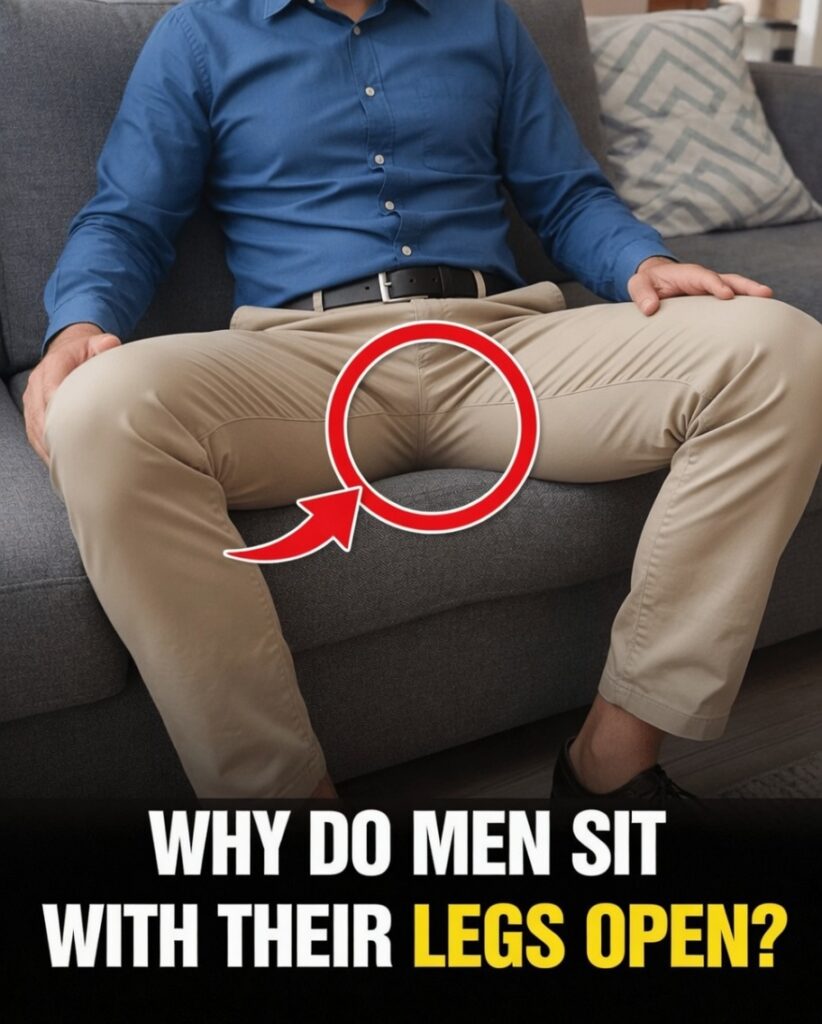
Why Crossing Your Legs Matters More Than You Think
Have you ever noticed yourself crossing your legs during a meeting, a casual chat, or while unwinding at home? For many people, it’s an automatic, comfortable habit. Yet this everyday sitting style can communicate far more than personal preference—it may reflect mood, confidence levels, and even subtle changes in physical comfort over time.
Body language and posture research suggests that leg positioning can shape both how others read you and how your body responds after long periods of sitting. Below, you’ll learn what different leg-crossing styles often signal, what health-related observations say about prolonged crossing, and how to make small adjustments that support ease and confidence.
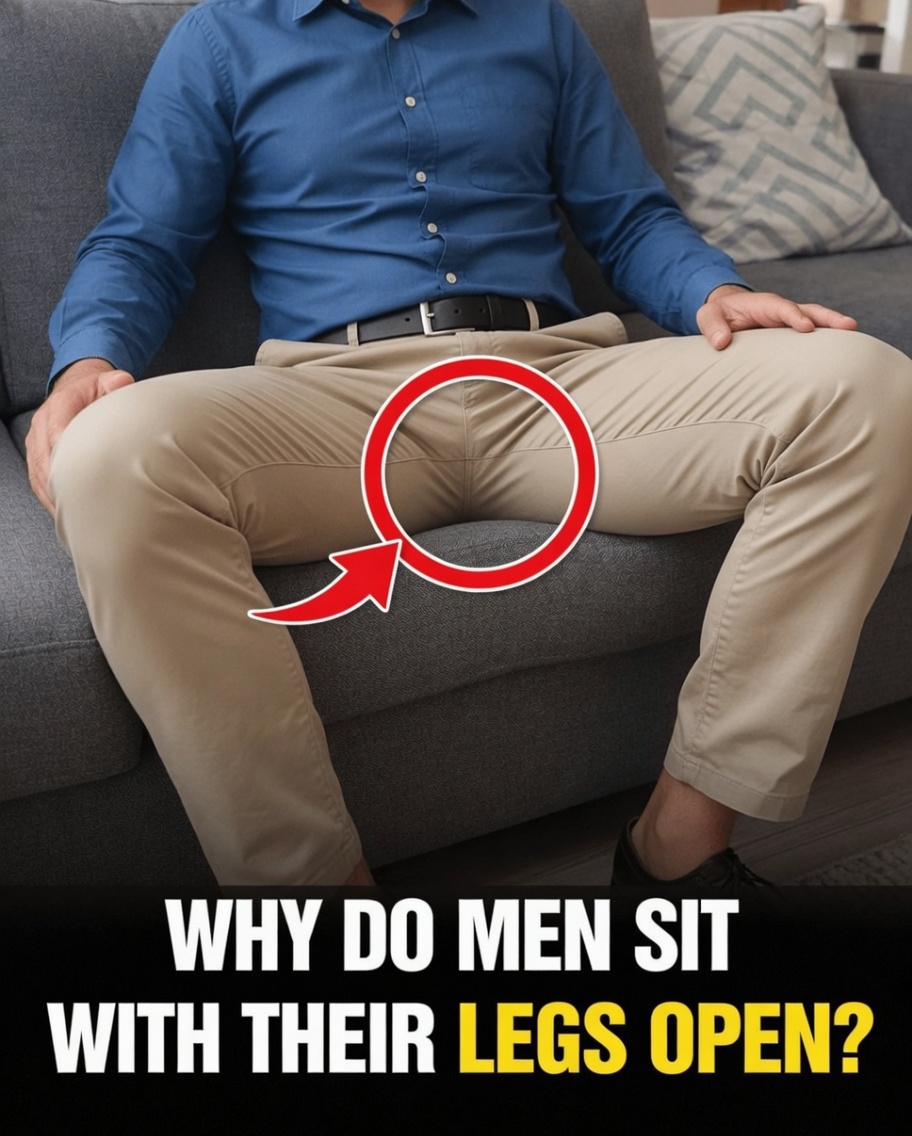
The Two Sides of Leg Crossing: Relaxation or Emotional Shield?
Crossing your legs is one of the most common seated postures, but its meaning depends heavily on context. Many body language specialists highlight legs as powerful nonverbal indicators because they’re often less consciously controlled than facial expressions or hand gestures.
In some situations, crossing the legs—especially at the knees—can function like a subtle protective move. Similar to folding your arms, it can create a physical “barrier,” which may suggest emotional discomfort, tension, or a desire for distance.
The key detail: how you cross your legs changes the message. Not all variations communicate the same thing.
What Different Leg-Crossing Styles Can Signal (According to Body Language Patterns)
Body language isn’t a perfect science, but communication experts and psychologists consistently observe recurring patterns. Here are common interpretations of leg crossing—always best understood alongside facial expression, eye contact, and arm position:
-
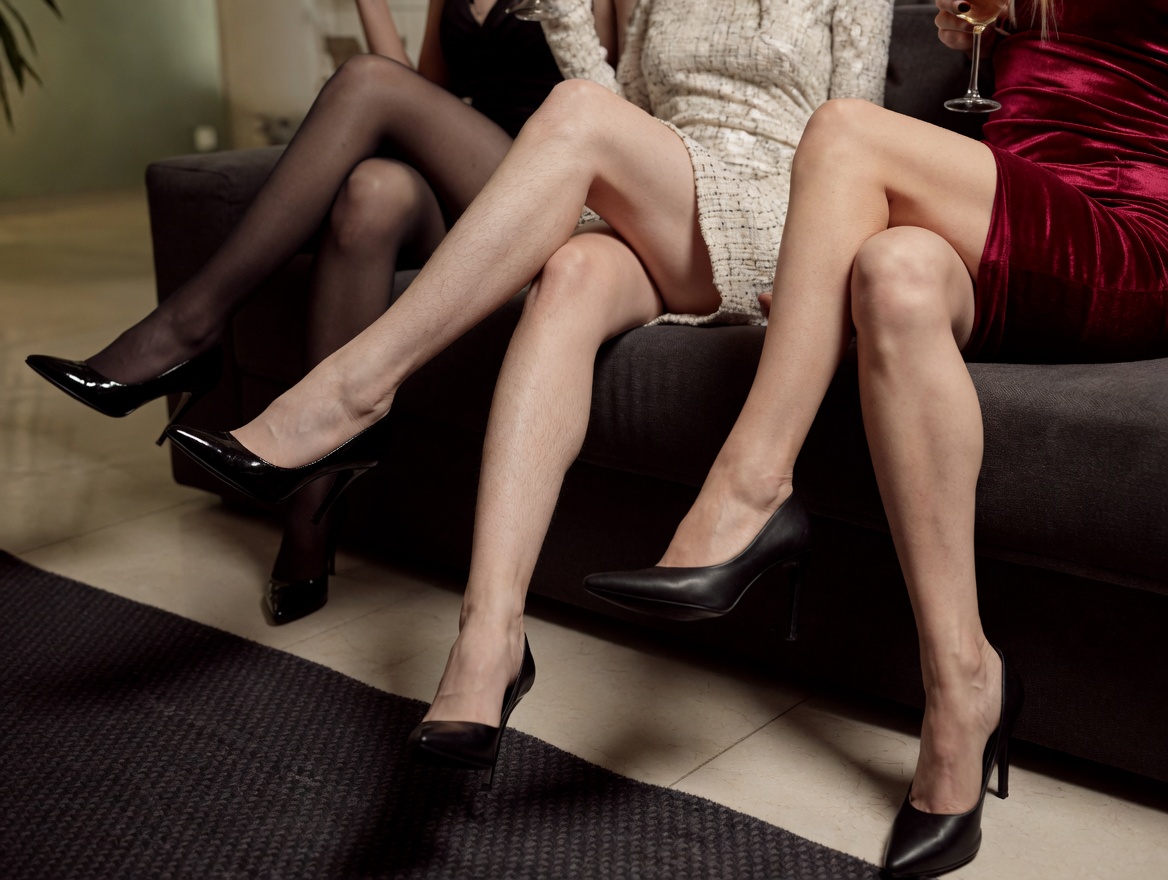
Guarded or defensive energy (knee-over-knee cross)
Crossing at the knees can look “closed,” especially in unfamiliar environments or sensitive conversations. This posture may signal hesitation, anxiety, or an instinct to protect personal space—sometimes making someone appear less approachable. -
Lower confidence, shyness, or nervousness
Some analysts (including those who reference experts such as Lillian Glass) link tight knee-crossing to introversion or self-consciousness. It can be a subconscious way of taking up less space and reducing visibility. -
Poise and controlled confidence (ankle cross / “ankle lock”)
Crossing at the ankles often reads as composed and refined. In formal settings, this version can project restraint, calm authority, and a polished presence rather than defensiveness. -
Self-soothing and concentration during pressure
In demanding moments—presentations, negotiations, or difficult discussions—some people cross their legs to feel steadier. The posture can create a sense of grounding that supports focus when stress rises. -
Reserved personality tendencies (repeated leg crossing)
Frequently crossing legs—whether seated or standing—can correlate with a more observant, cautious, or inwardly focused style of engagement.
These signals also vary across culture, gender expectations, and social context. A relaxed ankle cross may communicate confidence in one environment, while a tight knee cross elsewhere may suggest discomfort. Reading the whole body is the most accurate approach.
The Health Perspective: What Prolonged Leg Crossing May Do to Your Body
Beyond communication cues, leg crossing can affect the body—particularly when held for long stretches. Health observations commonly focus on circulation and alignment.
Potential short-term effects reported in research and clinical settings include:
-
Temporary blood pressure increases
Crossing at the knees can compress veins and slightly change blood flow, which may cause a short-term rise in blood pressure. This is one reason healthcare professionals often ask patients to keep both feet on the floor during measurements. -
Pelvic tilt and lower-back strain
Sitting cross-legged for extended periods can shift the pelvis unevenly. Over time, that asymmetry may contribute to tight hips, mild back discomfort, or muscle imbalance around the spine and pelvis. -
Reduced circulation sensations
Restricted blood flow may lead to temporary tingling, numbness, or heaviness in the legs. While leg crossing is not considered a direct cause of varicose veins (which are more strongly tied to genetics and overall lifestyle), it may worsen symptoms for those who already have circulation concerns.
Most experts emphasize moderation: occasional crossing is unlikely to be harmful for most people, but frequent long-duration crossing is worth balancing with movement and position changes.
Quick Guide: Common Crossing Styles and Typical Associations
-
Knee cross (one knee over the other)
Often associated with guardedness, anxiety, or shyness; may increase pelvic asymmetry and briefly affect blood pressure readings. -
Ankle cross (ankles together, lightly crossed)
Commonly interpreted as composed, restrained, or formal; typically less disruptive to alignment than a tight knee cross. -
Figure-four (ankle resting on the opposite knee)
Can signal relaxed confidence or even dominance; often appears more open than a tightly closed knee cross.
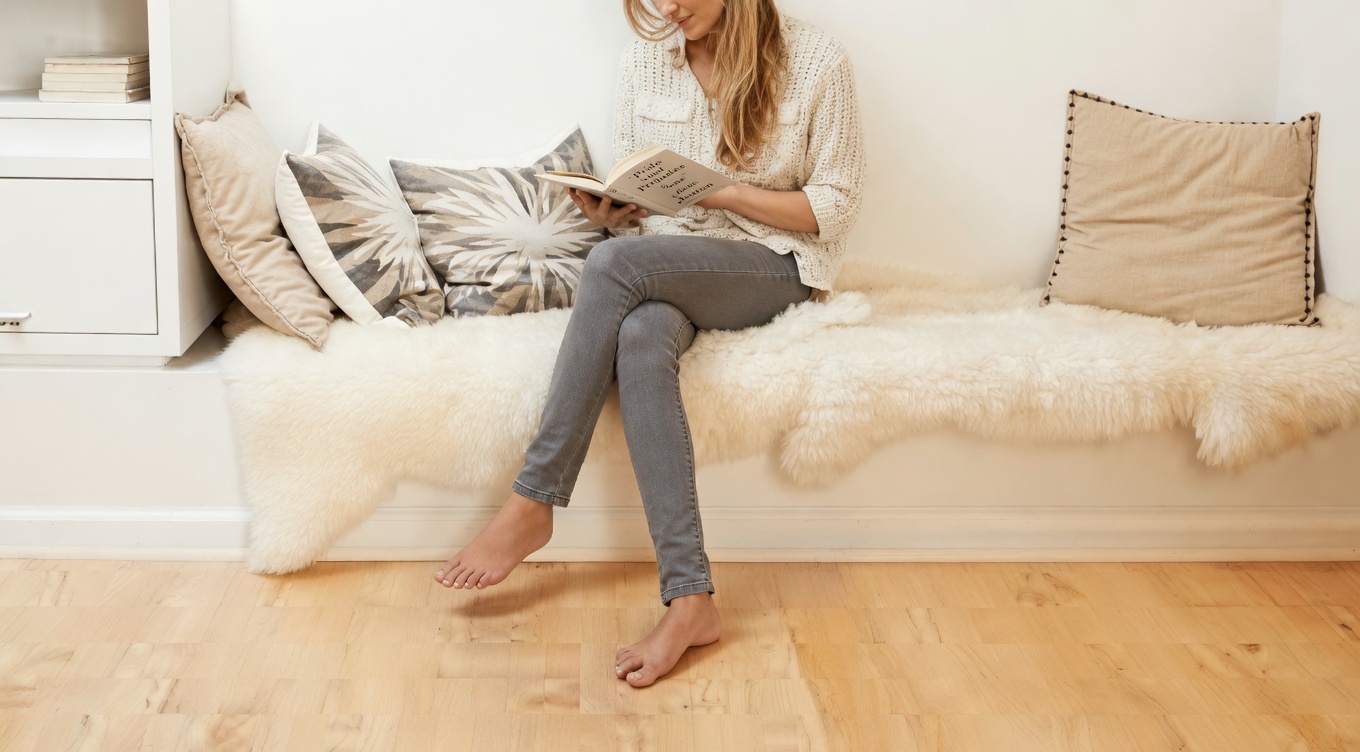
Practical Ways to Sit More Mindfully (Without Overthinking It)
If you’d like to protect comfort and project more open body language, small changes can help—without forcing you to abandon what feels natural.
-
Identify your default sitting habit
When you sit down, take one second to check: are your legs crossed, and how long have they been that way? -
Switch sides regularly
If you do cross your legs, alternate every 10–15 minutes to reduce repeated pressure on one hip and side of the lower back. -
Try a more open base
Sit with both feet flat, knees about hip-width apart. This supports balanced alignment and often reads as more approachable. -
Add brief movement resets
Stand, stretch, or walk for a minute every 30–60 minutes to support circulation and posture. -
Build stability through light strength work
Gentle core and hip exercises (such as bridges or seated marching) can make neutral sitting feel easier and more natural.
Final Thoughts: Comfort, Confidence, and Body Care Can Coexist
Crossing your legs is a normal, widespread habit—one that blends comfort with meaningful nonverbal cues. Depending on the style and situation, it can suggest anything from self-protection to elegance, from nervousness to focused control. Physically, short periods are usually fine, but extended crossing may subtly influence posture and circulation.
With a bit of awareness and occasional position changes, you can keep what feels comfortable while supporting better alignment—and often projecting calmer, more confident body language.
Frequently Asked Questions
-
Does leg crossing cause permanent health problems?
There’s no strong evidence that occasional leg crossing leads to permanent issues like chronic high blood pressure or varicose veins. The most common effects are temporary and tend to improve when you change position. -
Which leg-crossing style is the healthiest?
An ankle cross is often considered gentler on alignment and typically looks more composed. A tight knee cross can create more asymmetry if held for long periods. -
Can changing my sitting posture improve confidence?
Often, yes. More open postures—feet flat, uncrossed legs—can increase feelings of stability and approachability, influencing both how others perceive you and how you feel internally.
Disclaimer: This content is for informational purposes only and is not medical advice. If you have ongoing pain, numbness, circulation concerns, or posture-related issues, consult a qualified healthcare professional.