A “Mini-Stroke” That Lasts Minutes Can Still Be an Emergency
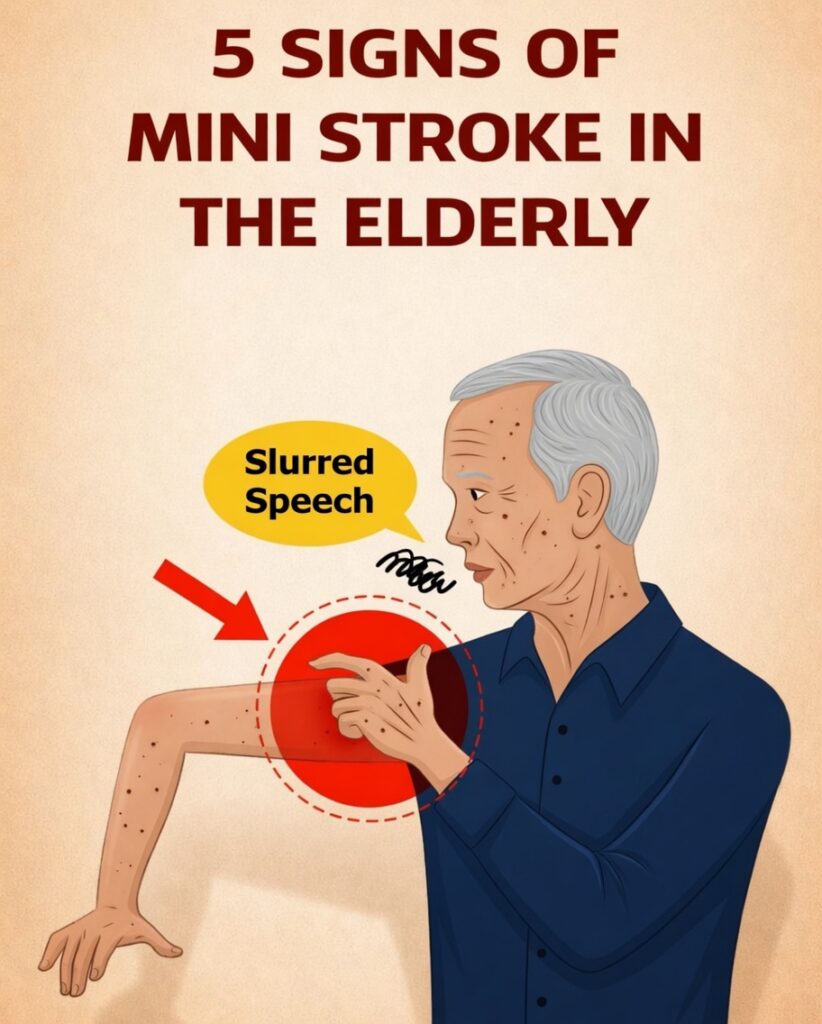
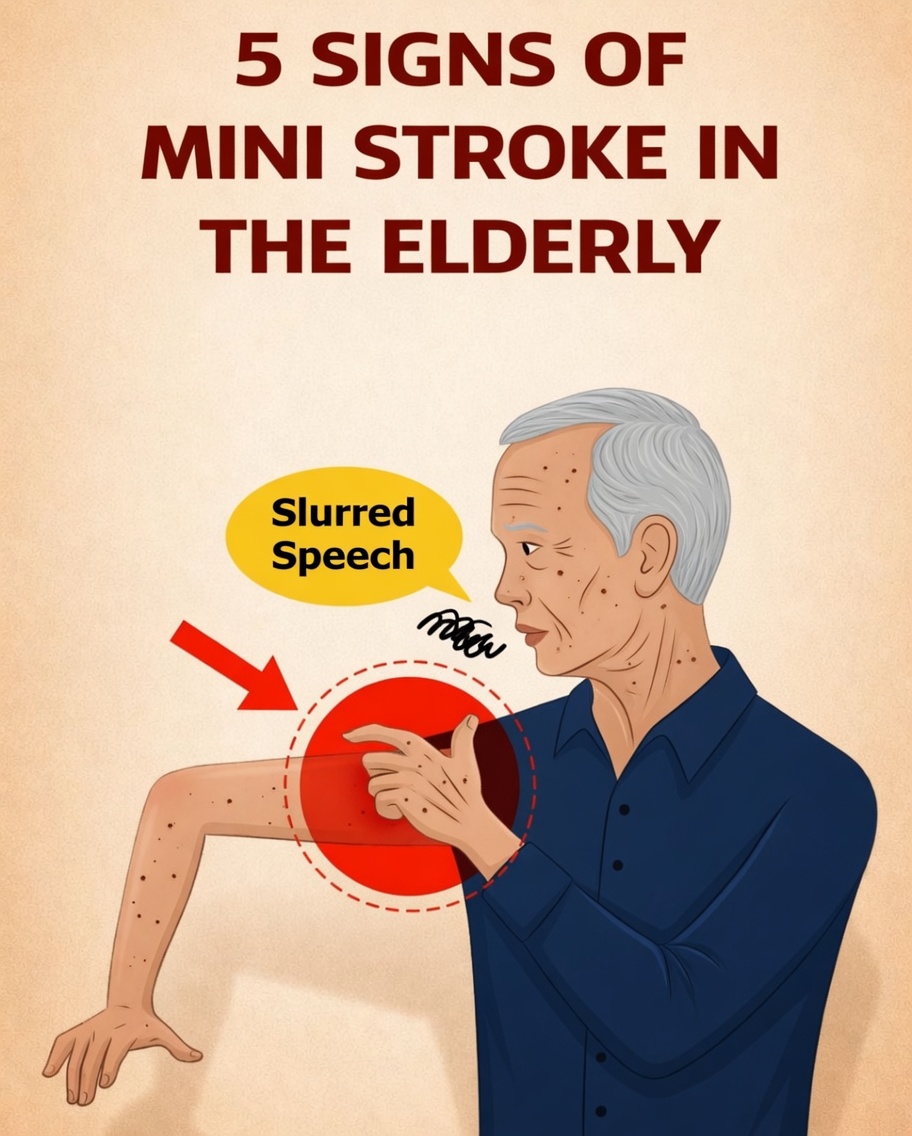
Picture an older parent or grandparent suddenly feeling weakness in one arm while having morning tea—then everything seems normal again a few minutes later. It’s easy to blame fatigue or “just getting older.” But that short-lived episode could be a transient ischemic attack (TIA), often called a mini-stroke.
A TIA can look exactly like a stroke, except the symptoms fade quickly and may leave no obvious lasting damage. The problem is what it predicts: a significantly higher risk of a full stroke soon after. Major health organizations, including the American Heart Association, report that up to 1 in 3 people who experience a TIA may have a major stroke within a year without prompt evaluation and treatment.
Because the warning signs can disappear fast, many families miss them. This guide explains what a TIA is, the five most important symptoms in older adults, how to use the FAST test, and what to do immediately.
What Is a Transient Ischemic Attack (TIA)?
A transient ischemic attack happens when blood flow to part of the brain is briefly interrupted, most often due to a small blood clot or a narrowed artery. Unlike a major stroke, the blockage clears on its own. Symptoms commonly last minutes, and by definition resolve within 24 hours.
TIAs become more frequent with age as blood vessels stiffen and cardiovascular risks accumulate. Clinicians often refer to a TIA as a “warning stroke”—not because it’s harmless, but because it may be the brain’s last early alert before a more severe, disabling event.
A key point: symptoms going away does not mean the danger is gone. In fact, the period right after a TIA can be one of the highest-risk windows for a major stroke.
The 5 Most Important TIA Warning Signs in Older Adults
TIA symptoms usually begin suddenly and often affect one side of the body. They may come and go, which makes them easy to dismiss. Watch for these red flags:
-
Sudden weakness or numbness on one side
- One arm may feel heavy or difficult to lift.
- A hand may lose grip strength (dropping a cup, trouble buttoning).
- The face may sag slightly on one side, making a smile look uneven.
-
Trouble speaking or understanding language
- Speech may sound slurred, garbled, or unusually slow.
- The person may struggle to find words or stop mid-sentence.
- They may seem confused by simple conversation or instructions.
-
Abrupt dizziness, balance issues, or poor coordination
- A person may wobble, stumble, or feel suddenly unsteady.
- They might miss when reaching for an object or feel “off” when walking.
- Vertigo (a spinning sensation) can appear without warning.

-
Sudden vision problems
- Blurred vision, double vision, or partial vision loss may occur.
- Some people describe a brief “gray curtain” or dimming in one eye.
- Even brief visual changes should be treated as urgent.
-
A severe headache with confusion
- A sudden, intense headache without a clear cause can be significant.
- Confusion, disorientation, or a “foggy” mental state may accompany it.
- Even if other symptoms are mild, this combination deserves immediate attention.
Multiple symptoms can occur together, which increases urgency—especially in older adults with vascular risk factors.
The FAST Test: A Simple Way to Spot a TIA or Stroke Quickly
Stroke specialists (including guidance aligned with the American Stroke Association and institutions such as the Mayo Clinic) recommend the FAST checklist to recognize stroke-like symptoms rapidly:
- F — Face: Ask them to smile. Does one side droop?
- A — Arms: Ask them to raise both arms. Does one drift downward?
- S — Speech: Ask them to repeat a short sentence. Is speech slurred or strange?
- T — Time: If you notice any sign, note the time and seek emergency help immediately, even if symptoms stop.
Some resources expand this to BE FAST, adding:
- B — Balance (sudden dizziness or coordination loss)
- E — Eyes (sudden vision changes)

Why “Only a Few Minutes” Still Requires Emergency Care
TIAs are dangerous precisely because they can be brief. When symptoms vanish, people often assume the episode was minor. But delays in care are linked to a much higher risk of a major stroke in the days or weeks that follow.
If any TIA symptom appears—even for 60 seconds—treat it as an emergency:
- Call emergency services or go to the nearest hospital.
- Clinicians may evaluate brain and blood vessel blood flow, heart rhythm, and clotting risks.
- Early treatment can reduce the chance of a future stroke through targeted measures (for example, managing blood pressure, cholesterol, blood sugar, or abnormal heart rhythms).
Practical Steps to Help Protect an Older Loved One
You can reduce risk and improve response time with a few realistic actions:
-
Understand major risk factors
- Age, high blood pressure, diabetes, smoking, high cholesterol, and atrial fibrillation (irregular heartbeat) increase TIA and stroke risk.
- Encourage routine checkups and consistent medication use when prescribed.
-
Pay attention to sudden changes during everyday activities
- Notice abrupt shifts during meals, walking, phone calls, or casual conversation.
- Ask simple questions if something seems “off,” especially regarding speech and understanding.
-
Create a quick emergency plan
- Keep an updated list of medications, diagnoses, allergies, and emergency contacts.
- Make sure family members know FAST/BE FAST and what hospital to use.
-
Support heart-healthy habits
- Aim for balanced meals, gentle regular movement (like walking), adequate hydration, and smoking cessation support if needed.
-
Act immediately—every time
- Even if symptoms disappear, medical evaluation is still essential.
Conclusion: Don’t Ignore the Brain’s Warning Signal
A transient ischemic attack may pass quickly, but its message is urgent: stroke risk is elevated, and action is needed now. By watching for the five key signs—one-sided weakness or numbness, speech difficulties, sudden dizziness or coordination problems, vision changes, and severe headache with confusion—you may help prevent a life-changing stroke.
Use FAST, take symptoms seriously even if they fade, and choose caution when an older loved one shows any sudden neurological change. Early action can protect independence and save lives.
Frequently Asked Questions (FAQ)
-
What’s the difference between a TIA and a stroke?
A TIA causes stroke-like symptoms that resolve within 24 hours and typically leaves no permanent damage. A stroke lasts longer and often causes lasting injury because the blood flow interruption persists. -
How long do TIA symptoms usually last?
Many TIAs improve within minutes to an hour, but symptoms can last up to 24 hours. Any duration requires urgent medical attention. -
Can someone have more than one TIA?
Yes. Repeated TIAs are common and often indicate even higher stroke risk. Each episode should prompt immediate evaluation.
Disclaimer
This article is for informational purposes only and does not replace professional medical advice. If you suspect a TIA or any stroke-like symptoms, seek emergency medical care immediately. Always consult a qualified healthcare professional for personalized guidance.