Many adults begin to notice stubborn digestive discomfort with age—burning after meals, lingering bloating, or an unsettled feeling that seems to come out of nowhere. These problems are often blamed on “getting older” or stress, but they can also signal a specific condition: a hiatal hernia. Research suggests hiatal hernias are increasingly common in older adults, affecting about 50–60% of people over 60 in many populations, although many cases cause no obvious symptoms.
When symptoms do show up, they’re frequently connected to acid reflux—often because part of the stomach shifts upward through the diaphragm, making it easier for stomach acid to move in the wrong direction. The encouraging part is that everyday lifestyle changes can reduce discomfort for many people. Below are 10 commonly overlooked signs, along with practical ways to relieve them—and one simple tracking habit at the end that helps many people spot patterns.

What Is a Hiatal Hernia—and Why It Matters
A hiatal hernia happens when the upper portion of the stomach slides up through an opening in the diaphragm called the hiatus, entering the chest area. Small hiatal hernias often cause no trouble at all. Larger ones, however, may weaken the body’s natural barrier that helps keep stomach acid where it belongs. As a result, symptoms associated with gastroesophageal reflux can become more frequent.
Age-related changes—such as reduced muscle tone—are often linked with higher rates in older adults. Even when symptoms are mild, noticing them early can help you manage daily comfort and reduce ongoing irritation.
Sign #1: Ongoing Heartburn That Gets Worse After Meals
A burning sensation behind the breastbone—especially after eating or when lying down—is one of the most common complaints associated with hiatal hernia-related reflux. Medical sources (including Mayo Clinic guidance on reflux) note that symptoms often worsen because acid can travel upward more easily.
What can help:
- Eat smaller portions
- Avoid eating late at night
Sign #2: Sour or Bitter Taste (Acid Reaching the Throat)
If you suddenly taste something sour or bitter in the back of your throat—even long after eating—it may be acid moving upward. Over time, this can irritate throat tissues.
What can help:
- Sleep with your upper body elevated (not just extra pillows)
Sign #3: Regurgitation of Food or Sour Liquid
Regurgitation is when food or liquid comes back up into the mouth with little effort—often when bending, talking, or shortly after meals. This can occur when the usual “valve-like” barrier is less effective.
What can help:
- Stay upright while eating
- Chew slowly and thoroughly
Sign #4: Trouble Swallowing or a “Food Stuck” Feeling
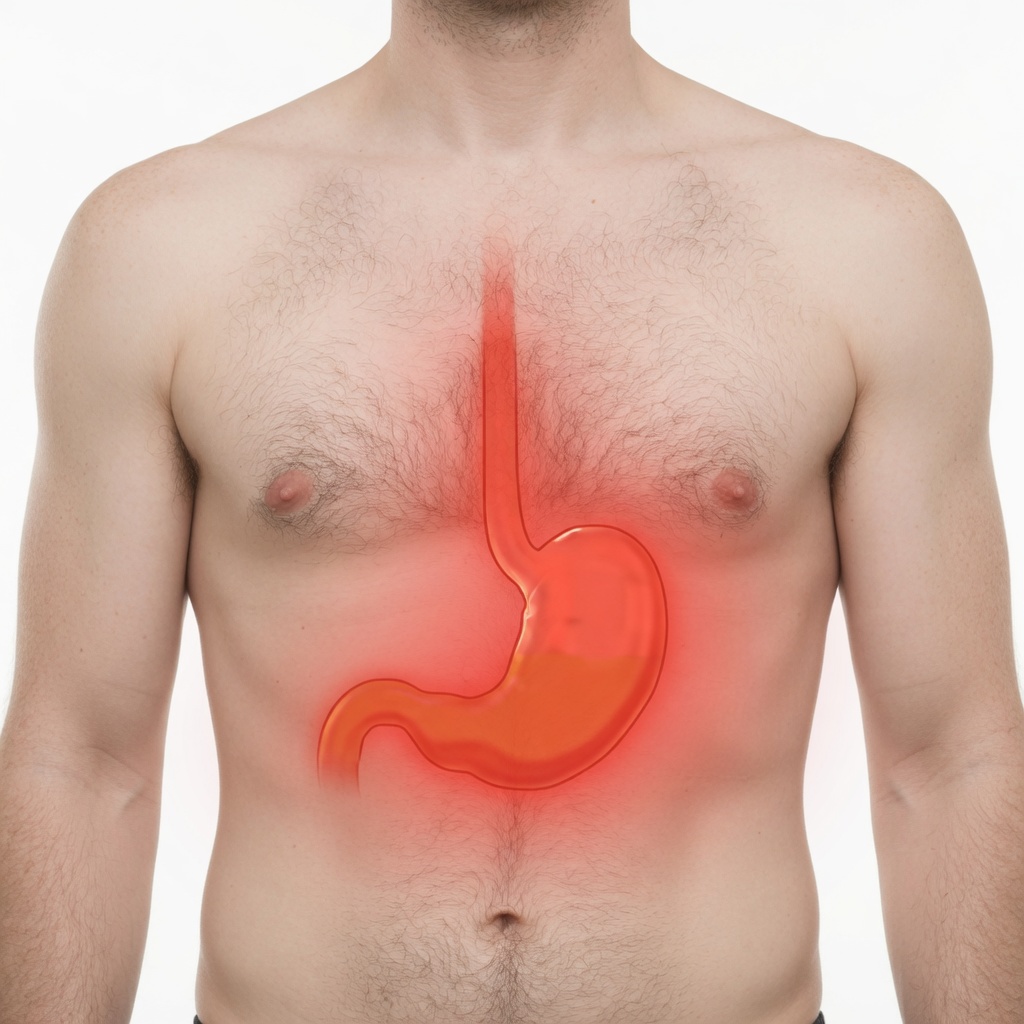
If swallowing feels difficult, or food seems to catch in your chest or throat (sometimes requiring extra sips to clear), inflammation or pressure in the area may be involved. This symptom is sometimes referred to as dysphagia.
What can help:
- Choose softer foods when symptoms flare
- Take smaller bites and eat more slowly
Sign #5: Chest or Upper-Abdominal Discomfort
Some people notice tightness, pressure, or pain in the chest or upper abdomen—often after eating or when straining. Sources such as Cleveland Clinic note that reflux-related discomfort can overlap with other types of chest symptoms, which is why persistent or severe pain should be evaluated.
What can help:
- Sit upright after meals
- Avoid bending or heavy strain soon after eating
Sign #6: Feeling Full Too Fast (Early Satiety)
If small meals make you feel uncomfortably full very quickly, a shifted stomach position may reduce how “roomy” the stomach feels during eating, which can affect overall intake.
What can help:
- Eat smaller meals more frequently to maintain nutrition
Sign #7: Bloating and Frequent Burping
Bloating and repeated belching can happen when gas gets trapped or when you swallow air while eating. Certain foods and drinks can amplify it.
What can help:
- Reduce carbonated beverages
- Limit common gas-forming foods (like beans) if they trigger symptoms
Sign #8: Hoarseness or Persistent Sore Throat
A raspy morning voice, frequent throat clearing, or chronic throat irritation may occur when acid reaches higher areas such as the throat or voice box (often called silent reflux).
What can help:
- Elevate your head/upper torso at night to reduce exposure
Sign #9: Shortness of Breath in Certain Positions
Some people feel breathless when lying flat or after large meals—particularly if the hernia is larger and creates pressure in nearby areas.
What can help:
- Keep meals smaller
- Avoid lying down after eating
Sign #10: Rare but Serious Red Flags (Blood or Black Stools)
Vomiting blood (bright red) or noticing black, tar-like stools may indicate bleeding from irritation in the digestive tract. These signs require urgent medical evaluation.
What to do:
- Seek prompt medical care if these symptoms occur
Quick Guide: Common Signs and Everyday Relief Strategies
- Heartburn → smaller meals, avoid trigger foods → improvement in days to weeks for many
- Acid reflux taste → elevate head of bed, avoid late meals → often improves within 1–2 weeks
- Regurgitation → eat upright, chew well → episodes may decrease over weeks
- Swallowing discomfort → softer foods, smaller bites → varies by individual
- Chest/upper-abdominal discomfort → upright posture after meals → relief can be fast for some
Practical Daily Adjustments That Often Help
These habits are commonly recommended by health professionals for reflux-related symptoms:
- Eat 5–6 smaller meals instead of 3 large ones
- Stop eating at least 3 hours before lying down
- Elevate the head of your bed 6–8 inches (using blocks or a wedge)
- Maintain a healthy weight to reduce abdominal pressure
- Wear loose-fitting clothing around the waist
- Avoid tight belts or waistbands that compress the midsection
Foods to Choose More Often—and Foods to Limit
Smart food swaps can support comfort without being overly restrictive.
Often easier to tolerate:
- Bananas, apples, melons
- Lean proteins (chicken, fish, eggs)
- Herbal tea and plain water
Common triggers to limit (if they affect you):
- Citrus fruits and tomatoes
- Fried or high-fat foods
- Coffee, soda, and alcohol
The Overlooked Habit That Helps Many People: Track Your Patterns
A simple symptom journal can be surprisingly effective. Write down:
- What you ate
- When you ate
- When symptoms appeared
- How intense they felt
- What helped (or made it worse)
Patterns often become clear quickly, making it easier to fine-tune the changes that work best for your body.
FAQ
What makes hiatal hernias more common as we age?
Medical reviews commonly point to weakening of the diaphragm muscle over time and increased abdominal pressure as key contributors.
Can lifestyle changes be enough to control symptoms?
For many people with mild to moderate symptoms, yes—smaller meals, better timing, and sleep positioning can significantly reduce discomfort.
When should I talk to a doctor?
Seek medical advice if symptoms persist, worsen, or interfere with daily life, and get prompt care for severe pain, bleeding, or breathing difficulty.
Medical Disclaimer
This article is for informational purposes only and does not replace professional medical advice. Always consult a qualified healthcare provider for personalized guidance, especially if symptoms are persistent, severe, or worsening.