
Nighttime Heavy Legs in Seniors: Could Beetroot Help Support Circulation?
Many older adults recognize the feeling: legs that seem unusually heavy, toes that turn cool at night, or a persistent tingling after spending the day upright. These sensations are often linked to age-related shifts in blood flow to the lower limbs, since blood vessels tend to become less flexible over time. After 60, this can translate into restless evenings and stiff mornings—interrupting sleep and making daily routines feel harder than they should.
What if a simple, natural choice in the evening could gently support healthier circulation while you rest? One food that keeps showing up in research is beetroot. This common root vegetable contains natural nitrates, which the body can use to support circulation through its own biological pathways. Below is how beetroot may fit into an evening routine—and why some people notice a difference by morning.

Why Leg Circulation Often Becomes a Bigger Issue With Age
With aging, the circulatory system can change in subtle but meaningful ways:
- Blood vessels may lose elasticity, making it harder for them to expand and contract efficiently.
- Long periods of sitting can reduce circulation in the legs and feet.
- Circulatory conditions affecting the limbs become more common over time. Research estimates that peripheral artery problems rise notably with age, and after 70 they may affect 15–20% (or more) in certain groups.
Because these symptoms can build gradually, many people dismiss them as “normal aging.” The encouraging part is that small, consistent dietary habits may help support vascular function—without major lifestyle disruption.
Beetroot and Circulation: What Makes It Special?
Beetroot stands out for one main reason: it is naturally rich in inorganic nitrates. The body can convert these nitrates into nitric oxide, a compound that helps relax and widen blood vessels. When vessels dilate more effectively, blood can move more easily—especially to peripheral areas like the feet and lower legs.
Research on nitrate-rich beetroot juice has explored potential improvements in:
- Vascular function
- Nitric oxide availability
- Exercise tolerance in people with peripheral circulation concerns
- Endothelial health (the inner lining of blood vessels)
Results differ from person to person, but the overall pattern suggests beetroot may support circulation through mechanisms the body already uses.
Potential Benefits of an Evening Beetroot Routine
Based on how dietary nitrates and beetroot nutrients work in the body, an evening serving may support comfort in several practical ways:
-
Warmer feet and less nighttime chill
Nitric oxide may help blood vessels relax, which can support better warmth in the extremities during rest. -
Less end-of-day heaviness
Some studies associate nitrate intake with reduced vascular stiffness, which may help the legs feel less weighed down after a long day. -
More comfortable mornings
Supporting overnight blood flow may translate into less stiffness when you wake up and improved readiness for daily activity. -
General vascular support
Beetroot contains antioxidants, including betalains, which may help address everyday oxidative stress that can influence circulation. -
Gentle muscle relaxation support
Nutrients such as potassium may help with muscle function and relaxation, supporting a calmer nighttime experience.
This isn’t an instant cure, and results are not guaranteed. Still, research published in sources such as the Journal of Applied Physiology and other peer-reviewed outlets suggests nitrate-related changes can occur relatively quickly for some individuals.
Beetroot vs. Common Approaches: Why It Appeals to Many Seniors
- Accessibility: Beetroot is an everyday food and easy to find.
- Key components: It provides natural nitrates plus antioxidants and micronutrients.
- Time to notice effects: Some studies observe changes within hours to days, although longer-term consistency matters.
- Cost and convenience: Typically affordable and simple to prepare compared with more intensive options.
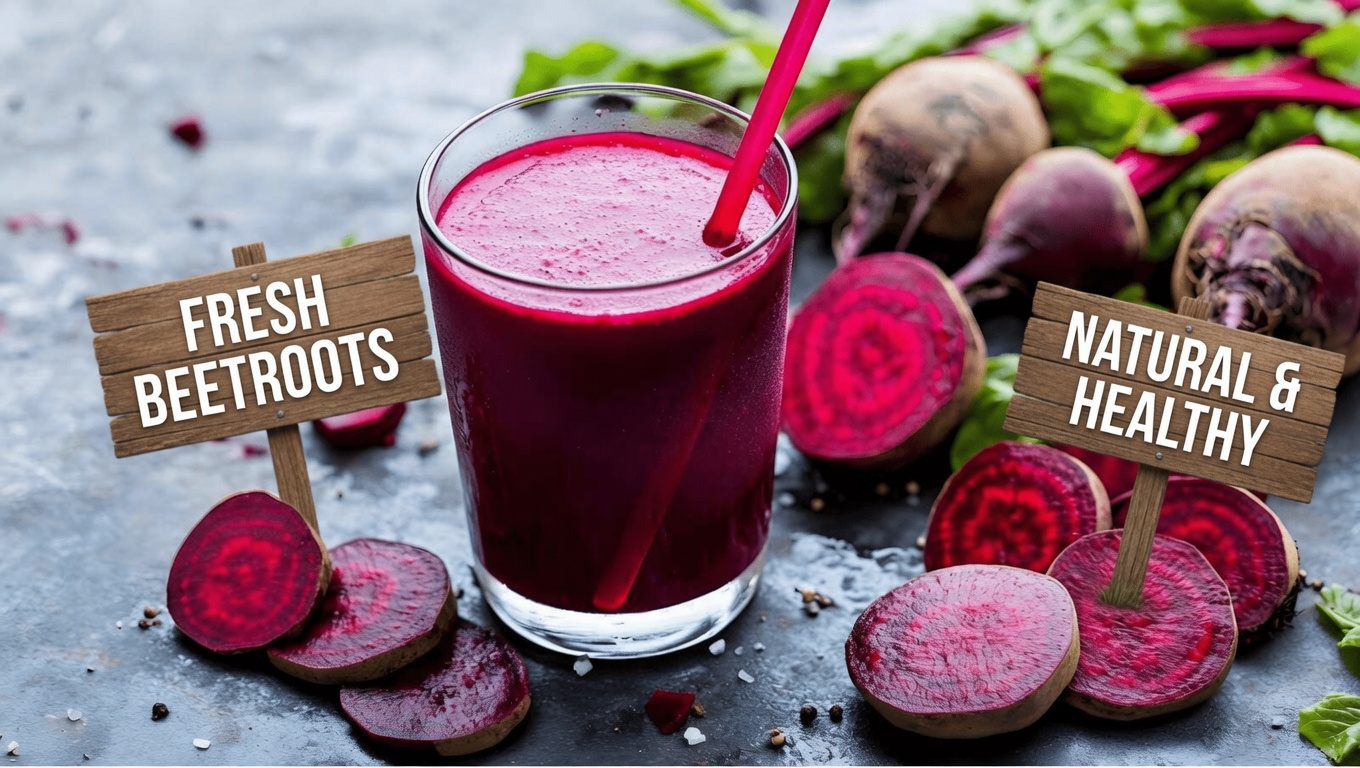
How to Add Beetroot Safely in the Evening (Step by Step)
If you want to try beetroot at night, start conservatively and pay attention to how your body responds.
-
Pick the form that’s easiest for you
- Roasted beets, raw slices, beet salad
- A small glass of beetroot juice
- Blended into a smoothie
A practical starting point is about ½ to 1 cup of beetroot (or the equivalent amount in juice).
-
Choose a sensible timing
- Try it 1–2 hours before bedtime, either with dinner or as a light evening snack.
-
Prepare it in a circulation-friendly way
- Wash well and peel if you prefer.
- Avoid overcooking if possible, as gentler cooking can help preserve nitrate content.
- Pairing with a small amount of healthy fat (for example, yogurt) may improve overall nutrient absorption.
-
Track what changes (if any)
- Note leg warmth, heaviness, tingling, and morning stiffness over 1–2 weeks.
-
Put safety first
- Speak with a healthcare professional before adding beetroot regularly if you:
- take blood pressure medications
- have kidney concerns
- have a history of kidney stones
- You may notice pink urine or stools (beeturia), which is common and typically harmless.
- Speak with a healthcare professional before adding beetroot regularly if you:
Everyday Experiences: What Some Seniors Report
Some older adults describe small but welcome improvements with consistent use. For example, one woman in her late 60s reported warmer feet and easier mornings after regularly adding beet slices to an evening salad. A man in his 70s said the habit seemed to reduce his post-dinner leg heaviness, making it easier to enjoy his hobbies again.
Personal stories are not the same as clinical proof, but they reflect the same circulation-supporting mechanisms studied in nitrate research.
Conclusion: A Simple Step Toward More Comfortable Nights
A modest beetroot habit in the evening is an accessible way to support leg circulation naturally. By providing nitrates that the body can convert into nitric oxide, beetroot may help support blood vessel function and improve nighttime comfort—potentially leading to warmer evenings and better mornings.
Consider discussing beetroot with your healthcare provider, especially if you take medications or manage chronic conditions. Small, consistent changes can have meaningful benefits over time.
P.S. Beetroot’s deep red color comes from betalains, plant compounds with antioxidant properties that may provide additional wellness support.
Frequently Asked Questions
Can I drink beetroot juice right before bed?
Yes. Many people find nighttime use convenient, and nitrate research suggests benefits may carry into rest. Start with a small amount to gauge tolerance.
How much beetroot should I start with?
A common starting range is ½ cup of sliced beets or 4–8 oz of beetroot juice daily. Adjust based on how you feel and any medical guidance you receive.
What side effects should I watch for?
Beetroot is generally well tolerated, but pink urine or stools can occur and is usually harmless. Anyone with low blood pressure, kidney concerns, or a history of kidney stones should consult a clinician first.
Medical Disclaimer
This article is for informational purposes only and does not replace professional medical advice. Always consult a qualified healthcare provider before making dietary changes, especially if you have medical conditions or take medications. Individual results may vary.