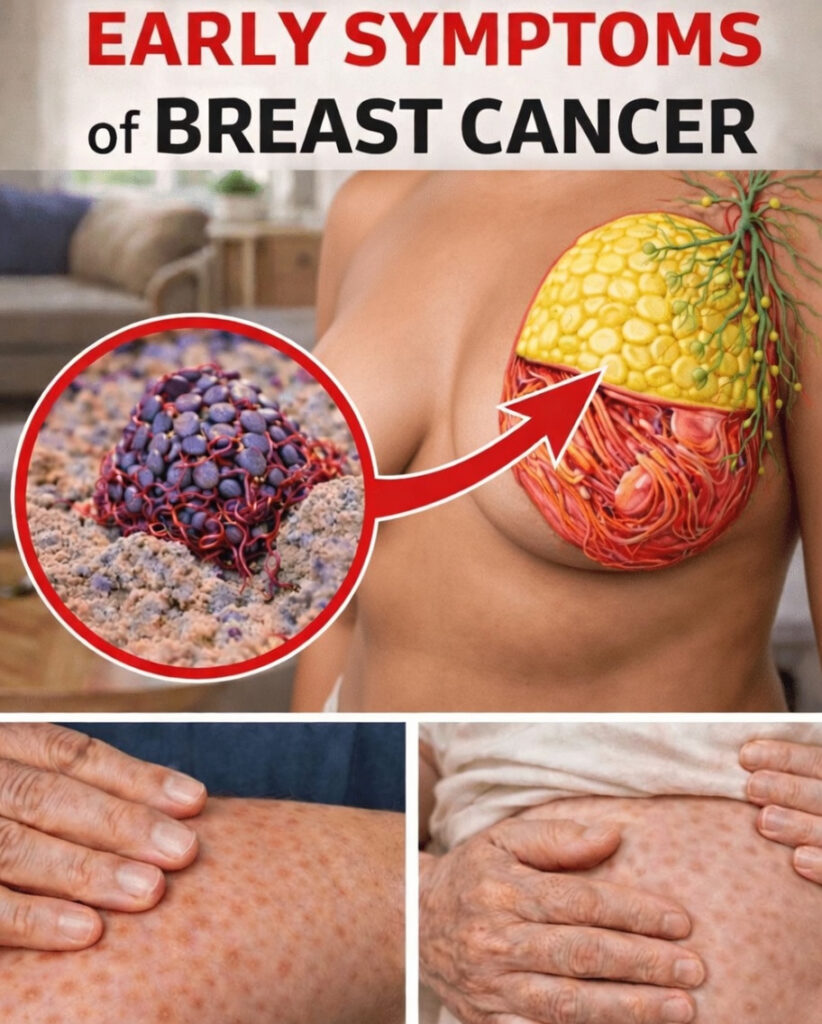
Understanding Breast Changes: What to Watch For and When to Act
Breast changes can appear suddenly in the middle of everyday life, leaving many women unsure whether what they notice is a normal shift or a reason for concern. That uncertainty can quickly turn into worry, lost sleep, and unnecessary stress, especially when it is hard to tell what is typical for your own body. Small changes are often dismissed at first, only becoming more concerning when they do not go away.
Clear, practical information can make a big difference. Knowing which signs deserve attention helps reduce fear and gives you a stronger sense of control over your health. One detail that many women do not realize soon enough is that a certain skin-texture change can develop very quickly and may be mistaken for a minor rash.
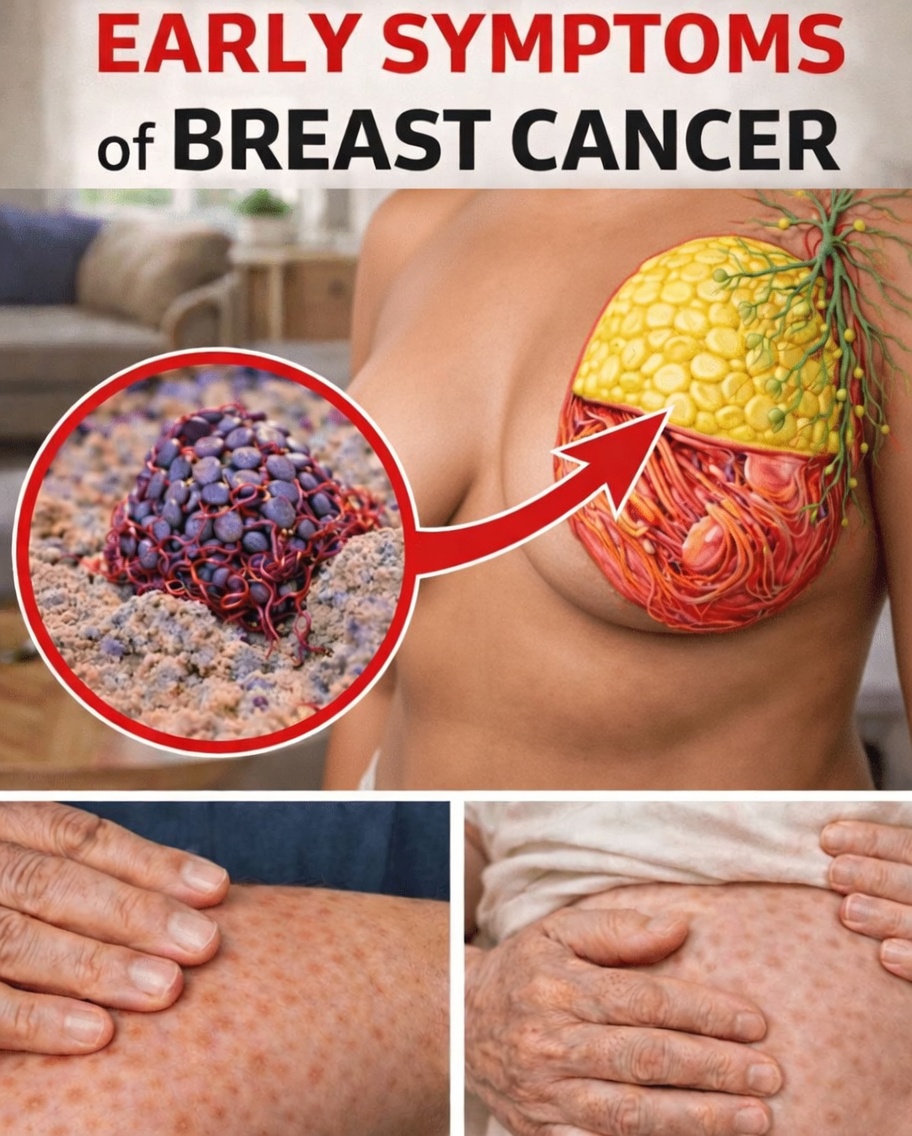
Why Breast Awareness Matters
Being aware of how your breasts usually look and feel is not about constant worry. It is about feeling informed and confident enough to notice when something is different. Trusted organizations such as the American Cancer Society and Mayo Clinic stress that regular breast awareness can help women identify changes early, when they are most important to evaluate.
At the same time, it is important to remember that many breast changes are not dangerous. In fact, most turn out to have harmless explanations. Still, knowing what to monitor can remove uncertainty and ease anxiety.
10 Breast Changes Experts Say You Should Monitor
Health authorities including the Centers for Disease Control and Prevention and Mayo Clinic point to several breast changes that should not be ignored. Every body is different, and many of these signs can have non-serious causes, but they are still worth noticing.
-
A new lump or thickened area
A firm spot in the breast or underarm that feels different from nearby tissue. -
Swelling in one part of the breast
A sense of fullness, heaviness, or puffiness even when no lump is easy to feel. -
Dimpling or puckering of the skin
Skin that pulls inward or develops a texture similar to an orange peel. -
Red or flaky skin
Irritation, scaling, warmth, or redness on the breast or around the nipple. -
Changes in the nipple
A nipple that suddenly turns inward, flattens, or appears to shift position. -
Unexpected nipple discharge
Fluid other than breast milk, including clear, watery, or bloody discharge. -
A visible change in size or shape
One breast becoming noticeably larger, smaller, or more uneven than before. -
Ongoing pain or tenderness
Discomfort that lasts and does not match your usual hormonal cycle. -
Unusual warmth or heaviness
One breast feeling hotter or heavier than what is normal for you. -
A rash-like change in the skin
Redness, pitting, or irritation that spreads quickly and may resemble common skin problems.
One of the most frequently missed warning signs is the orange-peel appearance of the skin, often called peau d’orange. Because it can show up fast and look like ordinary irritation, many women overlook it at first.
This checklist matters because it turns vague concern into something practical. Instead of guessing, you have clear signs to keep in mind during your regular self-checks.

How to Check Your Breasts at Home
The good news is that a breast self-check does not require special equipment and usually takes only a few minutes each month. Over time, it often becomes an easy routine.
Step-by-step self-check guide
-
Look in the mirror
- Stand in good lighting with your arms relaxed at your sides.
- Raise your arms over your head and look again.
- Place your hands on your hips and lean forward slightly to observe any visible changes.
-
Feel your breasts while lying down
- Use the pads of three fingers.
- Move in small circular motions.
- Cover the entire area from the collarbone to the underarm.
- Use light, medium, and firm pressure.
-
Repeat the exam while standing or showering
- Many women find it easier to feel changes in the shower because wet skin allows smoother movement.
-
Check the nipples
- Gently press each nipple to see if any fluid appears.
-
Examine nearby lymph node areas
- Feel under the arms and along the collarbone for any unusual swelling or thickening.
Doing this regularly helps you learn what is normal for your body. Once you know your usual patterns, any true change is much easier to spot.
Daily Habits That Support Breast Health Awareness
No daily habit can replace medical care, but simple lifestyle choices can help you stay more connected to your body and overall well-being. Research shared by leading health organizations suggests that healthy routines such as regular physical activity, nutritious eating, and limiting alcohol may support general wellness.
Consistency matters more than perfection. Small steps can make self-checks easier and more comfortable, including:
- Wearing a bra that fits well
- Staying hydrated
- Keeping a regular monthly self-check routine
- Paying attention to new or unusual body changes
- Maintaining a balanced lifestyle
These habits do not prevent every issue, but they can help you stay more aware and proactive.

Why Professional Screening Is Still Essential
Self-awareness is valuable, but it does not replace professional evaluation. Clinical breast exams and mammograms remain key tools for detecting problems. According to major health organizations, routine mammogram screening is generally recommended for most women beginning at age 40.
If you notice any of the changes listed above, it is wise to contact your healthcare provider as soon as possible. They can decide whether further testing, imaging, or follow-up care is needed.
Final Thoughts: Small Monthly Checks Can Bring Real Peace of Mind
Taking a few minutes each month to become familiar with your breasts can turn uncertainty into confidence. These 10 common changes provide a useful guide, and now you also know about the skin-texture clue that many women mistake for a harmless rash.
Most breast changes are not serious, but paying attention to them gives you the advantage of acting early when necessary. Knowing what to look for puts you in a stronger position to protect your health.
Start your monthly breast self-check this week and notice how much more confident you feel.
Frequently Asked Questions
Is occasional breast tenderness normal?
Yes. Hormonal changes during the menstrual cycle commonly cause temporary breast soreness or sensitivity. However, pain that persists, affects only one side, or feels unusual for you should be discussed with a doctor.
How often should I do a breast self-exam?
For most women, once a month is a good routine. A few days after your period ends is often the best time, since breasts may be less swollen or tender then.
What should I do if I notice one of these breast changes?
Reach out to your healthcare provider promptly. They can recommend the next steps, which may include a clinical exam, imaging, or other tests for a clearer answer.
Disclaimer
This article is intended for educational purposes only and should not be considered medical advice, diagnosis, or treatment. Always speak with a qualified healthcare professional about any health concern or symptom you may have.