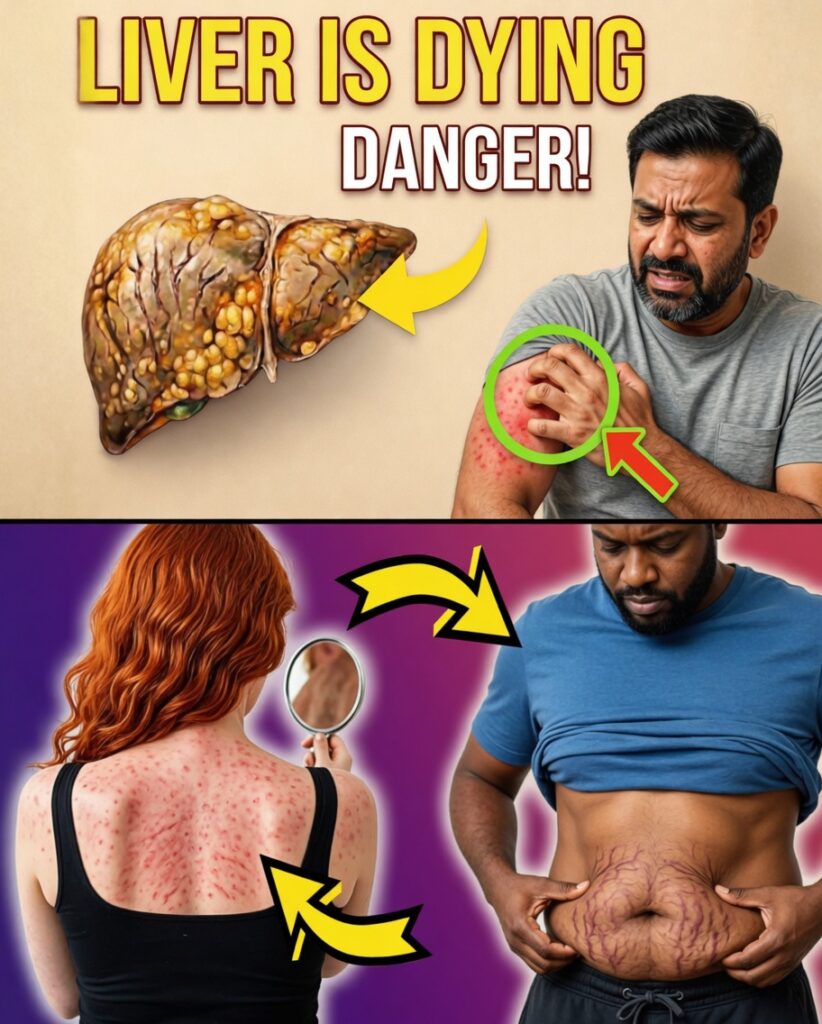
Many people start their day feeling unusually depleted, deal with persistent itching for no clear reason, or notice “off” bathroom changes—then dismiss them as everyday quirks. In some cases, these quiet shifts may reflect a liver that’s working overtime. Because the liver supports detoxification, digestion, and nutrient storage, ongoing strain from common factors like diet, alcohol, and certain medications can sometimes show up in subtle ways. Spotting these signals earlier can help you make practical, low-pressure lifestyle improvements and decide when to seek professional guidance.
In this article, you’ll learn eight commonly overlooked signs that may be associated with liver stress, drawing on widely trusted medical references such as Mayo Clinic and Cleveland Clinic, along with other reputable health organizations.
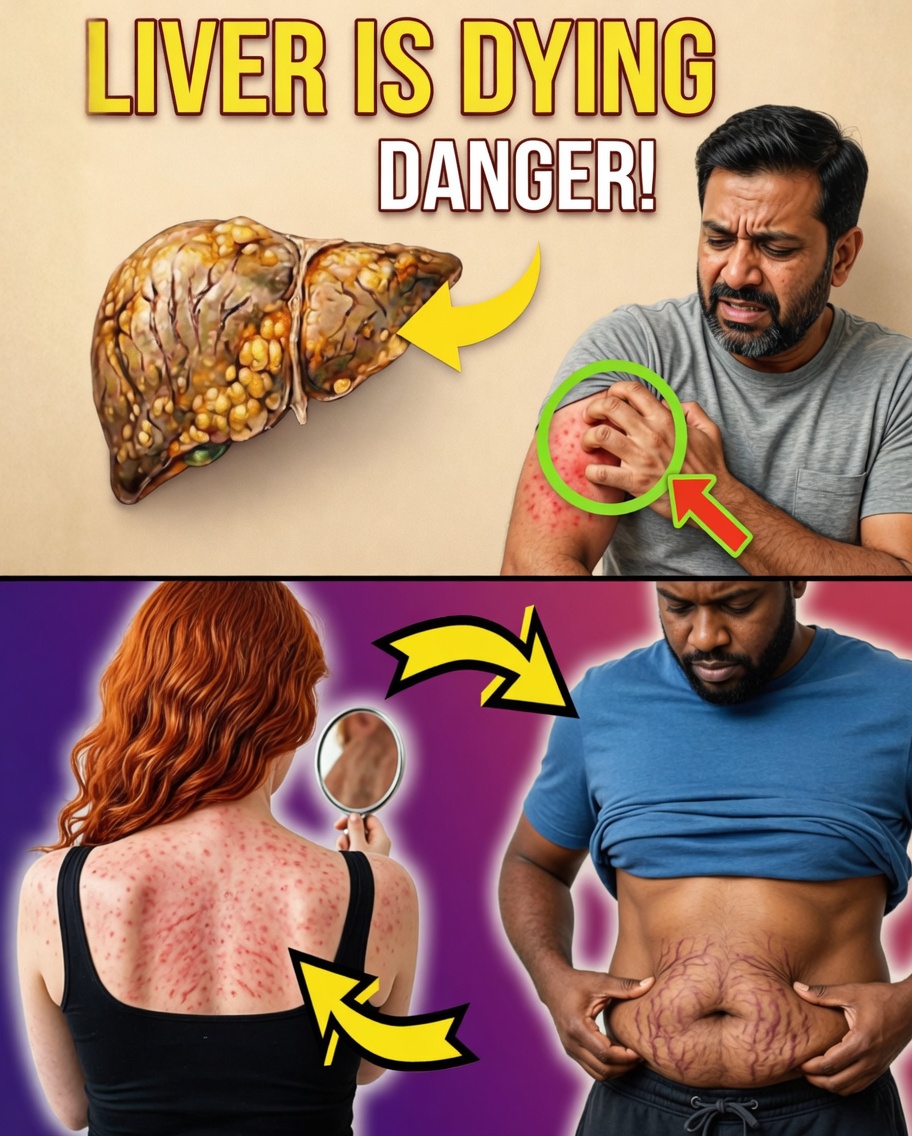
Why Your Liver Is More Important Than Most People Realize
Your liver is one of the body’s hardest-working organs. It:
- Filters and breaks down potentially harmful substances
- Produces bile to help digest fats
- Stores nutrients such as vitamins and minerals for later use
The challenge is that liver strain doesn’t always cause dramatic symptoms early on. Instead, it may show up as small, easy-to-ignore changes that people often blame on stress, busy schedules, aging, or “just not sleeping well.” Becoming more aware of these subtle patterns can encourage earlier check-ins and healthier daily habits.
Because many of these signs can also overlap with other common issues, they’re often missed. Here are the ones most likely to slip under the radar.
Sign #1: Fatigue That Sticks Around Even After Rest
If you’re sleeping “enough” but still wake up feeling heavy and drained—and the low energy follows you throughout the day—this isn’t the same as ordinary tiredness. People often describe it as a deep, persistent exhaustion that coffee and quick naps don’t fix.
When the liver isn’t processing and clearing substances as efficiently, internal imbalance can contribute to an ongoing feeling of sluggishness. While fatigue has many causes, persistent, unexplained tiredness is a symptom worth tracking rather than ignoring.
Sign #2: Recurring Itchiness Without a Rash
An ongoing prickly or crawling itch on the arms, legs, or palms—especially at night—can be frustrating when there’s no visible rash to explain it. Moisturizers might help briefly, but the itch often returns.
Medical experts note that itchiness may occur when bile-related compounds build up in the bloodstream and irritate the skin. It can start mildly and gradually become disruptive to sleep and daily comfort.
Sign #3: Urine That Looks Unusually Dark
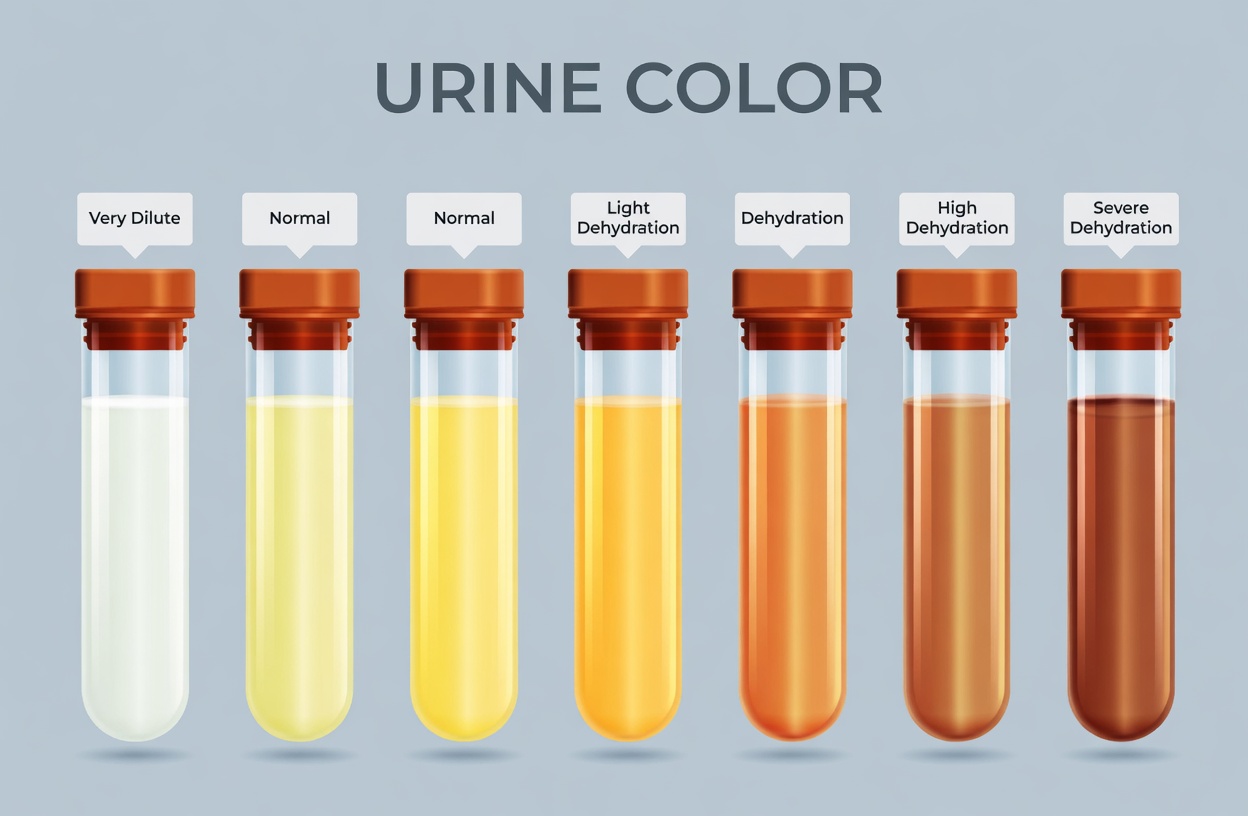
If your urine becomes noticeably darker—more amber, brownish, or tea-colored—even when you’re drinking fluids, it can be a useful clue. Some people also notice a stronger-than-usual odor.
Health organizations such as Mayo Clinic explain that darker urine may be linked to bilirubin, a waste product that can increase when the liver isn’t processing it smoothly. This is one of the simplest changes to notice if you’re paying attention.
Sign #4: Pale, Gray, or Clay-Colored Stool
Stool that looks unusually light (pale, gray, or clay-toned), sometimes with a greasy appearance, can signal a change in digestion.
Bile plays a key role in both fat digestion and normal stool coloring. When bile flow is reduced or disrupted, stool may lose its typical brown tone. Medical sources such as Johns Hopkins Medicine mention pale stool as a possible indicator of issues affecting the liver or bile ducts.

Sign #5: Spider-Like Blood Vessels on the Skin (Spider Angiomas)
You might notice tiny red spots with thin branching lines—often on the face, chest, or upper torso. These marks can fade when pressed and then reappear.
These “spider” vessels are sometimes associated with liver strain and related hormonal changes, as discussed in hepatology research. They’re easy to dismiss as harmless skin changes, but they can serve as a visual cue to pay closer attention to other symptoms.
Sign #6: Swelling in the Ankles, Legs, or Abdomen
Swelling that builds through the day—especially around the ankles—may make shoes feel tighter at night than they did in the morning. Others notice gradual abdominal bloating that changes how clothing fits.
According to organizations like the National Institute of Diabetes and Digestive and Kidney Diseases (NIDDK), fluid retention can be connected to the liver’s role in maintaining protein levels and fluid balance. Because it often develops slowly, people may not connect it to liver health right away.
Sign #7: Bruising More Easily or Bleeding More Than Usual
If minor bumps leave larger bruises than expected, or if bruises linger longer, your body may be signaling a shift. Some people also notice:
- Gums that bleed more during brushing
- Small cuts that take longer to stop bleeding
The liver helps produce proteins involved in normal blood clotting. When it’s under stress, clotting factors may be reduced, which can show up as easier bruising or mild bleeding changes. Harvard Health resources commonly highlight this connection.
Sign #8: Brain Fog, Poor Focus, or Mild Confusion
When your thinking feels slower than usual—difficulty focusing, forgetfulness, feeling mentally “hazy,” or increased irritability—this can affect everyday life more than people realize.
In more advanced scenarios, toxin buildup can influence brain function (often discussed under hepatic encephalopathy in medical literature). Even mild cognitive changes deserve attention, especially when they appear alongside other signs on this list.
Practical, Everyday Ways to Support Liver Health
You don’t need extreme routines to start supporting your liver. Many people find these basics helpful and sustainable:
- Hydrate consistently (water and unsweetened herbal teas are common choices)
- Prioritize whole foods such as leafy greens, berries, legumes, and lean proteins
- Limit alcohol and reduce heavily processed foods that add extra metabolic load
- Move more often—short daily walks can support circulation and energy
A simple approach is to track patterns rather than single events. Consider keeping a quick health note where you record changes in energy, skin sensations, or bathroom habits.
Common Stressors vs. Supportive Swaps
- Excess alcohol → increases detox workload → try sparkling water, herbal tea, or alcohol-free alternatives
- Highly processed foods → adds unnecessary compounds → choose more fresh fruits and vegetables
- Sedentary routine → slows overall metabolism → add daily walks or light activity
- Certain medications → may increase processing demand → discuss risks/alternatives with a clinician
Simple Monitoring Guide
- Daily: casually observe urine and stool color
- Weekly: note swelling, bruising, itchiness, and energy trends
- Monthly: review your notes and consider a medical check-in if patterns persist
Real-World Examples: What Awareness Can Change
Imagine someone like Karen, who felt persistently drained and dealt with nagging itchiness that disrupted evenings at home. After speaking with her clinician and shifting toward more nutrient-dense, antioxidant-rich foods, she gradually noticed her energy improving—enough to enjoy regular walks again.
Or Mike, who noticed darker urine and easier bruising during active weeks outdoors. With better hydration habits and professional guidance, he felt more clear-headed and comfortable during hikes.
These stories highlight a key point: paying attention early can lead to meaningful, manageable improvements.
Conclusion: Pay Attention Early, Not Later
Noticing persistent fatigue, unexplained itching, darker urine, pale stool, spider-like skin vessels, swelling, easy bruising, or brain fog can be empowering—not alarming. These may be your body’s early prompts to slow down, observe patterns, and seek medical advice when needed. If you recognize several signs at once or they persist, consider discussing them with a healthcare professional for appropriate evaluation.
FAQ
What are the earliest signs of possible liver concerns?
Early signs are often subtle and non-specific—such as ongoing fatigue, mild digestive changes, and small skin-related shifts. Many people simply feel “off” without an obvious cause.
Can lifestyle changes actually support liver function?
In many cases, yes. Consistent habits like balanced nutrition, hydration, regular movement, and limiting alcohol are widely recognized as supportive for overall liver health. For personalized advice—especially if symptoms persist—medical guidance is important.