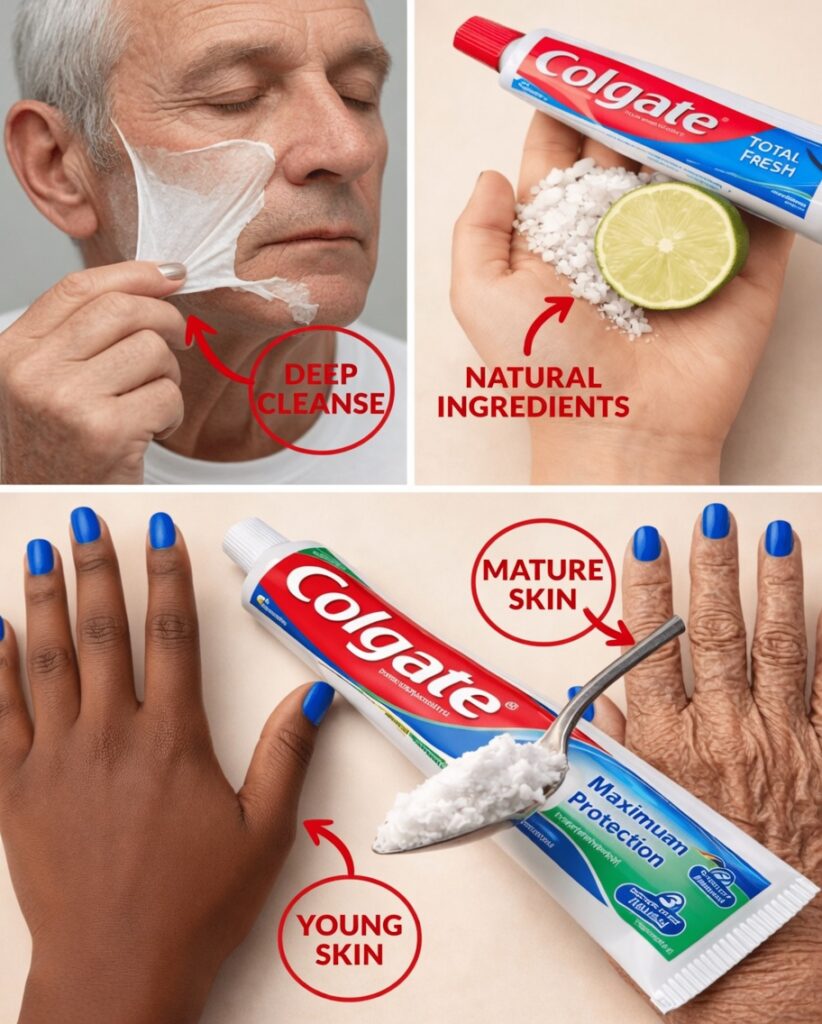
Many people notice that fine lines look deeper and dark spots become more visible with age. When that happens, it’s easy to fall for fast, viral “solutions” that use everyday items like toothpaste or baking soda. These pantry-style hacks often claim they can quickly smooth texture or brighten uneven tone—but in real life, they frequently cause irritation, dryness, and redness instead of clearer-looking skin.
Dermatologists regularly warn that products made for teeth are not designed for facial skin. The good news: you can support healthier-looking skin over time with gentler, research-backed habits and ingredients—without gambling on harsh DIY experiments. This guide explains why those internet hacks can backfire and what to do instead.
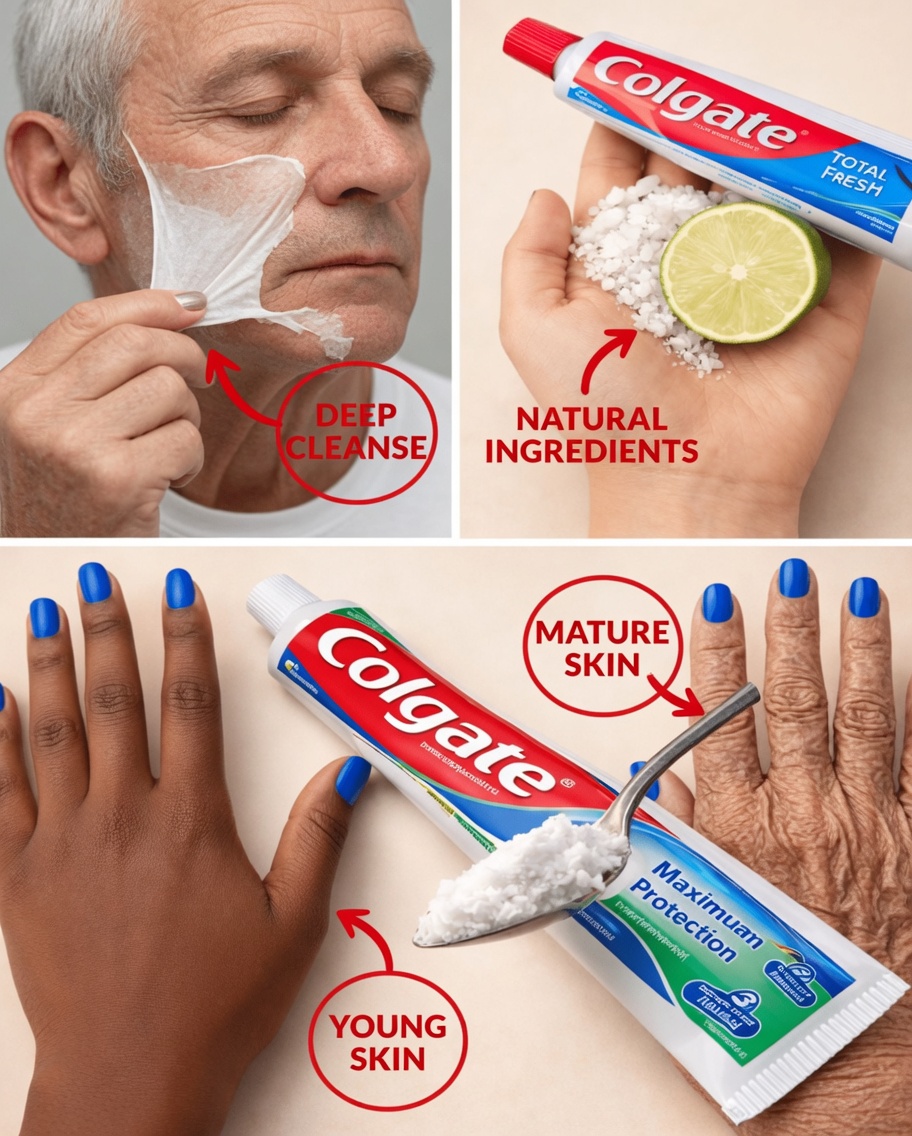
The Viral Myth: Toothpaste or Baking Soda for Lines and Dark Spots
Scroll through social media and you’ll find countless posts claiming that:
- Toothpaste “dries out” spots and improves the look of skin quickly
- Baking soda “polishes” skin and helps fade discoloration
These claims usually lean on one idea: if something is drying or abrasive, it must be “working.” But facial skin is not built to tolerate the same kind of treatment as tooth enamel.
Why What Works for Teeth Doesn’t Belong on Your Face
Toothpaste commonly contains ingredients intended for oral care, such as:
- Abrasives that physically scrub enamel
- Fluoride
- Menthol or flavoring agents
- Whitening components (in some formulas)
Those ingredients may be fine for teeth—but facial skin is thinner, more reactive, and easier to inflame.
Baking soda is also risky because of its highly alkaline pH (around 9). Healthy skin typically sits at a slightly acidic pH (about 4.5–5.5). That mild acidity helps support the skin barrier and its natural microbiome. When you apply something very alkaline, you can disrupt that balance.
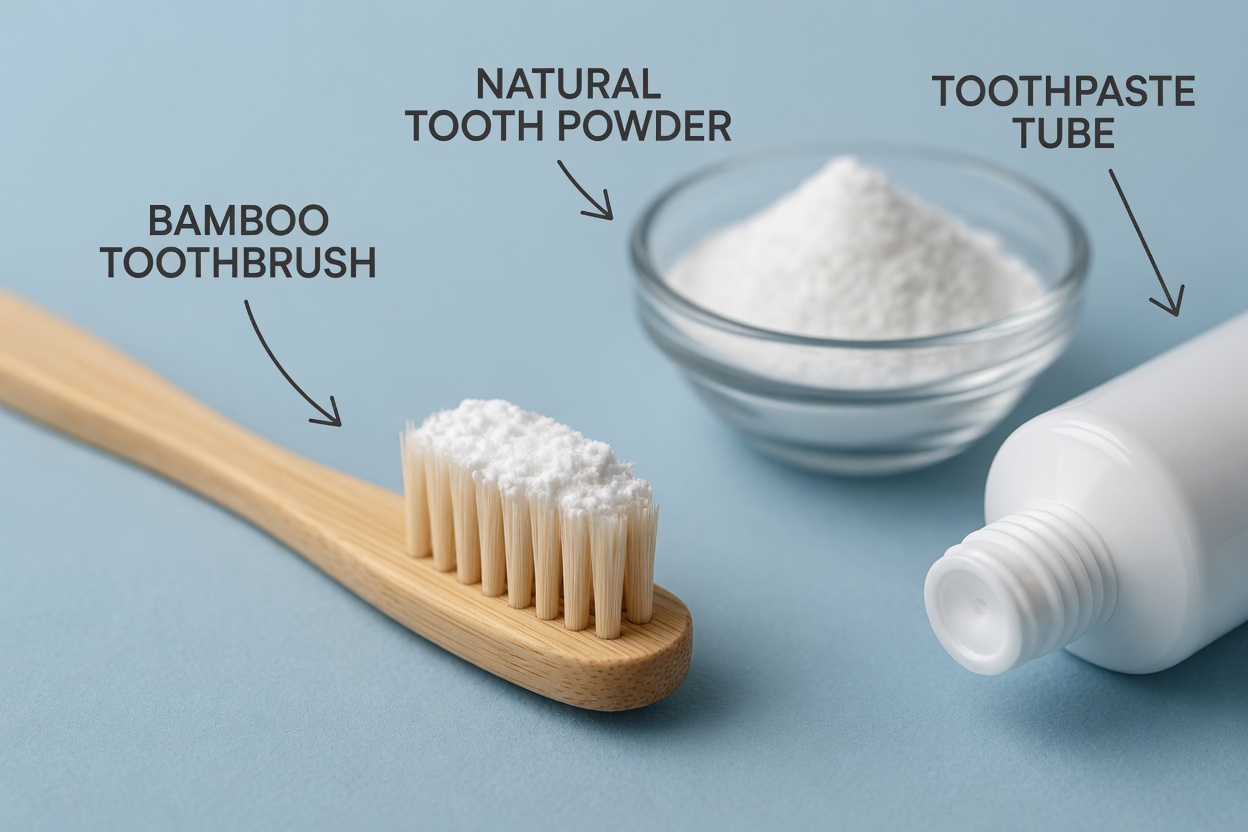
Why Dermatologists Often Advise Against These DIY Hacks
Clinical experience and research-backed skin biology point to the same outcome: these hacks tend to cause more harm than help, especially over time.
Toothpaste can trigger irritation
Common reported reactions include:
- Redness
- Dryness and tightness
- Itching
- Inflammation
This often happens because toothpaste can strip oils and irritate the barrier—making skin feel raw or uncomfortable.
Baking soda can weaken your skin barrier
Because it can alter skin pH and over-strip the surface, baking soda may lead to:
- Barrier damage
- Increased sensitivity
- Greater dryness and reactivity
- Uneven tone that looks worse after irritation
When the barrier is compromised, skin may become less resilient against environmental stressors—potentially making aging signs and discoloration more noticeable in the long run.
Real-World Results: What People Often Experience After Trying Them
Sarah, 58, tried applying toothpaste to dark spots after seeing a trending tip. By morning, she noticed redness, tightness, and irritation rather than improvement. After switching to gentle, skin-formulated products, her skin gradually calmed down—without the harsh aftermath.
That pattern is common: temporary drying can create the illusion of a quick fix, but irritation often follows, and irritation can make discoloration and texture concerns look more pronounced.
Gentler, Evidence-Based Ways to Support Smoother, More Even-Looking Skin
Instead of experimenting with toothpaste or baking soda, focus on strategies that are widely supported by dermatology and skincare research. These are practical options that can fit into most routines:
-
Daily broad-spectrum sunscreen
- UV exposure is one of the biggest drivers of visible dark spots and wrinkles.
- Consistent SPF use helps prevent new damage and supports more even-looking skin over time.
-
Hydration (topical and internal)
- Dehydrated skin can make fine lines look deeper.
- Drink enough fluids and use a reliable moisturizer to support a plumper look.
-
Antioxidant-rich foods
- Berries, leafy greens, and nuts provide nutrients that help defend against oxidative stress.
- Food alone isn’t a “treatment,” but it can support skin health from the inside.
-
Gentle weekly exfoliation
- Mild chemical exfoliants (such as low-strength AHAs) can smooth dull surface buildup with less risk than harsh scrubs.
- Overdoing it can backfire—once or twice a week is enough for many people.
-
Niacinamide (Vitamin B3) serums
- Often used at 5–10%, niacinamide may support the barrier and improve the look of uneven tone.
- Studies show it can help with the appearance of pigmentation and texture when used consistently.
-
Vitamin C serums
- Stable vitamin C is an antioxidant that can help brighten the look of skin and support collagen.
- Clinical evidence suggests gradual improvements in the appearance of dark spots with regular use.
-
Retinoids with patience
- Retinoids encourage renewal and can soften the look of fine lines over time.
- Start slowly to build tolerance and reduce irritation.
-
A consistent, gentle routine
- A mild cleanser, moisturizer, and daily sunscreen can outperform “aggressive” routines simply because they’re sustainable.
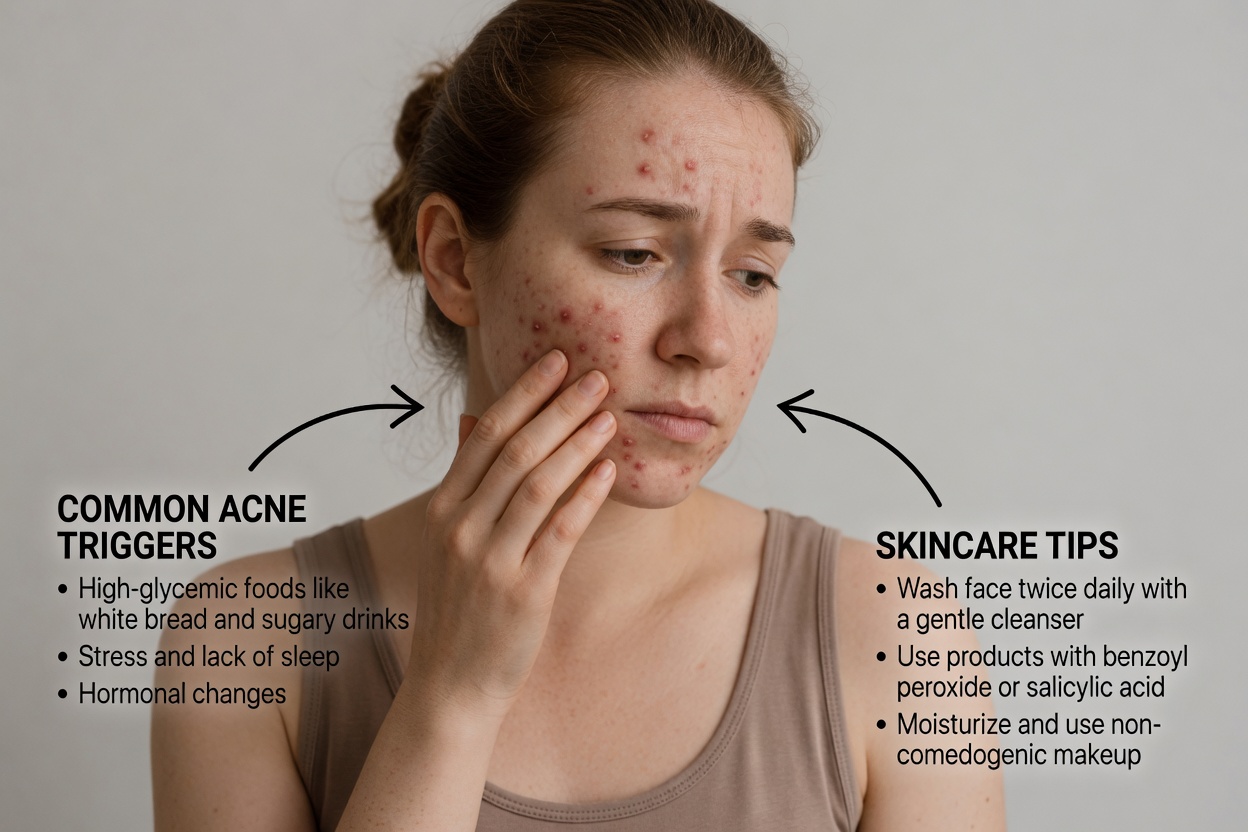
Quick Comparison: Better Options vs. Harsh DIY Hacks
-
Sunscreen (broad-spectrum SPF)
- Potential support: helps prevent additional UV-related spots and lines
- Evidence note: strongly supported by long-term research
-
Vitamin C (stable serum)
- Potential support: antioxidant protection + brighter-looking tone
- Evidence note: clinical trials show gradual benefits
-
Niacinamide (5–10%)
- Potential support: supports barrier + improves the look of uneven pigmentation
- Evidence note: backed by research on visible tone and texture improvements
-
Hydration (moisturizer + adequate fluids)
- Potential support: helps skin look smoother and less “creased”
- Evidence note: foundational for overall appearance
-
Retinoids (slow introduction)
- Potential support: smoother texture and softened fine lines over time
- Evidence note: strong evidence when used consistently and correctly
Emily’s Journey: Calmer Skin Through Consistency
Emily, 62, felt frustrated by deepening lines and sun spots. Harsh scrubs left her skin drier and more uncomfortable. She changed direction: SPF every morning, a vitamin C serum, and gentle moisturizing. After a few months, she noticed her skin looked more balanced, with spots appearing lighter and lines less prominent. The biggest change, she said, was feeling in control again.
What Research Consistently Supports
Across studies and dermatology guidance, these themes show up repeatedly:
- Broad-spectrum sunscreen is central for limiting UV-driven aging changes.
- Antioxidants like vitamin C help defend against oxidative stress and support a brighter appearance.
- Niacinamide can strengthen the barrier and visibly improve uneven tone (including via mechanisms linked to pigment distribution).
- Retinoids support cell turnover and texture improvement when introduced gradually.
- Consistency matters more than intensity—steady routines tend to deliver clearer, more predictable results.
Linda’s Story: Simplicity That Actually Helped
Linda, 65, struggled with dry areas that made wrinkles stand out. After trying irritating “internet tips,” she refocused on moisture and niacinamide. Her skin felt more comfortable, and over time she noticed softer-looking lines and a more even tone. For her, the simplest routine was also the most effective.
How to Start Safely (Without Overwhelming Your Skin)
Use a slow, skin-friendly approach:
- Patch test new products on the inner arm for 24–48 hours
- Apply SPF 30+ as the final step every morning; reapply when outdoors
- Choose fragrance-free products if you’re prone to sensitivity
- Cleanse gently twice daily with mild, non-stripping formulas
- Use vitamin C in the morning; consider niacinamide and/or retinoids at night
- Start retinoids 2–3 nights per week, then increase gradually
- Moisturize morning and night to reduce dryness and support the barrier
Watch how your skin responds and adjust based on comfort, not hype.
Common Questions and Doubts
“I’ve seen toothpaste or baking soda work for other people—why shouldn’t I try it?”
What looks like improvement is often temporary drying. The risk of irritation and barrier disruption usually outweighs any short-lived cosmetic effect. Skincare products are formulated specifically for facial skin tolerance.
“What if my skin is sensitive?”
Start with the basics (cleanser, moisturizer, sunscreen), patch test everything, and add actives one at a time. If concerns are persistent or severe, a dermatologist can tailor recommendations to your skin history.
Small Changes Can Still Create Visible Improvement
You don’t need harsh experiments to support smoother, more even-looking skin. Pick one habit—like daily sunscreen or a gentle brightening serum—and stay consistent long enough to see how your skin responds.
Frequently Asked Questions
Can I use natural ingredients safely for dark spots or wrinkles?
Some “natural” ingredients are gentle, but others can be irritating or disrupt the skin barrier. Choose options with evidence for facial use, and always patch test before applying to your face.
How long does it take to notice results from these habits?
Changes are usually gradual. Many people notice early improvements in comfort and hydration within weeks, while visible changes in tone or fine lines often take several weeks to a few months, depending on the ingredient and consistency.