Why Baking Soda for Skin Is Trending Again
As we age, it is natural for skin to lose some of its youthful brightness and soft texture. Those visible changes can affect confidence, especially after trying costly skincare products that do not deliver the expected results. Because of that, many people are now looking at affordable home remedies, including baking soda, as a possible way to support a brighter, smoother appearance.
Online recipes often present baking soda cream as a quick and inexpensive beauty fix. However, before trying any viral DIY formula, it is important to understand both the possible benefits and the real risks. Some natural ingredients may be helpful, but lasting skin improvement usually comes down to simpler and safer habits.
The Growing Popularity of DIY Baking Soda Creams
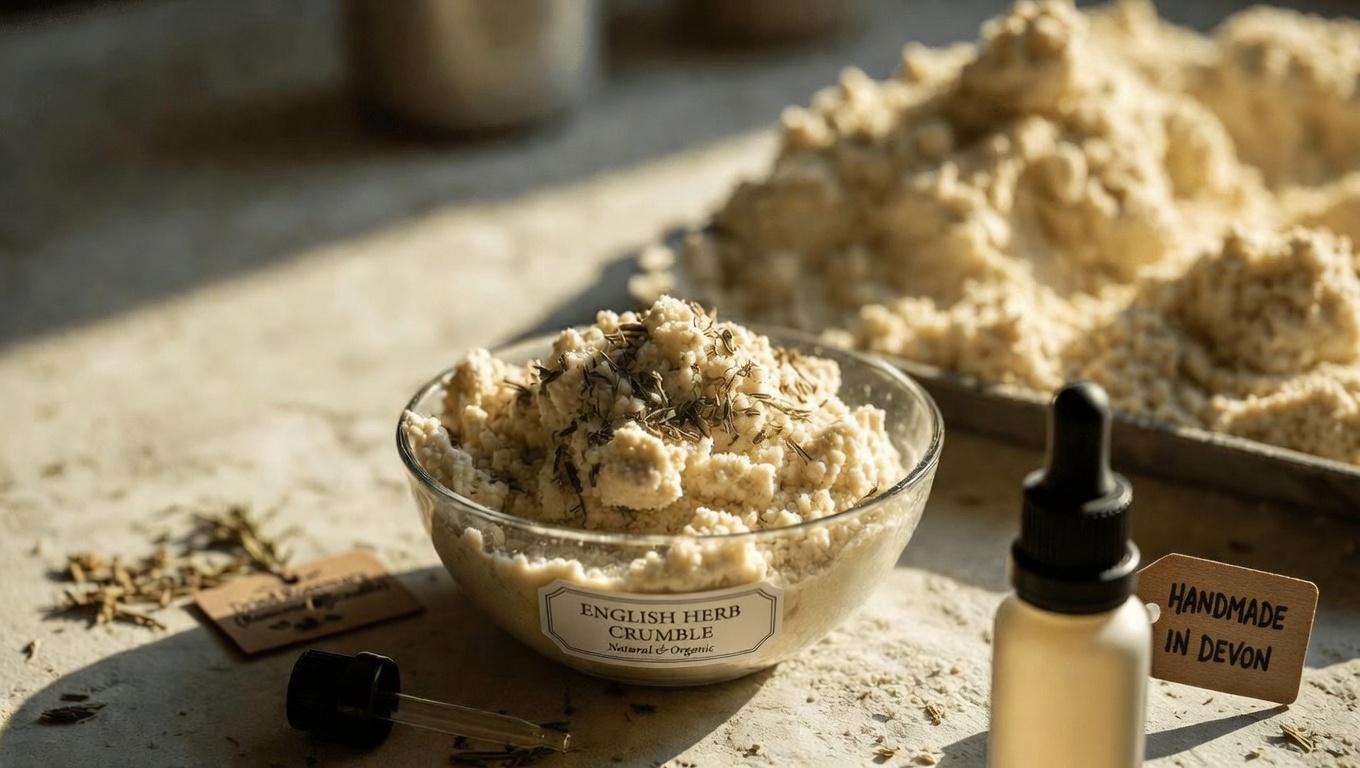
Social media has played a big role in the rise of homemade skincare. Videos and posts frequently show people preparing a so-called baking soda cream in their kitchens by mixing baking soda with ingredients such as coconut oil, honey, or aloe vera gel. The result is usually a thick paste that is applied at night in hopes of improving skin tone and texture.
This trend is especially appealing to adults over 50 who want to maintain healthy-looking skin without overspending. The formulas seem easy, familiar, and natural, which makes them even more attractive. Most of the ingredients are already available at home, and the process looks simple enough for anyone to try.
What Baking Soda Actually Does to the Skin
Baking soda, also known as sodium bicarbonate, is an alkaline substance with a pH of about 9. Human skin, by contrast, functions best in a mildly acidic range of roughly 4.5 to 5.5. That difference is significant.
In small amounts, baking soda can work as a physical exfoliant by helping remove dead skin cells from the surface. This is one reason people use it in DIY pastes for a quick smoothing effect. Skin may feel softer right away, but that short-term result can be misleading.
Frequent use, especially on the face, may disturb the skin’s natural protective balance. Over time, this can weaken the barrier and increase the chance of dryness, irritation, and sensitivity.
What Research Suggests About Possible Benefits
Studies in dermatology often show that gentle exfoliation can improve the appearance of skin by clearing away dull surface buildup. This may temporarily enhance texture and help moisturizers absorb more effectively. Baking soda has also been explored more often in body care, including bath use for soothing certain skin issues.
Some limited observations suggest that occasional use may help reduce minor surface buildup or blackheads when applied sparingly. Still, these findings do not support regular use as a facial treatment. Most of the evidence is limited, and it does not clearly prove long-term cosmetic benefits for the face.
In general, dermatologists agree that the support for baking soda as a reliable facial skincare ingredient remains weak.
Why Dermatologists Often Warn Against Using It on the Face
Before trying a homemade mixture, it is worth considering expert concerns. Many dermatologists advise against regular facial use of baking soda because its alkaline nature can damage the acid mantle, the skin’s protective layer that helps hold in moisture and keep out irritants.
The main concerns include:
- pH disruption, which may lead to ongoing dryness, tightness, or redness
- Greater sensitivity, making skin react more easily to sunlight and active skincare products
- Tiny abrasions caused by the gritty texture, especially on thinner or mature skin
- Barrier weakening, which may make fine lines and roughness appear more noticeable
Some dermatology research has emphasized that harsh scrubs and high-pH ingredients can worsen irritation, particularly for sensitive or aging skin. This makes patch testing essential, even for occasional use.
If your skin is already dry, reactive, or exposed to cold weather, the negative effects may be even more noticeable. Following a trend is never as important as paying attention to how your skin actually responds.
If You Still Want to Try It, Be Extremely Careful
If you are curious about testing a diluted baking soda mixture at home, caution should come first. A strong paste should never be applied directly to the face. If you choose to experiment, keep it to a one-time trial and follow careful steps:
- Mix only a tiny pinch of baking soda with one tablespoon of a gentle ingredient such as plain yogurt or coconut oil.
- Make sure the mixture feels smooth rather than rough or grainy.
- Patch test it on the inside of the wrist or behind the ear.
- Wait 24 hours to check for any irritation or discomfort.
- If there is no reaction, wash your face gently with lukewarm water.
- Apply a thin layer only to a less sensitive area, such as the jawline.
- Leave it on for no longer than two minutes.
- Rinse thoroughly and apply a rich moisturizer immediately afterward.
- Do not use it more than once every two weeks.
- Stop right away if you notice stinging, redness, or tightness.
Even with these precautions, many skincare professionals would still recommend avoiding facial use completely and reserving baking soda for body scrubs or foot soaks instead.
Better Natural Alternatives for Brighter, Smoother Skin
The encouraging news is that you do not need harsh or risky ingredients to support healthy-looking skin. There are gentler natural options that work more in harmony with the skin barrier.
Here are a few popular alternatives:
- Honey and yogurt mask: Raw honey can help soothe the skin, while plain yogurt offers mild lactic acid exfoliation.
- Oatmeal paste: Finely ground oats mixed with milk create a soft, calming treatment that feels comforting on dry or sensitive skin.
- Aloe vera gel: Fresh aloe provides hydration and a cooling effect without abrasive particles.
- Coconut oil by itself: A small amount warmed in the hands can act as an overnight moisturizer for dry areas.
These simple remedies often feel nourishing rather than aggressive. Many people notice that their skin appears healthier and more radiant after switching to gentler options that support the barrier instead of stripping it.
Daily Habits That Matter More Than Any DIY Cream
No homemade mixture can outperform a consistent skincare routine. Small daily habits usually have a much greater impact on how skin looks and feels over time.
Focus on these basics:
- Cleanse gently twice a day with a pH-balanced cleanser
- Use broad-spectrum sunscreen every morning, even if you stay indoors most of the day
- Drink enough water and eat antioxidant-rich foods such as berries and leafy greens
- Sleep seven to nine hours each night to support overnight skin repair
- Apply moisturizer immediately after washing while the skin is still slightly damp
Many people are surprised to learn that using a humidifier in the bedroom during dry months or adding a hydrating sheet mask once a week may create more visible glow than most kitchen skincare experiments.
Final Thoughts: Choose Safe, Lasting Skincare Solutions
The popularity of baking soda cream reflects a very understandable desire for easy and natural skincare solutions. Still, healthy skin depends on knowing where caution is needed. While baking soda may offer a temporary smoothing effect in limited situations, the risks often outweigh the benefits when it comes to facial care.
A smarter approach is to choose gentle, evidence-based habits that protect the skin barrier and support long-term results. Start with simple routines, stay consistent, and give your skin the kind of care that works with its natural balance, not against it.
FAQ
Is baking soda safe to use on the face every day?
Most dermatologists do not recommend daily use on the face because baking soda has a high pH and may disrupt the skin barrier. Occasional, diluted use on the body is usually considered safer, but a patch test is still important.
How soon can natural skincare routines show results?
With regular moisturizing and daily sunscreen, you may notice improvements in texture and comfort within two to four weeks. Changes related to hydration, nutrition, and sleep can take longer.
What should I do if a homemade skincare mixture irritates my skin?
Stop using it immediately. Rinse with cool water and apply a gentle, soothing moisturizer. If redness, burning, or discomfort continues for more than a day, consult a healthcare professional.