Aging Skin and Hair After 40: Gentle, Kitchen-Based Remedies That Actually Make Sense
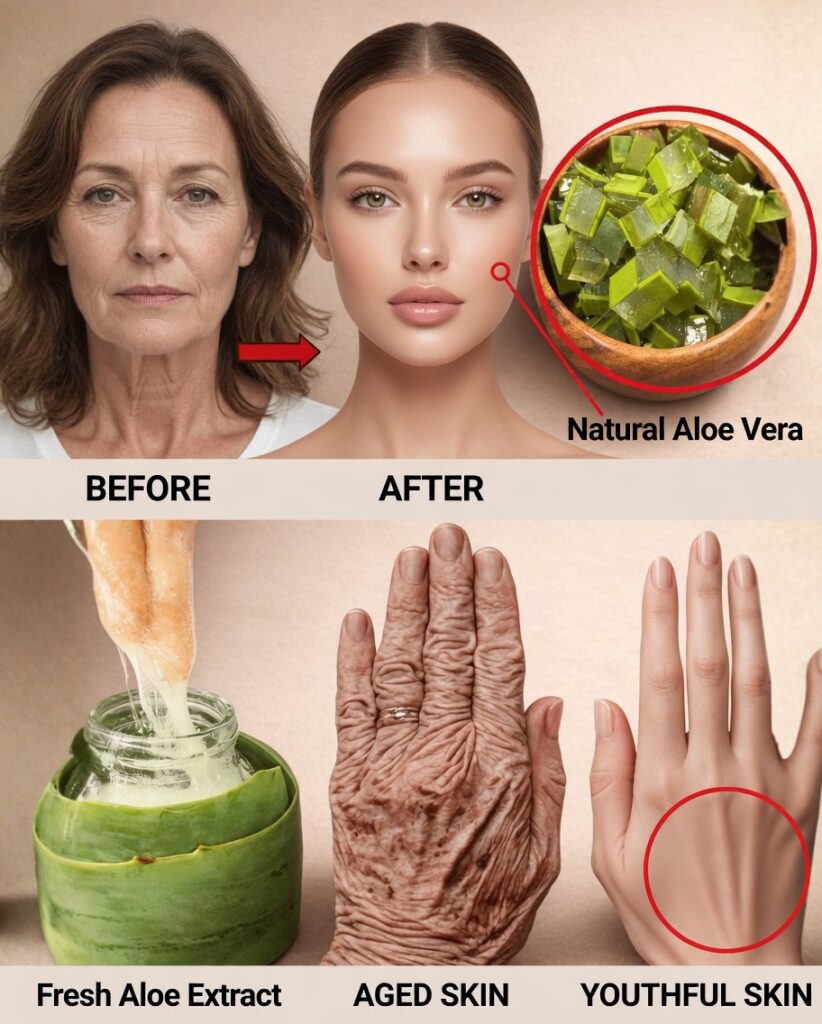
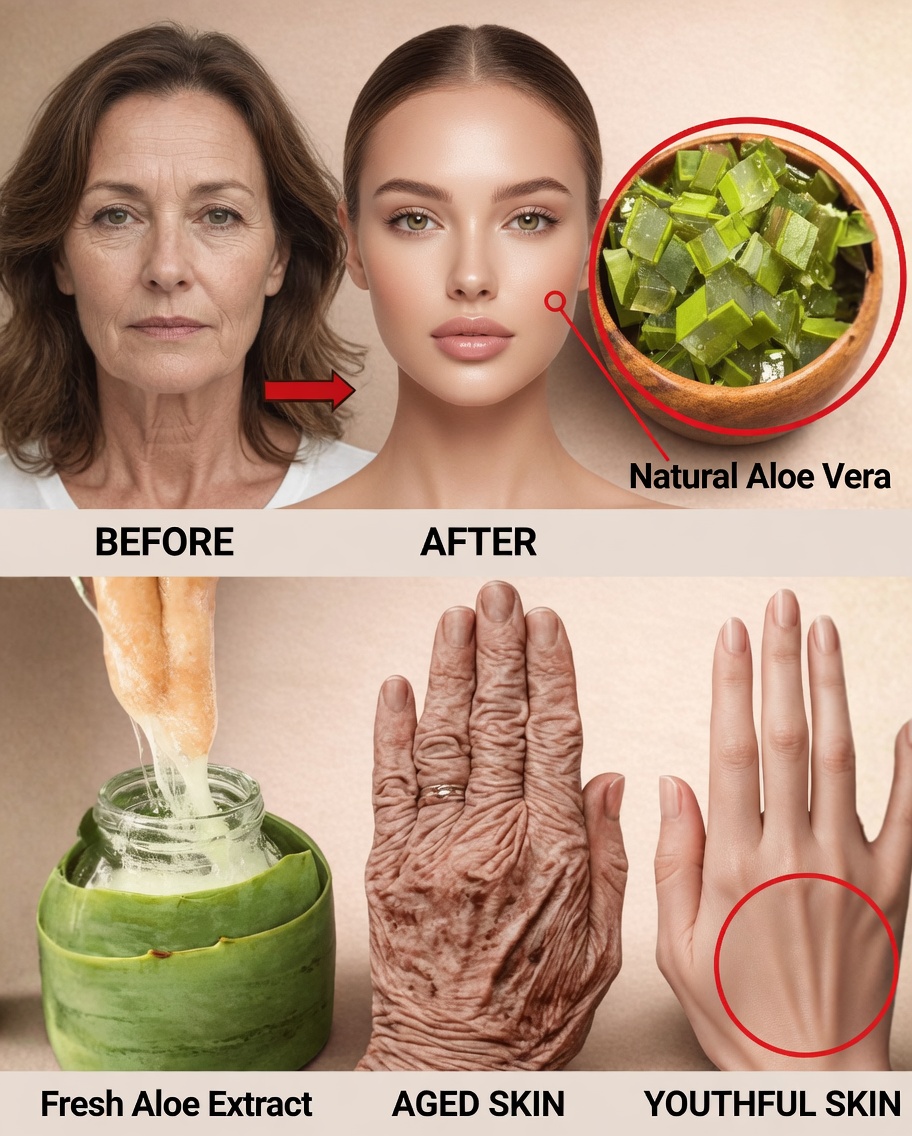
As the years go by, many women start noticing changes that can feel discouraging: skin that looks rougher or drier, less bounce and elasticity, and hair that seems thinner or less lively. Around the age of 50, these shifts often become more visible—fine lines show up more easily, dryness feels harder to manage, and hair may lose density or shine. For many, this can affect confidence in everyday moments and especially in photos.
These changes are largely driven by normal biology: collagen production declines, cell renewal slows down, and the scalp may receive less nourishment than it once did. While countless beauty products promise fast transformation, some can trigger irritation, feel too harsh, or simply underdeliver.
What if more supportive options were already in your kitchen—ingredients like fresh aloe vera, olive oil, and classic hair-friendly herbs? Below is a practical guide to popular homemade routines inspired by tradition, with science-based context where evidence exists, plus easy recipes and realistic expectations.
Why Aging Signs Feel So Stubborn (and So Visible)
After 40, it’s common for skin to feel drier and less elastic, while hair may look finer, flatter, or more fragile. Research consistently shows that collagen synthesis decreases with age, contributing to fine lines and a crepey texture. At the same time, pigment changes can lead to graying, and the scalp may become drier—sometimes increasing shedding or itchiness.
Many people try premium serums, retinoids, or salon treatments, and while those can help, they may also come with drawbacks such as:
- Higher ongoing cost
- Temporary improvements that fade without consistent use
- Sensitivity, redness, or dryness—especially with strong actives
That’s why gentle, affordable routines using everyday ingredients remain appealing—particularly when the goal is comfort, hydration, and steady improvement, not overnight perfection.
Aloe Vera for Skin and Scalp: Hydration, Comfort, and Barrier Support
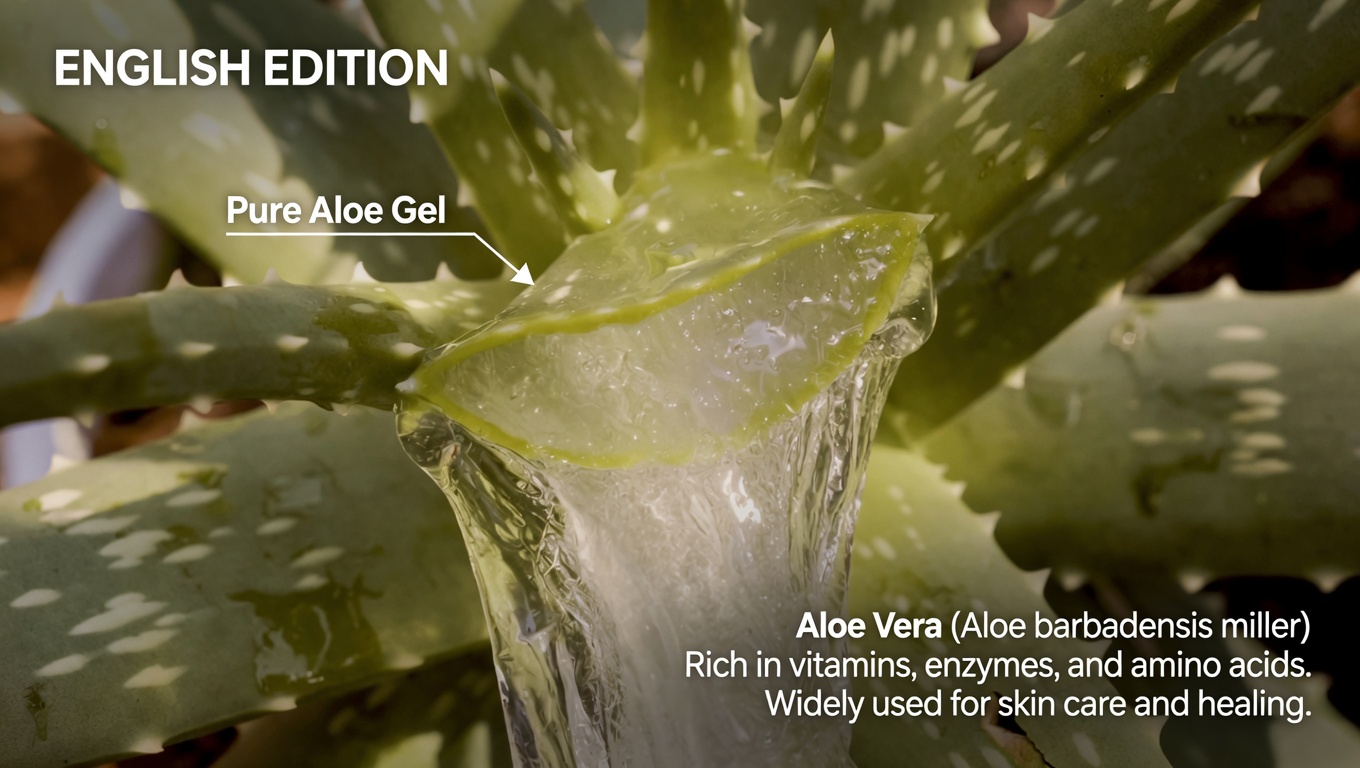
Aloe vera is widely used at home because its gel naturally contains vitamins (A, C, E), amino acids, and polysaccharides. Scientific findings support aloe’s ability to improve moisture retention and support the skin’s protective barrier—both important for dryness and rough texture. Some research also suggests aloe may help photoaged skin look and feel better by supporting hydration and providing antioxidant activity.
For hair and scalp, aloe is often used to:
- Calm itchiness and dryness
- Reduce visible flaking in some scalp conditions
- Support a more comfortable environment for hair growth
Evidence indicates aloe can reduce scaliness and improve scalp comfort, which may indirectly help hair feel healthier over time.
A real-world example often cited in home-care communities: a woman in her early 60s with thinning, graying hair began using aloe-based oils twice weekly. Over the following months, she reported less shedding and a smoother, silkier feel, along with more confidence in her natural look.
Herbal Oil Infusions: Why Rosemary Gets the Most Attention
A common traditional approach is to infuse olive oil with herbs such as rosemary, bay leaves, and cloves. Among these, rosemary has the strongest research support for hair density.
One well-known 2015 randomized study found rosemary oil performed comparably to 2% minoxidil in supporting hair count over six months, potentially due to effects on circulation and inflammation.
Other herbs are included for supportive reasons:
- Cloves contain eugenol, associated with antimicrobial potential and shine in traditional use
- Bay leaves are used for their aromatic oils and soothing reputation
These blends are best viewed as scalp-support routines—not instant regrowth solutions—where consistency matters.
Banana Peel and Fruit Masks: Gentle Nourishment and Soft Glow
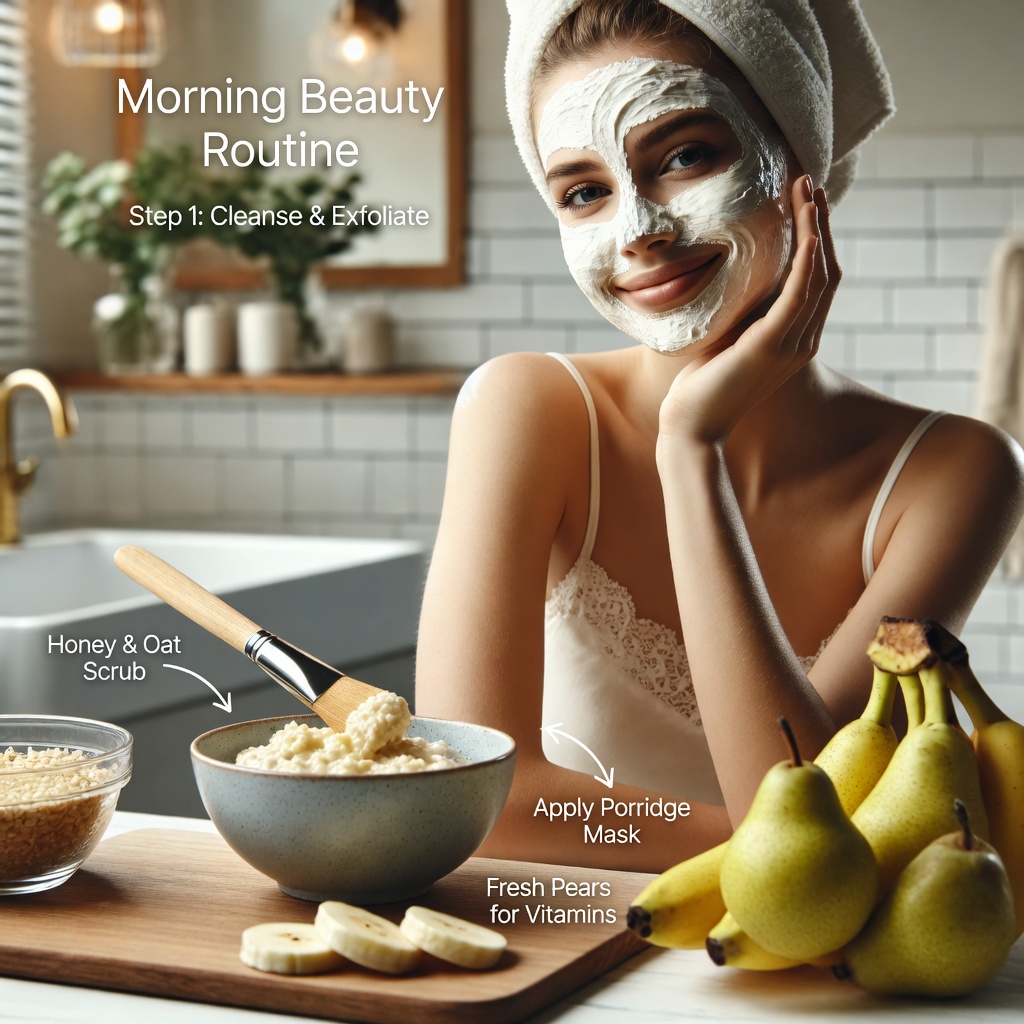
Banana peels contain antioxidants and nutrients such as polyphenols, lutein, and potassium. While strong clinical evidence for “skin brightening” is limited, these compounds may help support:
- Moisture and a softer feel
- Mild, gentle exfoliation in DIY blends
- A more nourished appearance over time
Popular homemade options include:
- Boiled banana peel water thickened with cornstarch to create a mask base
- Mashed banana mixed with honey, coconut oil, or aloe for a simple moisturizing mask
If you add lemon for vitamin C, use caution—lemon can increase sensitivity and irritation, especially on reactive or sun-exposed skin.
Quick Check-In (Before You Start)
- Which ingredient has the best evidence for hair density support? Rosemary (supported by clinical comparison research).
- What matters most to you right now? Dryness, fine lines, or hair vitality?
- Rate your current skin/hair comfort from 1–10, then reassess after 6–8 weeks.
Easy At-Home Recipes (Patch Test First)
These recipes use accessible ingredients, but always patch test (inner arm, 24 hours). Stop immediately if burning, swelling, or persistent redness occurs.
1) Aloe-Infused Hair Oil (Hydration + Scalp Comfort)
- Collect fresh gel from 1–2 aloe leaves and rinse well to remove residue.
- Blend until smooth.
- Combine with:
- 200–250 ml olive oil
- 1 tsp coconut oil
- 1 tbsp shea butter
- Warm using a double boiler for 15–20 minutes, stirring occasionally.
- Let cool, then strain into a dark bottle.
- Massage into the scalp for 10 minutes, then shampoo.
- Use twice weekly. Store cool and dark for up to 6 months.
2) Rosemary + Herbal Scalp Oil (Circulation + Scalp Support)
- Crush 8–10 bay leaves.
- Add 2 tbsp cloves and 4–5 rosemary sprigs.
- Infuse in 150 ml olive oil using a water bath for 40 minutes.
- Strain.
- Apply to scalp for 30 minutes before shampooing, twice weekly.
3) Banana Peel Mask Base (Moisture + Softness)
- Boil peels from 2–3 bananas in 100 ml water for 5 minutes.
- Blend, strain, then thicken gently with cornstarch over low heat.
- Mix in:
- Shea butter
- Vitamin E
- A few drops of tea tree oil
- Optional: very diluted lemon if your skin tolerates it
- Apply to face or hands for 20 minutes, then rinse.
- Use twice weekly.
4) Simple Aloe Night Cream (Face, Neck, Hands)
- Mix:
- 2 tbsp fresh aloe gel
- 1 tbsp baby oil or olive oil
- Vitamin E
- 1 drop tea tree (optional)
- Apply at night.
- Refrigerate and use within 1 month.
What Results to Expect (and When)
These natural routines mainly support hydration, soothing, and nourishment. Most people notice improvements like softness, smoother texture, or more shine gradually—typically within 4–12 weeks when used consistently.
Helpful timing reminders:
- Skin turnover often takes about 4–6 weeks.
- Hair grows roughly 0.5 inches (about 1.25 cm) per month.
For best support, pair your routine with:
- Daily sun protection
- Balanced protein and micronutrients
- Good sleep and stress management
Natural Remedies vs. Conventional Options (Simple Comparison)
-
Aloe-infused oils
- Best for: hydration, soothing
- Evidence: moderate (moisture/comfort)
- Timeline: 4–12 weeks
- Notes: may feel oily; check for sensitivity
-
Rosemary/herbal oils
- Best for: scalp health, hair density support
- Evidence: stronger for rosemary (hair studies)
- Timeline: 3–6 months
- Notes: possible mild irritation
-
Banana-based masks
- Best for: moisturizing, gentle glow
- Evidence: mostly anecdotal + nutrient-based
- Timeline: 4–8 weeks
- Notes: short shelf life; lemon may irritate
-
Conventional treatments (example: retinoids)
- Best for: collagen support, faster cell turnover
- Evidence: high (clinical)
- Timeline: 3–6 months
- Notes: irritation risk; higher cost
Practical Tips to Get Better Outcomes
- Use fresh aloe from the plant when possible for potency.
- For deeper comfort, apply pure aloe gel first, then layer oil on top to reduce moisture loss.
- Add a warm towel wrap after applying oil to support absorption.
- Use gentle upward massage to encourage circulation without pulling hair.
- Track progress with weekly photos in similar lighting—small improvements can be easier to see over time.
The most effective “synergy” is a consistent routine: aloe for hydration, herbs (especially rosemary) for scalp vitality, and fruit-based masks for soft nourishment. Over 60–90 days, many people notice changes that feel meaningful: softer skin, shinier hair, and more confidence in natural light.
FAQ
How often should I use these natural remedies?
Begin with twice per week to reduce the risk of irritation or buildup. Adjust based on how your skin and scalp respond.
Can these remedies stop gray hair?
There’s no strong evidence that they prevent graying, which is largely genetic and age-related. However, nourishing scalp care may improve overall hair feel and shine.
Are these ingredients completely risk-free?
No. Even natural ingredients can irritate sensitive skin. Patch testing is essential, avoid the eye area, and dilute stronger additions like tea tree or lemon. Speak with a clinician if you have allergies, skin conditions, or are pregnant.
Disclaimer
This article is for informational purposes only and is not medical advice. If you have persistent skin or scalp concerns, consult a qualified healthcare professional.